
Phishing Analysis
Detailed analysis of captured phishing page
Visual Capture
No screenshot available
Detection Info
https://darkway-pk6frameon.bapahi.ru/wfN2!RiBhiGQ9/[email protected]
Detected Brand
Unknown
Country
Unknown
Confidence
3%
HTTP Status
200
Report ID
048bac26-8b5…
Analyzed
2026-01-29 00:03
Content Hashes (HTML Similarity)
Used to detect similar phishing pages based on HTML content
| Algorithm | Hash Value |
|---|---|
|
CONTENT
TLSH
|
T19D1146A151491FFEB187C164BAC1E39BE7C84940CB4707011FD4A3D559DDD9CC9786C8 |
|
CONTENT
ssdeep
|
12:nwMy7FUEDg8NOckr7dFgBZcRoWwXaPJE6HdEI9FuP05MP4HKkUt3YbFgLeK:n/CjDfQr7dcZgAXaPJECeIJvaSK |
Visual Hashes (Screenshot Similarity)
Used to detect visually similar phishing pages based on screenshots
| Algorithm | Hash Value |
|---|---|
|
VISUAL
pHash
|
e666999999666626 |
|
VISUAL
aHash
|
e7e7e7e7ffffffff |
|
VISUAL
dHash
|
0c0c0d0c00000000 |
|
VISUAL
wHash
|
e4e4e4e4f0f0f0f0 |
|
VISUAL
colorHash
|
07002c00000 |
|
VISUAL
cropResistant
|
0c0c0d0c00000000 |
Code Analysis
Risk Score
3/100
🔒 Obfuscation Detected
- base64_strings
🎯 Kit Endpoints
- +encodeURIComponent(src));event.stopPropagation();}}}catch(e){log(e);} if($(
- /v7/idp/sessions/login
📡 API Calls Detected
- POST
📊 Risk Score Breakdown
Total Risk Score
3/100
Contributing Factors
🔬 Comprehensive Threat Analysis
Threat Type
Unknown Threat
Target
General public
Attack Method
credential harvesting forms + obfuscated JavaScript
Exfiltration Channel
Form submission (backend endpoint not detected - likely JavaScript-based)
Risk Assessment
LOW - Automated credential harvesting with Form submission (backend endpoint not detected - likely JavaScript-based)
⚠️ Indicators of Compromise
- 1 obfuscation techniques
🏢 Brand Impersonation Analysis
Impersonated Brand
Generic Phishing
Official Website
N/A
Fake Service
Credential harvesting service
⚔️ Attack Methodology
Primary Method: Credential Harvesting
Victim enters credentials into 1 fake form. Form data is captured via JavaScript or backend submission and transmitted to attacker's server for account compromise.
Secondary Method: JavaScript Obfuscation
Malicious code is obfuscated using 1 techniques to evade detection by security scanners and make reverse engineering more difficult.
🌐 Infrastructure Indicators of Compromise
Domain Information
Domain
darkway-pk6frameon.bapahi.ru
Registered
2025-08-28 03:46:53+00:00
Registrar
OPENPROV-RU
Status
Active (153 days old)
Hosting Information
Provider
OPENPROV-RU
ASN
🔬 JavaScript Deep Analysis
Operator Language
English (1%)
Total Code Size
19.5 KB
🔗 API Endpoints Detected
Other
1
🔐 Obfuscation Detected
- : Light
🤖 AI-Extracted Threat Intelligence
Similar Websites
Pages with identical visual appearance (based on perceptual hash)
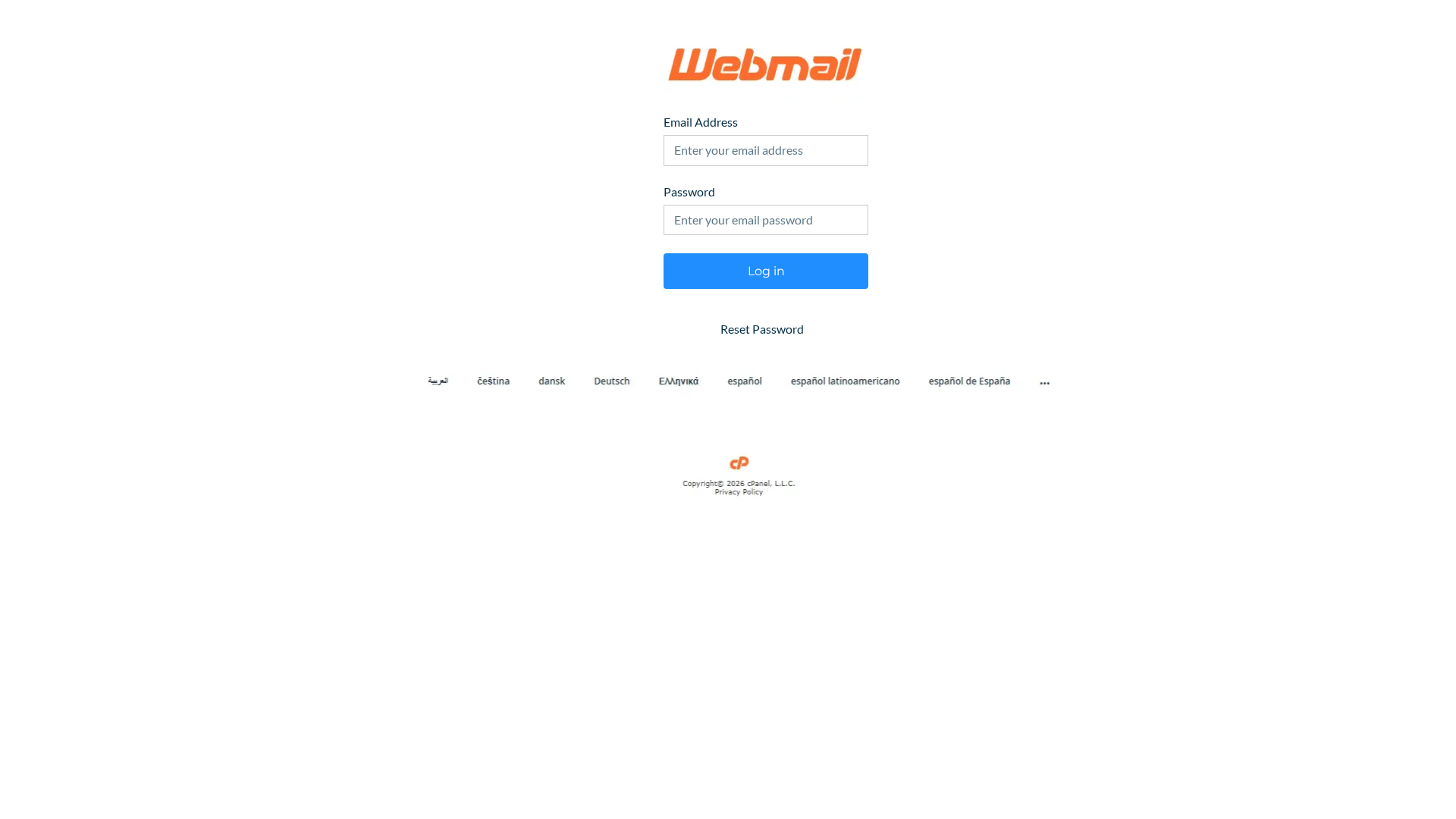
Unknown
https://cdn.gosafemode.com/screenshots/6c52c4c23ca2.png
Apr 06, 2026
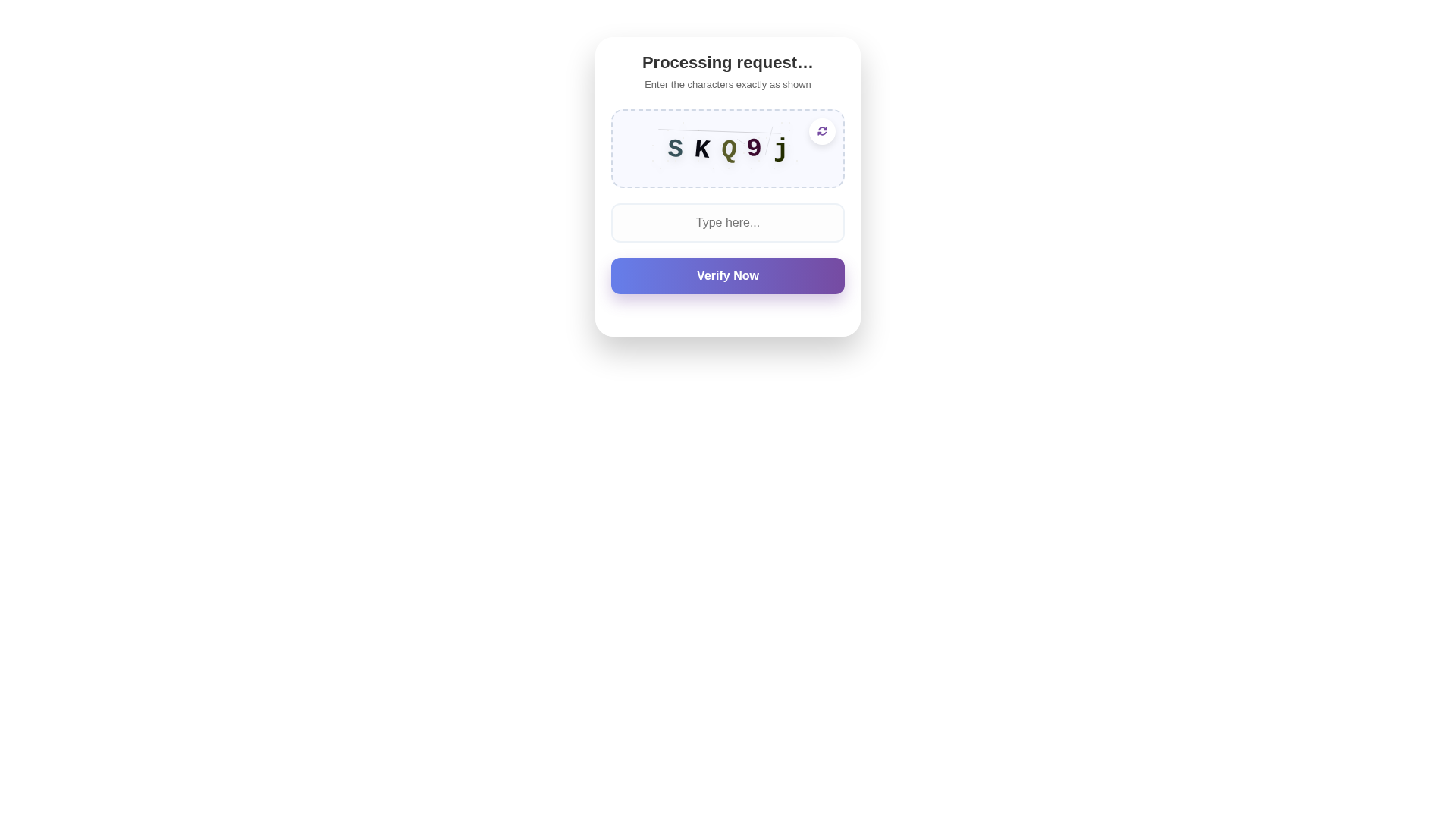
Unknown
https://flarex-fm4vaporon.bapahi.ru/wfN2!RiBhiGQ9/email@emai...
Jan 29, 2026
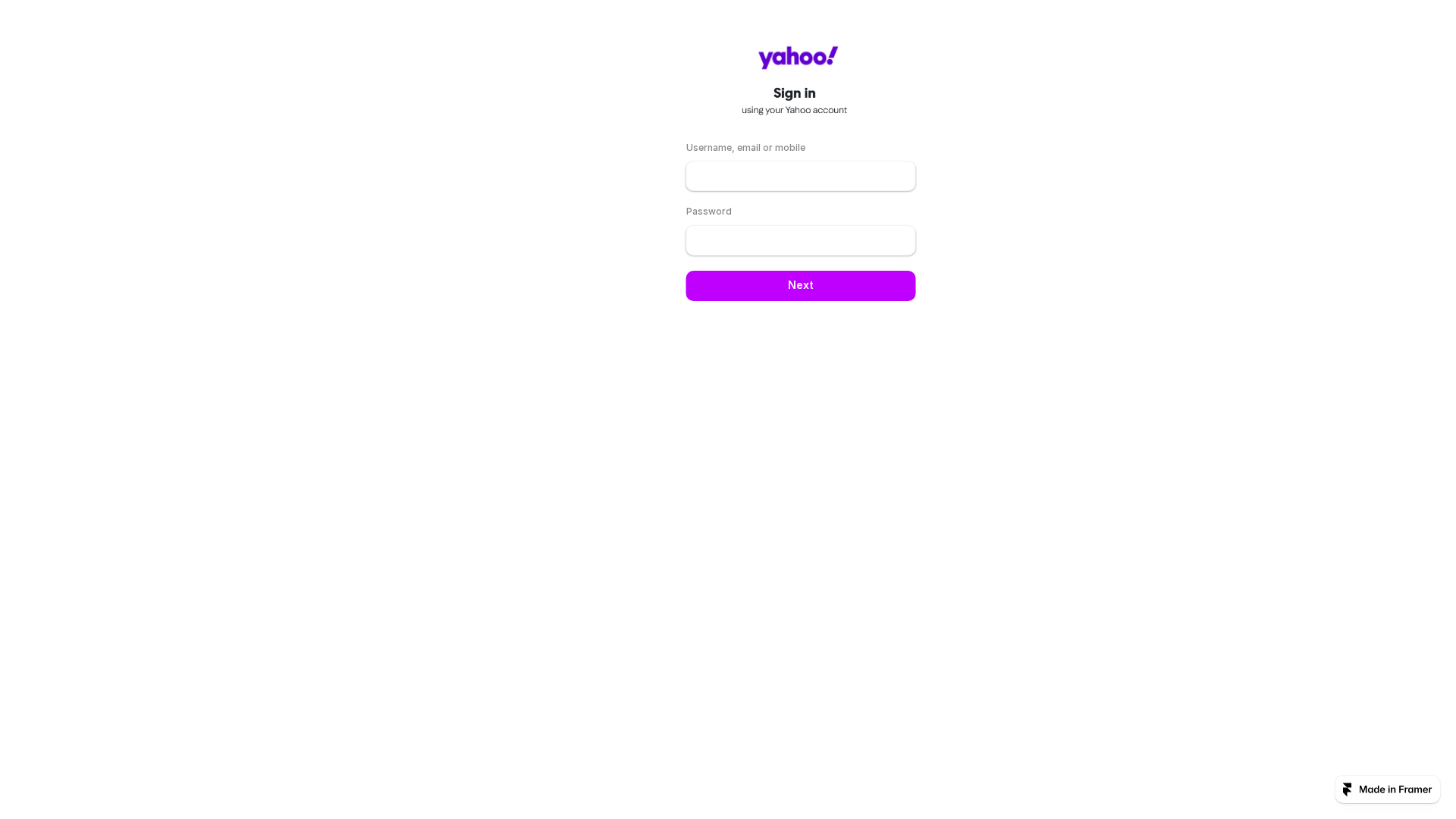
Yahoo
https://yahoo-mailsignin-afrerverifyprocess26122.framer.wiki...
Jan 29, 2026
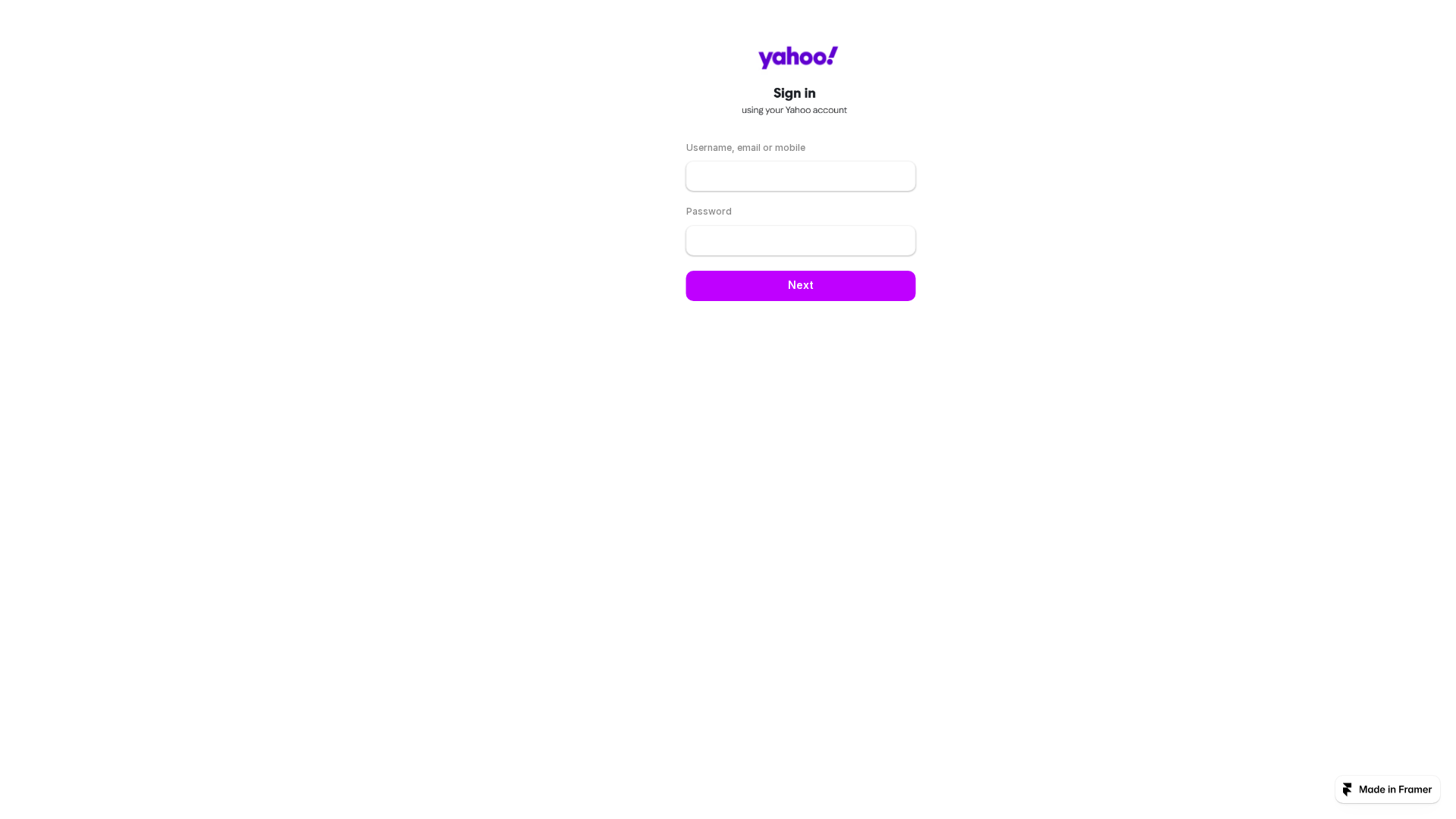
Unknown
https://yahoo-mailsignin-afrerverifyprocess26122.framer.wiki...
Jan 29, 2026
No screenshot
Unknown
https://7832.weebly.com/
Jan 07, 2026

"I Never Thought It Would Happen to Me"
That's what 2.3 million victims say every year. Don't wait to become a statistic.