
Phishing Analysis
Detailed analysis of captured phishing page
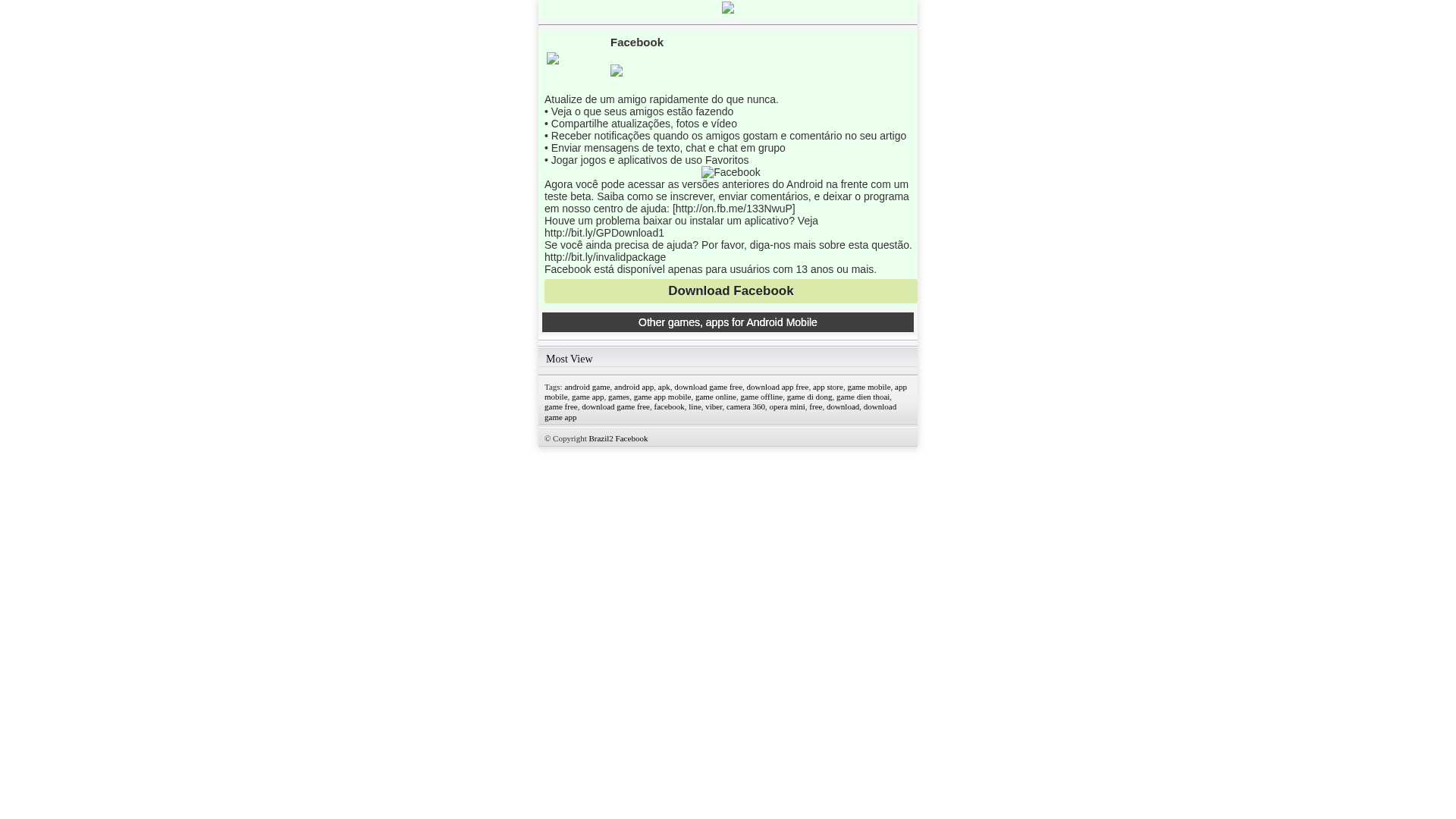
Visual Capture
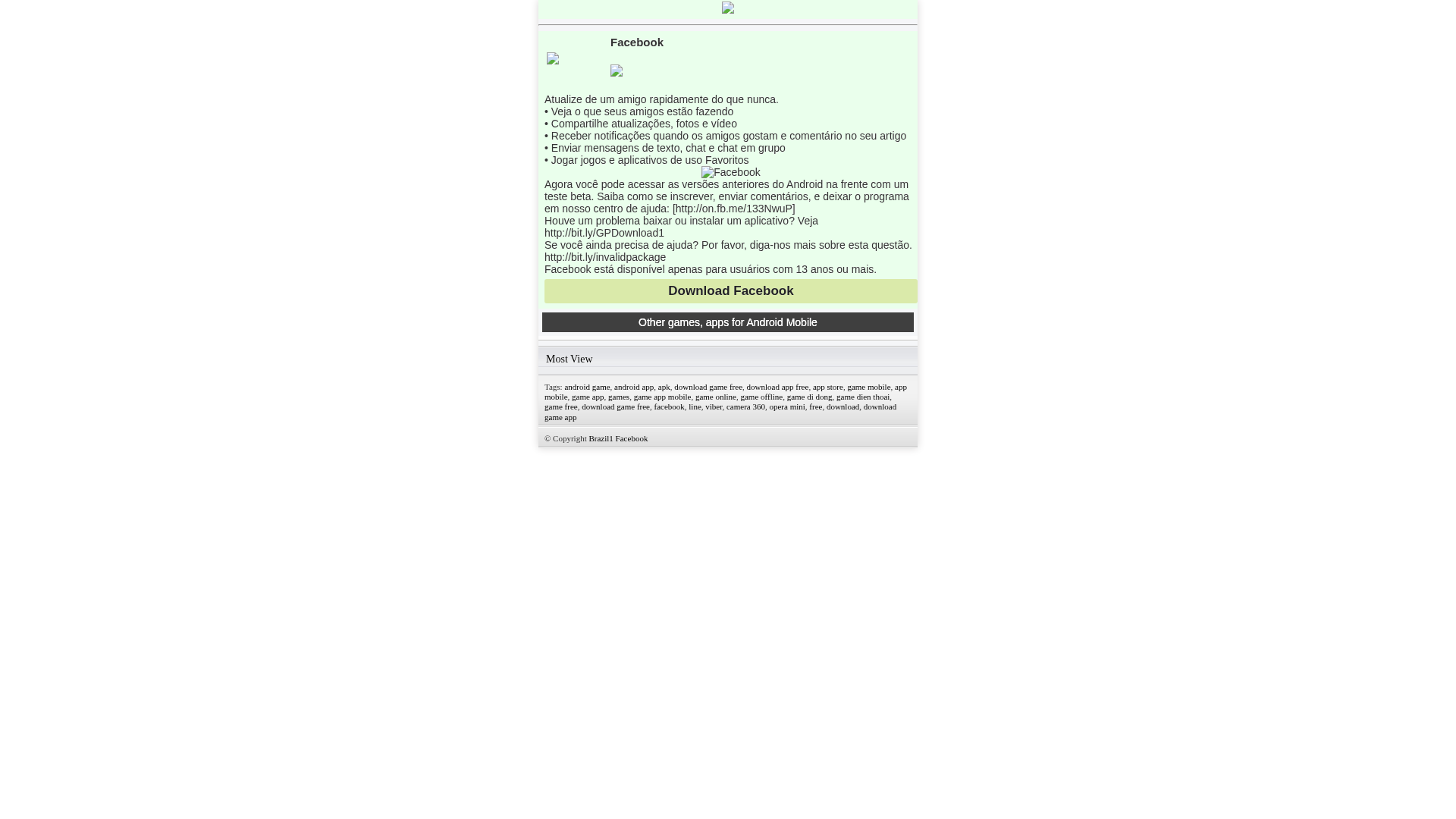
Detection Info
https://www.bra1-facebook.blogspot.com/
Detected Brand
Facebook
Country
Unknown
Confidence
100%
HTTP Status
200
Report ID
14ed0714-7b3…
Analyzed
2026-07-11 10:17
Final URL (after redirects)
https://bra1-facebook.blogspot.com/
Content Hashes (HTML Similarity)
Used to detect similar phishing pages based on HTML content
| Algorithm | Hash Value |
|---|---|
|
CONTENT
TLSH
|
T1C4E1A97B5142F81A1AF2C2B8FA60B71CED878A86D2435E4551F48F5F6AC0FE1C80176E |
|
CONTENT
ssdeep
|
96:HxZeXj8QBPzeCvqYI7BsSI+luYIv+f9pJyEIjzB8uT4I2v6IvoxVhFv1odLp:HxZeXjFxniucluf+DJy20dHxiLp |
Visual Hashes (Screenshot Similarity)
Used to detect visually similar phishing pages based on screenshots
| Algorithm | Hash Value |
|---|---|
|
VISUAL
pHash
|
b33399cc6466cccc |
|
VISUAL
aHash
|
e7e7c7c3e7ffffff |
|
VISUAL
dHash
|
0c0c4c4d0c000800 |
|
VISUAL
wHash
|
c0c0c0c0c0fcfcfc |
|
VISUAL
colorHash
|
07040006000 |
|
VISUAL
cropResistant
|
0c0c4c4d0c000800 |
Code Analysis
Risk Score
85/100
Threat Level
ALTO
⚠️ Phishing Confirmed
🎣 Credential Harvester
🎣 OTP Stealer
🎣 Personal Info
🔒 Obfuscation Detected
- eval
- fromCharCode
- unescape
- document.write
- hex_escape
- unicode_escape
🎯 Kit Endpoints
- https://www.blogger.com/feeds/7564327035113072076/posts/default
- https://lh3.googleusercontent.com/blogger_img_proxy/AEn0k_vkUfvLa3syAsDcf4Y0B0NG2aCcO79EIX6wimlN4V8Dbn4vrV2aVr7VF_-Tg2AEShRZeQ8q_A1fi8wVjQQNLeY_MKqWkSH4cOSvcjUcj7zL6QOWRhMc11c=s0-d
- https://www.blogger.com/navbar/7564327035113072076?origin=https://bra1-facebook.blogspot.com&usegapi=1&jsh=m%3B%2F_%2Fscs%2Fabc-static%2F_%2Fjs%2Fk%3Dgapi.lb.en.9vdPKhB0RUg.O%2Fd%3D1%2Frs%3DAHpOoo97anj7zZ432JcN58tqJJp_A6WeOw%2Fm%3D__features__#id=navbar-iframe&_gfid=navbar-iframe&parent=https%3A%2F%2Fbra1-facebook.blogspot.com&pfname=&rpctoken=26751304
- https://www.blogger.com/profile/08074937417757508079
- http://bra1-facebook.blogspot.com/
- https://bra1-facebook.blogspot.com/
- https://lh3.googleusercontent.com/blogger_img_proxy/AEn0k_uGoh72h-jL_sEZ9QrTO0GtBOhbO0ZQtk825Kbu5ksu3RcH1Hdi_ibaCXufAjkNftLuIH4fz2LGlzqaXiem7gFE9ILJP47KtM1Aar4W15EpAZob5BRZjvupN90QXg=s0-d
- https://www.blogger.com/dyn-css/authorization.css?targetBlogID=7564327035113072076&zx=dfe4b4b0-362f-4e57-8128-c4d568fbdaf9
- https://lh3.googleusercontent.com/blogger_img_proxy/AEn0k_u5uA5mUbF_4kDmzkydaLiOMPhCSn9AUu019XE_wsIMwhhDljIvy7fWio1jkV8ByMNTYZwQv65Cve4QrdqBubCevWYQcjBj859j4qmBu3WFKXHj2Uv85JuRxSsGPR2osKk9IQv_geOJsWdu=s0-d
- https://bra1-facebook.blogspot.com/feeds/posts/default?alt=rss
- https://bra1-facebook.blogspot.com/feeds/posts/default
- https://lh3.googleusercontent.com/blogger_img_proxy/AEn0k_sGCfALvHqDfZexImc_Tl94THbcRMmg_9GdHReHzWMFVVowpD3nqKzi5pe2fdaYcAhxv-6ddhUtA5kPTyb43tyqzrLhBiqsg7tNszXgWterNsU=s0-d
📡 API Calls Detected
- post
📊 Risk Score Breakdown
Total Risk Score
100/100
Contributing Factors
Active Phishing Kit
Detected kit types: Credential Harvester, OTP Stealer, Personal Info
Code Obfuscation
JavaScript code obfuscated using 28 technique(s) to evade detection
🔬 Comprehensive Threat Analysis
Threat Type
Two-Factor Authentication Stealer
Target
Facebook users
Attack Method
obfuscated JavaScript
Exfiltration Channel
Form submission (backend endpoint not detected - likely JavaScript-based)
Risk Assessment
CRITICAL - Automated credential harvesting with Form submission (backend endpoint not detected - likely JavaScript-based)
⚠️ Indicators of Compromise
- Kit types: Credential Harvester, OTP Stealer, Personal Info
- 28 obfuscation techniques
🏢 Brand Impersonation Analysis
Impersonated Brand
Facebook
Official Website
https://www.facebook.com
Fake Service
Credential harvesting service
⚔️ Attack Methodology
Primary Method: Credential Harvesting
Victim enters username and password into fake login form. Credentials are captured via JavaScript and exfiltrated to attacker's server in real-time.
Secondary Method: JavaScript Obfuscation
Malicious code is obfuscated using 28 techniques to evade detection by security scanners and make reverse engineering more difficult.
🌐 Infrastructure Indicators of Compromise
Domain Information
Domain
www.bra1-facebook.blogspot.com
Registered
Unknown
Registrar
None
Status
Age unknown
Hosting Information
Provider
Unknown
ASN
🤖 AI-Extracted Threat Intelligence
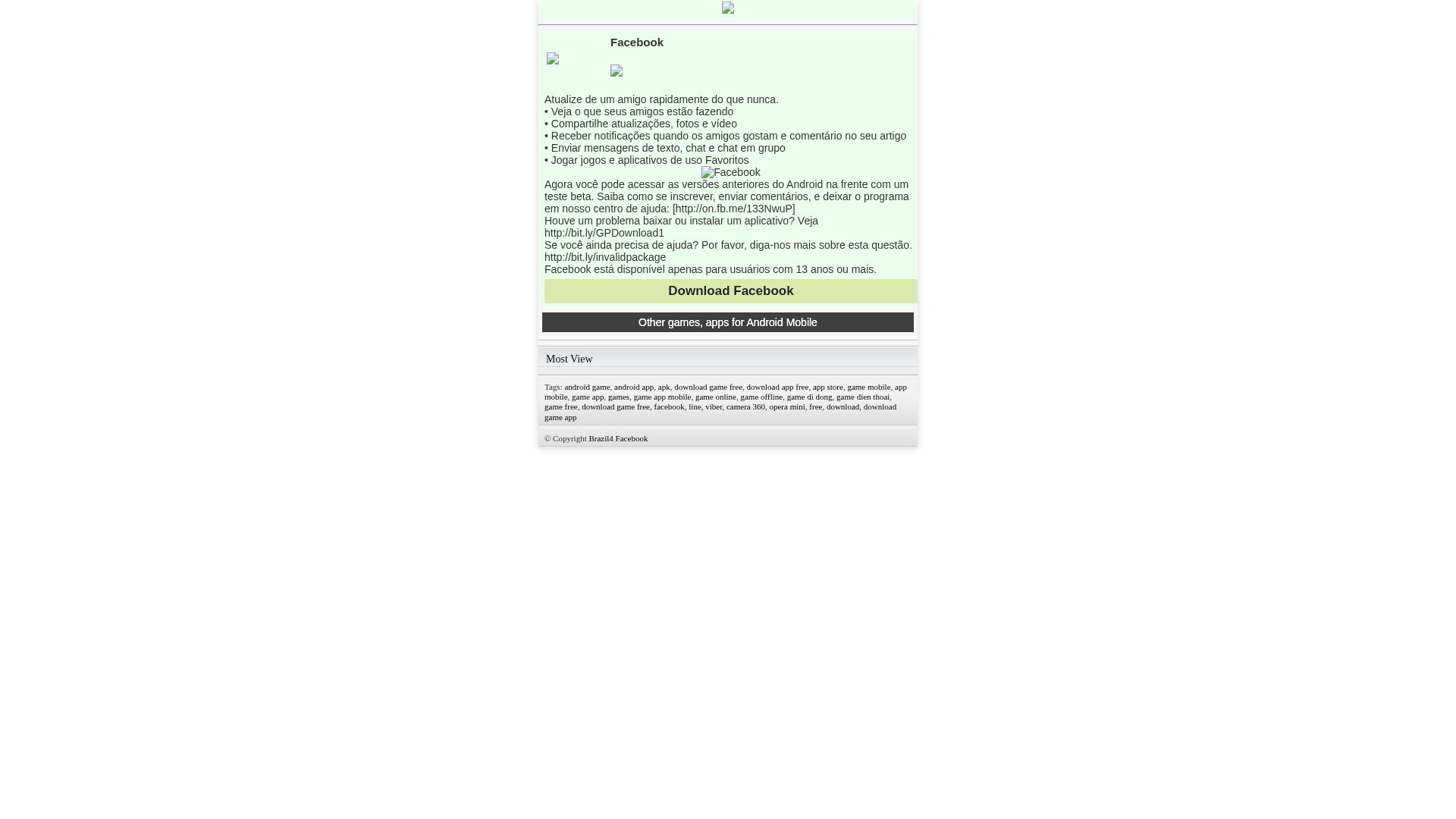
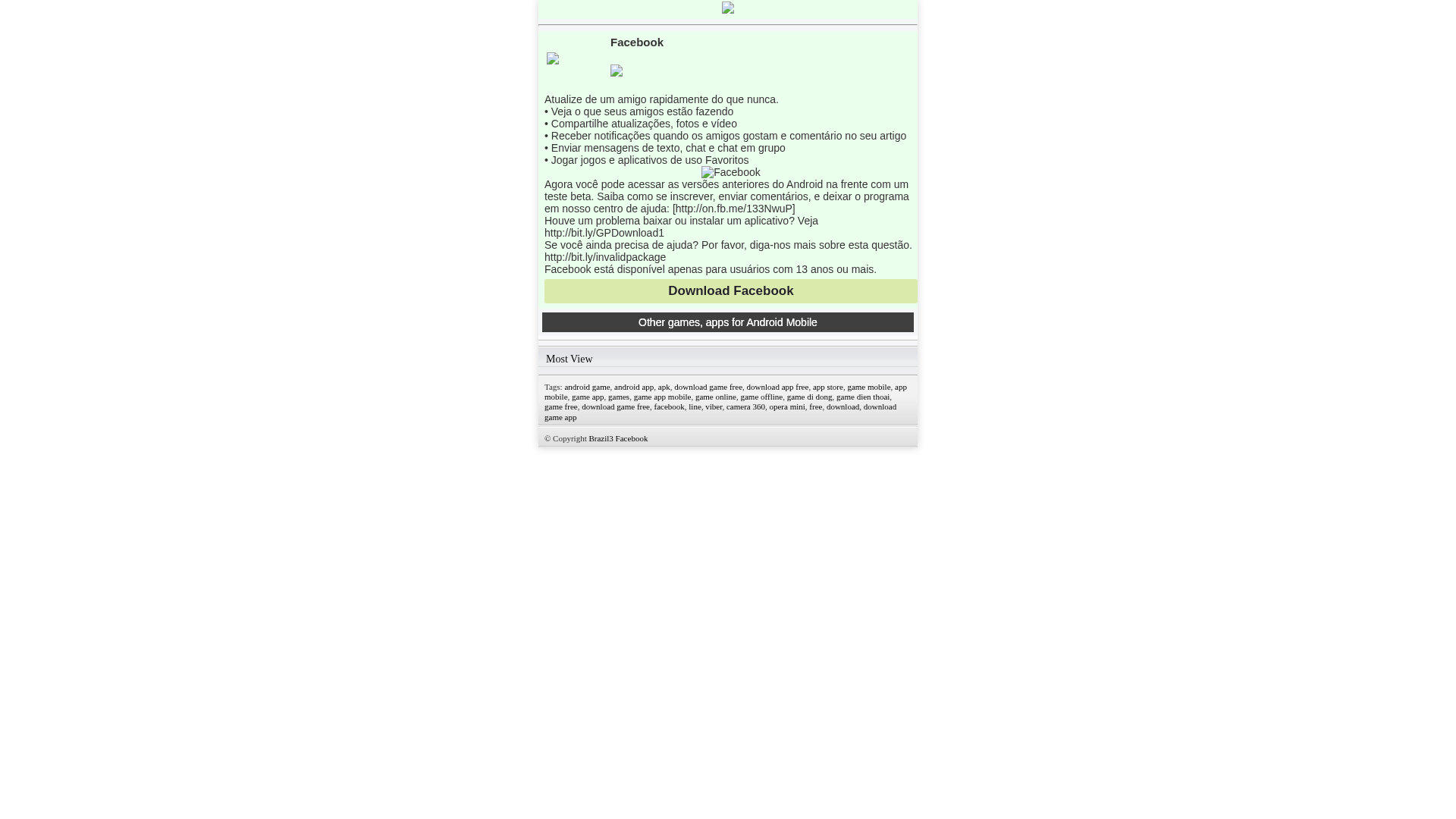
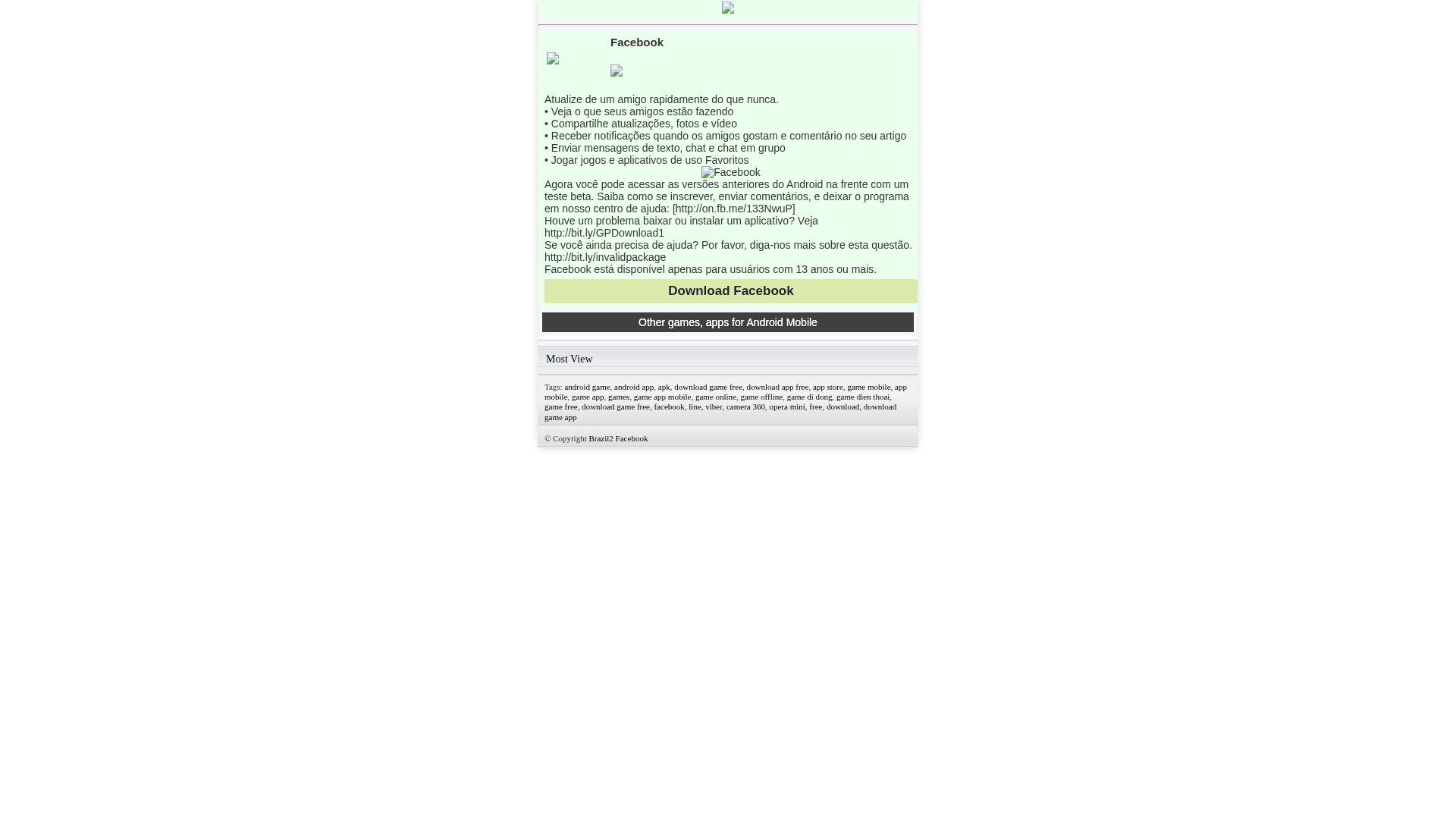
Similar Websites
Pages with identical visual appearance (based on perceptual hash)

"I Never Thought It Would Happen to Me"
That's what 2.3 million victims say every year. Don't wait to become a statistic.