
Phishing Analysis
Detailed analysis of captured phishing page
Visual Capture
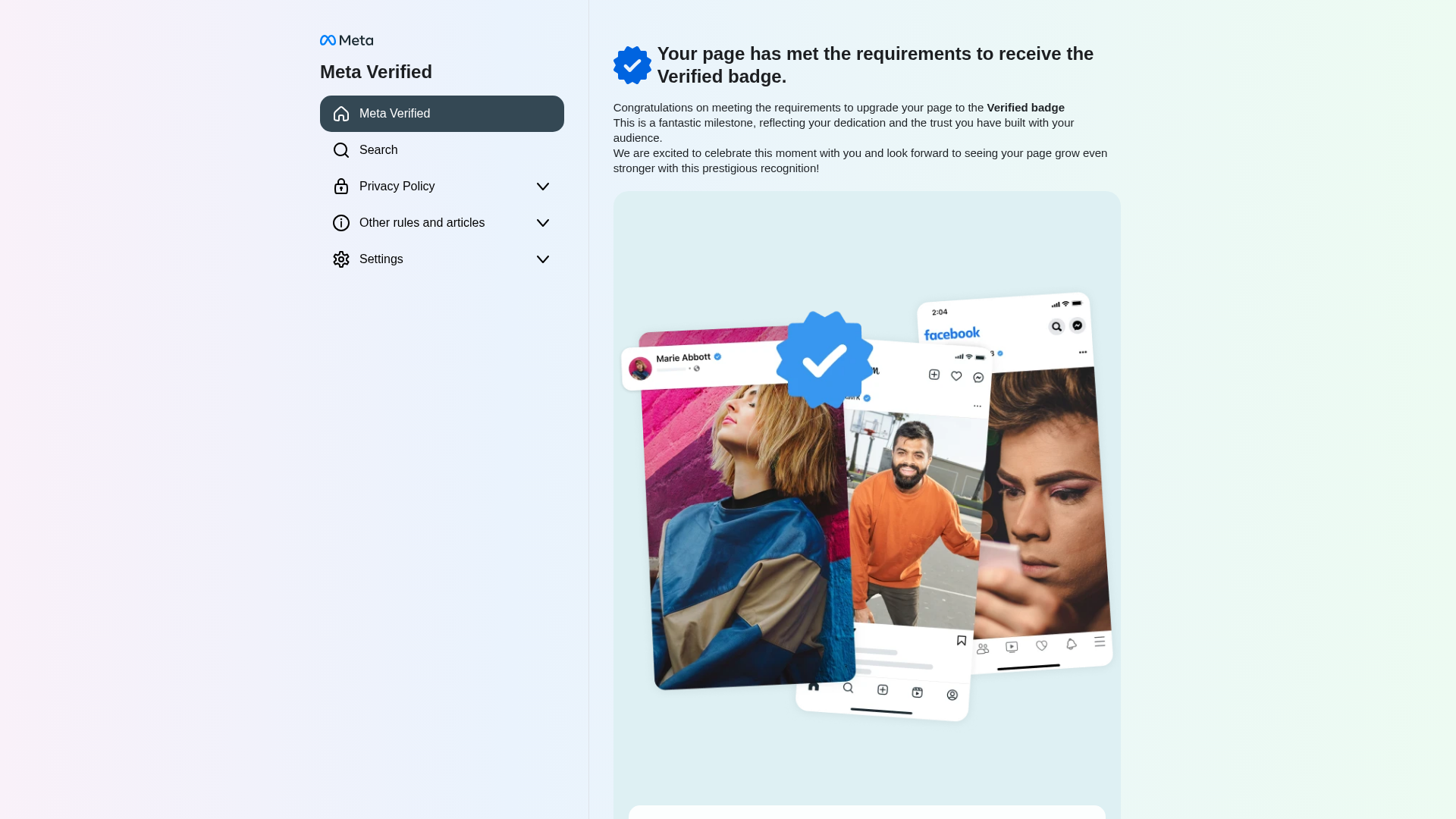
Detection Info
http://135.148.61.188/required.html
Detected Brand
Meta
Country
International
Confidence
100%
HTTP Status
200
Report ID
20079573-37b…
Analyzed
2025-12-27 10:31
Content Hashes (HTML Similarity)
Used to detect similar phishing pages based on HTML content
| Algorithm | Hash Value |
|---|---|
|
CONTENT
TLSH
|
T1F27384B1521DA6BE41C7C2E897770B5A33A9C6D4E723012466FC93B80FEBC96DE27150 |
|
CONTENT
ssdeep
|
1536:uyRkLFAYNbXIoY8MxXNQpfmpqC6XE2Qjxmp1o7x:uYE6MrIo3MxXNQpfml6XEVjxmHo7x |
Visual Hashes (Screenshot Similarity)
Used to detect visually similar phishing pages based on screenshots
| Algorithm | Hash Value |
|---|---|
|
VISUAL
pHash
|
e6989866d992c5c7 |
|
VISUAL
aHash
|
c7cfffe3e3e1e3ff |
|
VISUAL
dHash
|
3e3e2c0b4e4f4f12 |
|
VISUAL
wHash
|
838383e3e1e1e3e3 |
Code Analysis
Risk Score
70/100
Threat Level
CRITICAL
⚠️ Phishing Confirmed
🎣 Credential Harvester
🎣 OTP Stealer
🎣 Banking
🎣 Personal Info
🔬 Threat Analysis Report
• Threat: Brand impersonation phishing
• Target: Meta users
• Method: Displaying fake 'Meta Verified' badge message with non-Meta URL
• Exfil: Unknown, likely attempts to deceive users into taking actions on the fake page.
• Indicators: IP address domain, Meta logo and branding mismatch.
• Risk: HIGH - Users could be tricked into providing information or performing actions on a fake site.
Similar Websites
Pages with identical visual appearance (based on perceptual hash)
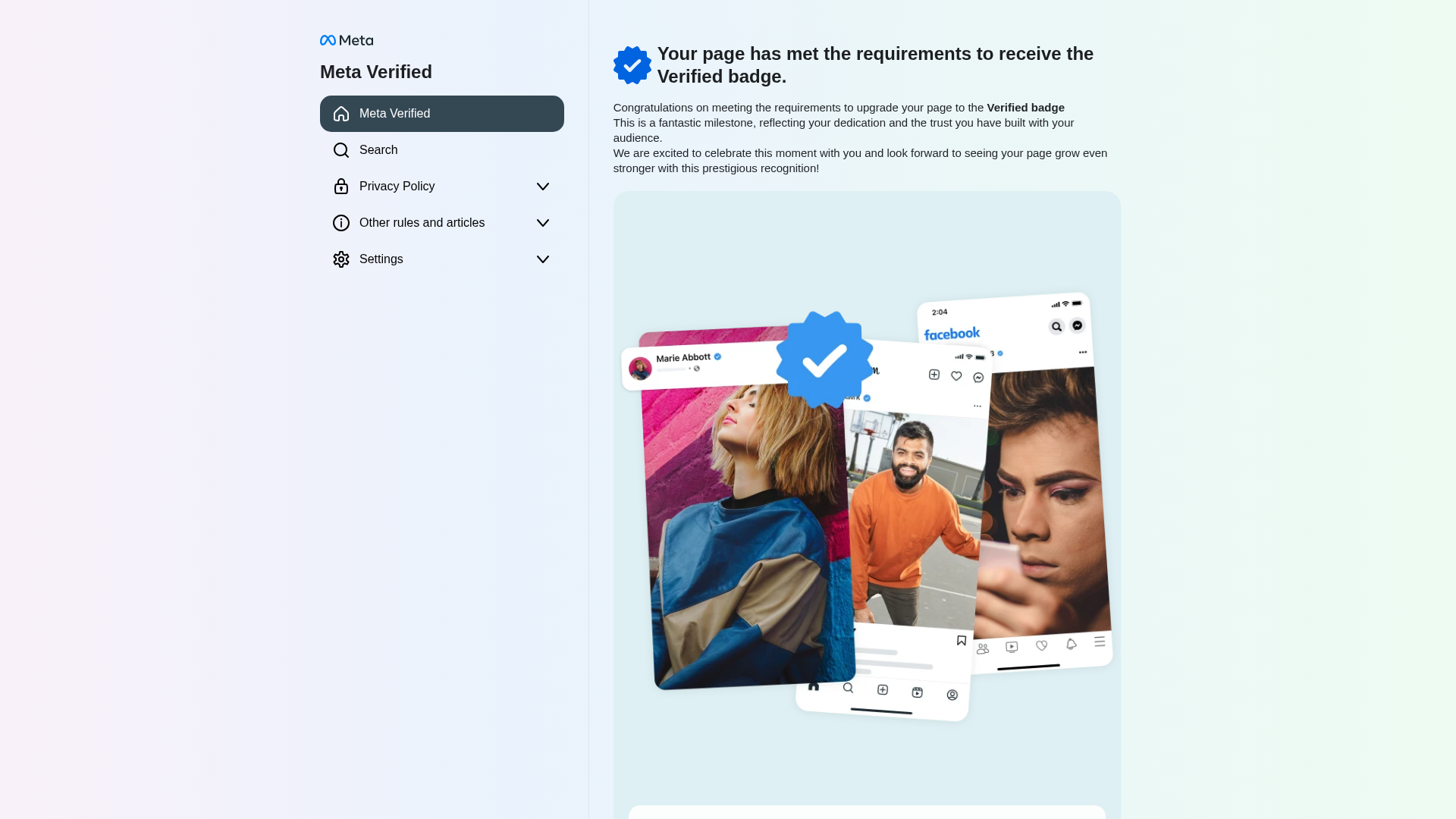
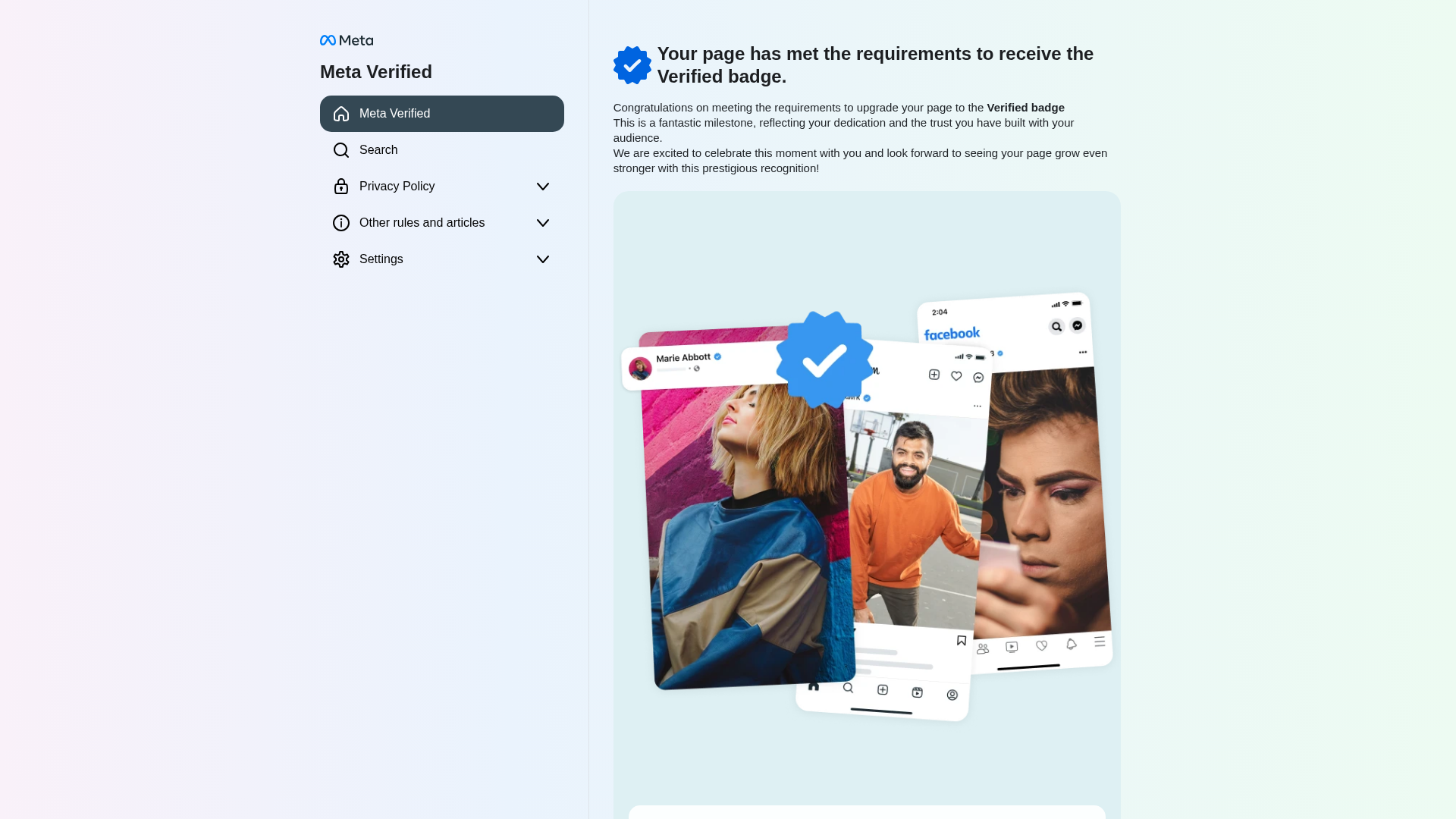

"I Never Thought It Would Happen to Me"
That's what 2.3 million victims say every year. Don't wait to become a statistic.