
Phishing Analysis
Detailed analysis of captured phishing page
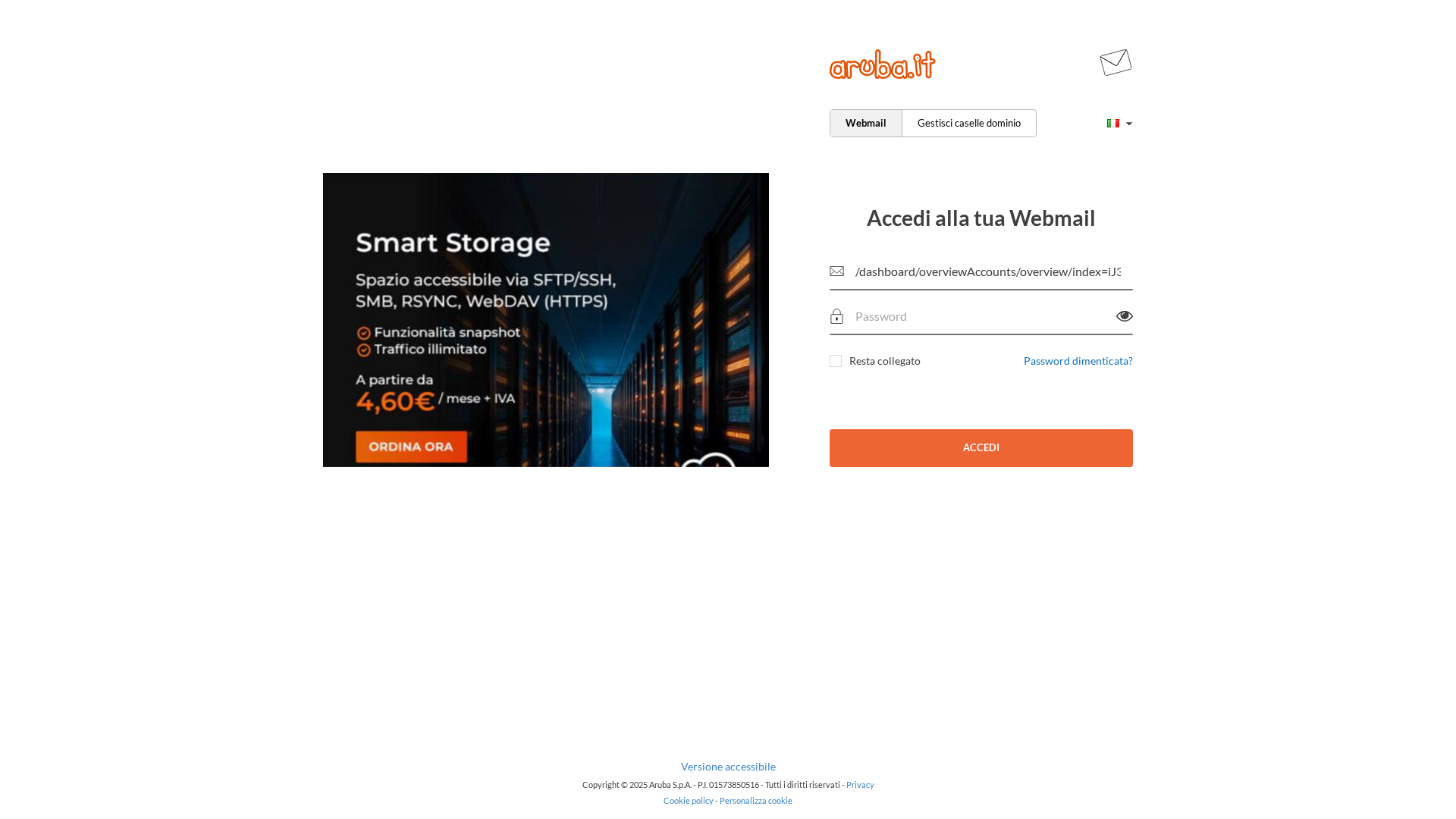
Visual Capture
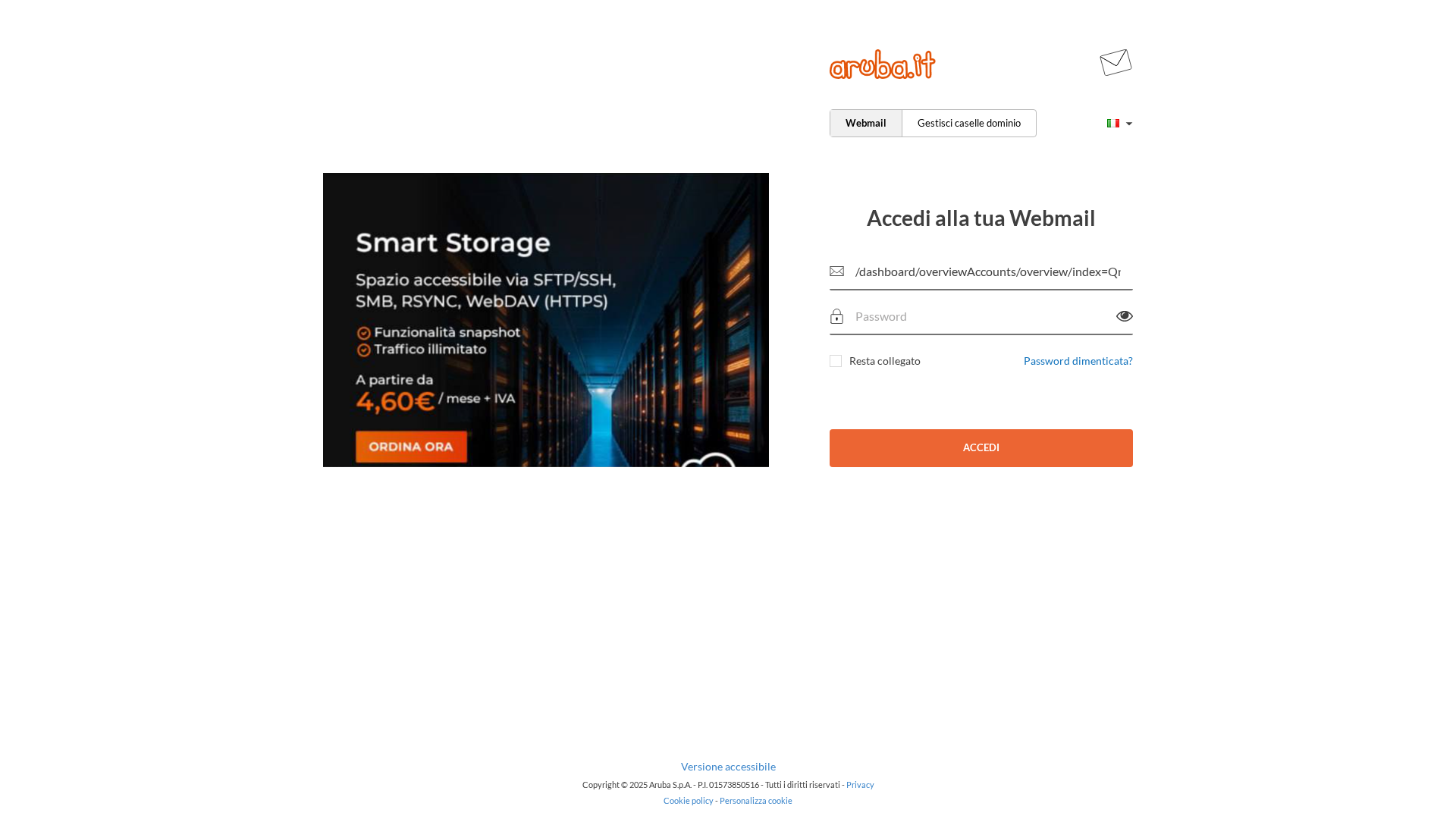
Detection Info
https://nscapp.com.ng/data/load/gggg/arubaaufix/web/authen.php?web/auth/arub12#/dashboard/overviewAccounts/overview/index=Qrpwn0rTDEUVjmY43gWwFym8EHkPrKFXjM8LImPRSAMXYwMAVAbdUCH2Xha8cdoOrQmTapqCENZoOkjl
Detected Brand
Aruba.it
Country
International
Confidence
95%
HTTP Status
200
Report ID
27345d16-e0b…
Analyzed
2026-02-28 07:12
Content Hashes (HTML Similarity)
Used to detect similar phishing pages based on HTML content
| Algorithm | Hash Value |
|---|---|
|
CONTENT
TLSH
|
T149B1633021218FB71697D7E07A10FF9971CAA382DB138E04D2F89A6A1FC7D85CC916B1 |
|
CONTENT
ssdeep
|
96:TqYMKIj3VME5kFgwwd/6kmxj6F0OzqfRTu2gX+8sPwK3vi:uYMKIrOExm3a |
Visual Hashes (Screenshot Similarity)
Used to detect visually similar phishing pages based on screenshots
| Algorithm | Hash Value |
|---|---|
|
VISUAL
pHash
|
b838c6cf3832c739 |
|
VISUAL
aHash
|
ffcf8787c3ffffff |
|
VISUAL
dHash
|
051e1a1b1b001a0c |
|
VISUAL
wHash
|
f080808000323820 |
|
VISUAL
colorHash
|
07000030040 |
|
VISUAL
cropResistant
|
051e1a1b1b001a0c,18a4a1b9c989899b |
Code Analysis
Risk Score
53/100
Threat Level
ALTO
⚠️ Phishing Confirmed
🎣 Credential Harvester
🔬 Threat Analysis Report
• Threat: Phishing
• Target: Aruba.it customers
• Method: Impersonation through a fake login page.
• Exfil: ../next.php (likely credential harvesting)
• Indicators: Domain mismatch, login form.
• Risk: HIGH
🔐 Credential Harvesting Forms
🔒 Obfuscation Detected
- fromCharCode
📤 Form Action Targets
- ../next.php
📊 Risk Score Breakdown
Total Risk Score
90/100
Contributing Factors
Domain Mismatch
The domain does not belong to the target brand.
Form with sensitive fields
The website has a login form requesting credentials
Obfuscation Detected
JavaScript code is obfuscated
Form Action points to a suspicious file (next.php)
The form action points to an unusual file
🔬 Comprehensive Threat Analysis
Threat Type
Credential Harvesting Kit
Target
Aruba.it users (International)
Attack Method
Brand impersonation + credential harvesting forms + obfuscated JavaScript
Exfiltration Channel
HTTP POST to backend
Risk Assessment
MEDIUM - Automated credential harvesting with HTTP POST to backend
⚠️ Indicators of Compromise
- Kit types: Credential Harvester
- 2 obfuscation techniques
🏢 Brand Impersonation Analysis
Impersonated Brand
Aruba.it
Official Website
https://www.aruba.it/
Fake Service
Webmail Login
⚔️ Attack Methodology
Primary Method: Credential Harvesting
The attacker sets up a fake login page on a different domain. When users enter their credentials, the data is collected and sent to the attacker. The next.php file is designed to exfiltrate the stolen information.
🌐 Infrastructure Indicators of Compromise
Domain Information
Domain
nscapp.com.ng
Registered
Unknown
Registrar
Unknown
Status
Active
🤖 AI-Extracted Threat Intelligence
Similar Websites
Pages with identical visual appearance (based on perceptual hash)
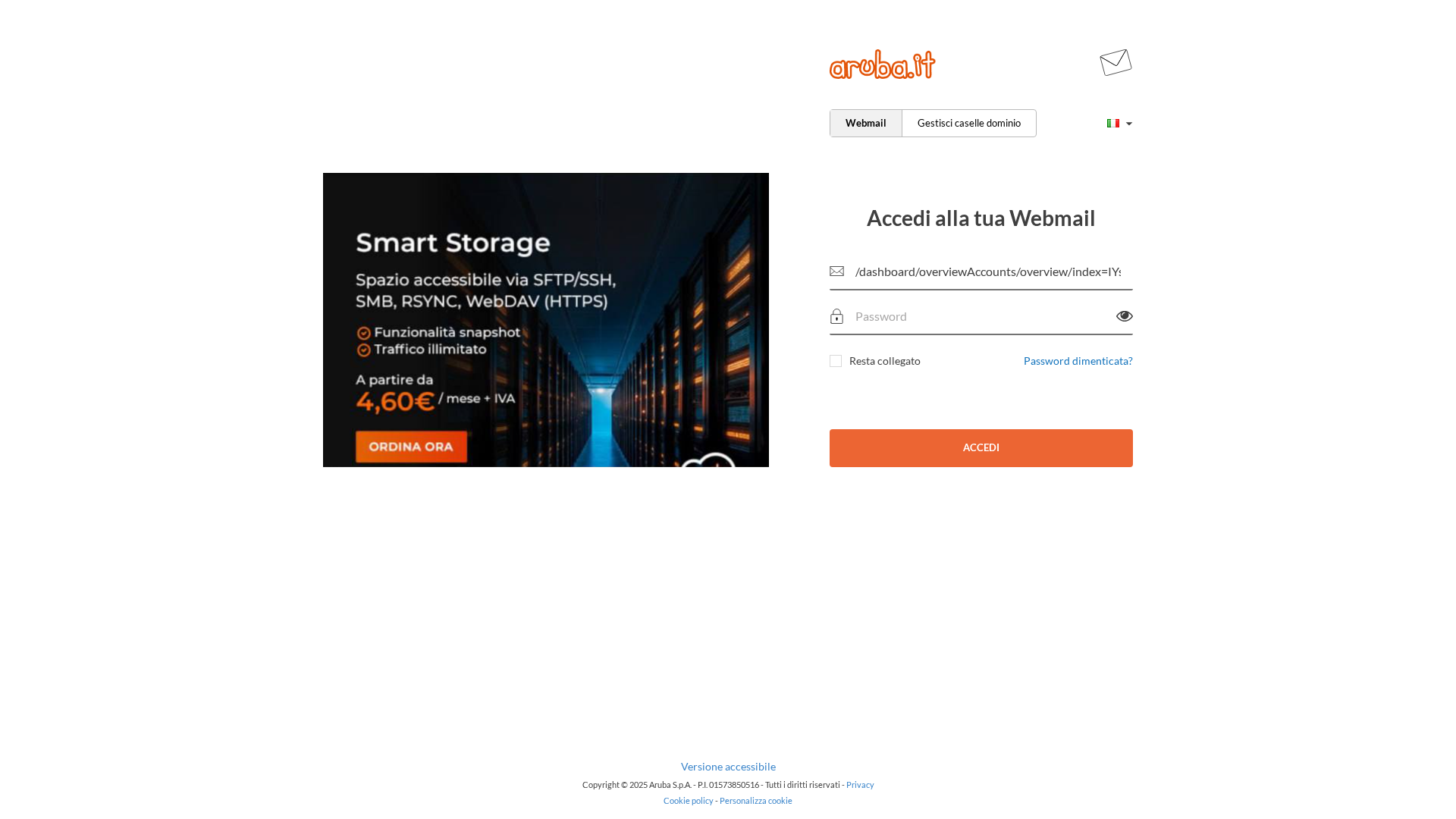
Unknown
https://cdn.gosafemode.com/screenshots/2fe4088c4ddb.png
Jul 03, 2026
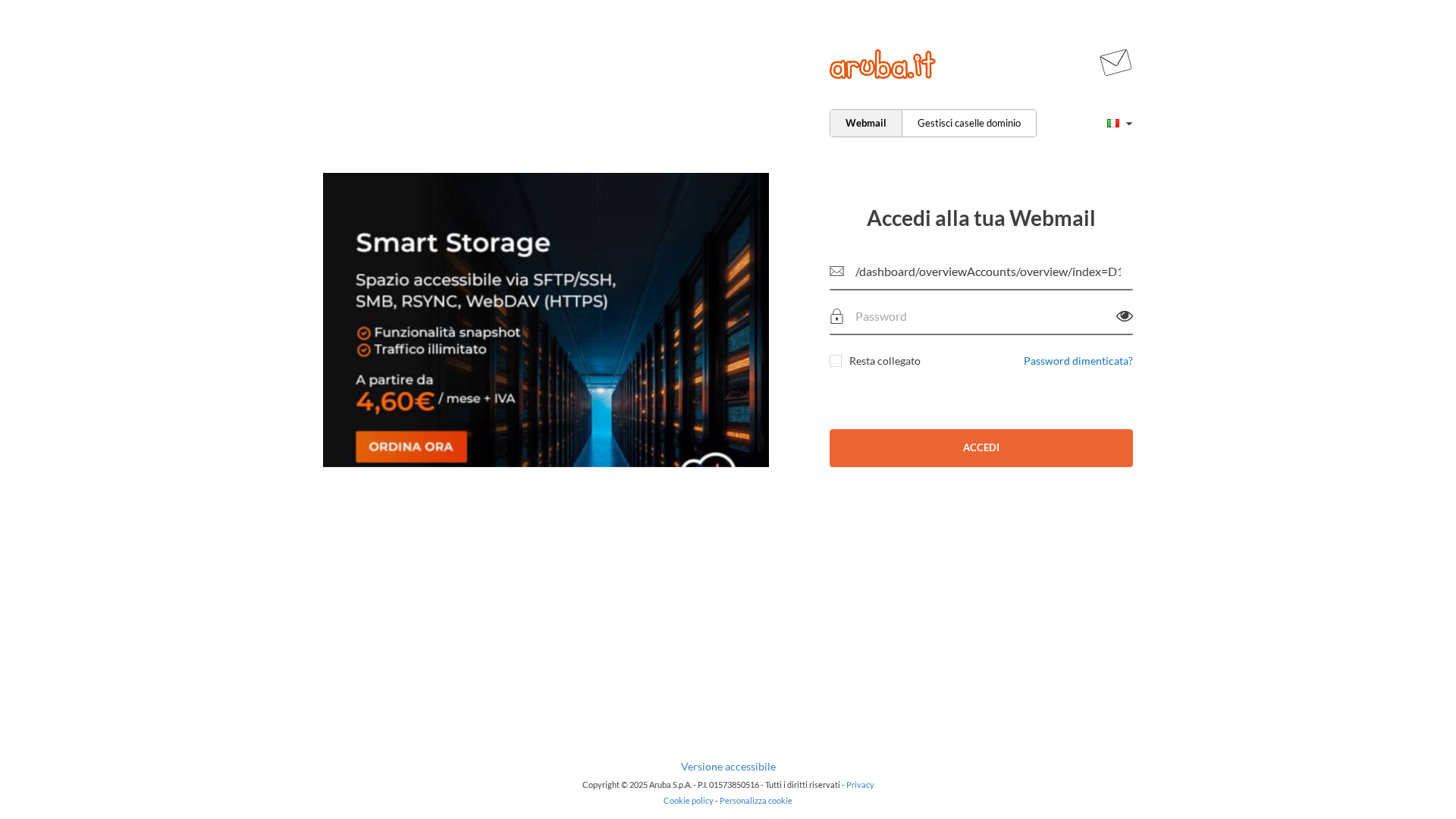
Aruba.it
https://nscapp.com.ng/data/load/gggg/arubaaufix/web/authen.p...
Mar 01, 2026
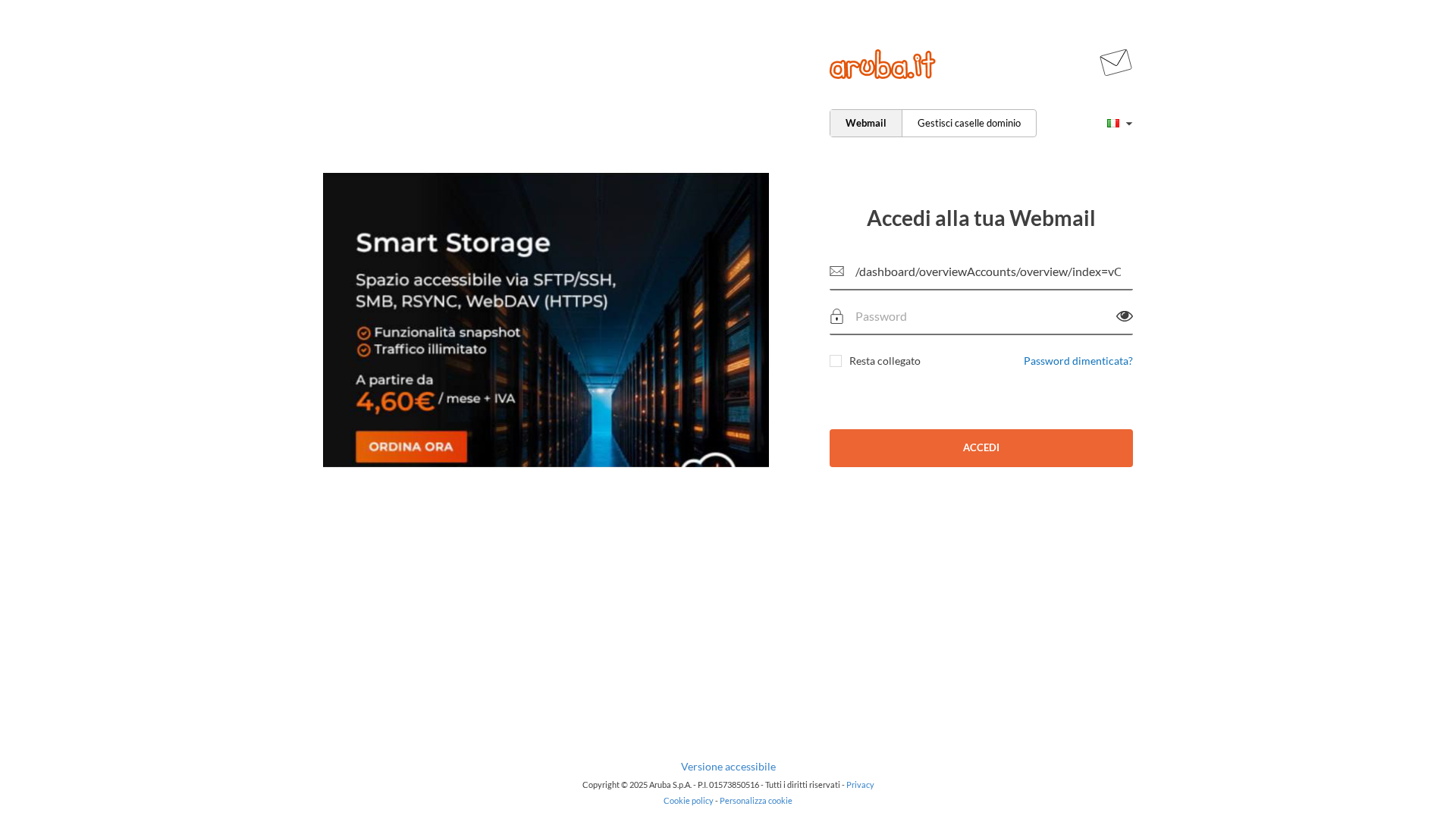
Aruba.it
https://nscapp.com.ng/data/load/gggg/arubaaufix/web/authen.p...
Mar 01, 2026
No screenshot
Aruba.it
https://nscapp.com.ng/data/load/gggg/arubaaufix/web/authen.p...
Feb 27, 2026
Aruba.it
https://nscapp.com.ng/data/load/gggg/arubaaufix/web/authen.p...
Feb 27, 2026
Scan History for nscapp.com.ng
Found 10 other scans for this domain
-
https://nscapp.com.ng/data/load/gggg/arubaaufix/
https://nscapp.com.ng/data/load/gggg/arubaaufix/we...
https://nscapp.com.ng/data/load/gggg/arubaaufix/we...
https://nscapp.com.ng/data/load/gggg/arubaaufix/we...
https://nscapp.com.ng/data/load/gggg/arubaaufix/we...
https://nscapp.com.ng/data/load/gggg/arubaaufix/we...
https://nscapp.com.ng/data/load/gggg/arubaaufix/we...
https://nscapp.com.ng/data/load/gggg/arubaaufix/we...
https://nscapp.com.ng/data/load/gggg/arubaaufix/we...
https://nscapp.com.ng/data/load/gggg/arubaaufix/we...

"I Never Thought It Would Happen to Me"
That's what 2.3 million victims say every year. Don't wait to become a statistic.