
Phishing Analysis
Detailed analysis of captured phishing page
Visual Capture
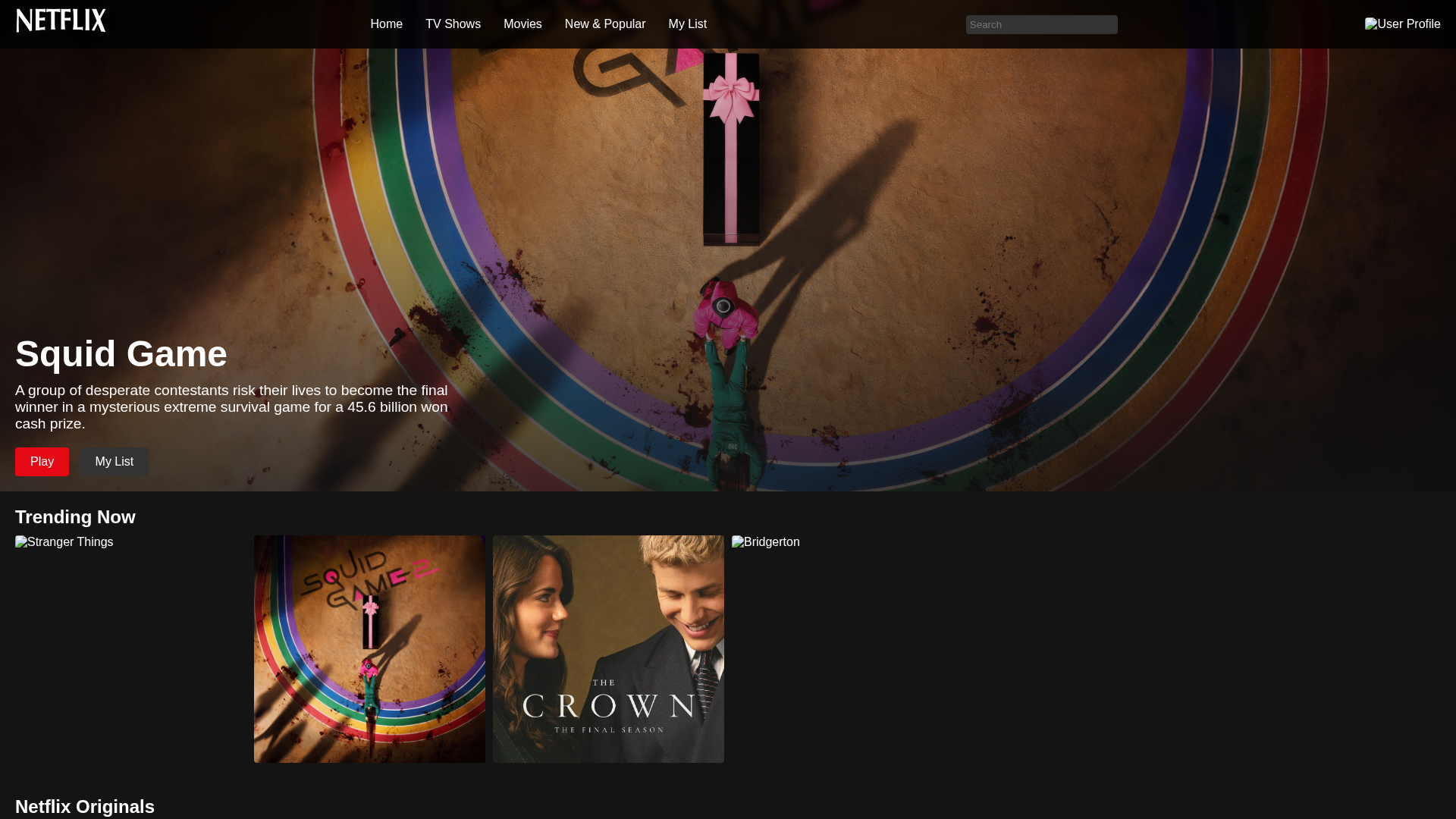
Detection Info
http://omkarkavitake.github.io/stopwatch
Detected Brand
Netflix
Country
International
Confidence
95%
HTTP Status
200
Report ID
27e76c2e-0cf…
Analyzed
2026-02-17 16:25
Final URL (after redirects)
https://omkarkavitake.github.io/stopwatch/
Content Hashes (HTML Similarity)
Used to detect similar phishing pages based on HTML content
| Algorithm | Hash Value |
|---|---|
|
CONTENT
TLSH
|
T13BF19576A2085923069393D8B13613BB3A5192CACA178651A5F45F9FE2FBCF4DC2C784 |
|
CONTENT
ssdeep
|
96:n0nmY8wN2fyxEccsjjWOiS+MDimS+MDiN38zGW6cGDvbM3KIhS+MDiNS+MDiN1L7:Ep3+MDiF+MDip+MDi0+MDi3Ww |
Visual Hashes (Screenshot Similarity)
Used to detect visually similar phishing pages based on screenshots
| Algorithm | Hash Value |
|---|---|
|
VISUAL
pHash
|
c696072e78c13f63 |
|
VISUAL
aHash
|
1c3e7cfcc0307000 |
|
VISUAL
dHash
|
68e8e0902064c4d4 |
|
VISUAL
wHash
|
3c7e7efcf0307040 |
|
VISUAL
colorHash
|
30e00008000 |
|
VISUAL
cropResistant
|
68e8e0902064c4d4 |
Code Analysis
Threat Level
ALTO
⚠️ Phishing Confirmed
🔬 Threat Analysis Report
• Threat: Phishing
• Target: Netflix users
• Method: Impersonation via free hosting.
• Exfil: Unspecified - likely credential theft
• Indicators: Free hosting, brand logo.
• Risk: High
📊 Risk Score Breakdown
Total Risk Score
90/100
Contributing Factors
Free Hosting + Brand Impersonation
This is a classic phishing indicator. Using free hosting with a well-known brand logo is almost always a scam.
🔬 Comprehensive Threat Analysis
Threat Type
Netflix Phishing Landing Page
Target
Netflix users (International)
Attack Method
Brand impersonation
Exfiltration Channel
Form submission (backend endpoint not detected - likely JavaScript-based)
Risk Assessment
LOW - Automated credential harvesting with Form submission (backend endpoint not detected - likely JavaScript-based)
🏢 Brand Impersonation Analysis
Impersonated Brand
Netflix
Official Website
https://www.netflix.com/
Fake Service
Netflix
⚔️ Attack Methodology
Primary Method: Credential Harvesting
The attacker aims to steal Netflix login credentials. By creating a visually similar website, users are tricked into entering their username and password, which the attacker then collects.
Secondary Method: Malware distribution (possible)
While not directly visible, the site could be designed to deliver malware if the user interacts in a certain way, like clicking a malicious link (less likely given the static nature).
🌐 Infrastructure Indicators of Compromise
Domain Information
Domain
omkarkavitake.github.io
Registered
None
Registrar
None
Status
None
🤖 AI-Extracted Threat Intelligence
Similar Websites
Pages with identical visual appearance (based on perceptual hash)
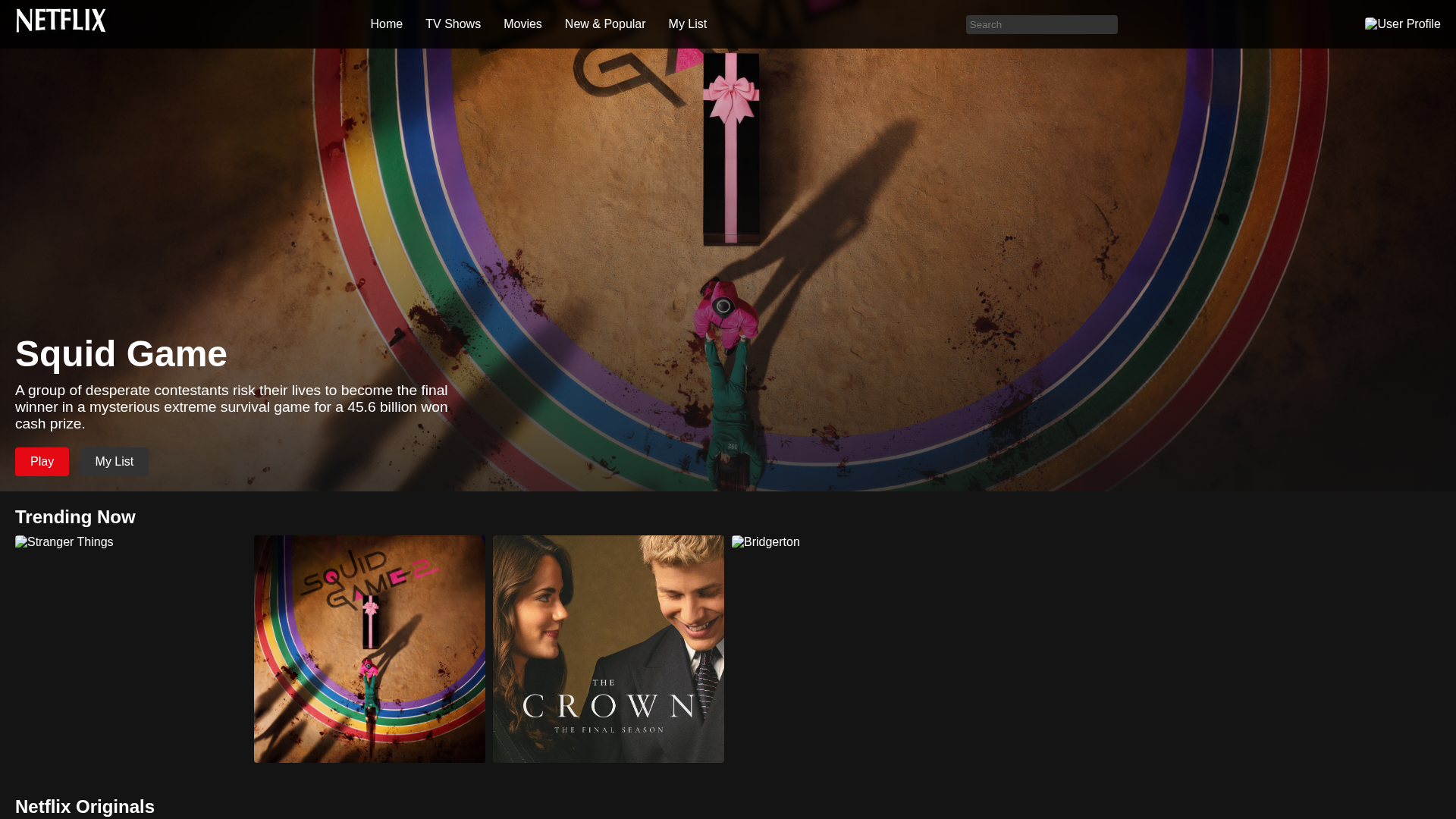
Netflix
https://tanuja-pandarkar.github.io/ansible-nginx-webdeployme...
Jul 25, 2026
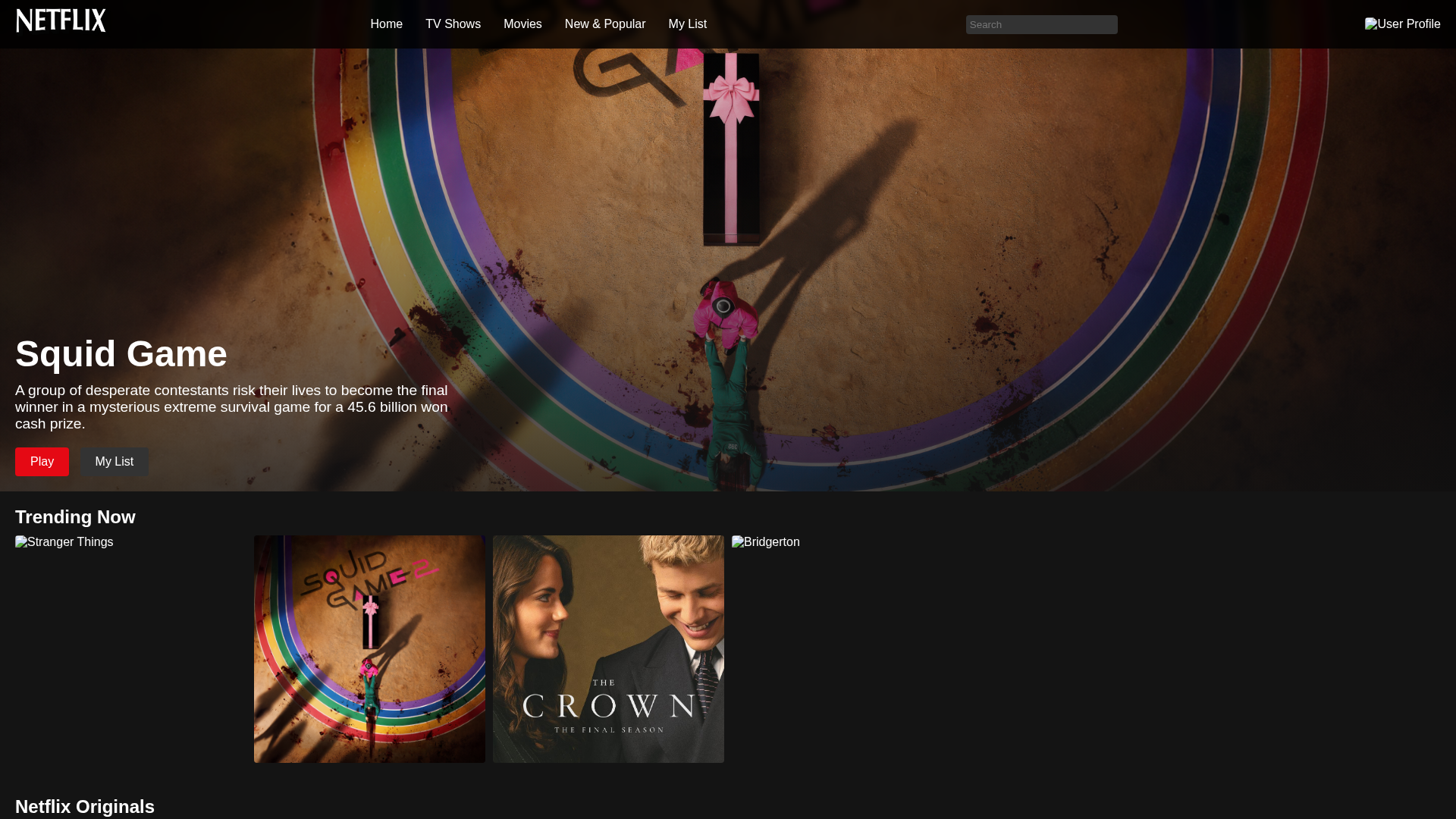
Netflix
https://sumedh0601.github.io/Netflix
Jun 14, 2026
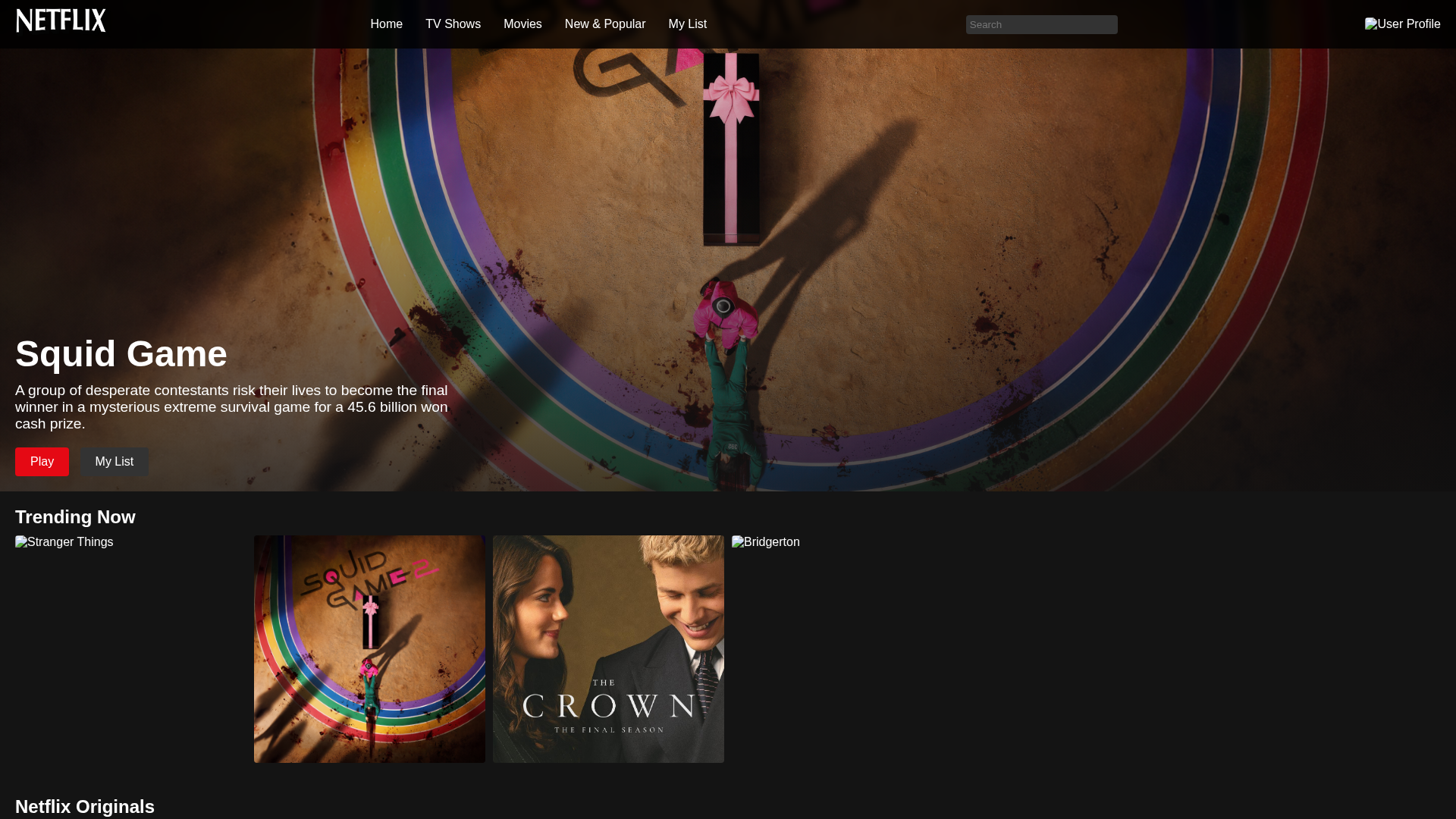
Netflix
https://omkar-dhamdhere.github.io/Netflix-clone/
Jun 06, 2026
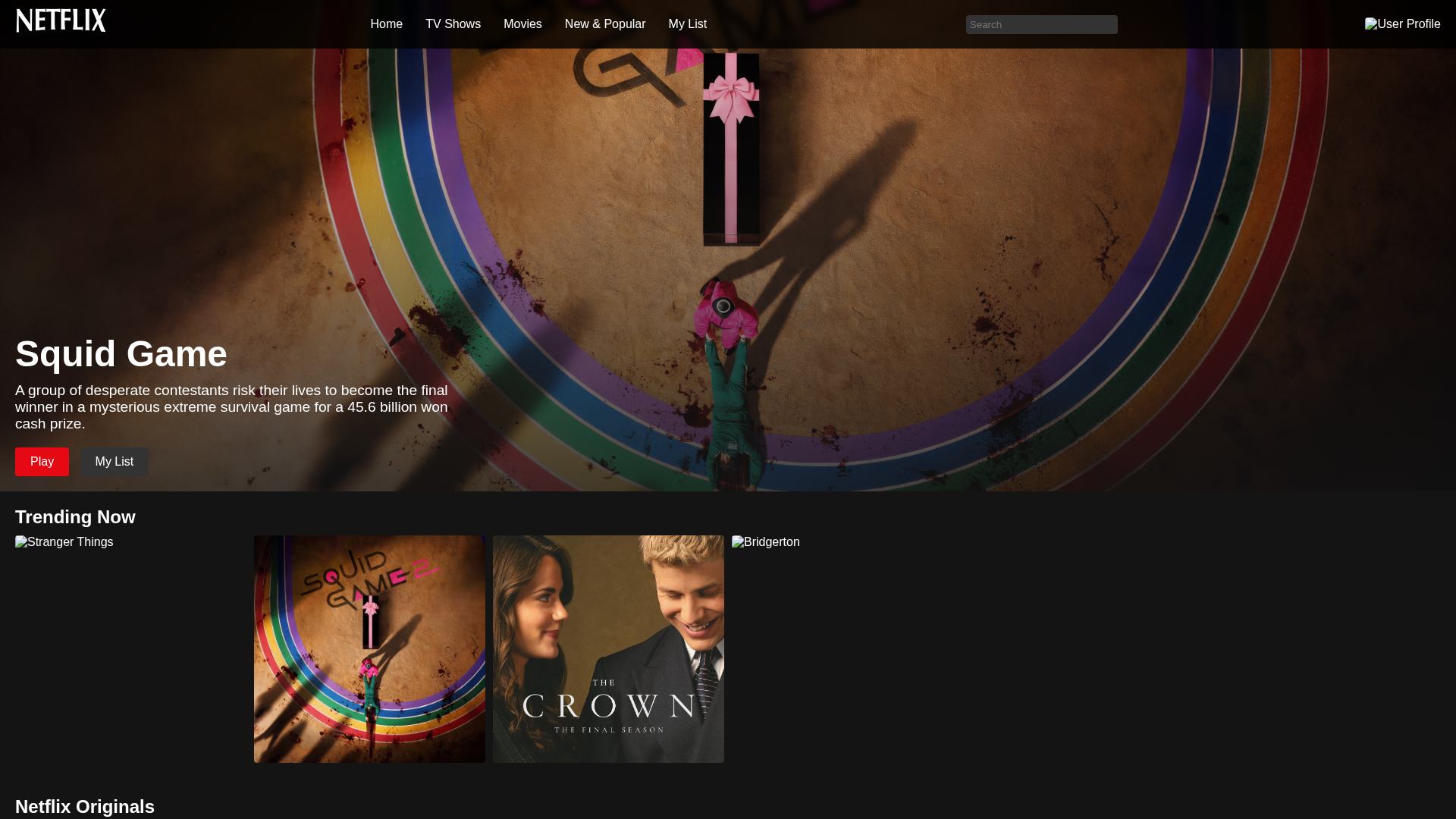
Netflix
https://saadshaikh27.github.io/Second-Repo
Jun 06, 2026
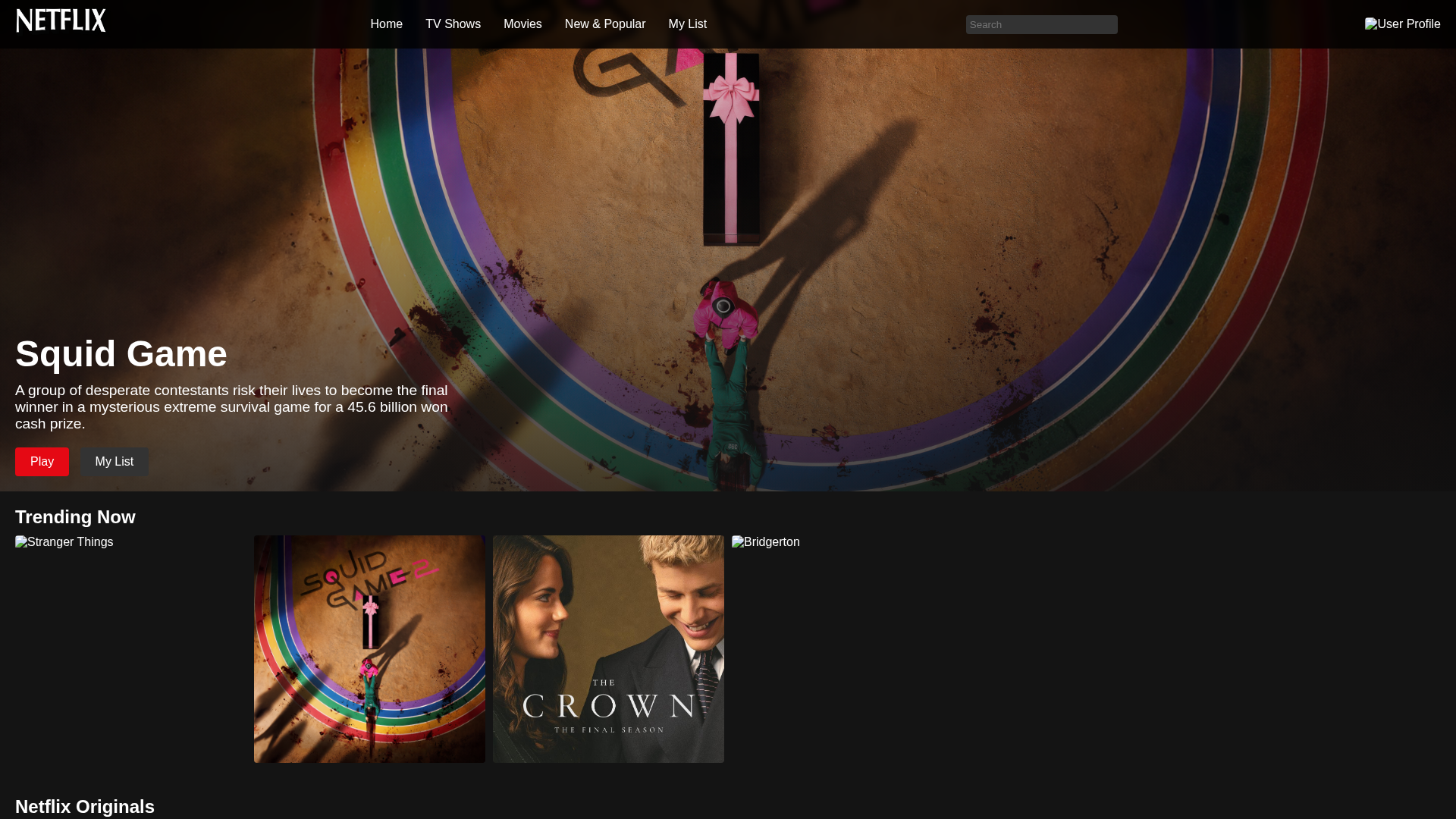
Netflix
https://omkarkavitake.github.io/stopwatch/
Apr 08, 2026
Scan History for omkarkavitake.github.io
Found 2 other scans for this domain

"I Never Thought It Would Happen to Me"
That's what 2.3 million victims say every year. Don't wait to become a statistic.