
Phishing Analysis
Detailed analysis of captured phishing page
Visual Capture
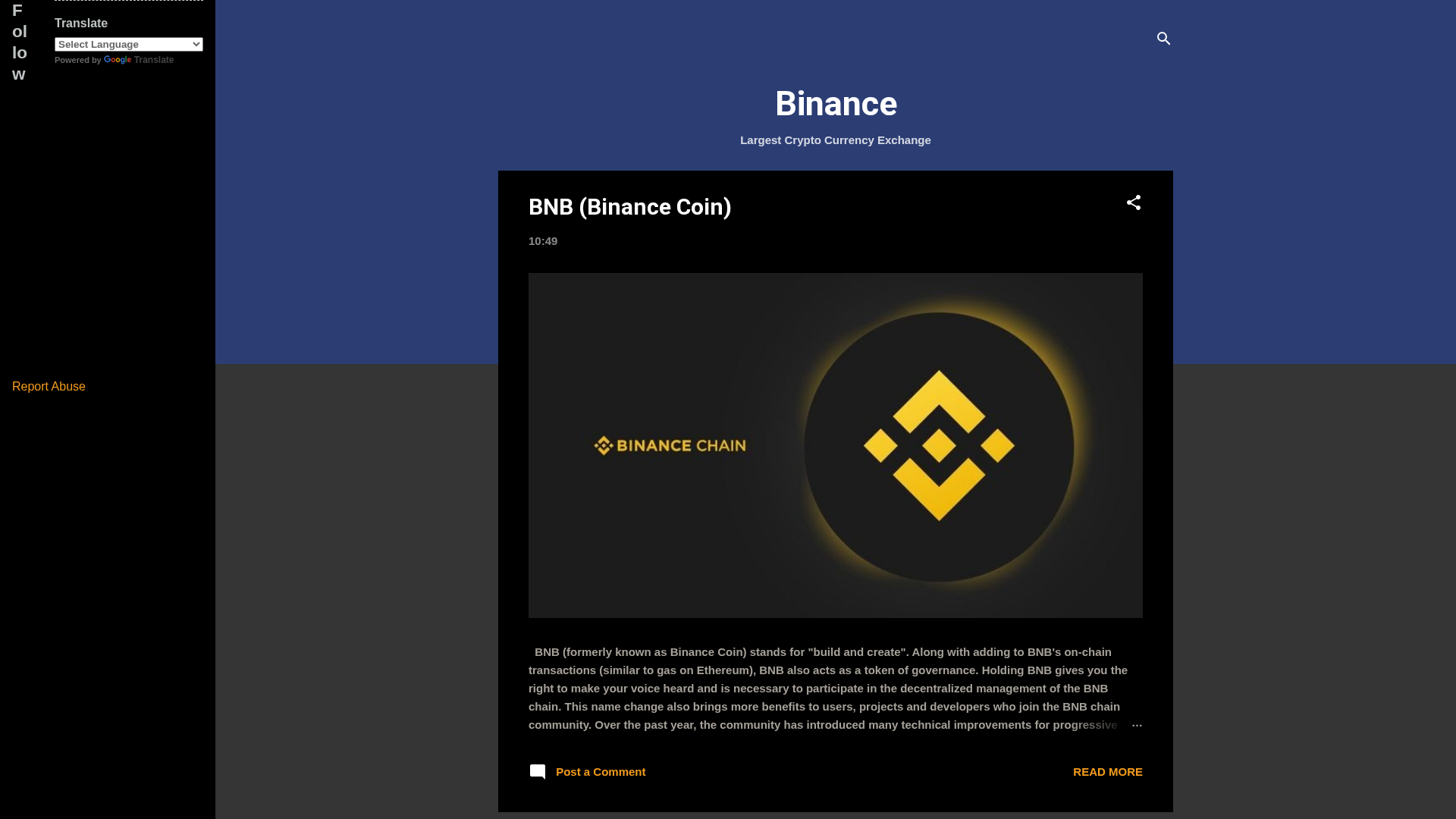
Detection Info
https://binancelivetrade.blogspot.com/
Detected Brand
Binance
Country
Unknown
Confidence
100%
HTTP Status
200
Report ID
28cde689-569…
Analyzed
2026-06-10 10:13
Content Hashes (HTML Similarity)
Used to detect similar phishing pages based on HTML content
| Algorithm | Hash Value |
|---|---|
|
CONTENT
TLSH
|
T109A3AAA16414D63B12678EC5A2B2B767E6604286CC92004FF5F5E3AC3FF7D72EA17211 |
|
CONTENT
ssdeep
|
1536:zzICb/4xbnuzxlLUWFPzbPhEpTHrbPGjx+2CIrIhIIIpIJa+ChxYnWHsIxU7g:z8CIb8bTPH6pHbPGjxpES7qJ6Yuo7g |
Visual Hashes (Screenshot Similarity)
Used to detect visually similar phishing pages based on screenshots
| Algorithm | Hash Value |
|---|---|
|
VISUAL
pHash
|
819cec9a92fc6566 |
|
VISUAL
aHash
|
7f7f616f6d616161 |
|
VISUAL
dHash
|
d8d3c3dbc9dbcbcb |
|
VISUAL
wHash
|
7f7f616545414161 |
|
VISUAL
colorHash
|
1a007000000 |
|
VISUAL
cropResistant
|
d8d3c3dbc9dbcbcb |
Code Analysis
Risk Score
100/100
Threat Level
ALTO
⚠️ Phishing Confirmed
🎣 Credential Harvester
🎣 OTP Stealer
🎣 Banking
🎣 Personal Info
🔐 Credential Harvesting Forms
🔒 Obfuscation Detected
- atob
- eval
- fromCharCode
- unescape
- document.write
- hex_escape
- unicode_escape
- base64_strings
🎯 Kit Endpoints
- https://binancelivetrade.blogspot.com/2023/06/binance-angellive-trader.html
- https://www.blogger.com/share-post.g?blogID=8839331802808845685&postID=5903052147875941735&target=twitter
- https://www.blogger.com/share-post.g?blogID=8839331802808845685&postID=3653178190018049054&target=pinterest
- https://www.blogger.com/share-post.g?blogID=8839331802808845685&postID=8586424694828457881&target=facebook
- https://binancelivetrade.blogspot.com/2023/06/bnb.html#comments
- /responsive/sprite_v1_6.css.svg#ic_post_blogger_black_24dp
- https://binancelivetrade.blogspot.com/2023/06/guidelines-in-building-personal.html#comments
- https://binancelivetrade.blogspot.com/2023/07/get-binance-application.html#comments
- https://www.blogger.com/share-post.g?blogID=8839331802808845685&postID=4552387210495322741&target=twitter
- https://www.blogger.com/share-post.g?blogID=8839331802808845685&postID=8586424694828457881&target=
- https://binancelivetrade.blogspot.com/2023/06/risk-management.html#comments
- https://www.blogger.com/go/report-abuse
- https://binancelivetrade.blogspot.com/2023/06/kyc-verification.html
- https://www.blogger.com/share-post.g?blogID=8839331802808845685&postID=6375423038518909072&target=
- https://www.blogger.com/share-post.g?blogID=8839331802808845685&postID=2119101771222487119&target=
- https://www.blogger.com/share-post.g?blogID=8839331802808845685&postID=3653178190018049054&target=email
- https://www.blogger.com/share-post.g?blogID=8839331802808845685&postID=2534840944483582612&target=facebook
- https://www.blogger.com/share-post.g?blogID=8839331802808845685&postID=2119101771222487119&target=twitter
- https://www.blogger.com/share-post.g?blogID=8839331802808845685&postID=8624248231472560932&target=twitter
- https://www.blogger.com/share-post.g?blogID=8839331802808845685&postID=2662229816529601131&target=pinterest
- https://www.blogger.com/share-post.g?blogID=8839331802808845685&postID=2534840944483582612&target=
- https://www.blogger.com/share-post.g?blogID=8839331802808845685&postID=4552387210495322741&target=pinterest
- https://binancelivetrade.blogspot.com/2023/07/get-binance-application.html
- https://www.blogger.com/share-post.g?blogID=8839331802808845685&postID=3954800173964356147&target=pinterest
- https://www.blogger.com/share-post.g?blogID=8839331802808845685&postID=3653178190018049054&target=
- https://www.blogger.com/share-post.g?blogID=8839331802808845685&postID=8624248231472560932&target=
- https://www.blogger.com/share-post.g?blogID=8839331802808845685&postID=6375423038518909072&target=pinterest
- https://www.blogger.com/share-post.g?blogID=8839331802808845685&postID=2119101771222487119&target=pinterest
- https://www.blogger.com/share-post.g?blogID=8839331802808845685&postID=8586424694828457881&target=pinterest
- https://www.blogger.com/share-post.g?blogID=8839331802808845685&postID=2534840944483582612&target=twitter
- https://binancelivetrade.blogspot.com/2023/06/bnb.html
- https://www.blogger.com/share-post.g?blogID=8839331802808845685&postID=2119101771222487119&target=email
- https://www.blogger.com/share-post.g?blogID=8839331802808845685&postID=6375423038518909072&target=email
- https://www.blogger.com/share-post.g?blogID=8839331802808845685&postID=3653178190018049054&target=facebook
- https://www.blogger.com/share-post.g?blogID=8839331802808845685&postID=6375423038518909072&target=facebook
- https://www.blogger.com/share-post.g?blogID=8839331802808845685&postID=5903052147875941735&target=email
- https://binancelivetrade.blogspot.com/2023/06/third-party-assets-transfer.html#comments
- https://www.blogger.com/share-post.g?blogID=8839331802808845685&postID=2662229816529601131&target=facebook
- https://www.blogger.com/followers/frame/8839331802808845685?colors=Cgt0cmFuc3BhcmVudBILdHJhbnNwYXJlbnQaByNhNmExOTkiByNmMzljMWIqByMzNTM1MzUyByMwMDAwMDA6ByNhNmExOTlCByNmMzljMWJKByMwMDAwMDBSByNGRkZGRkZaC3RyYW5zcGFyZW50&pageSize=21&hl=en&origin=https://binancelivetrade.blogspot.com&usegapi=1&jsh=m%3B%2F_%2Fscs%2Fabc-static%2F_%2Fjs%2Fk%3Dgapi.lb.en.ch0Jz-JlMrQ.O%2Fd%3D1%2Frs%3DAHpOoo_YD4KoV8fTh_kLhktsiThAm3yJ5A%2Fm%3D__features__#id=I0_1781093553309&_gfid=I0_1781093553309&parent=https%3A%2F%2Fbinancelivetrade.blogspot.com&pfname=&rpctoken=20548758
- https://www.blogger.com/share-post.g?blogID=8839331802808845685&postID=2662229816529601131&target=
- https://binancelivetrade.blogspot.com/2023/06/the-binance-users-seminar.html
- https://www.blogger.com/share-post.g?blogID=8839331802808845685&postID=5903052147875941735&target=
- https://binancelivetrade.blogspot.com/2023/07/bnb.html#comments
- https://binancelivetrade.blogspot.com/2023/06/third-party-assets-transfer.html
- https://www.blogger.com/share-post.g?blogID=8839331802808845685&postID=4552387210495322741&target=
- https://www.blogger.com/share-post.g?blogID=8839331802808845685&postID=3653178190018049054&target=twitter
- https://www.blogger.com/share-post.g?blogID=8839331802808845685&postID=2662229816529601131&target=email
- https://www.blogger.com/share-post.g?blogID=8839331802808845685&postID=6375423038518909072&target=twitter
- https://binancelivetrade.blogspot.com/2023/06/risk-management.html
- https://www.blogger.com/share-post.g?blogID=8839331802808845685&postID=4552387210495322741&target=email
- https://www.blogger.com/share-post.g?blogID=8839331802808845685&postID=5903052147875941735&target=facebook
- https://binancelivetrade.blogspot.com/feeds/posts/default
- https://www.blogger.com/share-post.g?blogID=8839331802808845685&postID=2534840944483582612&target=pinterest
- https://binancelivetrade.blogspot.com/2023/06/the-binance-users-seminar.html#comments
- https://www.blogger.com/share-post.g?blogID=8839331802808845685&postID=5903052147875941735&target=pinterest
- https://www.blogger.com/share-post.g?blogID=8839331802808845685&postID=2119101771222487119&target=facebook
- https://binancelivetrade.blogspot.com/2023/07/general-investment-strategies.html#comments
- https://www.blogger.com/share-post.g?blogID=8839331802808845685&postID=3954800173964356147&target=email
- https://www.blogger.com/share-post.g?blogID=8839331802808845685&postID=3954800173964356147&target=
- https://www.blogger.com/share-post.g?blogID=8839331802808845685&postID=4552387210495322741&target=facebook
- https://www.blogger.com/share-post.g?blogID=8839331802808845685&postID=8624248231472560932&target=email
- https://binancelivetrade.blogspot.com/2023/06/binance-angellive-trader.html#more
- https://www.blogger.com/share-post.g?blogID=8839331802808845685&postID=8624248231472560932&target=facebook
- https://www.blogger.com/share-post.g?blogID=8839331802808845685&postID=8586424694828457881&target=email
- https://binancelivetrade.blogspot.com/2023/07/general-investment-strategies.html
- https://www.blogger.com/share-post.g?blogID=8839331802808845685&postID=8624248231472560932&target=pinterest
- https://www.blogger.com/share-post.g?blogID=8839331802808845685&postID=2662229816529601131&target=twitter
- https://binancelivetrade.blogspot.com/2023/06/kyc-verification.html#comments
- https://www.blogger.com/share-post.g?blogID=8839331802808845685&postID=2534840944483582612&target=email
- https://www.blogger.com/share-post.g?blogID=8839331802808845685&postID=8586424694828457881&target=twitter
- https://binancelivetrade.blogspot.com/2023/06/guidelines-in-building-personal.html
- https://binancelivetrade.blogspot.com/2023/07/bnb.html
- https://www.blogger.com/share-post.g?blogID=8839331802808845685&postID=3954800173964356147&target=twitter
- https://binancelivetrade.blogspot.com/
- https://www.blogger.com
- https://binancelivetrade.blogspot.com/feeds/posts/default?alt=rss
- http://www.istockphoto.com/portfolio/Petrovich9?platform=blogger
- https://www.blogger.com/share-post.g?blogID=8839331802808845685&postID=3954800173964356147&target=facebook
- https://binancelivetrade.blogspot.com/2023/06/binance-angellive-trader.html#comments
- https://www.blogger.com/feeds/8839331802808845685/posts/default
- https://binancelivetrade.blogspot.com/search
📡 API Calls Detected
- post
- GET
📤 Form Action Targets
- https://binancelivetrade.blogspot.com/search
- //translate.googleapis.com/translate_voting?client=te
📊 Risk Score Breakdown
Total Risk Score
100/100
Contributing Factors
Active Phishing Kit
Detected kit types: Credential Harvester, OTP Stealer, Banking, Personal Info
Credential Harvesting
Credential harvesting detected with 4 form(s) capturing sensitive data
Code Obfuscation
JavaScript code obfuscated using 71 technique(s) to evade detection
🔬 Comprehensive Threat Analysis
Threat Type
Banking Credential Harvester
Target
Binance users
Attack Method
credential harvesting forms + obfuscated JavaScript
Exfiltration Channel
HTTP POST to backend
Risk Assessment
CRITICAL - Automated credential harvesting with HTTP POST to backend
⚠️ Indicators of Compromise
- Kit types: Credential Harvester, OTP Stealer, Banking, Personal Info
- 71 obfuscation techniques
🏢 Brand Impersonation Analysis
Impersonated Brand
Binance
Official Website
https://www.binance.com
Fake Service
Banking/payment service
⚔️ Attack Methodology
Primary Method: Credential Harvesting
Victim enters username and password into fake login form. Credentials are captured via JavaScript and exfiltrated to attacker's server in real-time.
Secondary Method: JavaScript Obfuscation
Malicious code is obfuscated using 71 techniques to evade detection by security scanners and make reverse engineering more difficult.
🌐 Infrastructure Indicators of Compromise
Domain Information
Domain
binancelivetrade.blogspot.com
Registered
Unknown
Registrar
None
Status
Age unknown
Hosting Information
Provider
Unknown
ASN
🤖 AI-Extracted Threat Intelligence

"I Never Thought It Would Happen to Me"
That's what 2.3 million victims say every year. Don't wait to become a statistic.