
Phishing Analysis
Detailed analysis of captured phishing page
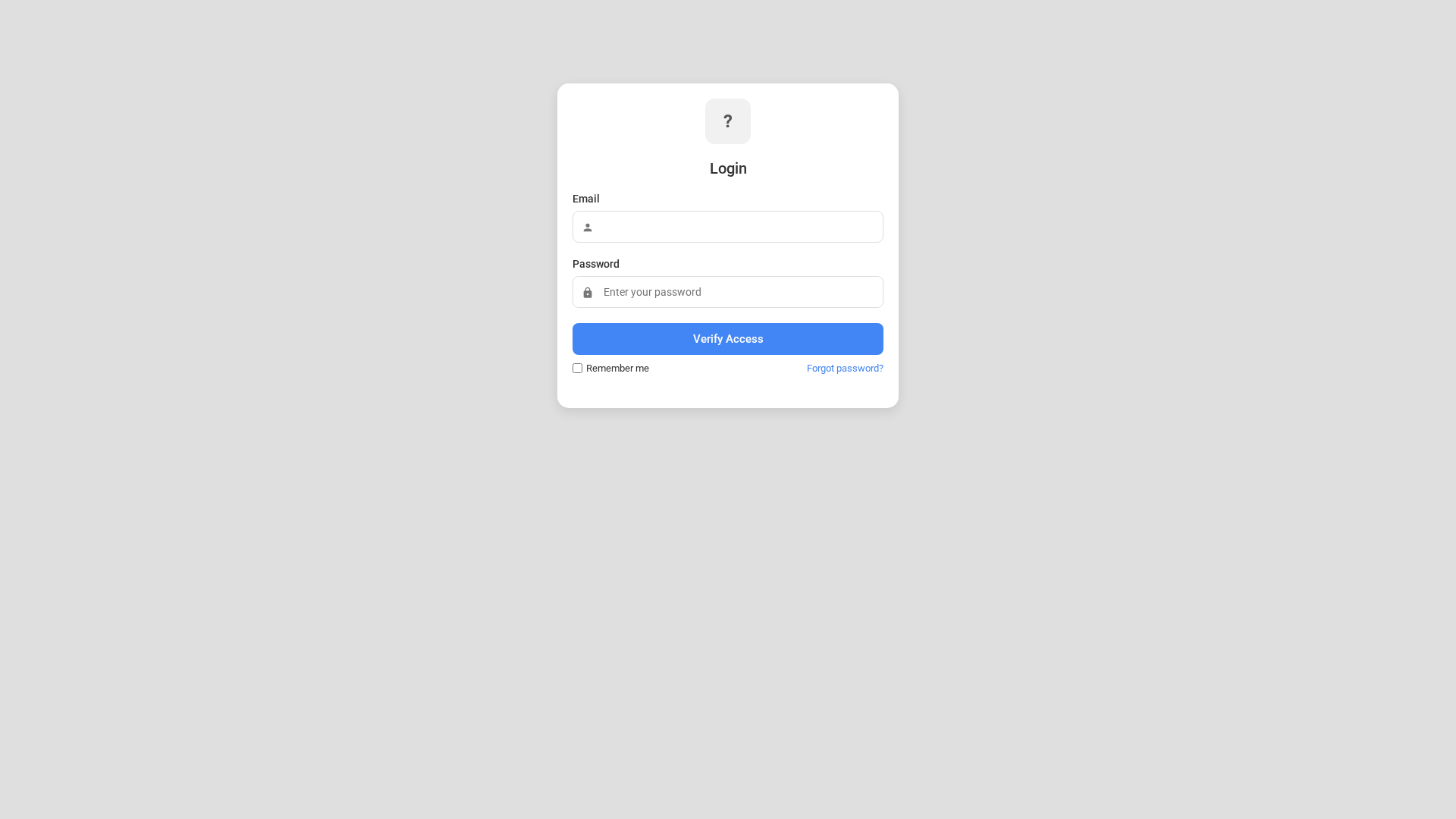
Visual Capture
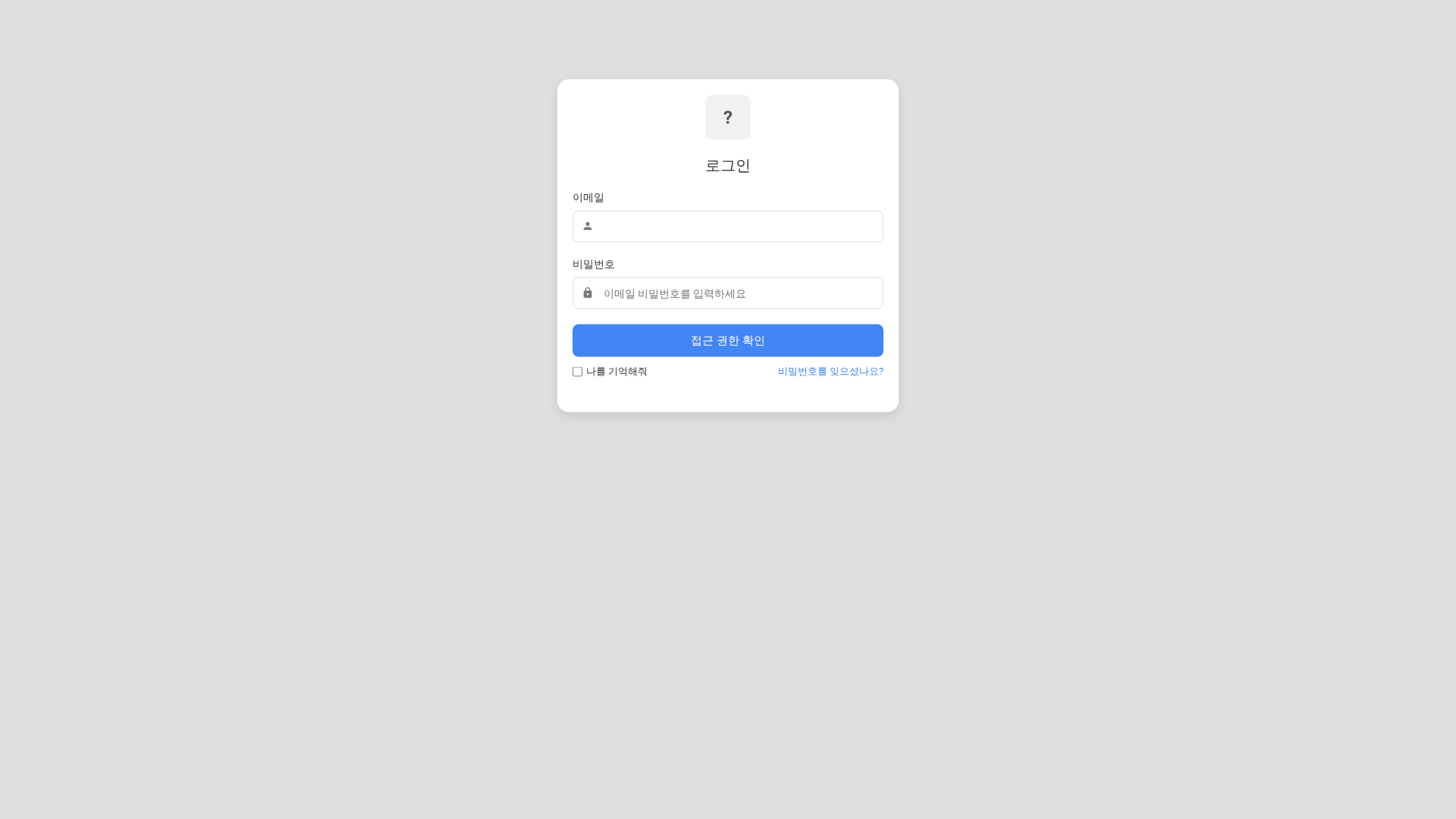
Detection Info
https://bjsggitane.live/bolt/daou.htm
Detected Brand
Unknown
Country
Unknown
Confidence
100%
HTTP Status
200
Report ID
2b3a722c-332…
Analyzed
2026-07-30 10:20
Content Hashes (HTML Similarity)
Used to detect similar phishing pages based on HTML content
| Algorithm | Hash Value |
|---|---|
|
CONTENT
TLSH
|
T11631DF30645E5C66A993D5EC72E5460A36C5C312CF83160093FCC7AE5ADBE81CD693D9 |
|
CONTENT
ssdeep
|
24:n/C6xWUhs4hjXB9WhYwgL5simxF4OaWQyN9uiUCjHHc5Q7uxPoYS86W2lS:n9WUPho1cgFLaWQyHcCT8a+PkW2U |
Visual Hashes (Screenshot Similarity)
Used to detect visually similar phishing pages based on screenshots
| Algorithm | Hash Value |
|---|---|
|
VISUAL
pHash
|
9999cc6666333399 |
|
VISUAL
aHash
|
1818180018000000 |
|
VISUAL
dHash
|
30b2324c300c0000 |
|
VISUAL
wHash
|
f8f8f8e0243c0c0c |
|
VISUAL
colorHash
|
070000001c0 |
|
VISUAL
cropResistant
|
30b2324c300c0000 |
Code Analysis
Risk Score
100/100
Threat Level
ALTO
⚠️ Phishing Confirmed
🎣 Credential Harvester
🎣 OTP Stealer
Telegram Exfiltration
🔒 Obfuscation Detected
- atob
- unescape
- document.write
📡 API Calls Detected
- https://api.ipify.org?format=json
🔑 Telegram Bot Tokens (1)
- 8949945440:AAF3...RjSwhtZ4
📊 Risk Score Breakdown
Total Risk Score
100/100
Contributing Factors
Active Phishing Kit
Detected kit types: Credential Harvester, OTP Stealer
Credential Harvesting
Credential harvesting detected with 1 form(s) capturing sensitive data
Telegram Exfiltration
Real-time data exfiltration via Telegram (1 bot token(s) exposed in client-side code)
Code Obfuscation
JavaScript code obfuscated using 4 technique(s) to evade detection
🔬 Comprehensive Threat Analysis
Threat Type
Two-Factor Authentication Stealer
Target
General public
Attack Method
credential harvesting forms + obfuscated JavaScript
Exfiltration Channel
Telegram Bot (8949945440:AAF3Nrhr3...)
Risk Assessment
CRITICAL - Automated credential harvesting with Telegram Bot (8949945440:AAF3Nrhr3...)
⚠️ Indicators of Compromise
- 1 Telegram bot token(s)
- Kit types: Credential Harvester, OTP Stealer
- 4 obfuscation techniques
🏢 Brand Impersonation Analysis
Impersonated Brand
Generic Phishing
Official Website
N/A
Fake Service
Credential harvesting service
⚔️ Attack Methodology
Primary Method: Credential Harvesting
Victim enters username and password into fake login form. Credentials are captured via JavaScript and exfiltrated to attacker's server in real-time.
Secondary Method: JavaScript Obfuscation
Malicious code is obfuscated using 4 techniques to evade detection by security scanners and make reverse engineering more difficult.
📡 Telegram Command & Control Infrastructure
Bot Token (Masked)
8949945440:AAF3...RjSwhtZ4
Bot ID
8949945440
Group/Chat ID
Unknown
Operator Language
Unknown
💬 Message Templates (3)
| ID | Portuguese | English | Trigger |
|---|---|---|---|
🌐 Infrastructure Indicators of Compromise
Domain Information
Domain
bjsggitane.live
Registered
Unknown
Registrar
Unknown
Status
Age unknown
Hosting Information
Provider
Unknown
ASN
🤖 AI-Extracted Threat Intelligence
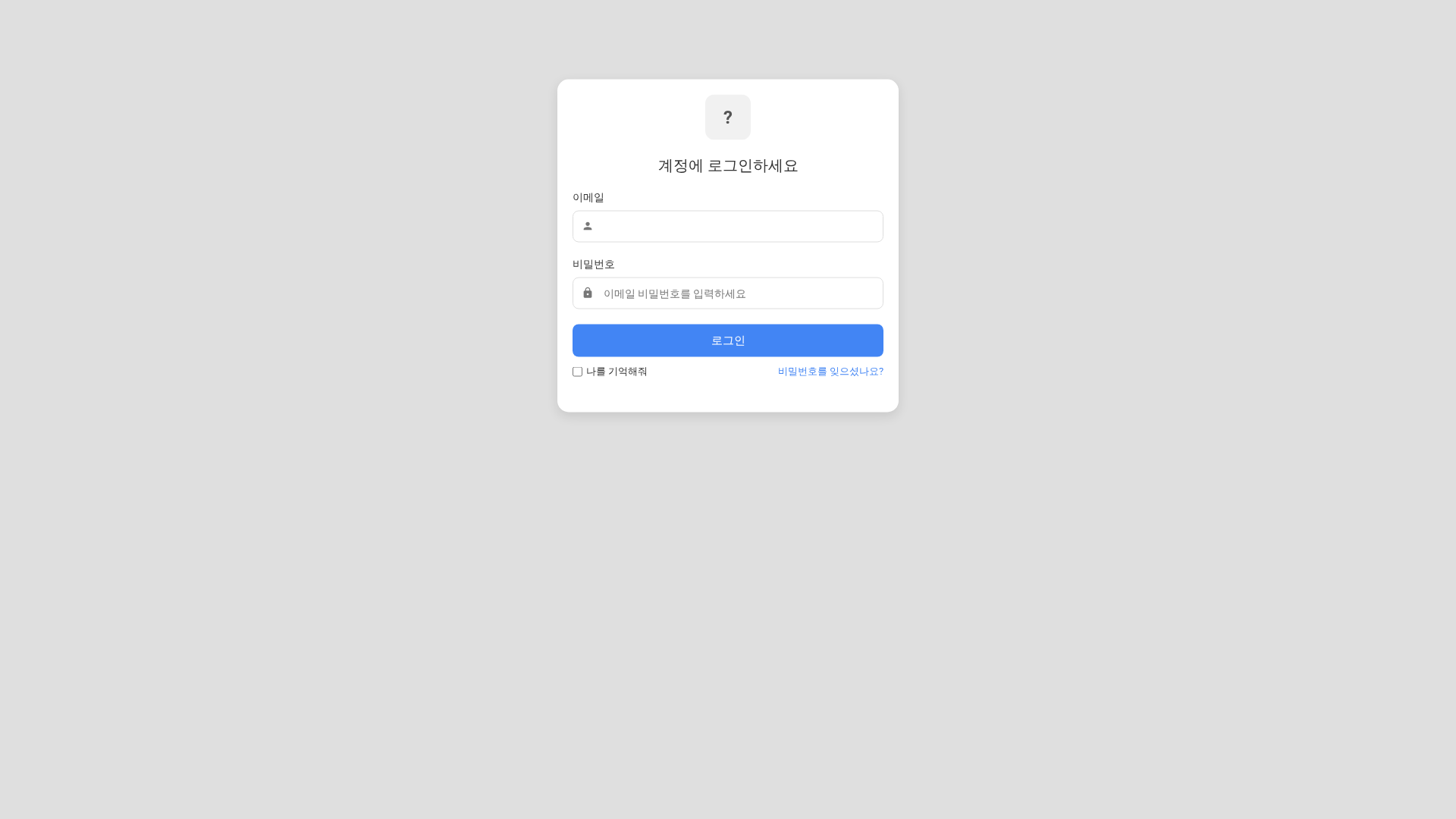
Similar Websites
Pages with identical visual appearance (based on perceptual hash)
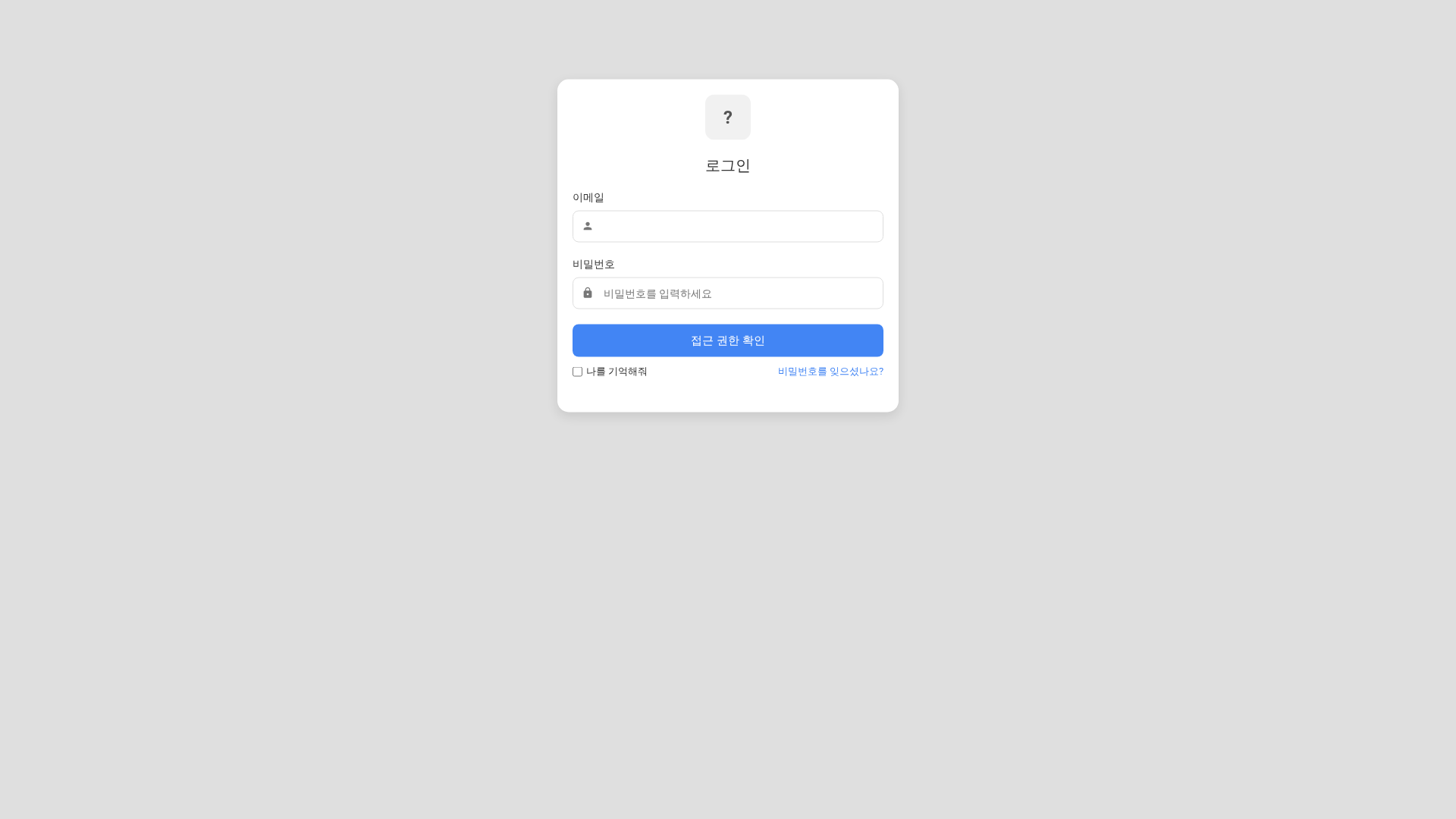
Unknown
https://uaeuptodate.com/basic/korea.html
Jul 31, 2026
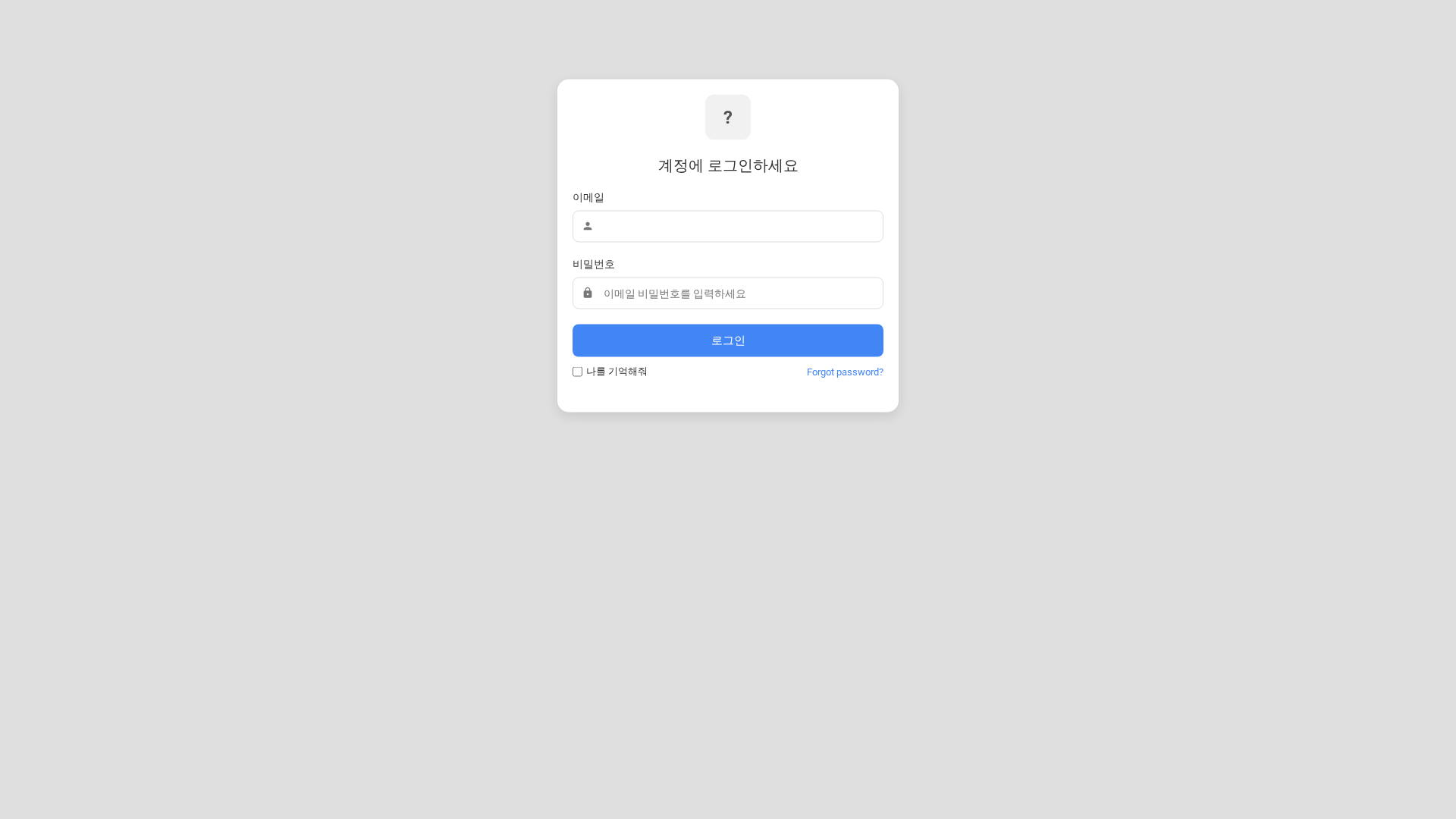
Unknown
https://octresearch.org/wp-content/plugins/lgfpgws/EPL/dmlko...
Jul 30, 2026
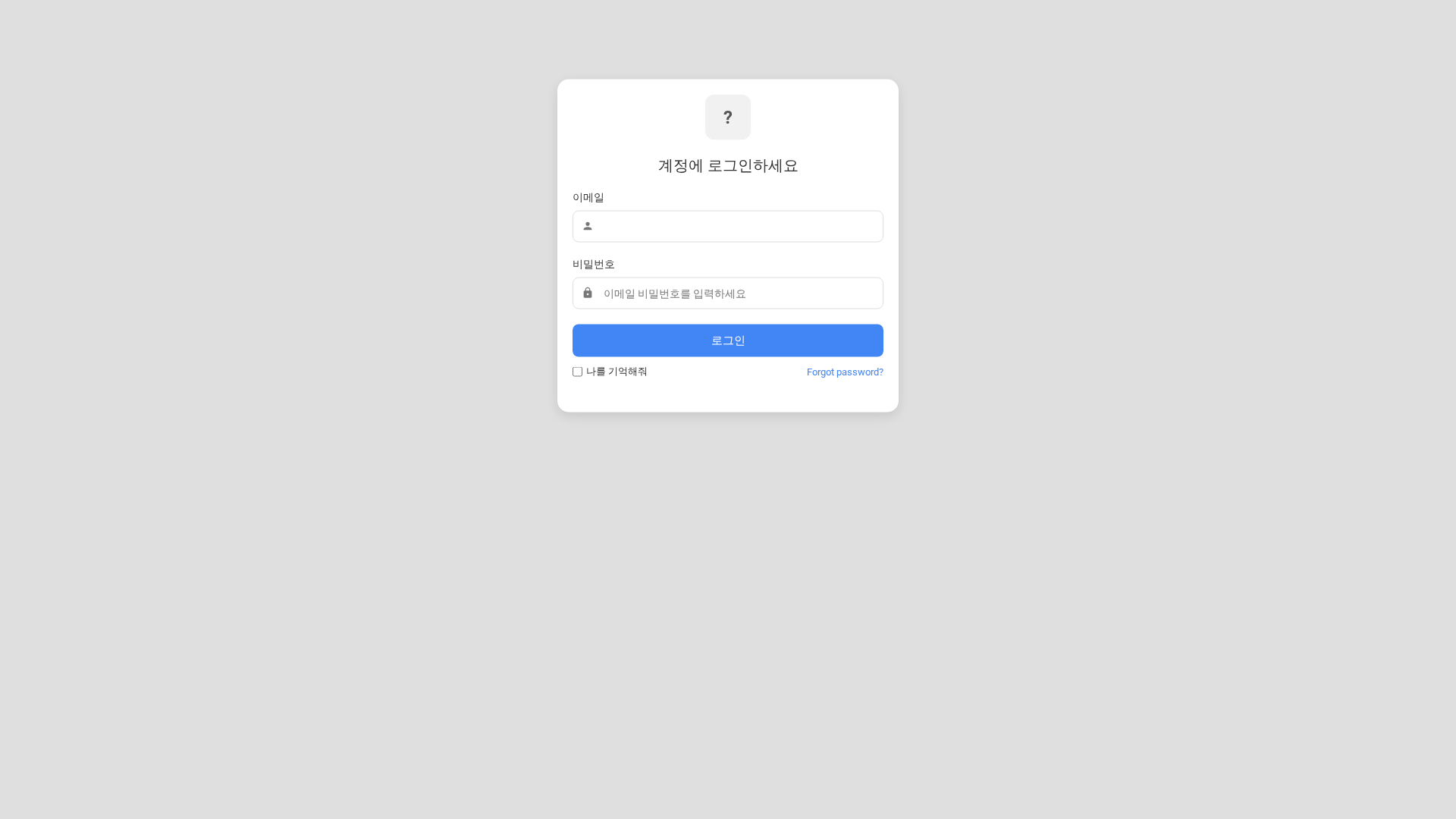
Unknown
https://octresearch.org/wp-content/plugins/lgfpgws/ZZ/dmlkor...
Jul 30, 2026
Unknown
https://uaeuptodate.com/wp/domain.html
Jul 30, 2026
Unknown
https://bitly.cx/pFpJn
Jul 24, 2026

"I Never Thought It Would Happen to Me"
That's what 2.3 million victims say every year. Don't wait to become a statistic.