
Phishing Analysis
Detailed analysis of captured phishing page
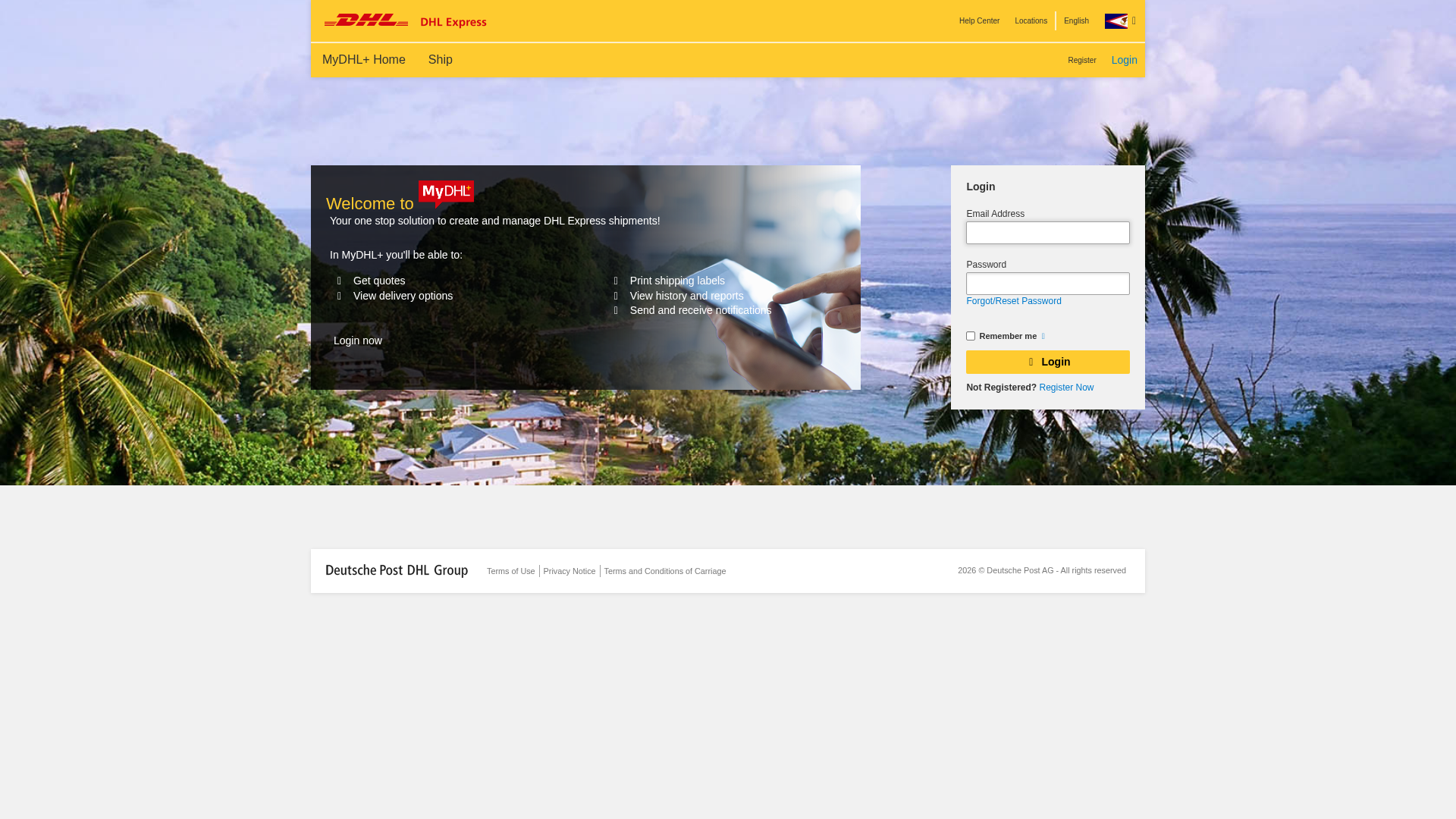
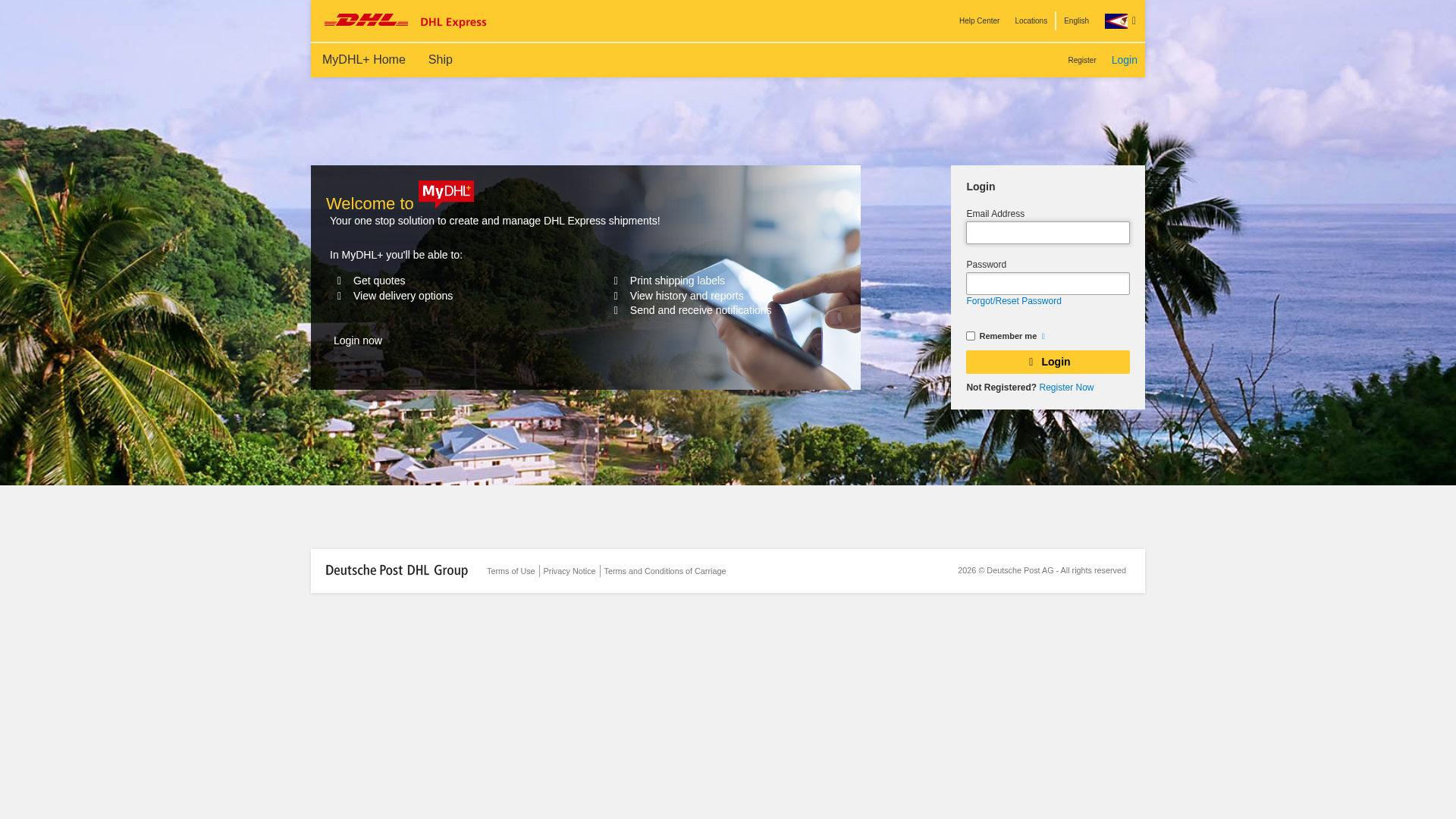
Visual Capture
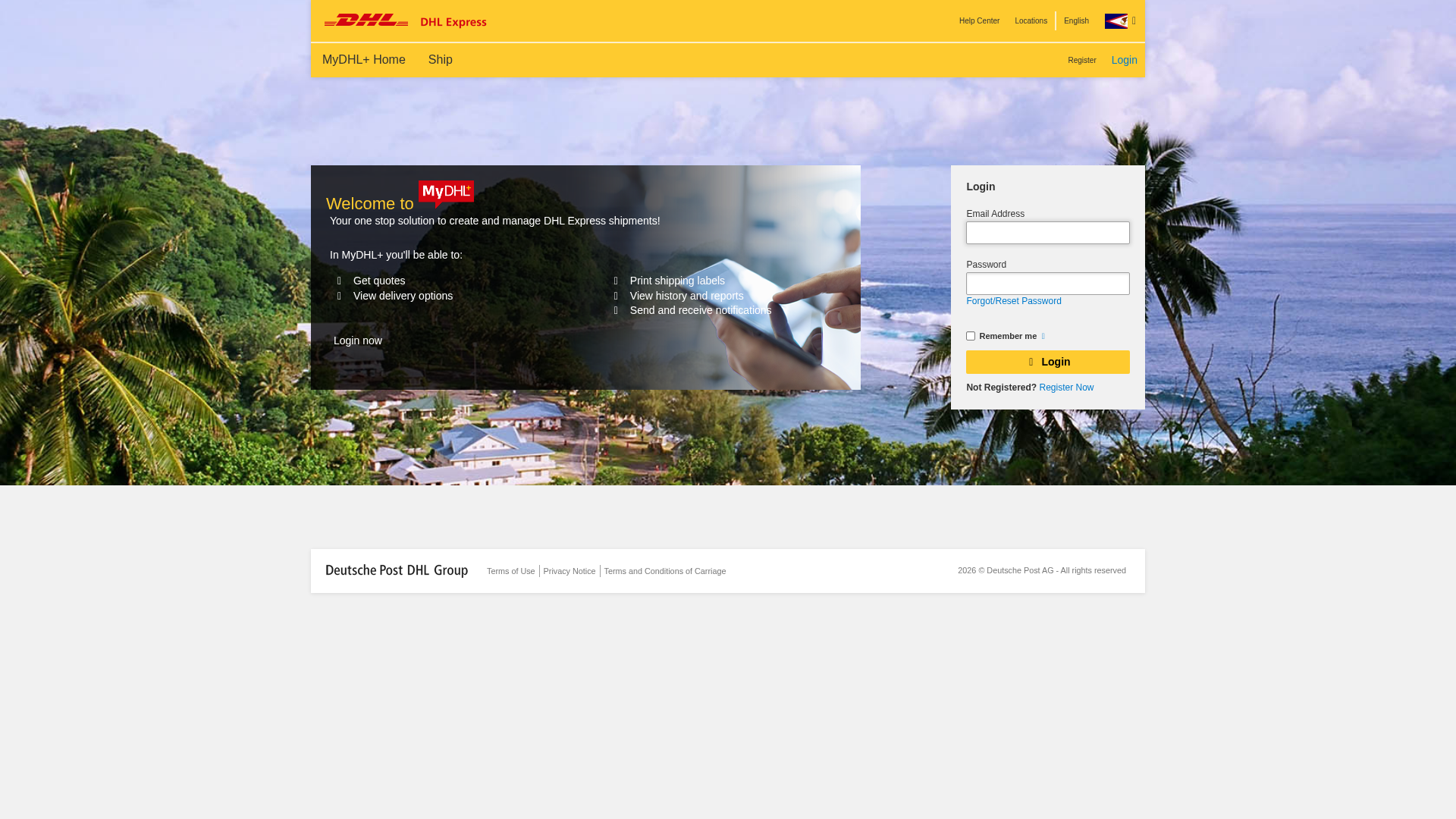
Detection Info
https://traveltoitalynow.net/pages/29e8f3aa-3cd9-4bfc-b41a-32e89591a209/6a0c6190c172f4985889d9b3ccc6c6a79ab729bf69927998c9a8cc6289833d0b4aa0079d980f29b0aadd7837fb5ba94f275a38de92a3e5ee2afaa4092fe42eec
Detected Brand
DHL
Country
Unknown
Confidence
100%
HTTP Status
200
Report ID
35918d6f-369…
Analyzed
2026-06-17 22:26
Content Hashes (HTML Similarity)
Used to detect similar phishing pages based on HTML content
| Algorithm | Hash Value |
|---|---|
|
CONTENT
TLSH
|
T1E2F3867A91F7273F893E7392B9A13715A9938307834917F3D9AC53A61B94ACE3D07408 |
|
CONTENT
ssdeep
|
3072:3CsHIHTdhu2nxoBnAEM8LfivejWLu1KWWihwzCfUOODgSwUEzUlm3liK9AH3SfHR:ysHIHTdhu2nxoBnAEM8LfivejWLu1KWr |
Visual Hashes (Screenshot Similarity)
Used to detect visually similar phishing pages based on screenshots
| Algorithm | Hash Value |
|---|---|
|
VISUAL
pHash
|
9010edef453cba4b |
|
VISUAL
aHash
|
ff0d040400ffffff |
|
VISUAL
dHash
|
22999dbcc8218800 |
|
VISUAL
wHash
|
c30c040400ffffff |
|
VISUAL
colorHash
|
07041010000 |
|
VISUAL
cropResistant
|
3a22d9999dbd9ccc,c8e2313844000000,d9999d9dbc9cccea |
Code Analysis
Risk Score
50/100
Threat Level
ALTO
⚠️ Phishing Confirmed
🎣 Credential Harvester
🔐 Credential Harvesting Forms
📤 Form Action Targets
- /pages/6753ad9e-f305-469e-b878-9fcb74ed4d7f/6a0c6190c172f4985889d9b3ccc6c6a79ab729bf69927998c9a8cc6289833d0b4aa0079d980f29b0aadd7837fb5ba94f275a38de92a3e5ee2afaa4092fe42eec
📊 Risk Score Breakdown
Total Risk Score
70/100
Contributing Factors
Active Phishing Kit
Detected kit types: Credential Harvester
Credential Harvesting
Credential harvesting detected with 1 form(s) capturing sensitive data
🔬 Comprehensive Threat Analysis
Threat Type
Credential Harvesting Kit
Target
DHL users
Attack Method
credential harvesting forms
Exfiltration Channel
HTTP POST to backend
Risk Assessment
MEDIUM - Automated credential harvesting with HTTP POST to backend
⚠️ Indicators of Compromise
- Kit types: Credential Harvester
🏢 Brand Impersonation Analysis
Impersonated Brand
DHL
Official Website
N/A
Fake Service
Credential harvesting service
⚔️ Attack Methodology
Primary Method: Credential Harvesting
Victim enters username and password into fake login form. Credentials are captured via JavaScript and exfiltrated to attacker's server in real-time.
Secondary Method: Client-Side Form Interception
JavaScript intercepts form submissions before they reach the fake backend. This allows real-time credential harvesting and validation without server round-trips.
🌐 Infrastructure Indicators of Compromise
Domain Information
Domain
traveltoitalynow.net
Registered
2024-07-10 10:01:25+00:00
Registrar
Amazon Registrar, Inc.
Status
Active (older domain)
Hosting Information
Provider
Amazon Registrar, Inc.
ASN
🤖 AI-Extracted Threat Intelligence
Similar Websites
Pages with identical visual appearance (based on perceptual hash)
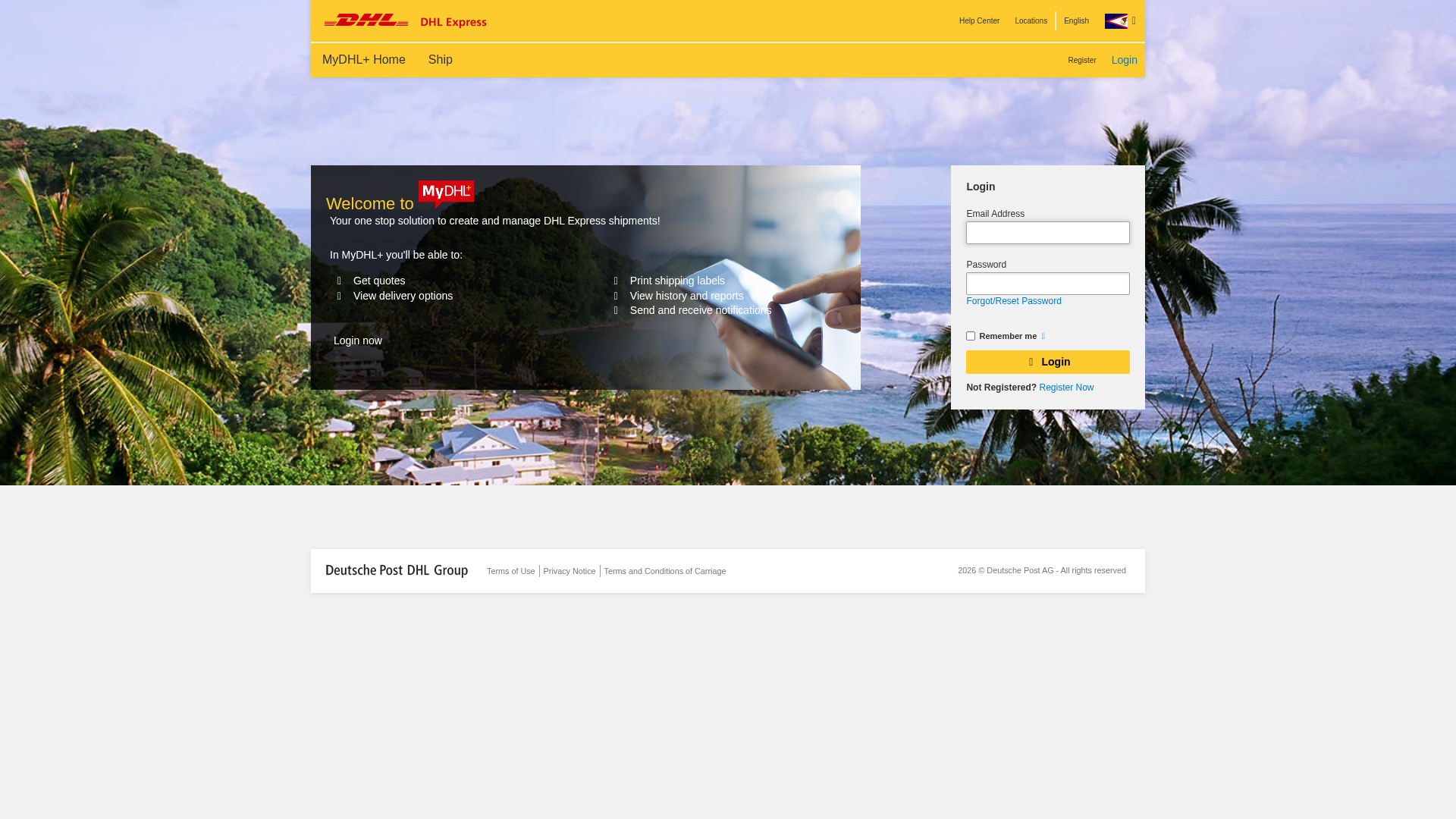
DHL
http://www.solutionfun.info/landingpage/939c66c5-a2e6-4d48-9...
Aug 14, 2026
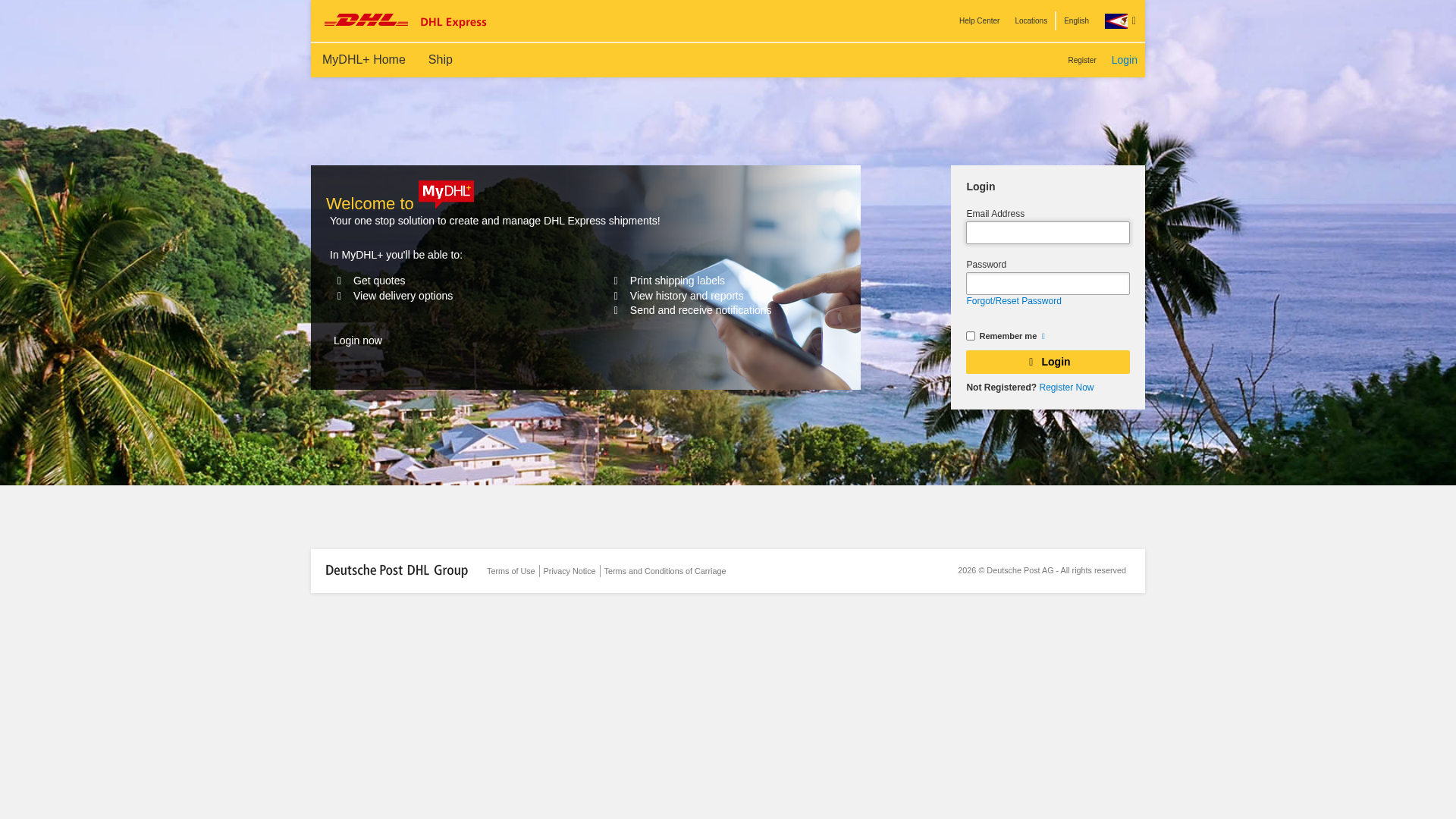
DHL
https://traveltoitalynow.net/pages/087281de-99cc-42f3-8a1b-5...
Jul 13, 2026
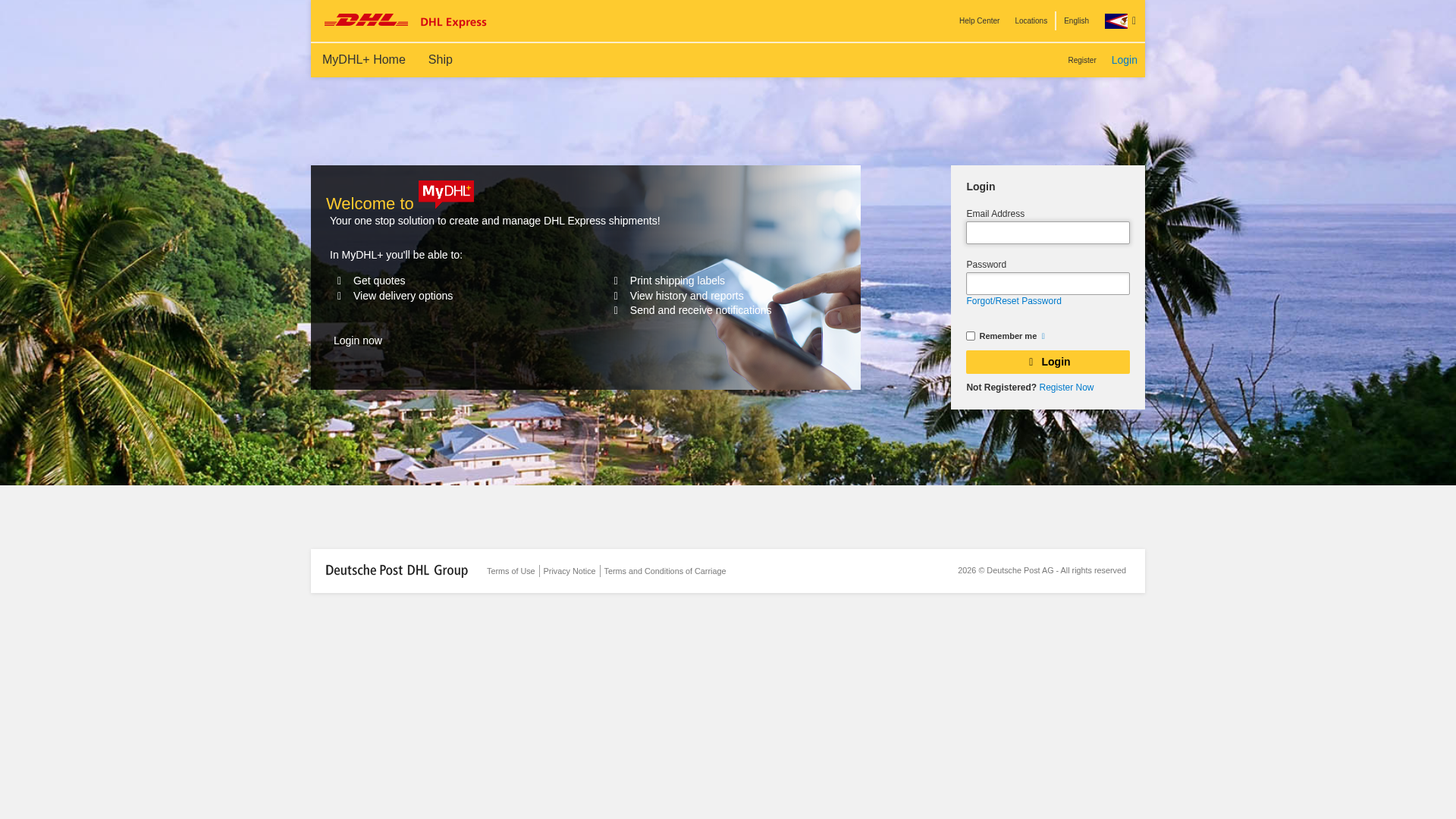
DHL
https://traveltoitalynow.net/pages/087281de-99cc-42f3-8a1b-5...
Jul 09, 2026
DHL
https://traveltoitalynow.net/pages/087281de-99cc-42f3-8a1b-5...
Jul 08, 2026
DHL
http://www.solutionfun.info/landingpage/939c66c5-a2e6-4d48-9...
Mar 13, 2026
Scan History for traveltoitalynow.net
Found 3 other scans for this domain

"I Never Thought It Would Happen to Me"
That's what 2.3 million victims say every year. Don't wait to become a statistic.