
Phishing Analysis
Detailed analysis of captured phishing page
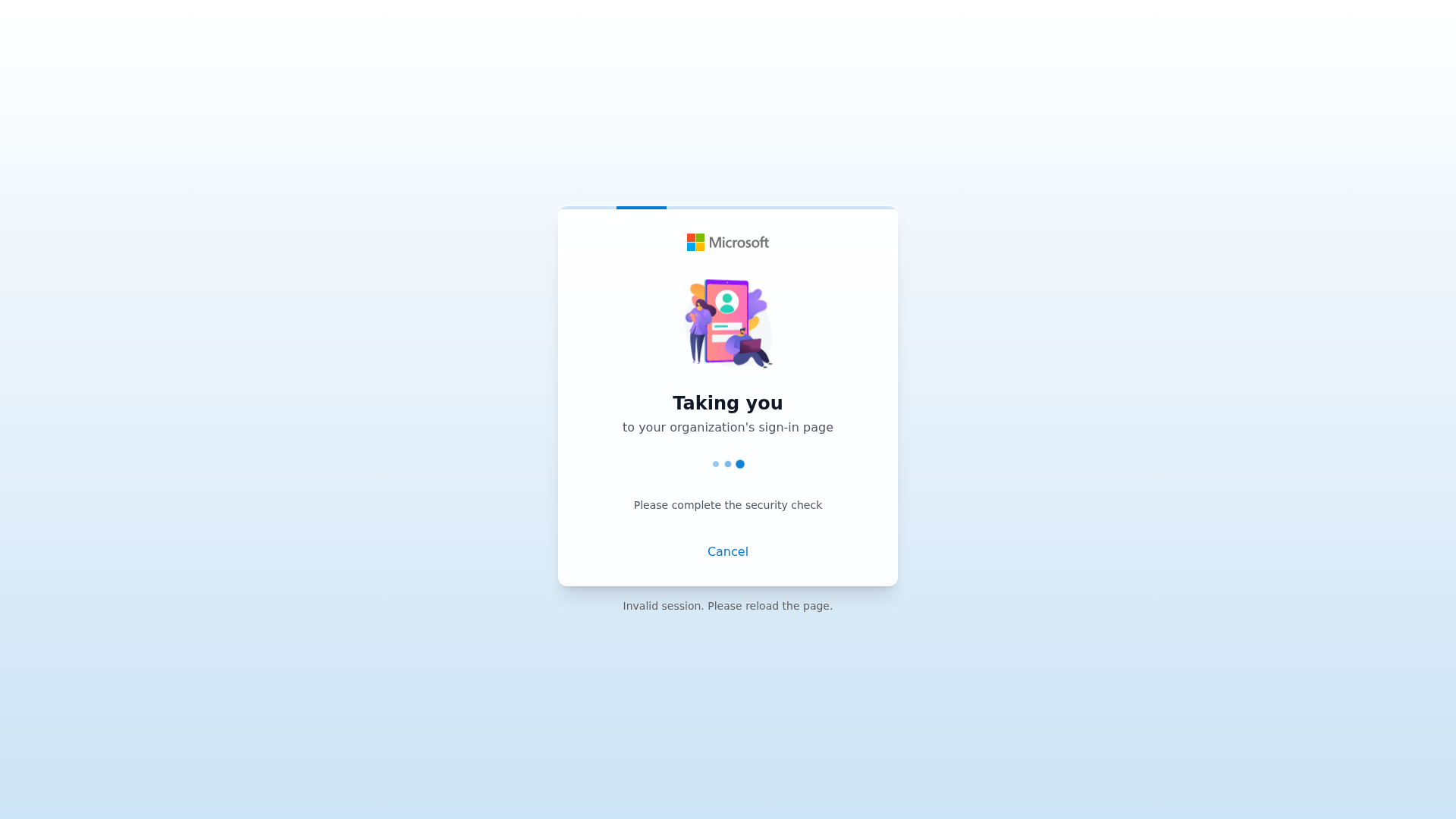
Visual Capture
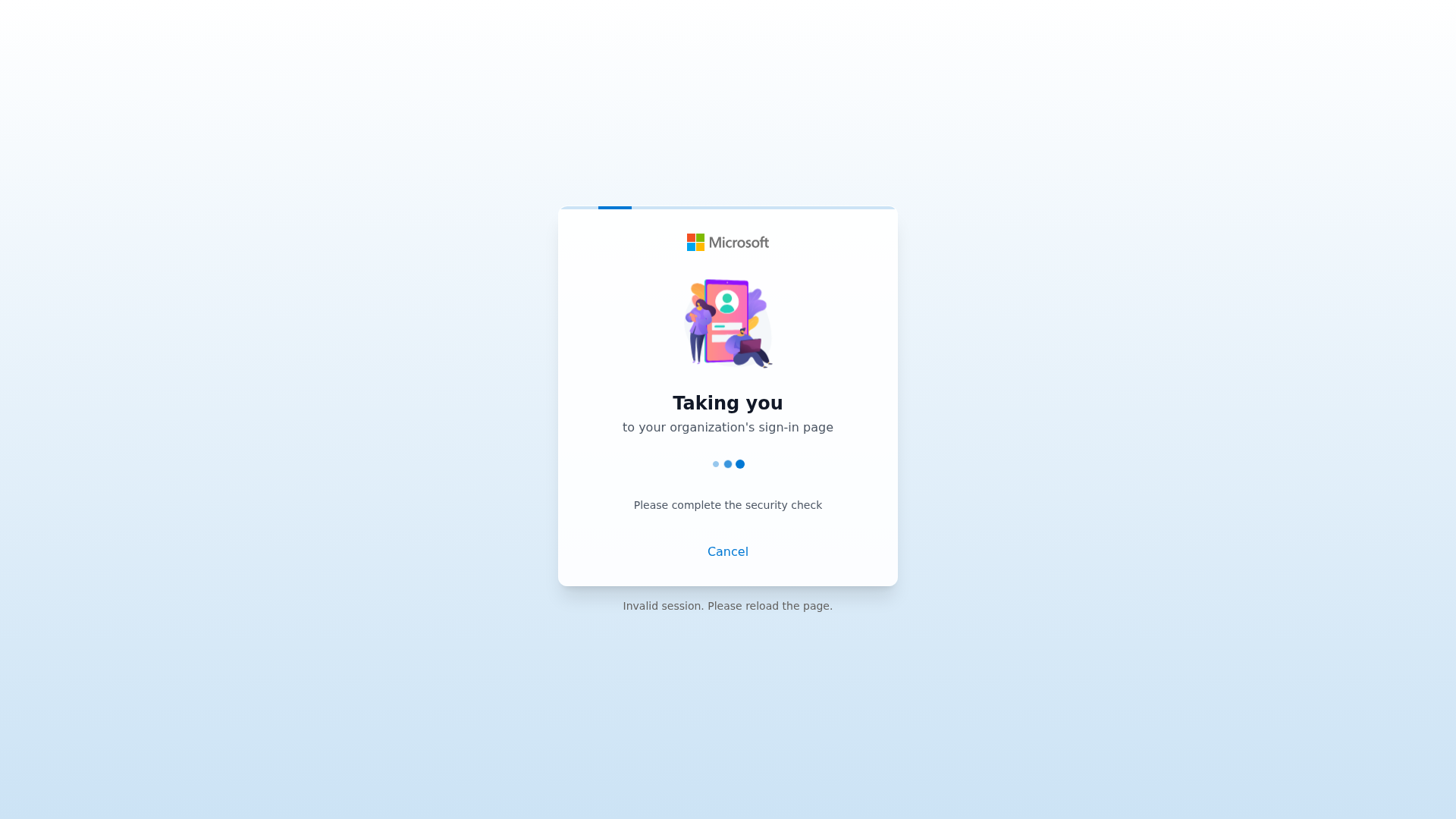
Detection Info
https://pub-672af1a6c4ff4ba09d5184f4567662a2.r2.dev/index.html?39d82a39eebea1243526565fd01ad6/
Detected Brand
Microsoft
Country
International
Confidence
100%
HTTP Status
200
Report ID
3e334816-a0e…
Analyzed
2026-01-04 13:18
Content Hashes (HTML Similarity)
Used to detect similar phishing pages based on HTML content
| Algorithm | Hash Value |
|---|---|
|
CONTENT
TLSH
|
T16831ACB1B0055A3350C3C6E5A2B1A75AB6C0C246C697CB0EF6E8A3891BC3D99CC801A0 |
|
CONTENT
ssdeep
|
48:n6+2FaQ5yi3sf//cIgwH8hiGOEqRLsNkk7Xfq8Q5:n6ZwQQp3dgwR6xi8Q5 |
Visual Hashes (Screenshot Similarity)
Used to detect visually similar phishing pages based on screenshots
| Algorithm | Hash Value |
|---|---|
|
VISUAL
pHash
|
9bb320ccc6679999 |
|
VISUAL
aHash
|
ffffffe718180000 |
|
VISUAL
dHash
|
00102a2ab2b20c10 |
|
VISUAL
wHash
|
ffffffc618180000 |
|
VISUAL
colorHash
|
07001280000 |
|
VISUAL
cropResistant
|
00102a2ab2b20c10 |
Code Analysis
Risk Score
95/100
Threat Level
ALTO
⚠️ Phishing Confirmed
🎣 Credential Harvester
🎣 OTP Stealer
🎣 Card Stealer
🎣 Banking
🎣 Personal Info
🔬 Threat Analysis Report
• Threat: Microsoft login page phishing
• Target: Microsoft users in general
• Method: Redirects user to a fake sign-in page to possibly steal credentials
• Exfil: Likely a custom API due to javascript obfuscation
• Indicators: Free hosting (r2.dev), domain mismatch, javascript obfuscation
• Risk: HIGH - Potential data theft via credential harvesting
🔒 Obfuscation Detected
- atob
- eval
- fromCharCode
- unicode_escape
- base64_strings
📡 API Calls Detected
- ${TW}
Similar Websites
Pages with identical visual appearance (based on perceptual hash)
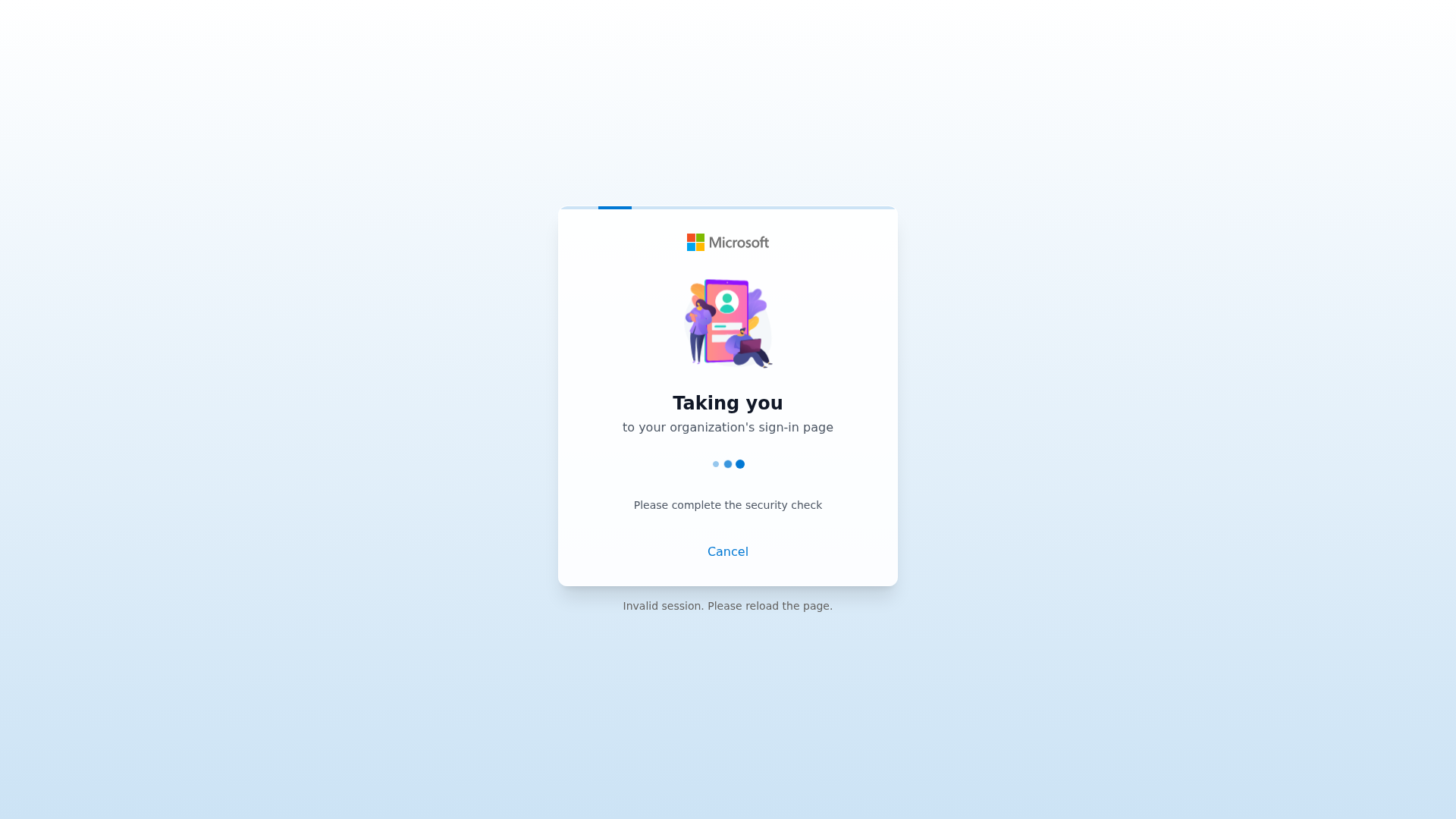
Microsoft
https://pub-2850cd5d83b9406498615dc0f50afc0d.r2.dev/index.ht...
Apr 12, 2026
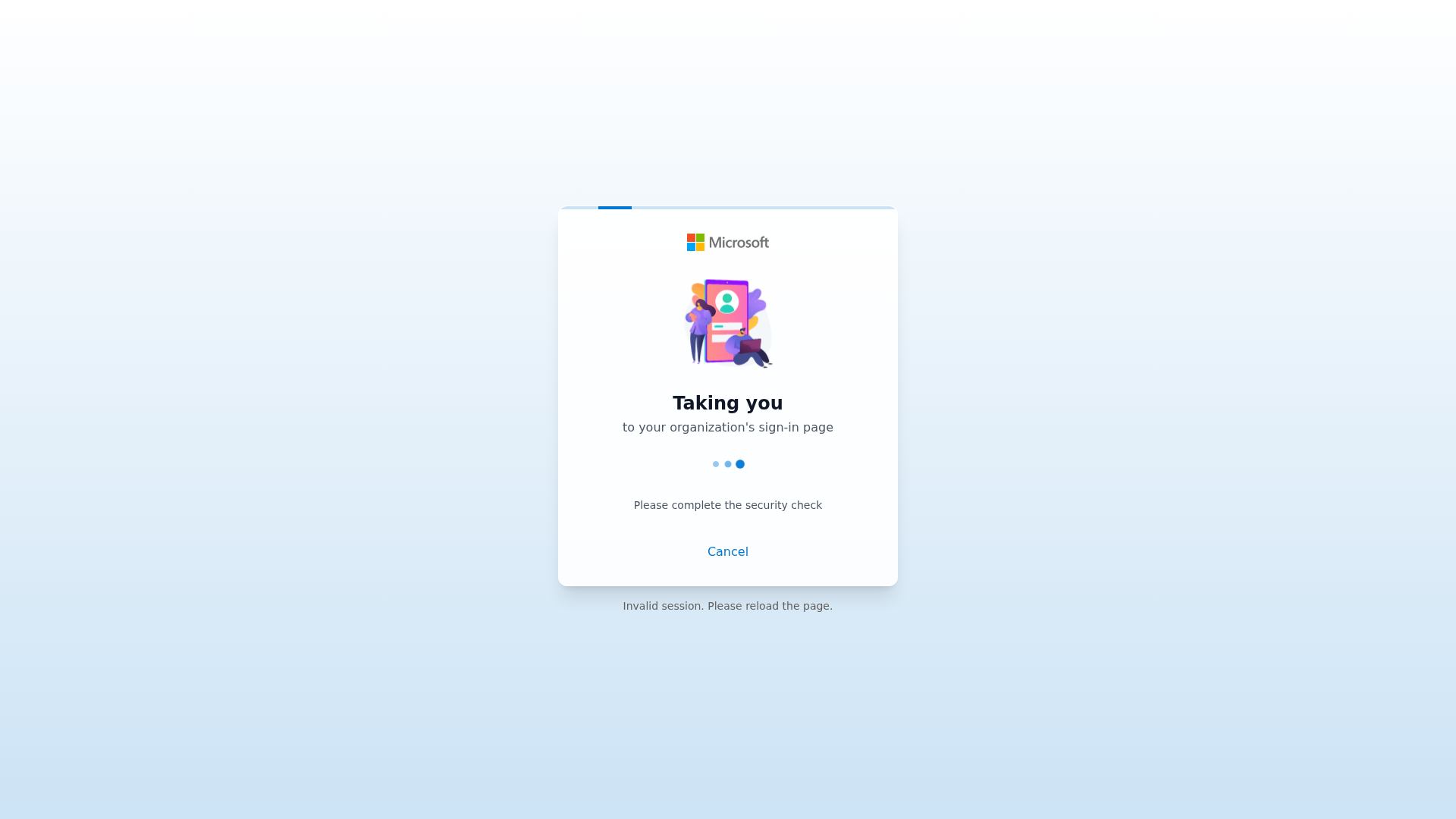
Microsoft
https://pub-9e2030303d9b43ffaedcde988f24645c.r2.dev/index.ht...
Mar 02, 2026
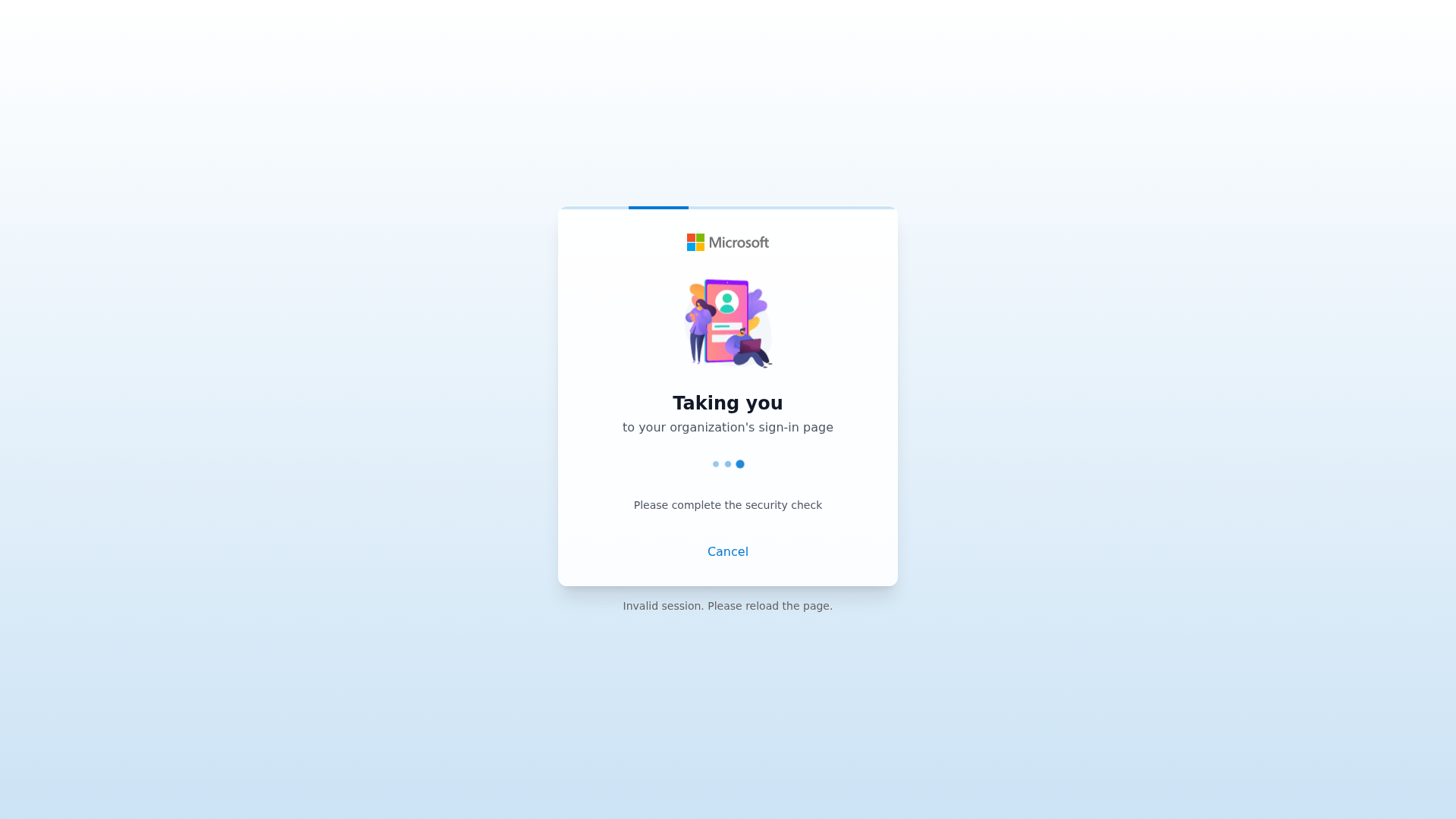
Microsoft
https://pub-a05052f21b2c4d8da177bc97c77fa992.r2.dev/index.ht...
Jan 14, 2026
Microsoft
https://pub-2850cd5d83b9406498615dc0f50afc0d.r2.dev/index.ht...
Jan 13, 2026

"I Never Thought It Would Happen to Me"
That's what 2.3 million victims say every year. Don't wait to become a statistic.