
Phishing Analysis
Detailed analysis of captured phishing page
Visual Capture
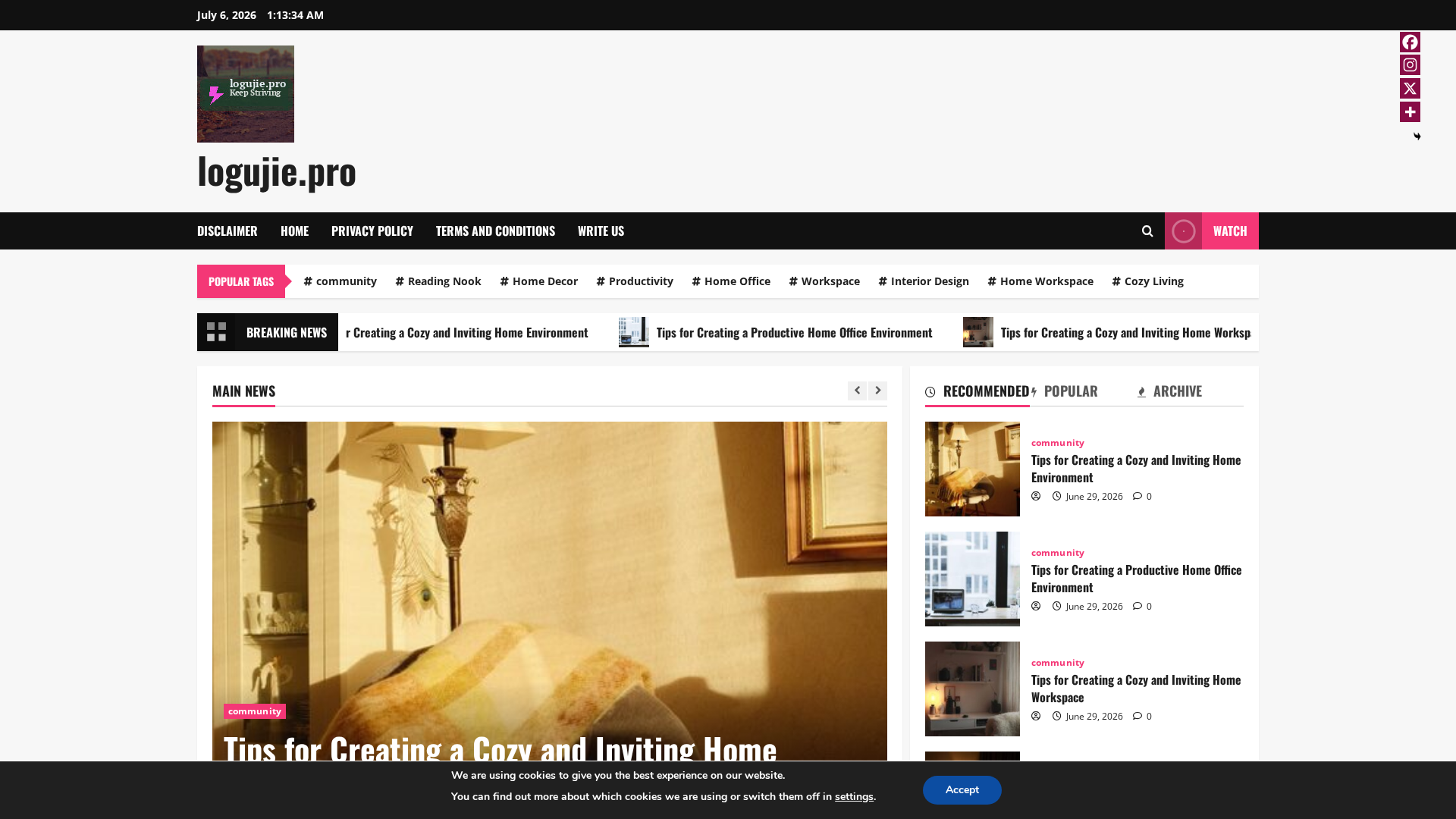
Detection Info
https://logujie.pro/
Detected Brand
Unknown
Country
Unknown
Confidence
100%
HTTP Status
200
Report ID
446e694a-99b…
Analyzed
2026-07-05 23:15
Content Hashes (HTML Similarity)
Used to detect similar phishing pages based on HTML content
| Algorithm | Hash Value |
|---|---|
|
CONTENT
TLSH
|
T163D351B2D168047B6227D2C943787F5FB681864BCFA3079A6AE8C3D05F8BEC1EC12555 |
|
CONTENT
ssdeep
|
3072:d1OVbRxDGgSk7H1TYTyli1zWFGYTyq63YgVm7nVm7iVm7432vFJDFDSzf:d6H1kq |
Visual Hashes (Screenshot Similarity)
Used to detect visually similar phishing pages based on screenshots
| Algorithm | Hash Value |
|---|---|
|
VISUAL
pHash
|
bfc343be59ec4024 |
|
VISUAL
aHash
|
3ebf00ff97978300 |
|
VISUAL
dHash
|
626262632e26262e |
|
VISUAL
wHash
|
00bf02ffb7b7a300 |
|
VISUAL
colorHash
|
07c00010000 |
|
VISUAL
cropResistant
|
60626a632e2e262e,8060809090608102,b999eab2b6d1b630,451de5e5e5e51d85,4040404040404040,2f2e2f27262f2ee1,3c3e3e3c3c3c2607 |
Code Analysis
Risk Score
100/100
Threat Level
ALTO
⚠️ Phishing Confirmed
🎣 Credential Harvester
🎣 OTP Stealer
🎣 Banking
🎣 Personal Info
🔐 Credential Harvesting Forms
🔒 Obfuscation Detected
- eval
- fromCharCode
- unescape
- unicode_escape
🎯 Kit Endpoints
- https://logujie.pro/wp-includes/js/jquery/jquery-migrate.min.js?ver=3.4.1
- https://logujie.pro/write-us/
- https://logujie.pro/tips-for-creating-a-productive-home-office-environment/#respond
- https://logujie.pro/comments/feed/
- https://logujie.pro/tips-for-creating-a-cozy-and-inviting-home-workspace-3/
- https://logujie.pro/tips-for-creating-a-cozy-and-inviting-home-workspace-4/#respond
- mailto:[email protected]
- https://logujie.pro/privacy-policy-2/
- https://logujie.pro/category/workspace/
- https://logujie.pro/wp-content/themes/morenews/js/skip-link-focus-fix.js?ver=1.1.22
- https://logujie.pro/category/home-workspace/
- https://logujie.pro/
- https://logujie.pro/category/interior-design/
- https://logujie.pro/wp-json/oembed/1.0/embed?url=https%3A%2F%2Flogujie.pro%2F
- https://logujie.pro/category/home-office/
- https://logujie.pro/wp-includes/js/jquery/jquery.min.js?ver=3.7.1
- https://logujie.pro/tips-for-creating-a-relaxing-home-workspace-to-boost-productivity/
- https://logujie.pro/tips-for-creating-a-relaxing-home-workspace-to-boost-productivity-2/
- https://logujie.pro/tips-for-creating-a-cozy-and-inviting-reading-nook-in-your-home/#respond
- https://logujie.pro/tips-for-creating-a-cozy-and-inviting-home-office-space/
- https://logujie.pro/wp-json/wp/v2/pages/6
- https://logujie.pro/tips-for-creating-a-cozy-and-inviting-home-workspace/
- https://logujie.pro/feed/
- https://logujie.pro/tips-for-creating-a-cozy-and-inviting-living-space-on-a-budget/
- https://logujie.pro/wp-content/plugins/sassy-social-share/public/js/sassy-social-share-public.js?ver=3.3.76
- https://logujie.pro/tips-for-creating-a-cozy-and-productive-home-office-space-2/
- https://logujie.pro/category/community/
- https://logujie.pro/tips-for-creating-a-cozy-and-inviting-home-environment/
- https://logujie.pro/tips-for-creating-a-relaxing-home-workspace-to-boost-productivity-2/#respond
- https://logujie.pro/author/
- https://logujie.pro/tips-for-creating-a-cozy-and-inviting-home-office-space-2/
- https://logujie.pro/wp-json/oembed/1.0/embed?url=https%3A%2F%2Flogujie.pro%2F&format=xml
- https://logujie.pro
- https://logujie.pro/wp-content/themes/newsday/style.css?ver=1.1.22
- https://logujie.pro/wp-content/themes/morenews/js/navigation.js?ver=1.1.22
- https://logujie.pro/tips-for-creating-a-relaxing-home-workspace-to-boost-productivity/#respond
- https://logujie.pro/wp-content/themes/morenews/style.css?ver=7.0
- https://logujie.pro/tips-for-creating-a-cozy-and-inviting-living-space-on-a-budget/#respond
- https://logujie.pro/tips-for-creating-a-cozy-and-inviting-home-environment/#respond
- https://logujie.pro/wp-includes/js/imagesloaded.min.js?ver=5.0.0
- https://logujie.pro/xmlrpc.php?rsd
- https://logujie.pro/category/productivity/
- https://logujie.pro/tips-for-creating-a-cozy-and-inviting-home-workspace/#respond
- https://logujie.pro/wp-json/
- https://logujie.pro/tips-for-creating-a-cozy-and-inviting-reading-nook-in-your-home/
- https://logujie.pro/tips-for-creating-a-cozy-and-inviting-home-workspace-2/
- https://logujie.pro/tips-for-creating-a-cozy-and-inviting-home-workspace-4/
- https://logujie.pro/category/home-decor/
- https://logujie.pro/category/reading-nook/
- https://logujie.pro/tips-for-creating-a-cozy-and-inviting-home-office-space-2/#respond
- https://logujie.pro/wp-content/plugins/sassy-social-share/public/css/sassy-social-share-public.css?ver=3.3.76
- https://logujie.pro/terms-and-conditions/
- https://logujie.pro/category/cozy-living/
- https://logujie.pro/disclaimer/
- https://logujie.pro/wp-includes/js/wp-emoji-release.min.js?ver=7.0
- https://logujie.pro/tips-for-creating-a-productive-home-office-environment/
📡 API Calls Detected
- POST
📤 Form Action Targets
- https://logujie.pro/
📊 Risk Score Breakdown
Total Risk Score
100/100
Contributing Factors
Active Phishing Kit
Detected kit types: Credential Harvester, OTP Stealer, Banking, Personal Info
Credential Harvesting
Credential harvesting detected with 3 form(s) capturing sensitive data
Code Obfuscation
JavaScript code obfuscated using 636 technique(s) to evade detection
🔬 Comprehensive Threat Analysis
Threat Type
Banking Credential Harvester
Target
General public
Attack Method
credential harvesting forms + obfuscated JavaScript
Exfiltration Channel
HTTP POST to backend
Risk Assessment
CRITICAL - Automated credential harvesting with HTTP POST to backend
⚠️ Indicators of Compromise
- Kit types: Credential Harvester, OTP Stealer, Banking, Personal Info
- 636 obfuscation techniques
🏢 Brand Impersonation Analysis
Impersonated Brand
Generic Phishing
Official Website
N/A
Fake Service
Banking/payment service
⚔️ Attack Methodology
Primary Method: Credential Harvesting
Victim enters username and password into fake login form. Credentials are captured via JavaScript and exfiltrated to attacker's server in real-time.
Secondary Method: JavaScript Obfuscation
Malicious code is obfuscated using 636 techniques to evade detection by security scanners and make reverse engineering more difficult.
🌐 Infrastructure Indicators of Compromise
Domain Information
Domain
logujie.pro
Registered
Unknown
Registrar
None
Status
Age unknown
Hosting Information
Provider
Unknown
ASN
🤖 AI-Extracted Threat Intelligence

"I Never Thought It Would Happen to Me"
That's what 2.3 million victims say every year. Don't wait to become a statistic.