
Phishing Analysis
Detailed analysis of captured phishing page
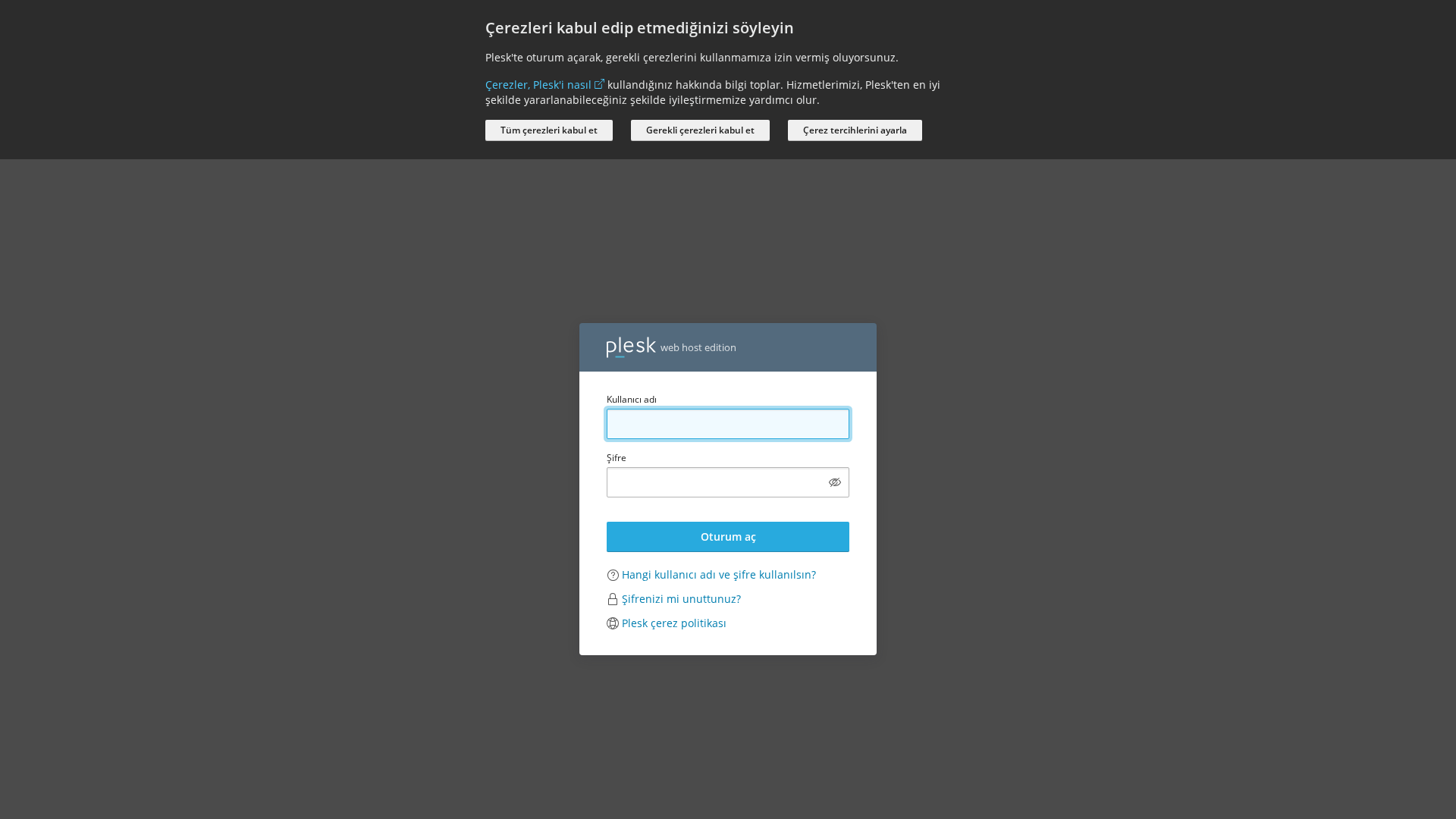
Visual Capture
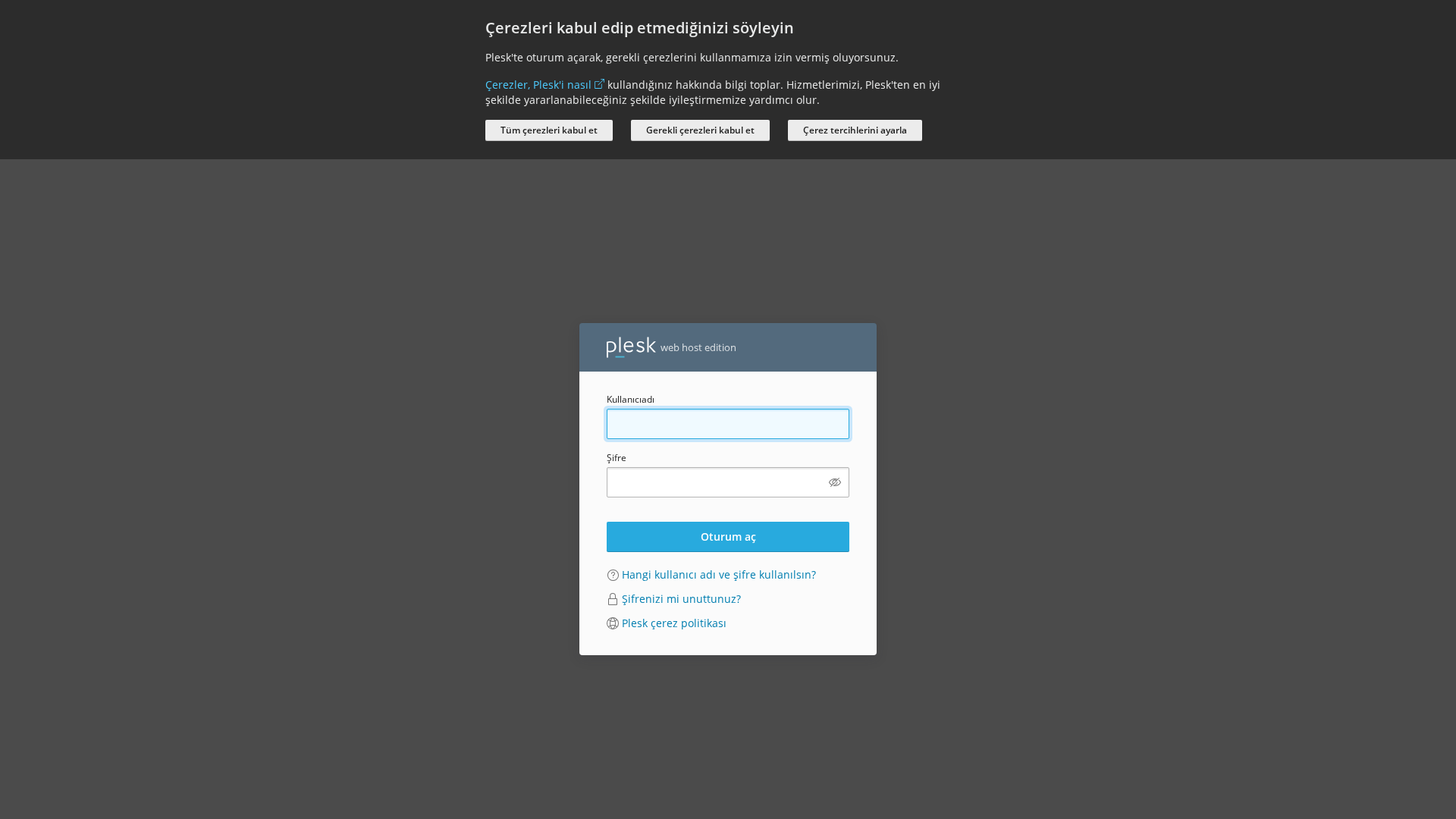
Detection Info
https://foodentech.com/
Detected Brand
Plesk
Country
International
Confidence
100%
HTTP Status
200
Report ID
4e7ae0f9-b24…
Analyzed
2026-02-23 06:53
Final URL (after redirects)
https://foodentech.com/login_up.php
Content Hashes (HTML Similarity)
Used to detect similar phishing pages based on HTML content
| Algorithm | Hash Value |
|---|---|
|
CONTENT
TLSH
|
T149E1EC61584CEC3723235FC2B9927705E2DAC66EC6530A14DABC439E0FEBED2E046657 |
|
CONTENT
ssdeep
|
192:0IQJK5YM5Anv5C5CW4leyj1e8UNjXkSdjgQS/j3KSTQz:0IQJK50Rep4n1e8UNjXkSdjgQS/j3KSA |
Visual Hashes (Screenshot Similarity)
Used to detect visually similar phishing pages based on screenshots
| Algorithm | Hash Value |
|---|---|
|
VISUAL
pHash
|
cc6666cd4c763632 |
|
VISUAL
aHash
|
0018001818181800 |
|
VISUAL
dHash
|
72724cb2b2b2b24c |
|
VISUAL
wHash
|
001808183f3f3f3f |
|
VISUAL
colorHash
|
07007000080 |
|
VISUAL
cropResistant
|
a2a2828033a2989a,72724cb2b2b2b24c |
Code Analysis
Risk Score
85/100
Threat Level
ALTO
⚠️ Phishing Confirmed
🎣 Credential Harvester
🎣 OTP Stealer
🎣 Card Stealer
🎣 Banking
🎣 Personal Info
🔬 Threat Analysis Report
• Threat: Phishing
• Target: Plesk users
• Method: Credential Harvesting
• Exfil: Unknown
• Indicators: Domain mismatch, login form, obfuscated JS
• Risk: HIGH
🔒 Obfuscation Detected
- eval
- fromCharCode
- unescape
- unicode_escape
- base64_strings
🎯 Kit Endpoints
- https://support.plesk.com/hc/en-us/articles/213413369-How-to-log-in-to-Plesk-
- /login_up.php?modals[cookie-policy-preferences]=true
- ${(0,m.default)(`/admin/report/download/file/${encodeURIComponent(t.file)}`)}
- /logout.php
- log-in
📡 API Calls Detected
- GET
- /modules/notifier/index.php/notifications
- POST
- .concat(JSON.stringify(e),
📊 Risk Score Breakdown
Total Risk Score
90/100
Contributing Factors
Domain Mismatch
The domain foodentech.com is not associated with Plesk.
Obfuscated Javascript
Javascript is obfuscated to hide malicious behavior. (eval, fromCharCode, unescape)
Forms Present - Login
Forms with username/password fields.
🔬 Comprehensive Threat Analysis
Threat Type
Banking Credential Harvester
Target
Plesk users (International)
Attack Method
Brand impersonation + credential harvesting forms + obfuscated JavaScript
Exfiltration Channel
Form submission (backend endpoint not detected - likely JavaScript-based)
Risk Assessment
CRITICAL - Automated credential harvesting with Form submission (backend endpoint not detected - likely JavaScript-based)
⚠️ Indicators of Compromise
- Kit types: Credential Harvester, OTP Stealer, Card Stealer, Banking, Personal Info
- 48 obfuscation techniques
🏢 Brand Impersonation Analysis
Impersonated Brand
Plesk
Official Website
https://www.plesk.com
Fake Service
Plesk Login
⚔️ Attack Methodology
Primary Method: Credential Harvesting
The site presents a login form designed to steal the user's Plesk username and password. The user enters their credentials, and the data is sent to the attacker.
Secondary Method: Javascript Obfuscation
The site uses obfuscated JavaScript, making it harder to analyze the malicious code.
🌐 Infrastructure Indicators of Compromise
Domain Information
Domain
foodentech.com
Registered
2021-01-07 11:40:21+00:00
Registrar
Unknown
Status
ACTIVE
🤖 AI-Extracted Threat Intelligence
Similar Websites
Pages with identical visual appearance (based on perceptual hash)
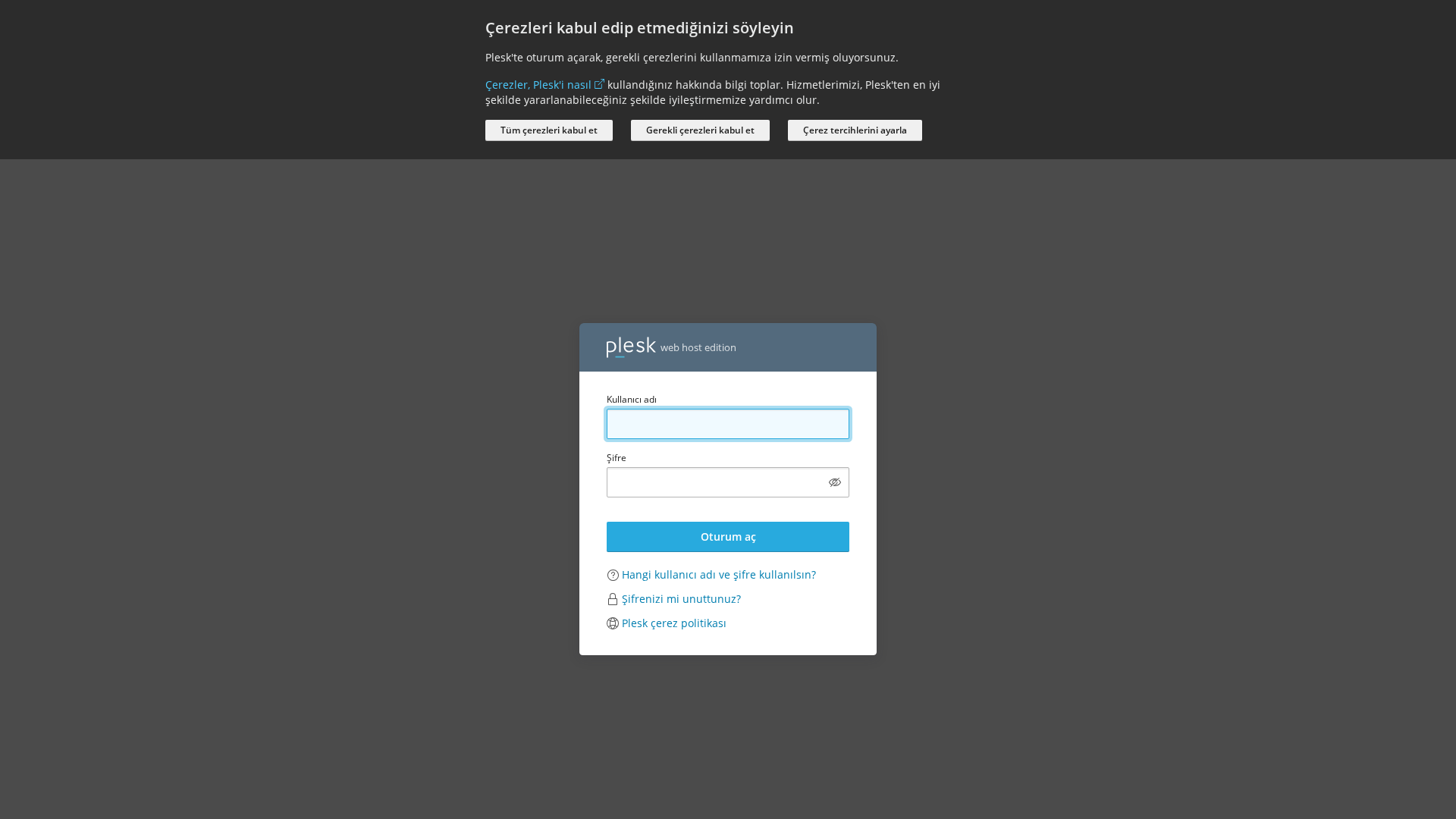
Plesk
https://tokibasv3urdumunnngeldi.xyz/login.php
Jul 15, 2026
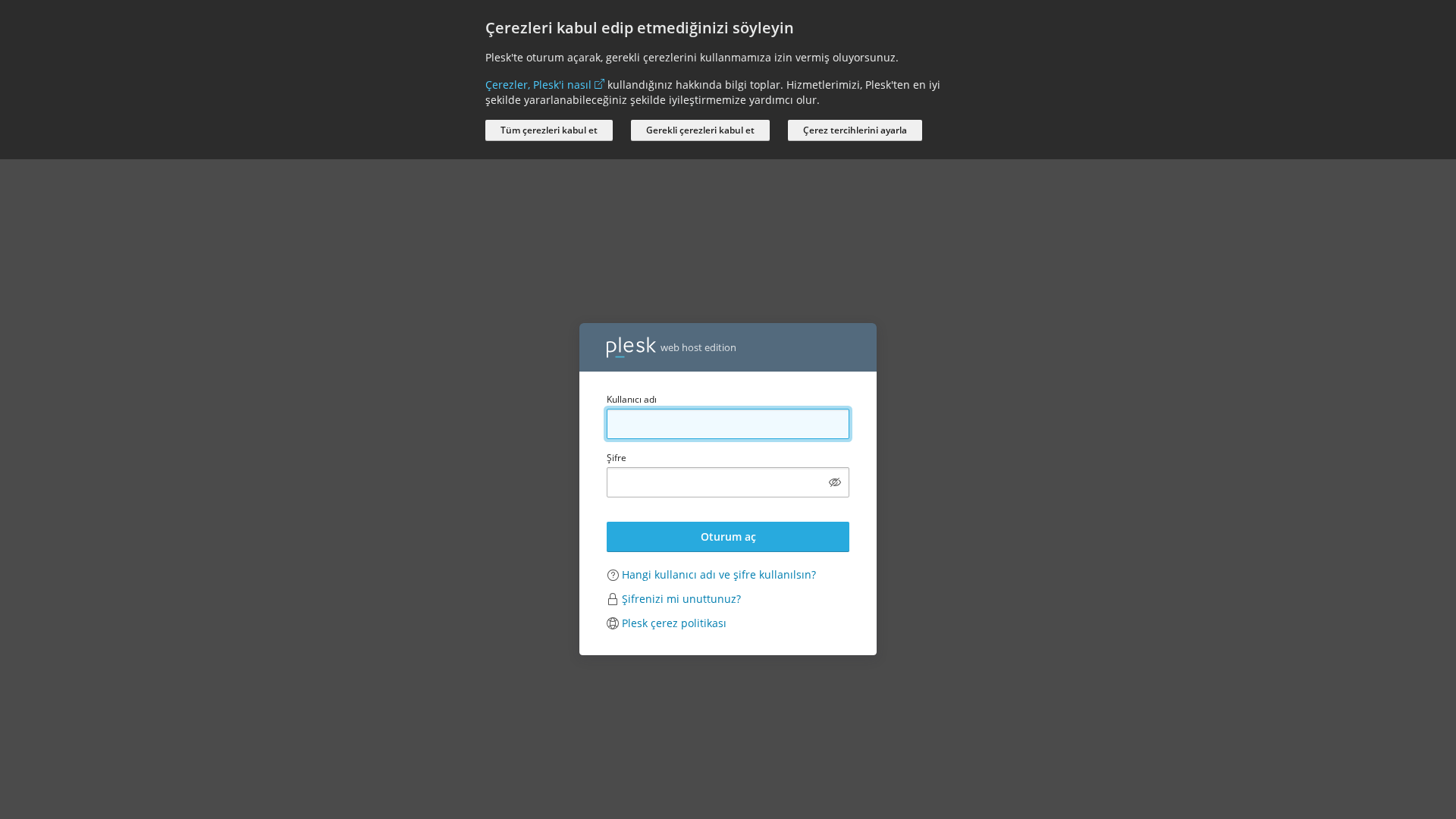
Unknown
https://cdn.gosafemode.com/screenshots/0890197930e5.png
May 07, 2026
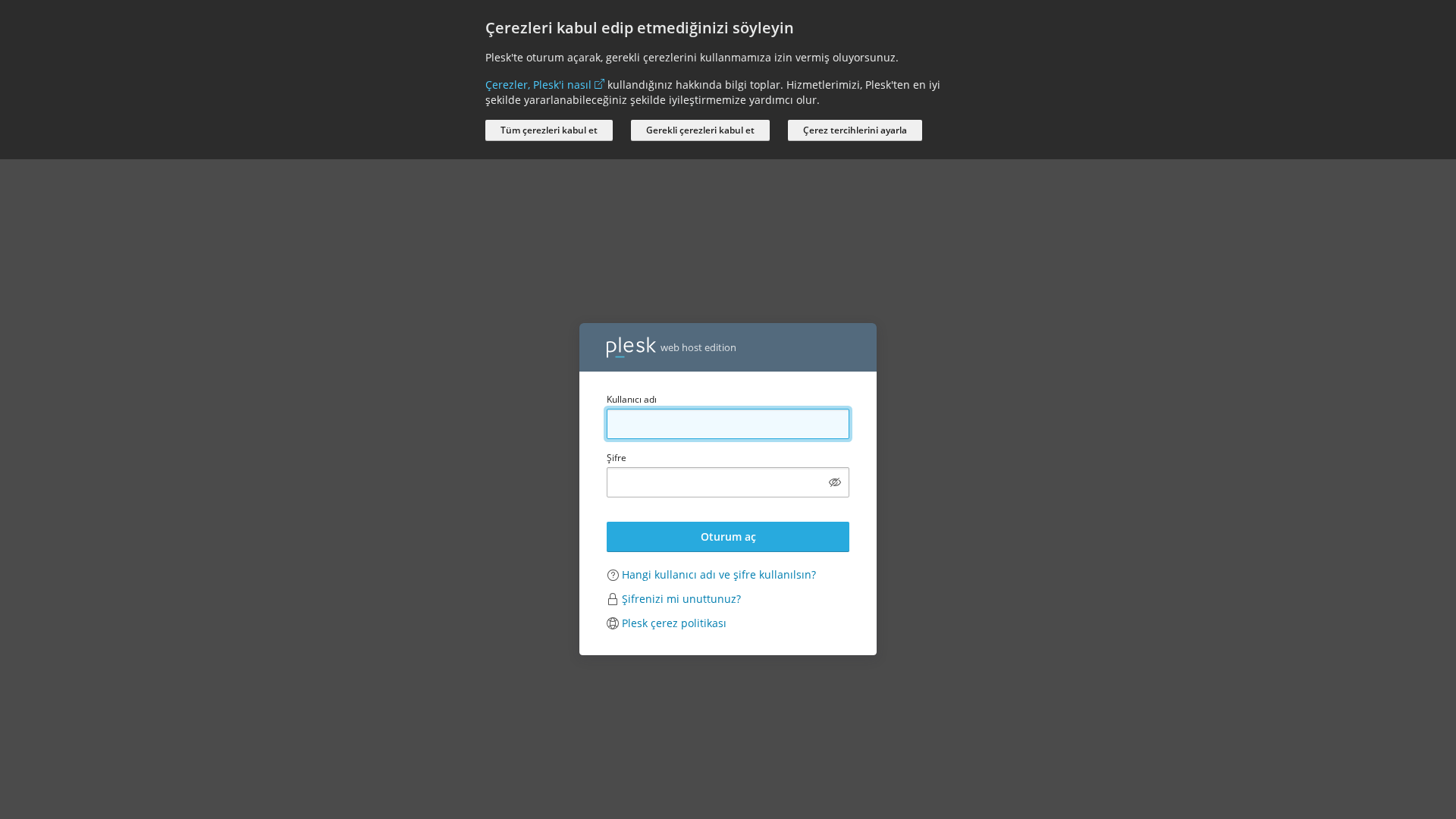
Unknown
https://haber360tr.com/
Mar 20, 2026
No screenshot
Plesk
https://www.telegram.beethovenstore.com
Jan 05, 2026
Plesk
https://www.aggiorniamo-ora-i-dati-per-la-verifica-spid.mast...
Jan 05, 2026

"I Never Thought It Would Happen to Me"
That's what 2.3 million victims say every year. Don't wait to become a statistic.