
Phishing Analysis
Detailed analysis of captured phishing page
Visual Capture
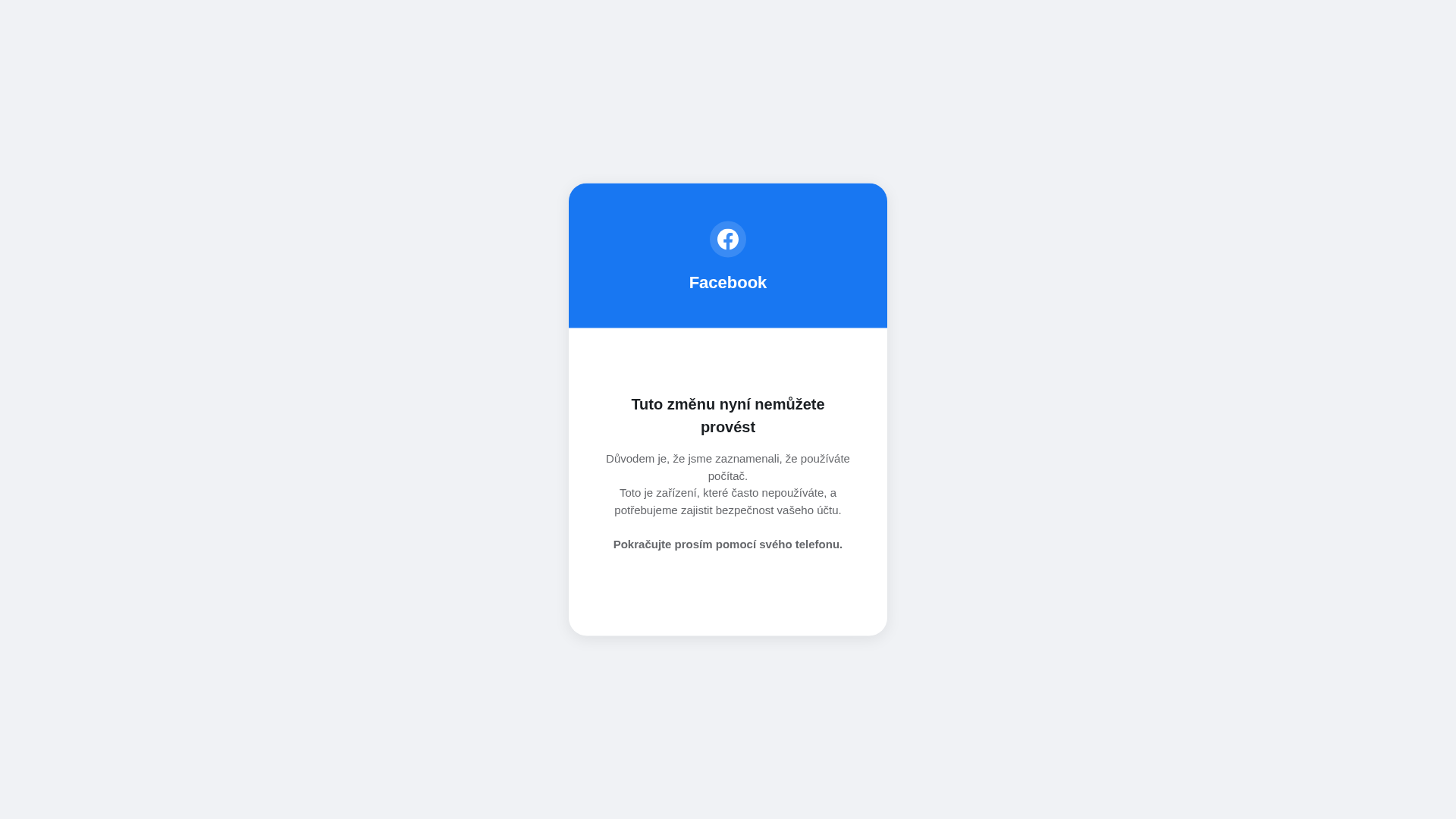
Detection Info
http://207.246.122.197/paris/?lang=cs
Detected Brand
Facebook
Country
Unknown
Confidence
100%
HTTP Status
200
Report ID
53c96311-6f8…
Analyzed
2026-06-23 06:24
Content Hashes (HTML Similarity)
Used to detect similar phishing pages based on HTML content
| Algorithm | Hash Value |
|---|---|
|
CONTENT
TLSH
|
T1E32183B28C70A09A03134BE889E0B60A36DAD74E5E43058079DAC7AE06CCEE6EC11C1D |
|
CONTENT
ssdeep
|
24:hPcOupTjCE1Z4QOdsXQSKeemWYYtExanGlsc56g2nWVmjiAsZA4:pLupPLZ41CQhe7WWS+Nz2nomjUA4 |
Visual Hashes (Screenshot Similarity)
Used to detect visually similar phishing pages based on screenshots
| Algorithm | Hash Value |
|---|---|
|
VISUAL
pHash
|
a6669999cc663366 |
|
VISUAL
aHash
|
ffe7e7e7ffffffff |
|
VISUAL
dHash
|
324c4d4c2a323008 |
|
VISUAL
wHash
|
3c24242418181c0c |
|
VISUAL
colorHash
|
070000001c0 |
|
VISUAL
cropResistant
|
324c4d4c2a323008,100832320c32320c |
Code Analysis
Risk Score
100/100
Threat Level
ALTO
⚠️ Phishing Confirmed
🎣 Credential Harvester
⚡ Supabase Backend
☁️ Cloud Backend
- Supabase: kphrecgqvtdxyqxzpjvc.supabase.co
📊 Risk Score Breakdown
Total Risk Score
100/100
Contributing Factors
Active Phishing Kit
Detected kit types: Credential Harvester
🔬 Comprehensive Threat Analysis
Threat Type
Credential Harvesting Kit
Target
Facebook users
Attack Method
Phishing webpage
Exfiltration Channel
Supabase Database
Risk Assessment
CRITICAL - Automated credential harvesting with Supabase Database
⚠️ Indicators of Compromise
- Kit types: Credential Harvester
🏢 Brand Impersonation Analysis
Impersonated Brand
Facebook
Official Website
https://www.facebook.com
Fake Service
Credential harvesting service
⚔️ Attack Methodology
Primary Method: Credential Harvesting
Victim enters username and password into fake login form. Credentials are captured via JavaScript and exfiltrated to attacker's server in real-time.
Secondary Method: Multi-Chain Wallet Draining
Victim connects wallet and signs malicious transactions. Attacker drains tokens across multiple blockchain networks using chain-specific draining methods (Approve, TransferFrom, Set Authority, etc.).
Target Blockchain
Multiple blockchains
Whitelist Bypass
YES
Drainer supports multiple blockchain networks and checks for high-value tokens on each chain before executing drain operations.
🌐 Infrastructure Indicators of Compromise
Domain Information
Domain
207.246.122.197
Registered
2022-03-10 16:58:11+00:00
Registrar
ENOM, INC.
Status
Active (older domain)
Hosting Information
Provider
ENOM, INC.
ASN
🤖 AI-Extracted Threat Intelligence

"I Never Thought It Would Happen to Me"
That's what 2.3 million victims say every year. Don't wait to become a statistic.