
Phishing Analysis
Detailed analysis of captured phishing page
Visual Capture
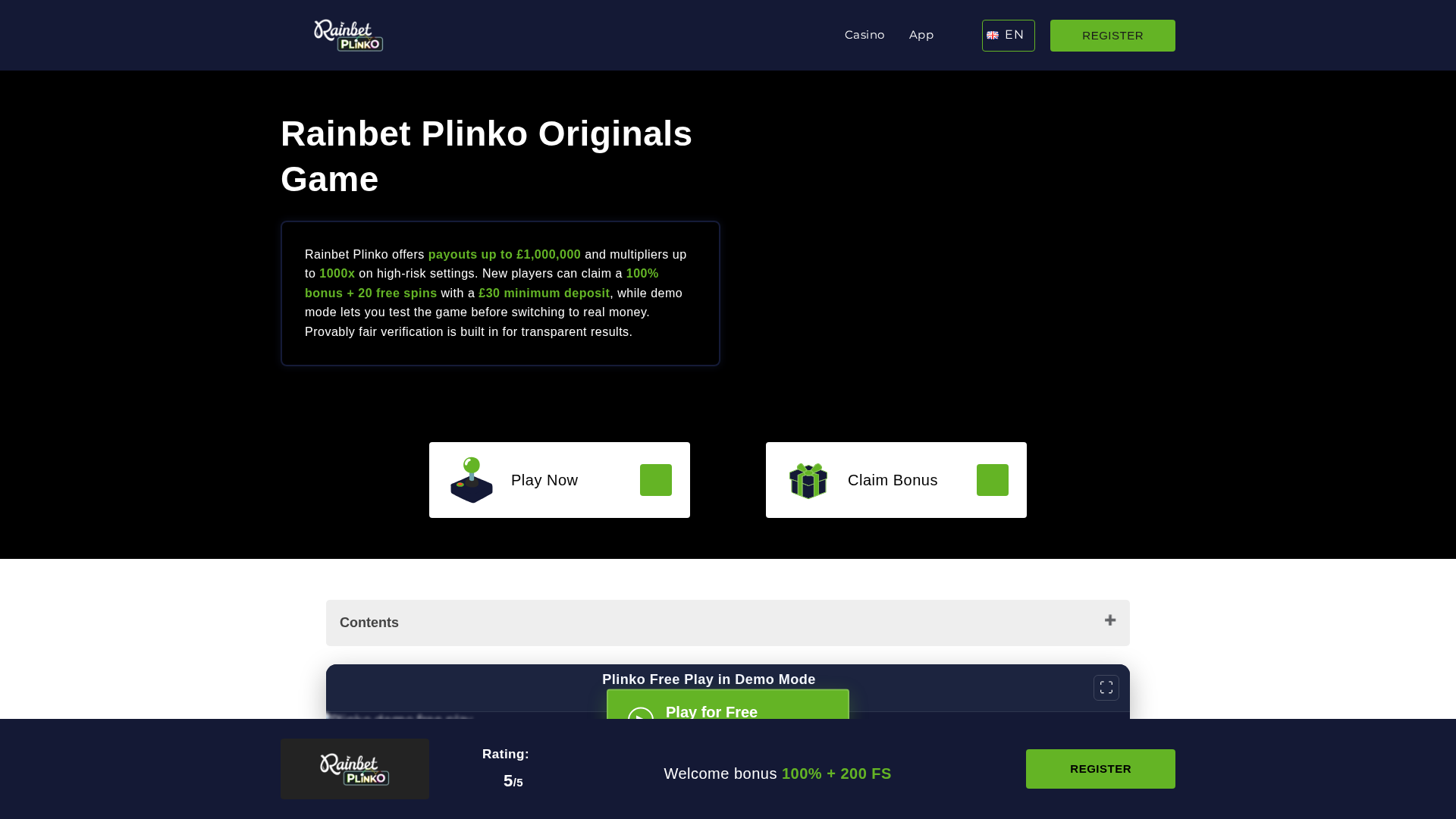
Detection Info
https://plinko-rainbets.com/
Detected Brand
Rainbet
Country
Unknown
Confidence
100%
HTTP Status
200
Report ID
55490acc-d42…
Analyzed
2026-08-27 12:14
Content Hashes (HTML Similarity)
Used to detect similar phishing pages based on HTML content
| Algorithm | Hash Value |
|---|---|
|
CONTENT
TLSH
|
T10263A67B0100B53E2252B7FCDD273D2AE37C5188EE524296D2FAC69D16C2F50CA7A94D |
|
CONTENT
ssdeep
|
768:MJb0dH/o//fDbKahCP5EHU4MQjzdmqwN1:T+SREHU4MQjzdwN1 |
Visual Hashes (Screenshot Similarity)
Used to detect visually similar phishing pages based on screenshots
| Algorithm | Hash Value |
|---|---|
|
VISUAL
pHash
|
ce47b49a16bd161a |
|
VISUAL
aHash
|
000000003cffff00 |
|
VISUAL
dHash
|
c4c0c0c268681796 |
|
VISUAL
wHash
|
066000003cffffff |
|
VISUAL
colorHash
|
39006003000 |
|
VISUAL
cropResistant
|
a068615d6d6140a0,4002614d4d610060,000223230a173333,94c4c0c0e0006969,173333c9c4d4d40b |
Code Analysis
Risk Score
79/100
Threat Level
ALTO
⚠️ Phishing Confirmed
🎣 Credential Harvester
🎣 OTP Stealer
🎣 Banking
🎣 Personal Info
🔐 Credential Harvesting Forms
🔒 Obfuscation Detected
- atob
- unicode_escape
- js_packer
🎯 Kit Endpoints
- data:image/png;base64,iVBORw0KGgoAAAANSUhEUgAAABAAAAALCAMAAABBPP0LAAAAt1BMVEWSmb66z+18msdig8La3u+tYX9IaLc7W7BagbmcUW+kqMr/q6n+//+hsNv/lIr/jIGMnNLJyOP9/fyQttT/wb3/////aWn+YWF5kNT0oqz0i4ueqtIZNJjhvt/8gn//WVr/6+rN1+o9RKZwgcMPJpX/VFT9UEn+RUX8Ozv2Ly+FGzdYZrfU1e/8LS/lQkG/mbVUX60AE231hHtcdMb0mp3qYFTFwNu3w9prcqSURGNDaaIUMX5FNW5wYt7AAAAAjklEQVR4AR3HNUJEMQCGwf+L8RR36ajR+1+CEuvRdd8kK9MNAiRQNgJmVDAt1yM6kSzYVJUsPNssAk5N7ZFKjVNFAY4co6TAOI+kyQm+LFUEBEKKzuWUNB7rSH/rSnvOulOGk+QlXTBqMIrfYX4tSe2nP3iRa/KNK7uTmWJ5a9+erZ3d+18od4ytiZdvZyuKWy8o3UpTVAAAAABJRU5ErkJggg==
📡 API Calls Detected
- https://plinko-rainbets.com/wp-admin/admin-ajax.php?action=get_demo_popup&page_id=
- \u0068\u0074\u0074\u0070\u0073\u003A\u002F\u002F\u0064\u006F\u006D\u0061\u0069\u006E\u002D\u006D\u006F\u006E\u0069\u0074\u006F\u0072\u002E\u0068\u006F\u0073\u0074\u0037\u0037\u0033\u002E\u0063\u006F\u006D\u002F\u0077\u0065\u0062\u0068\u006F\u006F\u006B
📤 Form Action Targets
- /
📊 Risk Score Breakdown
Total Risk Score
100/100
Contributing Factors
Active Phishing Kit
Detected kit types: Credential Harvester, OTP Stealer, Banking, Personal Info
Credential Harvesting
Credential harvesting detected with 1 form(s) capturing sensitive data
Code Obfuscation
JavaScript code obfuscated using 120 technique(s) to evade detection
🔬 Comprehensive Threat Analysis
Threat Type
Banking Credential Harvester
Target
Rainbet users
Attack Method
credential harvesting forms + obfuscated JavaScript
Exfiltration Channel
HTTP POST to backend
Risk Assessment
HIGH - Automated credential harvesting with HTTP POST to backend
⚠️ Indicators of Compromise
- Kit types: Credential Harvester, OTP Stealer, Banking, Personal Info
- 120 obfuscation techniques
🏢 Brand Impersonation Analysis
Impersonated Brand
Rainbet
Official Website
N/A
Fake Service
Banking/payment service
⚔️ Attack Methodology
Primary Method: Credential Harvesting
Victim enters username and password into fake login form. Credentials are captured via JavaScript and exfiltrated to attacker's server in real-time.
Secondary Method: JavaScript Obfuscation
Malicious code is obfuscated using 120 techniques to evade detection by security scanners and make reverse engineering more difficult.
🌐 Infrastructure Indicators of Compromise
Domain Information
Domain
plinko-rainbets.com
Registered
2026-07-08 13:38:23+00:00
Registrar
URL SOLUTIONS INC.
Status
Active (50 days old)
Hosting Information
Provider
URL SOLUTIONS INC.
ASN
🤖 AI-Extracted Threat Intelligence

"I Never Thought It Would Happen to Me"
That's what 2.3 million victims say every year. Don't wait to become a statistic.