
Phishing Analysis
Detailed analysis of captured phishing page
Visual Capture
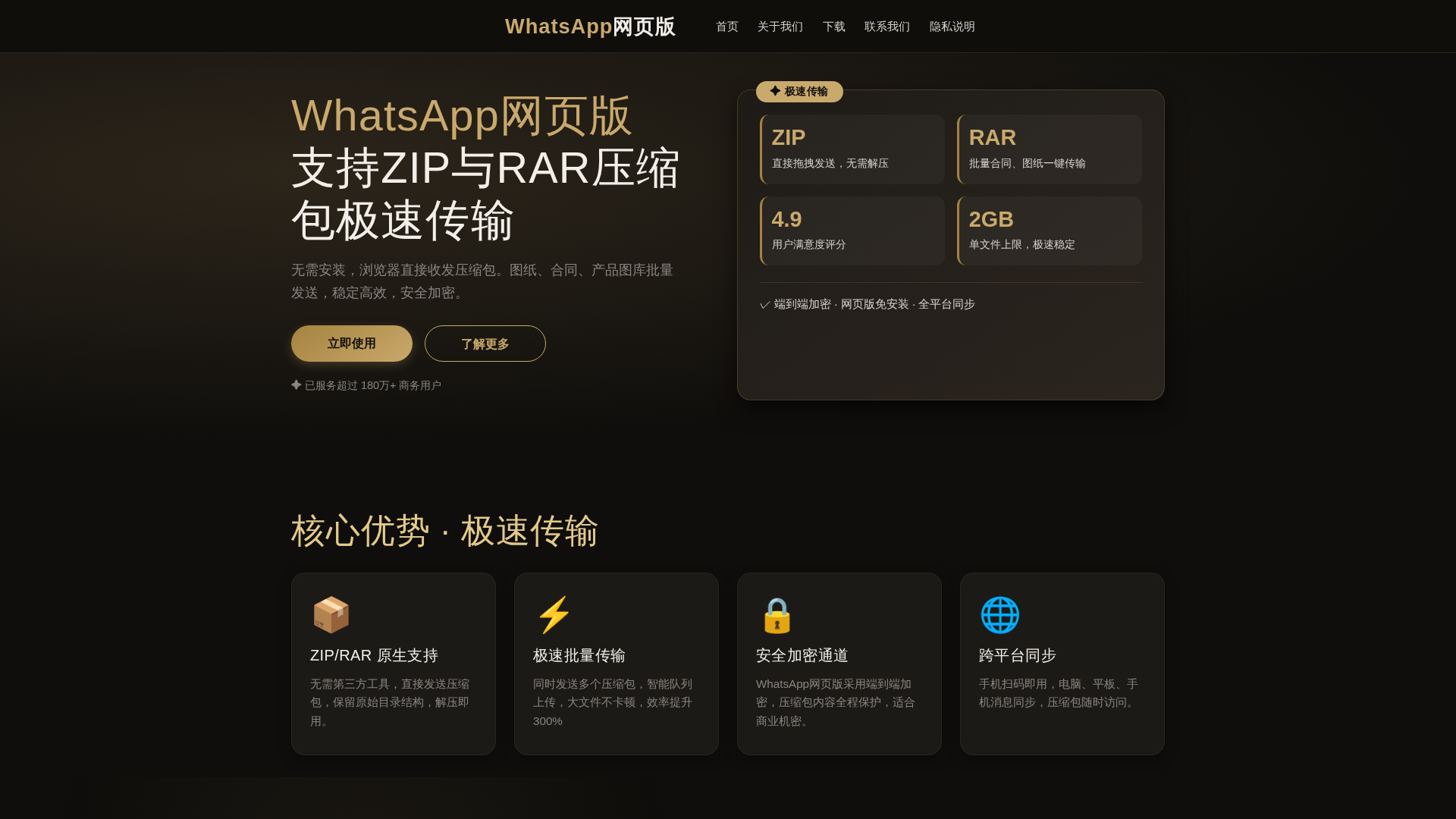
Detection Info
https://wa.msg-whatapp.com.cn/
Detected Brand
WhatsApp
Country
Unknown
Confidence
100%
HTTP Status
200
Report ID
573c265e-d33…
Analyzed
2026-08-04 10:10
Content Hashes (HTML Similarity)
Used to detect similar phishing pages based on HTML content
| Algorithm | Hash Value |
|---|---|
|
CONTENT
TLSH
|
T1E7828571C1472BB33207C2E5E643576BE9E853AACC631E29AEB142B4DDC6C35F843199 |
|
CONTENT
ssdeep
|
384:fVN3uBBs6ZmbMtY2A02FXdULmnPkQ30Y3/nGvKS39H4b4m:Oy6ZAMt+dULbQ30Y3/nGvKS39H4b4m |
Visual Hashes (Screenshot Similarity)
Used to detect visually similar phishing pages based on screenshots
| Algorithm | Hash Value |
|---|---|
|
VISUAL
pHash
|
c3c3cc2c3c993c3e |
|
VISUAL
aHash
|
38fefe6c00203c00 |
|
VISUAL
dHash
|
e0c8c8d866c0d0c0 |
|
VISUAL
wHash
|
f8fefe6e00707c00 |
|
VISUAL
colorHash
|
30e00000000 |
|
VISUAL
cropResistant
|
e0c8c8d866c0d0c0 |
Code Analysis
Threat Level
ALTO
⚠️ Phishing Confirmed
📊 Risk Score Breakdown
Total Risk Score
40/100
🔬 Comprehensive Threat Analysis
Threat Type
WhatsApp Phishing Landing Page
Target
WhatsApp users
Attack Method
Phishing webpage
Exfiltration Channel
Form submission (backend endpoint not detected - likely JavaScript-based)
Risk Assessment
LOW - Automated credential harvesting with Form submission (backend endpoint not detected - likely JavaScript-based)
🏢 Brand Impersonation Analysis
Impersonated Brand
WhatsApp
Official Website
https://www.whatsapp.com
Fake Service
Credential harvesting service
⚔️ Attack Methodology
Primary Method: Search Engine Manipulation
Fake WhatsApp site positioned to capture victims through SEO tactics, typosquatting, or paid advertising. Serves as entry point for multi-stage attacks including credential theft and malware distribution.
Secondary Method: Standard Phishing Techniques
Uses typical phishing tactics including brand impersonation, urgency tactics, and social engineering to trick victims into providing sensitive information.
🌐 Infrastructure Indicators of Compromise
Domain Information
Domain
wa.msg-whatapp.com.cn
Registered
2026-07-28 10:51:44+00:00
Registrar
万商云集(成都)科技股份有限公司
Status
Recently registered (7 days old)
Hosting Information
Provider
万商云集(成都)科技股份有限公司
ASN
🤖 AI-Extracted Threat Intelligence

"I Never Thought It Would Happen to Me"
That's what 2.3 million victims say every year. Don't wait to become a statistic.