
Phishing Analysis
Detailed analysis of captured phishing page
Visual Capture
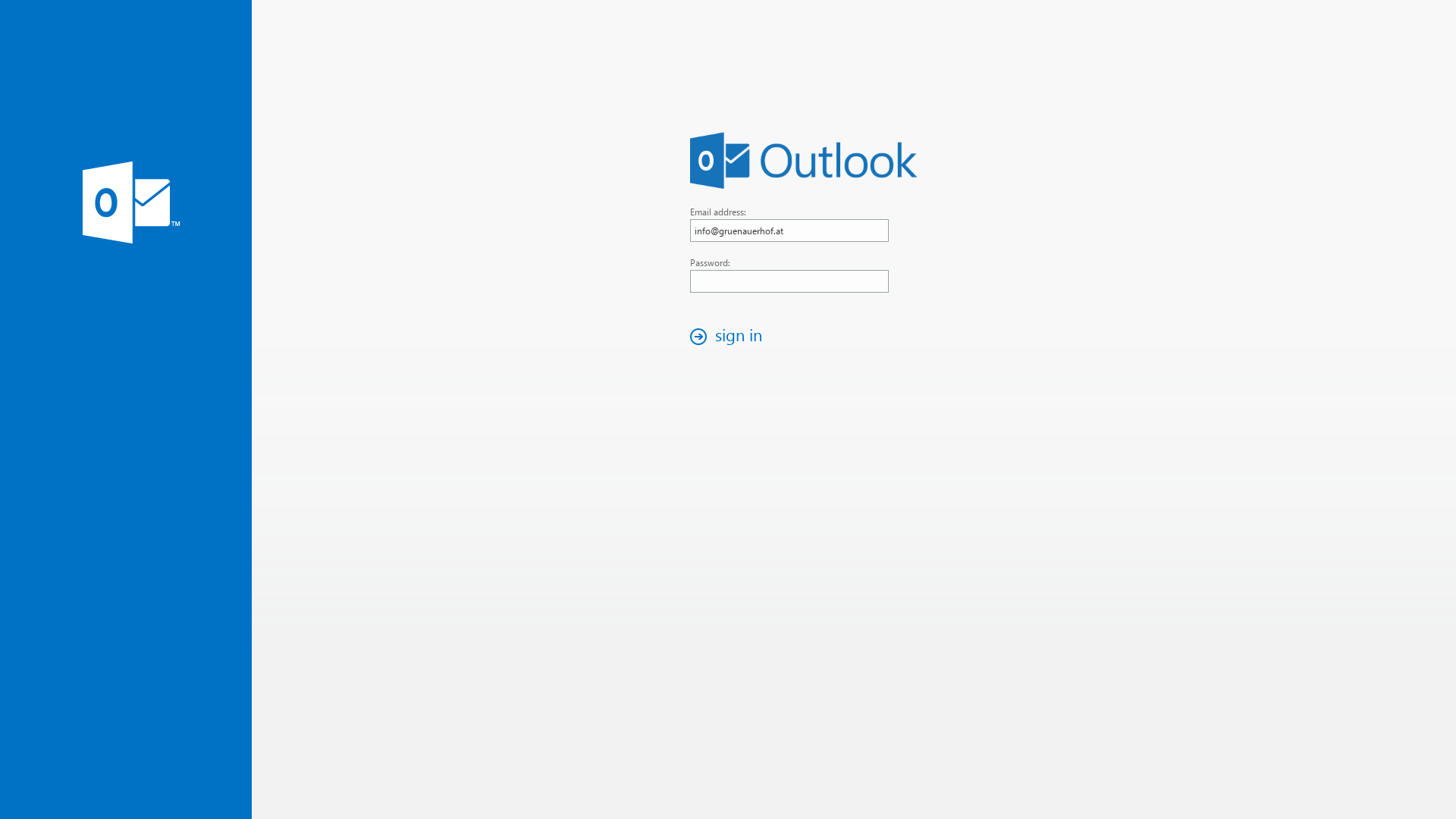
Detection Info
http://yt2mp3api.ofismall.az/ProcessValidation/view-pr-do/plugin-read-mail/d20xODcybTU3MA**/attach-viewer-main/aW5mb0BncnVlbmF1ZXJob2YuYXQ
Detected Brand
Microsoft Outlook
Country
Unknown
Confidence
100%
HTTP Status
200
Report ID
573f37df-8db…
Analyzed
2026-08-08 10:12
Final URL (after redirects)
https://yt2mp3api.ofismall.az/ProcessValidation/view-pr-do/plugin-read-mail/d20xODcybTU3MA**/attach-viewer-main/aW5mb0BncnVlbmF1ZXJob2YuYXQ
Content Hashes (HTML Similarity)
Used to detect similar phishing pages based on HTML content
| Algorithm | Hash Value |
|---|---|
|
CONTENT
TLSH
|
T1E251CDA09059BC335153E1E8A6E5AA8B36D2C705CAC7390866F4C3AC1EE3C59DF57229 |
|
CONTENT
ssdeep
|
48:LIVFmeEMhzazaEd7vFxzOiyXHx2HVrxZa26h9uilGy6BLPHwut16:LKmDM8zndz7eHxOVdAbh9ui0BFPwu6 |
Visual Hashes (Screenshot Similarity)
Used to detect visually similar phishing pages based on screenshots
| Algorithm | Hash Value |
|---|---|
|
VISUAL
pHash
|
83f67f09090999fc |
|
VISUAL
aHash
|
3f3f3f3f3f3f3f3f |
|
VISUAL
dHash
|
d0ccccdad0d0d0d0 |
|
VISUAL
wHash
|
3f273f3f3f300000 |
|
VISUAL
colorHash
|
060000001c0 |
|
VISUAL
cropResistant
|
a09c989280808080,f184acb6b6ac84f3,0e71710e20000000 |
Code Analysis
Risk Score
68/100
Threat Level
ALTO
⚠️ Phishing Confirmed
🎣 Credential Harvester
🎣 Personal Info
🔐 Credential Harvesting Forms
🔒 Obfuscation Detected
- document.write
📤 Form Action Targets
- /ProcessValidation/view-pr-do/plugin-read-mail/d20xODcybTU3MA**/attach-viewer-main/aW5mb0BncnVlbmF1ZXJob2YuYXQ/0
📊 Risk Score Breakdown
Total Risk Score
100/100
Contributing Factors
Active Phishing Kit
Detected kit types: Credential Harvester, Personal Info
Credential Harvesting
Credential harvesting detected with 1 form(s) capturing sensitive data
Code Obfuscation
JavaScript code obfuscated using 1 technique(s) to evade detection
🔬 Comprehensive Threat Analysis
Threat Type
Credential Harvesting Kit
Target
Microsoft Outlook users
Attack Method
credential harvesting forms + obfuscated JavaScript
Exfiltration Channel
HTTP POST to backend
Risk Assessment
HIGH - Automated credential harvesting with HTTP POST to backend
⚠️ Indicators of Compromise
- Kit types: Credential Harvester, Personal Info
- 1 obfuscation techniques
🏢 Brand Impersonation Analysis
Impersonated Brand
Microsoft Outlook
Official Website
N/A
Fake Service
Credential harvesting service
⚔️ Attack Methodology
Primary Method: Credential Harvesting
Victim enters username and password into fake login form. Credentials are captured via JavaScript and exfiltrated to attacker's server in real-time.
Secondary Method: JavaScript Obfuscation
Malicious code is obfuscated using 1 techniques to evade detection by security scanners and make reverse engineering more difficult.
🌐 Infrastructure Indicators of Compromise
Domain Information
Domain
yt2mp3api.ofismall.az
Registered
Unknown
Registrar
None
Status
Age unknown
Hosting Information
Provider
Unknown
ASN
🤖 AI-Extracted Threat Intelligence
Similar Websites
Pages with identical visual appearance (based on perceptual hash)
Microsoft Outlook
http://mail.tatenengo.ru
Aug 08, 2026
Microsoft Outlook
https://vhpgs78nt8.ap-northeast-1.awsapprunner.com/
Aug 08, 2026
Microsoft Outlook
https://www.cen4_open_mail_15.tatenengo.ru/
Aug 07, 2026
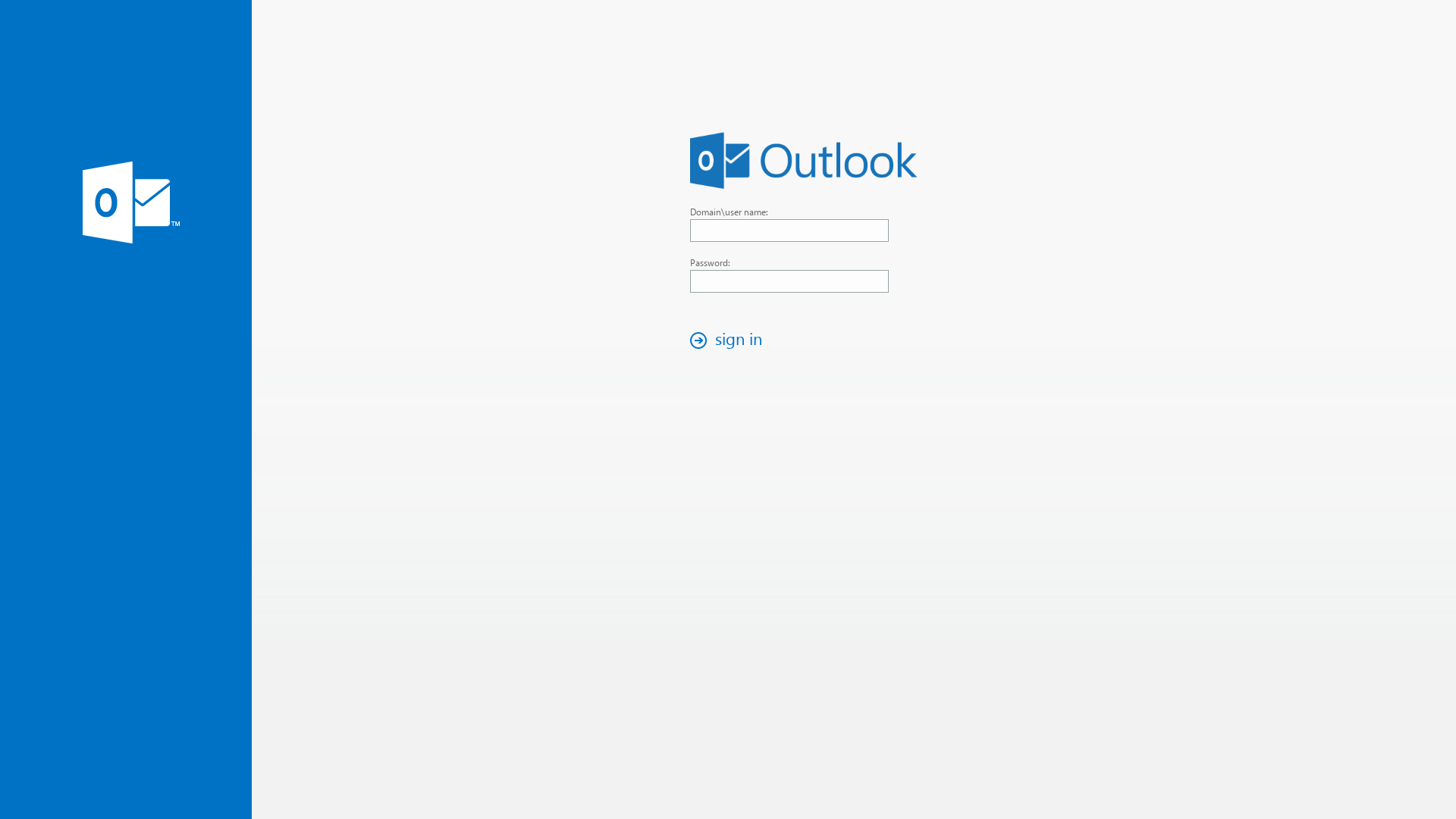
Microsoft Outlook
https://mail.tatenengo.ru/owa
Aug 07, 2026
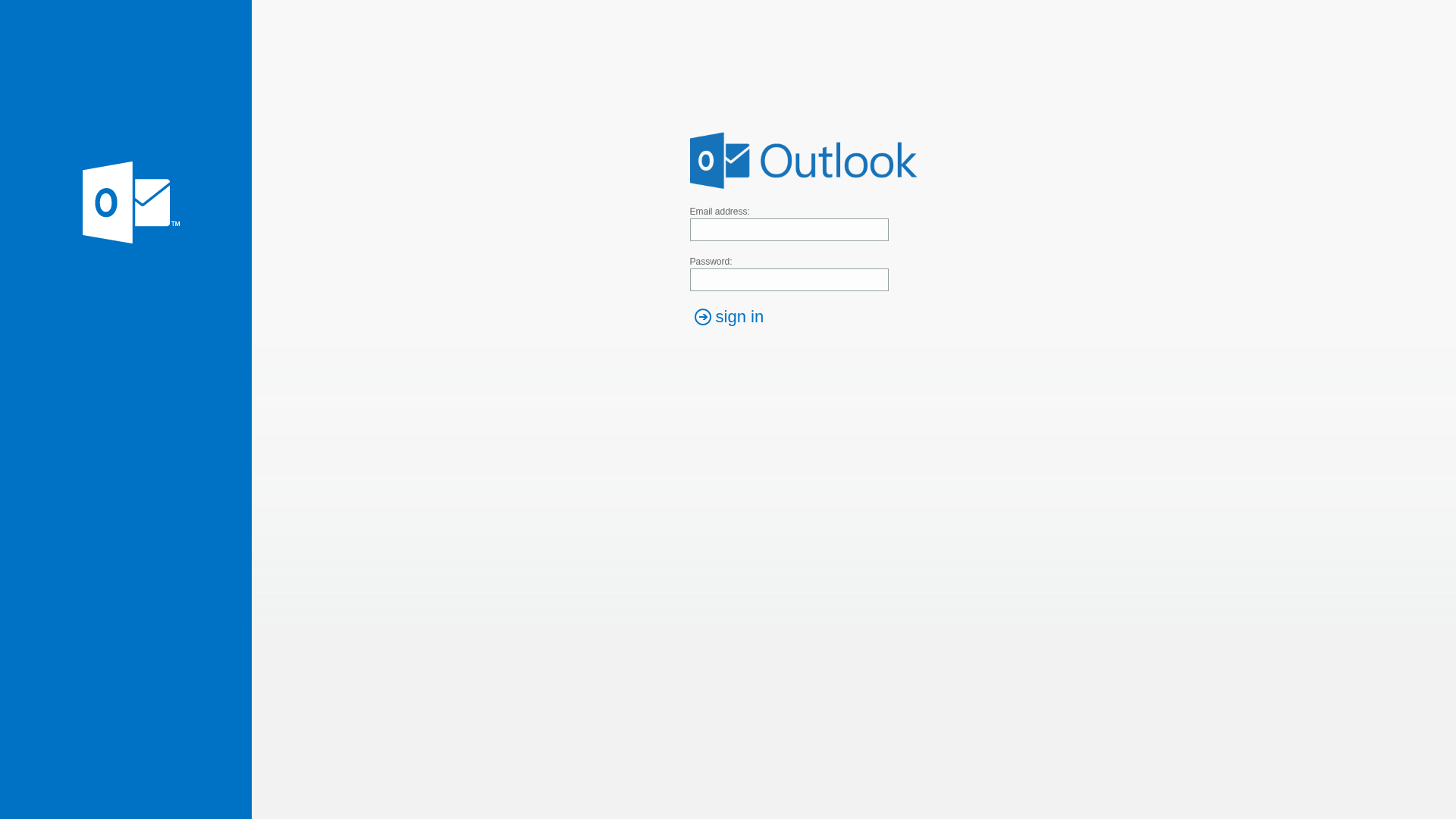
Microsoft Outlook
https://lnkmlnjqlnjklnzmlnjmlnzmlmkulnjmlnkylnkqlmkylnzclnza...
Aug 06, 2026

"I Never Thought It Would Happen to Me"
That's what 2.3 million victims say every year. Don't wait to become a statistic.