
Phishing Analysis
Detailed analysis of captured phishing page
Visual Capture
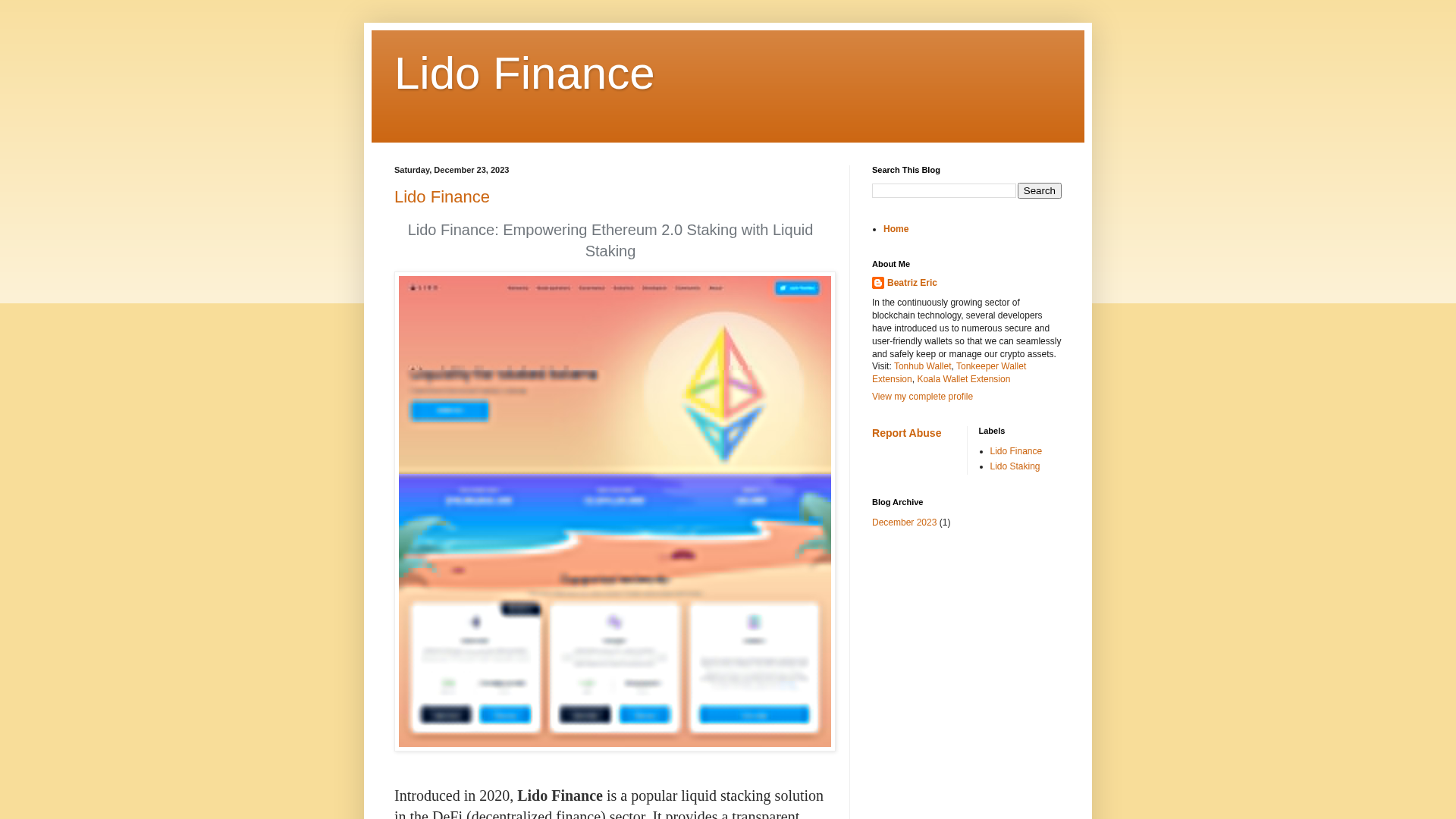
Detection Info
https://lidofinance.blogspot.com/
Detected Brand
Lido Finance
Country
Unknown
Confidence
100%
HTTP Status
200
Report ID
583180df-c29…
Analyzed
2026-08-25 23:51
Content Hashes (HTML Similarity)
Used to detect similar phishing pages based on HTML content
| Algorithm | Hash Value |
|---|---|
|
CONTENT
TLSH
|
T189F2933282412116155756D4F632B7AA63A6428DCA430FF6B1FCA36CDECDCF6DEB1248 |
|
CONTENT
ssdeep
|
384:NeeDks4ayqciYLPgJVfbBp9zfGFYDTXGR7:JDks02iIJVFR3XGR7 |
Visual Hashes (Screenshot Similarity)
Used to detect visually similar phishing pages based on screenshots
| Algorithm | Hash Value |
|---|---|
|
VISUAL
pHash
|
b06d6d3138cdb392 |
|
VISUAL
aHash
|
c3c3ffcfcfcfffef |
|
VISUAL
dHash
|
86969d9c9d9d7959 |
|
VISUAL
wHash
|
c3c3ff0c040c3c3c |
|
VISUAL
colorHash
|
03c00008000 |
|
VISUAL
cropResistant
|
86969d9c9d9d7959,0000000000000000 |
Code Analysis
Risk Score
85/100
Threat Level
ALTO
⚠️ Phishing Confirmed
🎣 Credential Harvester
🎣 OTP Stealer
🎣 Banking
🎣 Personal Info
🔐 Credential Harvesting Forms
🔒 Obfuscation Detected
- eval
- fromCharCode
- unescape
- hex_escape
- unicode_escape
🎯 Kit Endpoints
- https://www.blogger.com/share-post.g?blogID=1848705146628686896&postID=4033731114091256984&target=facebook
- https://www.blogger.com/navbar/1848705146628686896?origin=https://lidofinance.blogspot.com&usegapi=1&jsh=m%3B%2F_%2Fscs%2Fabc-static%2F_%2Fjs%2Fk%3Dgapi.lb.en.zhTT8Br0Ho8.O%2Fd%3D1%2Frs%3DAHpOoo-7LeULGjNQZRvhdu3G71akb6JY6A%2Fm%3D__features__#id=navbar-iframe&_gfid=navbar-iframe&parent=https%3A%2F%2Flidofinance.blogspot.com&pfname=&rpctoken=22189858
- https://lh3.googleusercontent.com/blogger_img_proxy/AEn0k_vjlg07RkIURm30RPyvLt02zdy0N-0D8i0XkffdTdHrITP7dBqn1YrPdLwsNM9eY0Yhz4lkgx1-BjeST9cKSIss3-43DWkj2xa-Bd4WbA93gA=w72-h72-p-k-no-nu
- https://lidofinance.blogspot.com/
- https://www.blogger.com/profile/08278216135122431316
- https://www.blogger.com/share-post.g?blogID=1848705146628686896&postID=4033731114091256984&target=twitter
- https://www.blogger.com/share-post.g?blogID=1848705146628686896&postID=4033731114091256984&target=blog
- https://www.blogger.com/share-post.g?blogID=1848705146628686896&postID=4033731114091256984&target=pinterest
- https://lidofinance.blogspot.com/feeds/posts/default?alt=rss
- https://lidofinance.blogspot.com/2023/12/lido-finance.html
- https://lidofinance.blogspot.com/search/label/Lido%20Finance
- https://www.blogger.com/feeds/1848705146628686896/posts/default
- https://www.blogger.com/go/report-abuse
- https://www.blogger.com/dyn-css/authorization.css?targetBlogID=1848705146628686896&zx=07f92963-7d11-475e-9f0d-bfd682477906
- https://lidofinance.blogspot.com/2023/12/
- https://lidofinance.blogspot.com/search/label/Lido%20Staking
- https://lidofinance.blogspot.com/search
- https://www.blogger.com/post-edit.g?blogID=1848705146628686896&postID=4033731114091256984&from=pencil
- https://www.blogger.com/share-post.g?blogID=1848705146628686896&postID=4033731114091256984&target=email
- https://lidofinance.blogspot.com/2023/12/lido-finance.html#comment-form
- https://www.blogger.com
- https://lidofinance.blogspot.com/feeds/posts/default
📡 API Calls Detected
- post
📤 Form Action Targets
- https://lidofinance.blogspot.com/search
📊 Risk Score Breakdown
Total Risk Score
100/100
Contributing Factors
Active Phishing Kit
Detected kit types: Credential Harvester, OTP Stealer, Banking, Personal Info
Credential Harvesting
Credential harvesting detected with 1 form(s) capturing sensitive data
Code Obfuscation
JavaScript code obfuscated using 22 technique(s) to evade detection
🔬 Comprehensive Threat Analysis
Threat Type
Banking Credential Harvester
Target
Lido Finance users
Attack Method
credential harvesting forms + obfuscated JavaScript
Exfiltration Channel
HTTP POST to backend
Risk Assessment
CRITICAL - Automated credential harvesting with HTTP POST to backend
⚠️ Indicators of Compromise
- Kit types: Credential Harvester, OTP Stealer, Banking, Personal Info
- 22 obfuscation techniques
🏢 Brand Impersonation Analysis
Impersonated Brand
Lido Finance
Official Website
N/A
Fake Service
Banking/payment service
⚔️ Attack Methodology
Primary Method: Credential Harvesting
Victim enters username and password into fake login form. Credentials are captured via JavaScript and exfiltrated to attacker's server in real-time.
Secondary Method: JavaScript Obfuscation
Malicious code is obfuscated using 22 techniques to evade detection by security scanners and make reverse engineering more difficult.
🌐 Infrastructure Indicators of Compromise
Domain Information
Domain
lidofinance.blogspot.com
Registered
Unknown
Registrar
None
Status
Age unknown
Hosting Information
Provider
Unknown
ASN
🤖 AI-Extracted Threat Intelligence

"I Never Thought It Would Happen to Me"
That's what 2.3 million victims say every year. Don't wait to become a statistic.