
Phishing Analysis
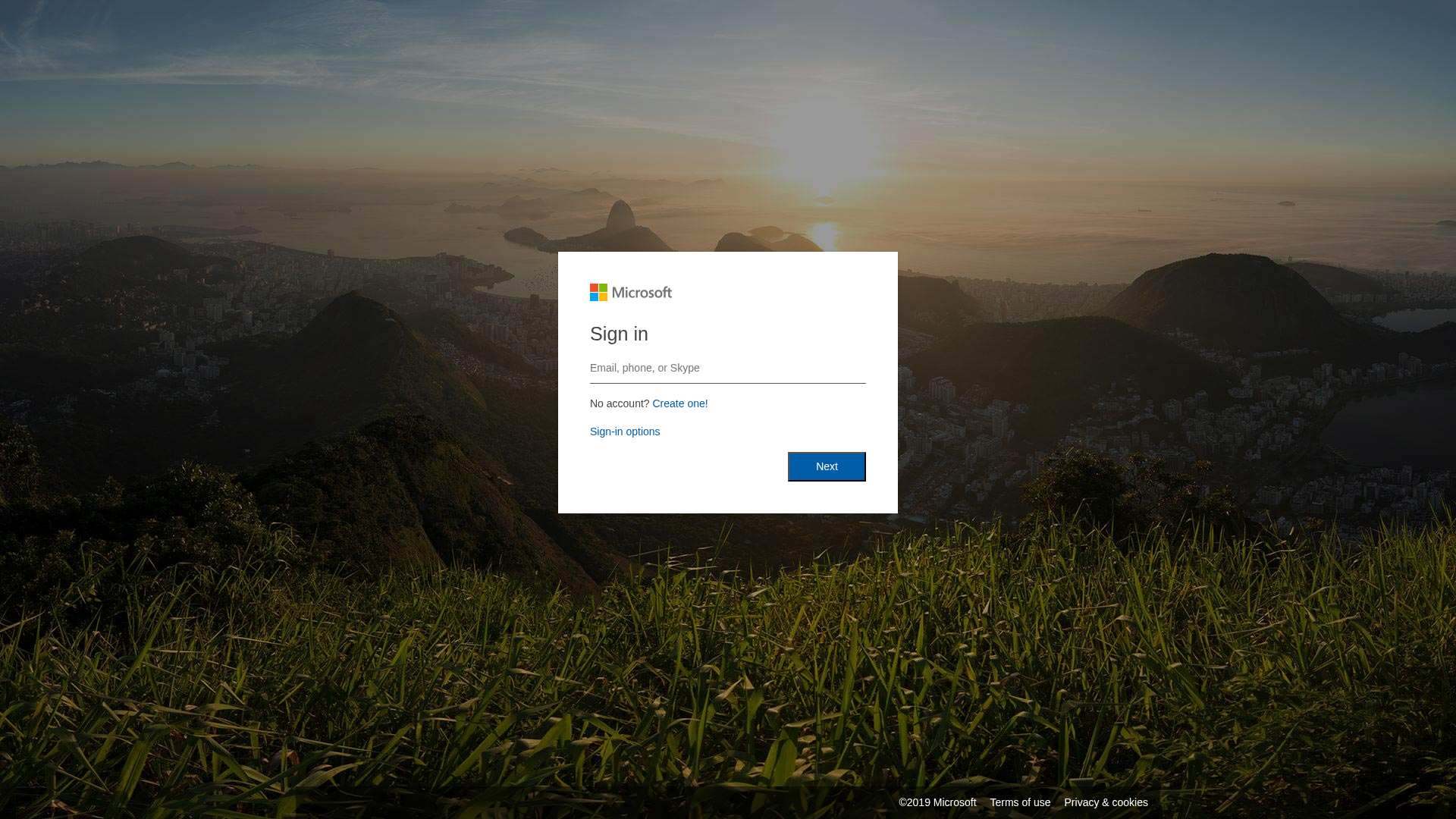
Detailed analysis of captured phishing page
Visual Capture
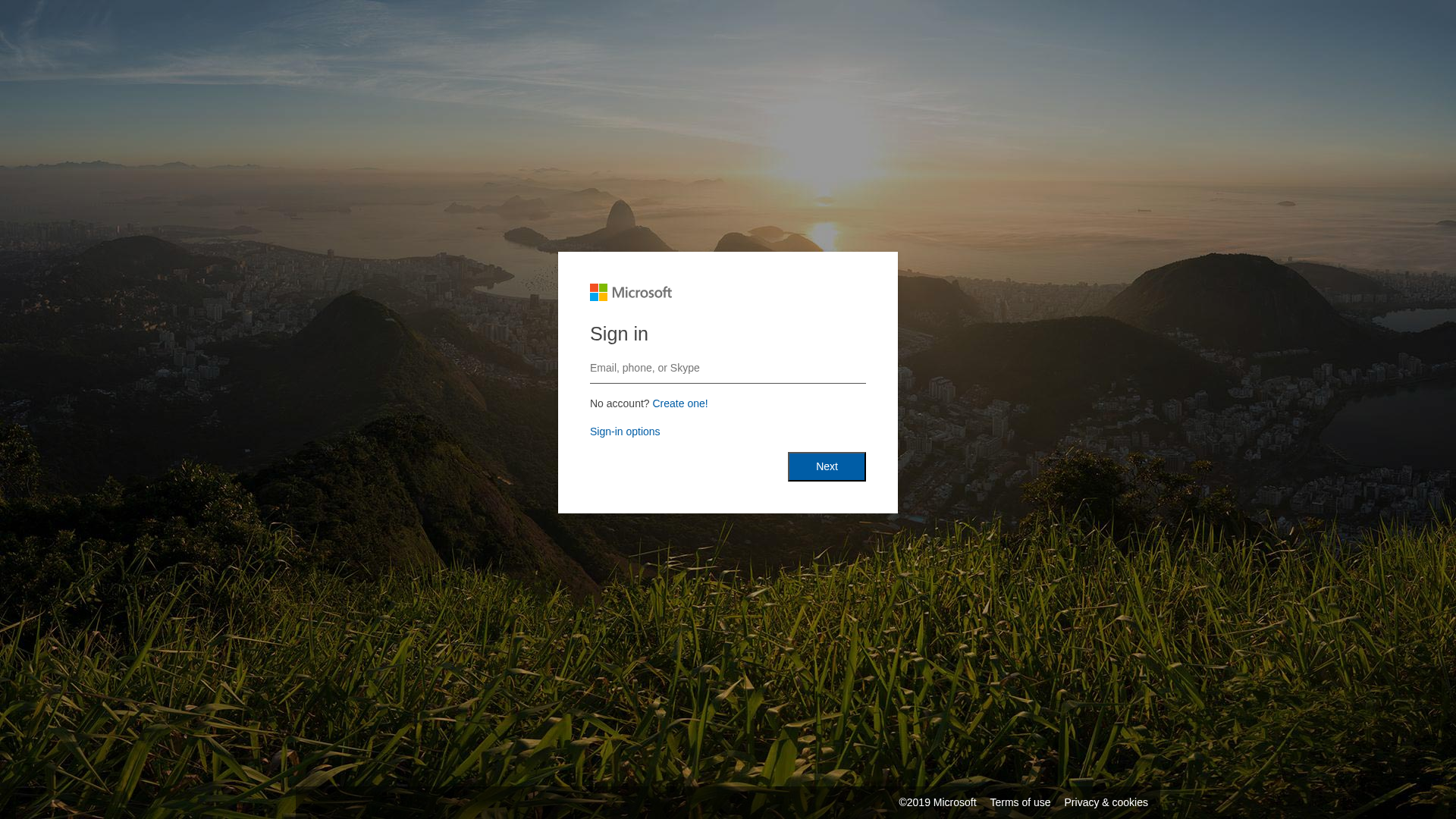
Detection Info
https://www.advanced-documents.com/?urid=gonC5zd9jLyqUQvnIRdZUHgX_8RIQ3juO-EZba5gfs8vQoupEjHBVpGcCEsTkmoLg7ng5kt7HHqE8d-Uo5UrD_N5HBJTQHdwYQ0yd5Aqh71oT-GkVCrE_m2hgGYjrE9WqsoMqGN1BlhchCDc9PZJ8&rg=CAN
Detected Brand
Microsoft
Country
International
Confidence
95%
HTTP Status
200
Report ID
65cd5e30-781…
Analyzed
2026-03-05 12:28
Content Hashes (HTML Similarity)
Used to detect similar phishing pages based on HTML content
| Algorithm | Hash Value |
|---|---|
|
CONTENT
TLSH
|
T14FC15260E414CD378353E2D1BBB59B0E72DDC397CA42850466F8631E6EE3ED5CD621A1 |
|
CONTENT
ssdeep
|
96:x1RrAPn8G36sgCD6sTUxSNgEj6sTzX1p6sIGUJvySOzrG4vSAKyFSu8I7RHUnhzJ:ul9D+cVPpYgSyHAe0 |
Visual Hashes (Screenshot Similarity)
Used to detect visually similar phishing pages based on screenshots
| Algorithm | Hash Value |
|---|---|
|
VISUAL
pHash
|
989973674c5932dc |
|
VISUAL
aHash
|
ffff3e1818000000 |
|
VISUAL
dHash
|
f0f8f0b2b2f1dab0 |
|
VISUAL
wHash
|
ffffff1c180c0800 |
|
VISUAL
colorHash
|
1bc00010000 |
|
VISUAL
cropResistant
|
e0e0f0f0c0e0c0c1,f0f8f0b2b2f1dab0 |
Code Analysis
Risk Score
56/100
Threat Level
ALTO
⚠️ Phishing Confirmed
🎣 Credential Harvester
🔬 Threat Analysis Report
• Threat: Impersonation
• Target: Microsoft users
• Method: Domain spoofing and visual mimicry
• Exfil: Data from forms (email, password)
• Indicators: Mismatched domain, form, obfuscation detected.
• Risk: High
🔒 Obfuscation Detected
- fromCharCode
- base64_strings
📡 API Calls Detected
- POST
📊 Risk Score Breakdown
Total Risk Score
90/100
Contributing Factors
Domain Mismatch
The domain 'www.advanced-documents.com' is not associated with Microsoft.
Impersonation
The visual design closely mimics a Microsoft login page, increasing the chances of deception.
Obfuscation
Obfuscation detected in the code
🔬 Comprehensive Threat Analysis
Threat Type
Credential Harvesting Kit
Target
Microsoft users (International)
Attack Method
Brand impersonation + credential harvesting forms + obfuscated JavaScript
Exfiltration Channel
Form submission (backend endpoint not detected - likely JavaScript-based)
Risk Assessment
MEDIUM - Automated credential harvesting with Form submission (backend endpoint not detected - likely JavaScript-based)
⚠️ Indicators of Compromise
- Kit types: Credential Harvester
- 6 obfuscation techniques
🏢 Brand Impersonation Analysis
Impersonated Brand
Microsoft
Official Website
null
Fake Service
Microsoft account login
⚔️ Attack Methodology
Primary Method: Credential Harvesting
The attacker aims to steal user credentials by creating a fake login page that mimics Microsoft's design. Users are tricked into entering their username and password.
Secondary Method: Social Engineering
The attacker leverages the user's familiarity with Microsoft's brand and visual elements to gain their trust. The realistic-looking page lowers their guard.
🌐 Infrastructure Indicators of Compromise
Domain Information
Domain
www.advanced-documents.com
Registered
2022-11-23
Registrar
NameCheap
Status
Active
🤖 AI-Extracted Threat Intelligence
Similar Websites
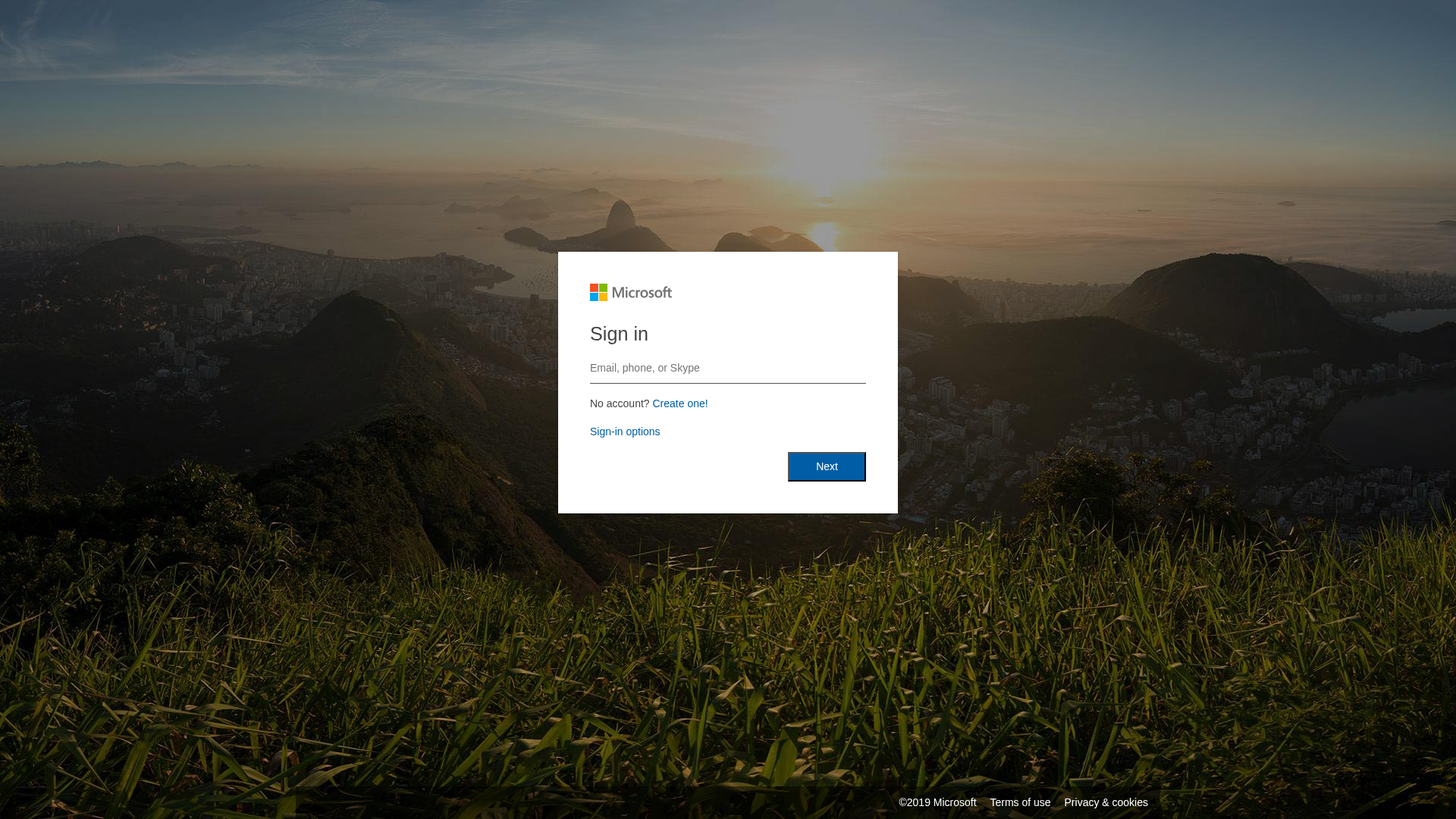
Pages with identical visual appearance (based on perceptual hash)
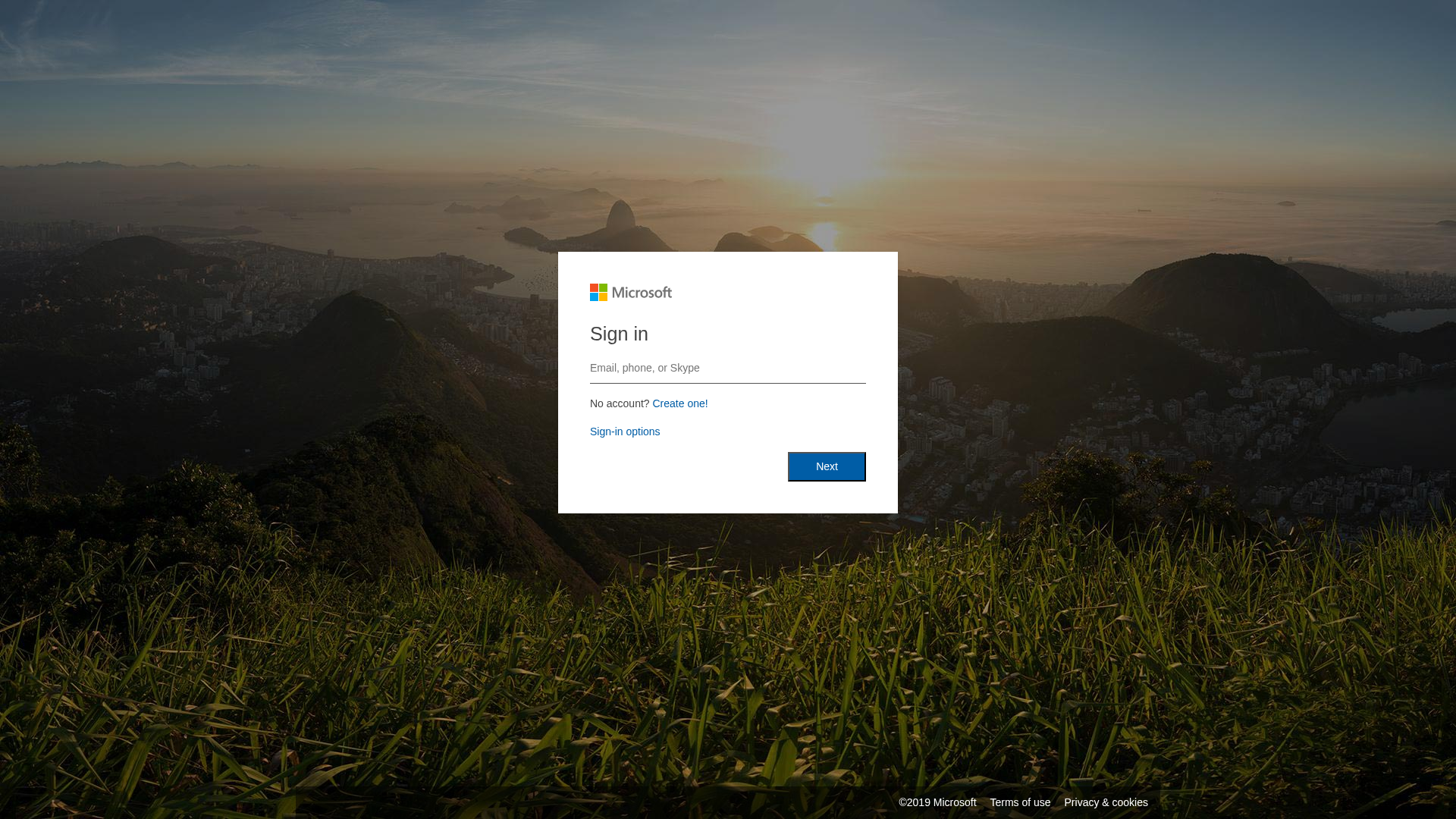
Microsoft
http://docusine.com/?urid=QcAw22ro3Hy2k-wDLudNKbQwzfsL3yKQLe...
Aug 07, 2026
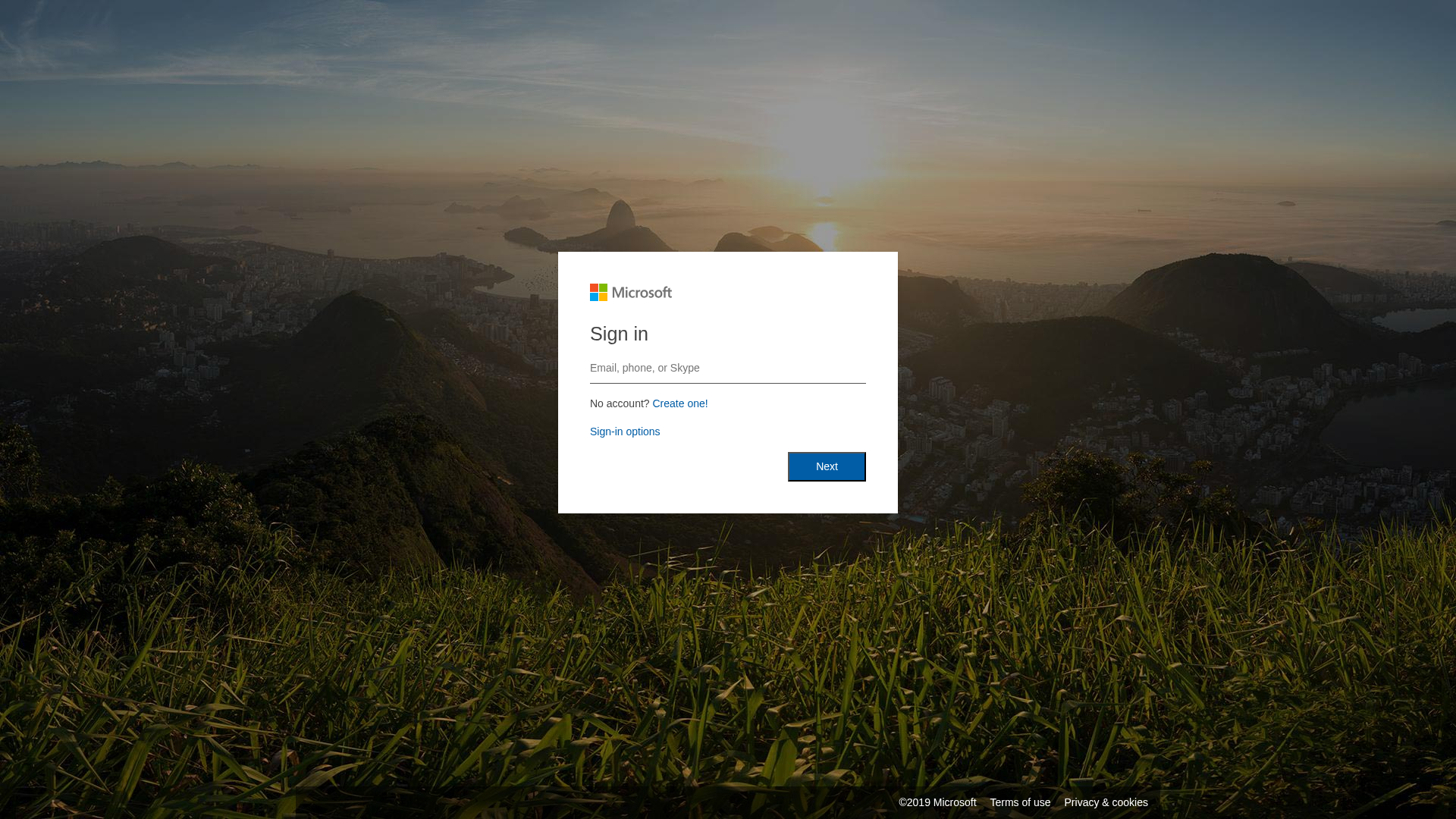
Microsoft
http://www.docs-google.com/?urid=gzxpuIVeWdNiUXIxrbheaFg821t...
Aug 07, 2026
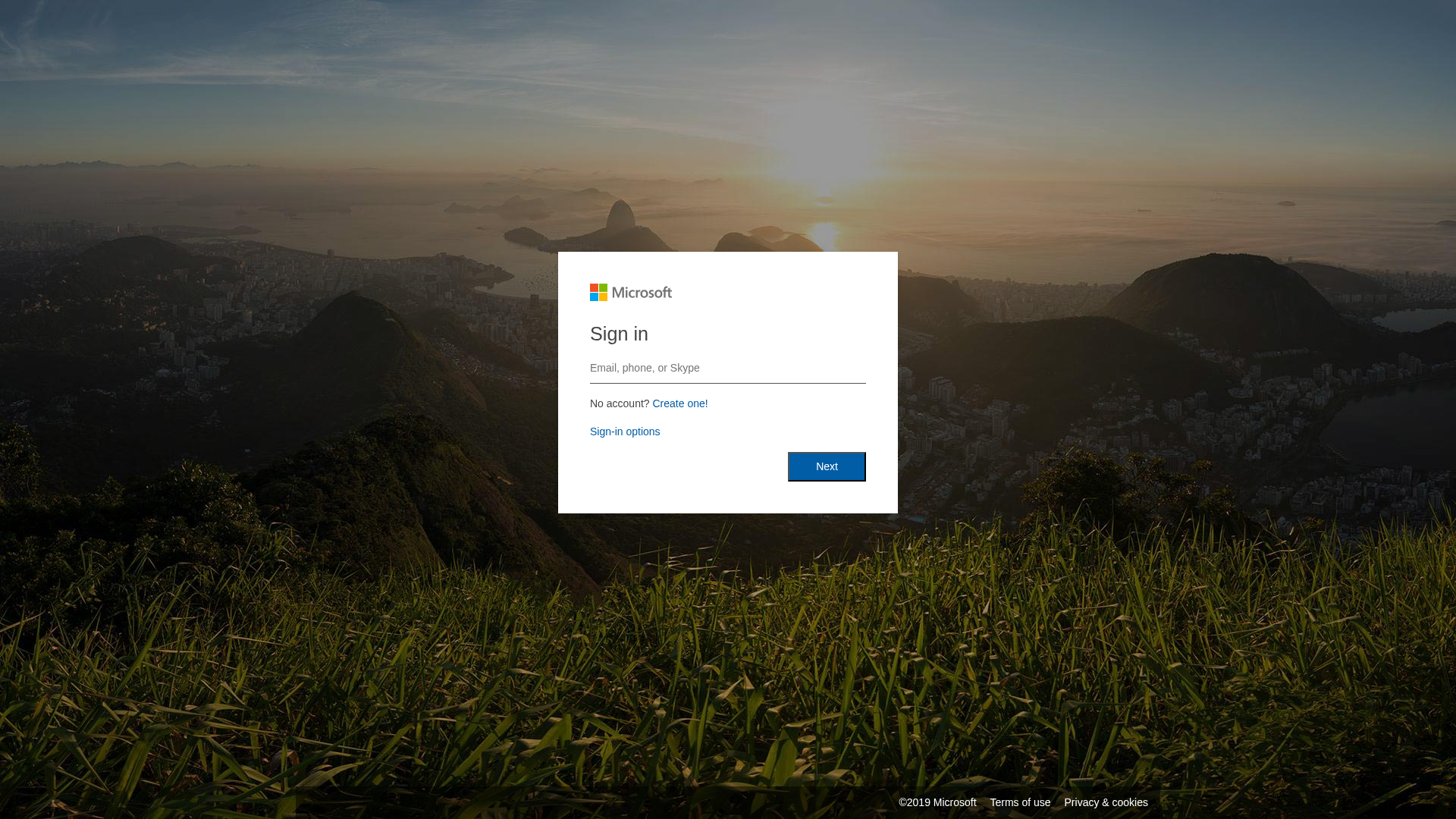
Microsoft
https://www.it-communications.com/?rg=CUS&urid=QekUmAG1SKGCk...
Jun 22, 2026
Microsoft
https://www.advanced-documents.com/?rg=WEU&urid=QC2l24RF4Esa...
Jun 22, 2026
Microsoft
https://www.e-owa.com/?urid=AXLMLIm-StGu0wLXgY4yicAmrs5WHlDP...
Jun 16, 2026
Scan History for www.advanced-documents.com
Found 4 other scans for this domain

"I Never Thought It Would Happen to Me"
That's what 2.3 million victims say every year. Don't wait to become a statistic.