
Phishing Analysis
Detailed analysis of captured phishing page
Visual Capture
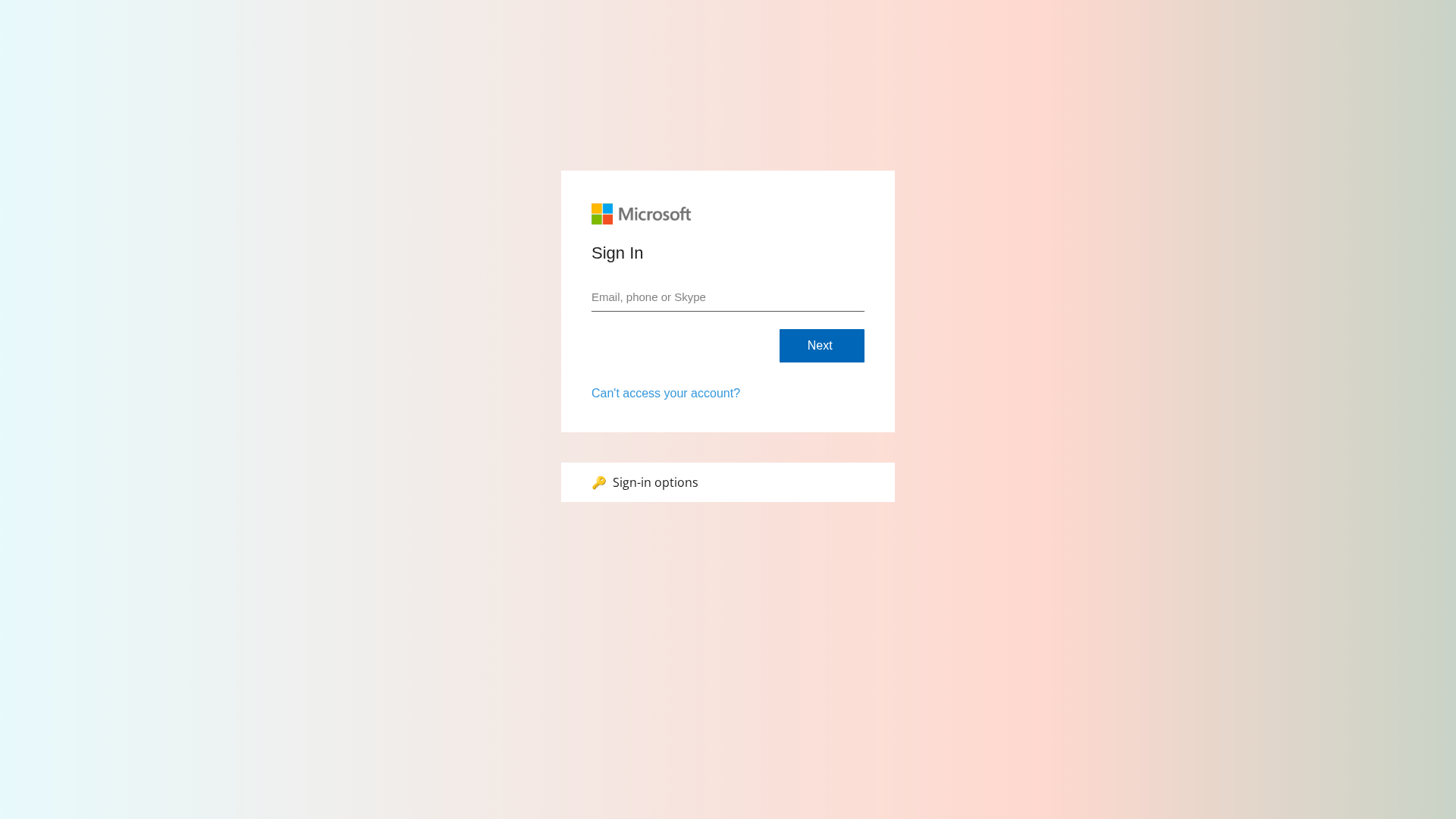
Detection Info
https://banque-online.com/?r=ac89b615-51b3-42f3-93c9-2263de01984e&rg=eu
Detected Brand
Microsoft
Country
International
Confidence
100%
HTTP Status
200
Report ID
6cbd11ab-52c…
Analyzed
2026-03-02 23:37
Content Hashes (HTML Similarity)
Used to detect similar phishing pages based on HTML content
| Algorithm | Hash Value |
|---|---|
|
CONTENT
TLSH
|
T1EBF1CE31E244C91B7251C9A4F6B1BB9A3B459385D70B0B70F6F0A23ABDC9CB04D942ED |
|
CONTENT
ssdeep
|
96:zNo9+uvTBSTST8FKF1fiPhevO9dShcFSTqM8V8+hucyBF+uuuup:zN6rQeQmfiPovO9dt0z8FvyM |
Visual Hashes (Screenshot Similarity)
Used to detect visually similar phishing pages based on screenshots
| Algorithm | Hash Value |
|---|---|
|
VISUAL
pHash
|
dd88333366669999 |
|
VISUAL
aHash
|
f0f8f8f0f8f0f0f0 |
|
VISUAL
dHash
|
0010302430000000 |
|
VISUAL
wHash
|
e0f8f8f0f8e0f0e0 |
|
VISUAL
colorHash
|
07000000180 |
|
VISUAL
cropResistant
|
0010302430000000 |
Code Analysis
Risk Score
74/100
Threat Level
ALTO
⚠️ Phishing Confirmed
🎣 Credential Harvester
🎣 Banking
🔬 Threat Analysis Report
• Threat: Phishing
• Target: Microsoft users
• Method: Impersonation via fake login page
• Exfil: Likely steals credentials
• Indicators: Domain mismatch, form submission, Javascript obfuscation
• Risk: High
🔒 Obfuscation Detected
- fromCharCode
- unicode_escape
- base64_strings
📊 Risk Score Breakdown
Total Risk Score
90/100
Contributing Factors
Domain Mismatch
The domain is not related to the brand being impersonated.
Impersonation
The page mimics the appearance of Microsoft's login page.
Obfuscation
Javascript Obfuscation detected - potential for malicious code.
🔬 Comprehensive Threat Analysis
Threat Type
Banking Credential Harvester
Target
Microsoft users (International)
Attack Method
Brand impersonation + credential harvesting forms + obfuscated JavaScript
Exfiltration Channel
Form submission (backend endpoint not detected - likely JavaScript-based)
Risk Assessment
HIGH - Automated credential harvesting with Form submission (backend endpoint not detected - likely JavaScript-based)
⚠️ Indicators of Compromise
- Kit types: Credential Harvester, Banking
- 14 obfuscation techniques
🏢 Brand Impersonation Analysis
Impersonated Brand
Microsoft
Official Website
https://www.microsoft.com
Fake Service
Microsoft Sign-in
⚔️ Attack Methodology
Primary Method: Credential Harvesting
The attacker is trying to steal Microsoft account login credentials by creating a fake login page that redirects to a malicious endpoint where the credentials are sent.
Secondary Method: Javascript Obfuscation
The code on the website may have Javascript obfuscation to hide the malicious actions or the data exfiltration point.
🌐 Infrastructure Indicators of Compromise
Domain Information
Domain
banque-online.com
Registered
2021-01-15
Registrar
Unknown
Status
active
🤖 AI-Extracted Threat Intelligence
Similar Websites
Pages with identical visual appearance (based on perceptual hash)
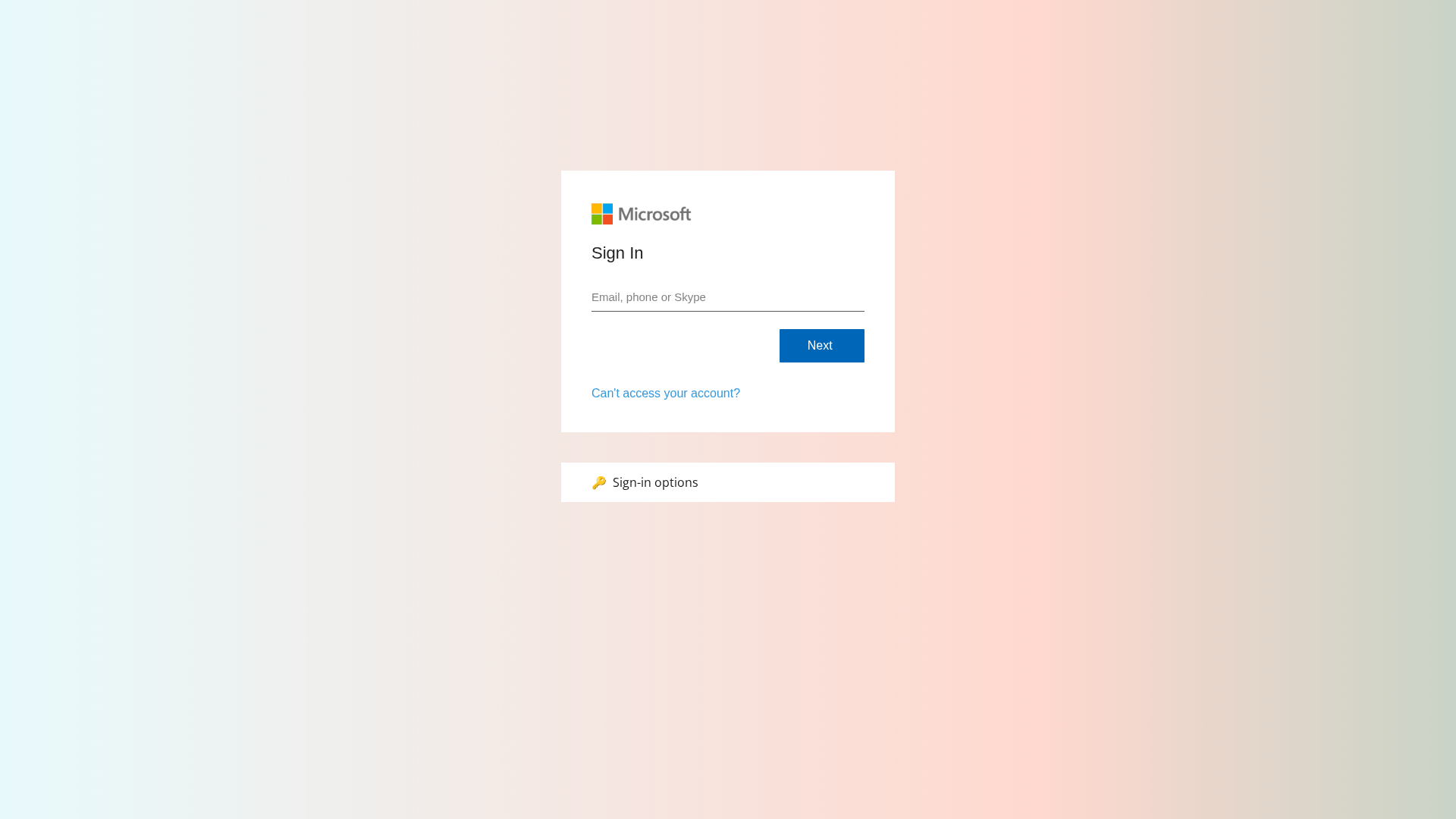
Microsoft
https://hhelpdesk.ie/?r=87209375-dd2d-4b01-9f76-19271d3356fd
Apr 05, 2026
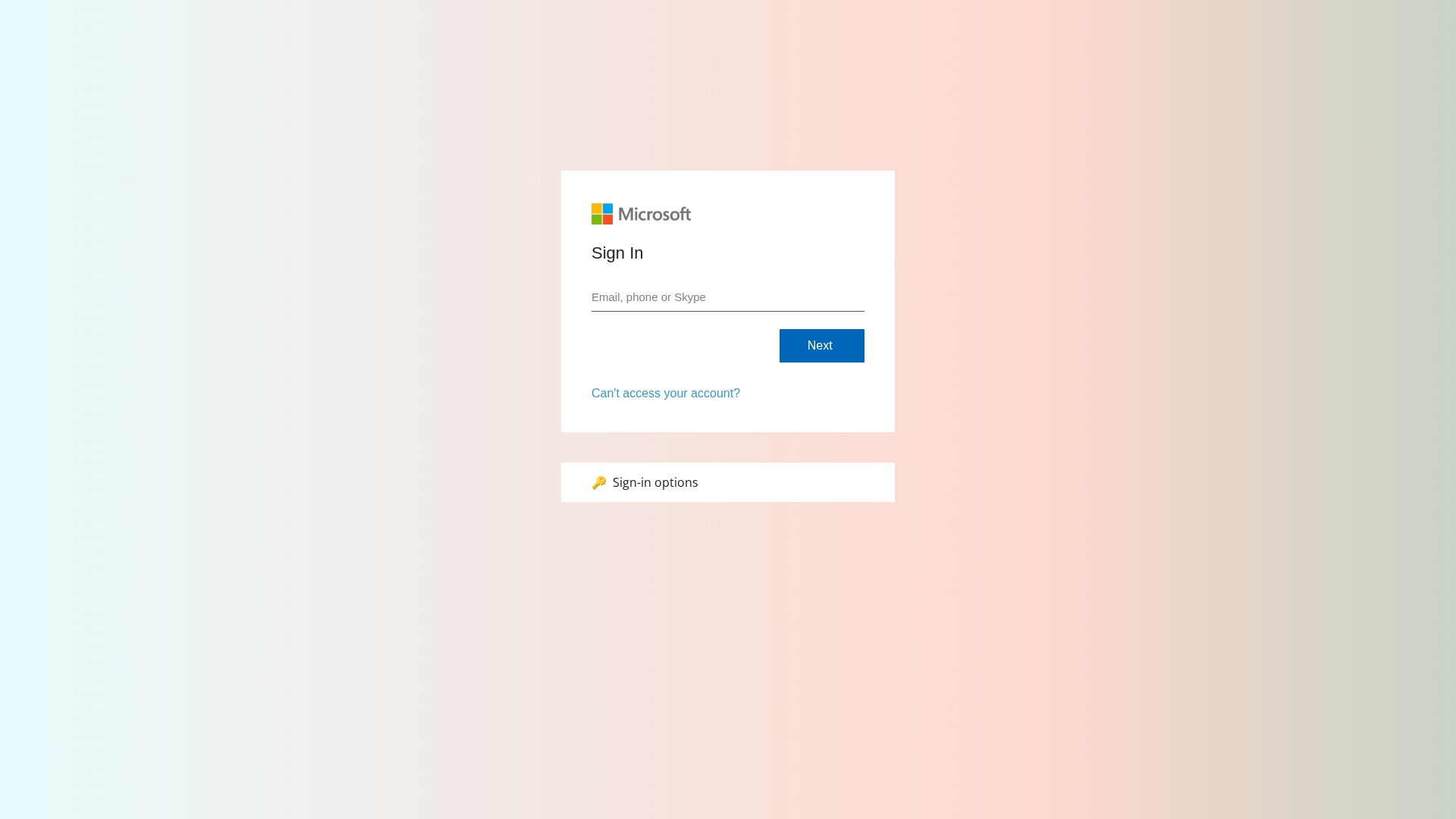
Microsoft
https://pessoleldept.com/?r=6b2cc31c-ddb6-400c-80d3-28671fce...
Mar 31, 2026
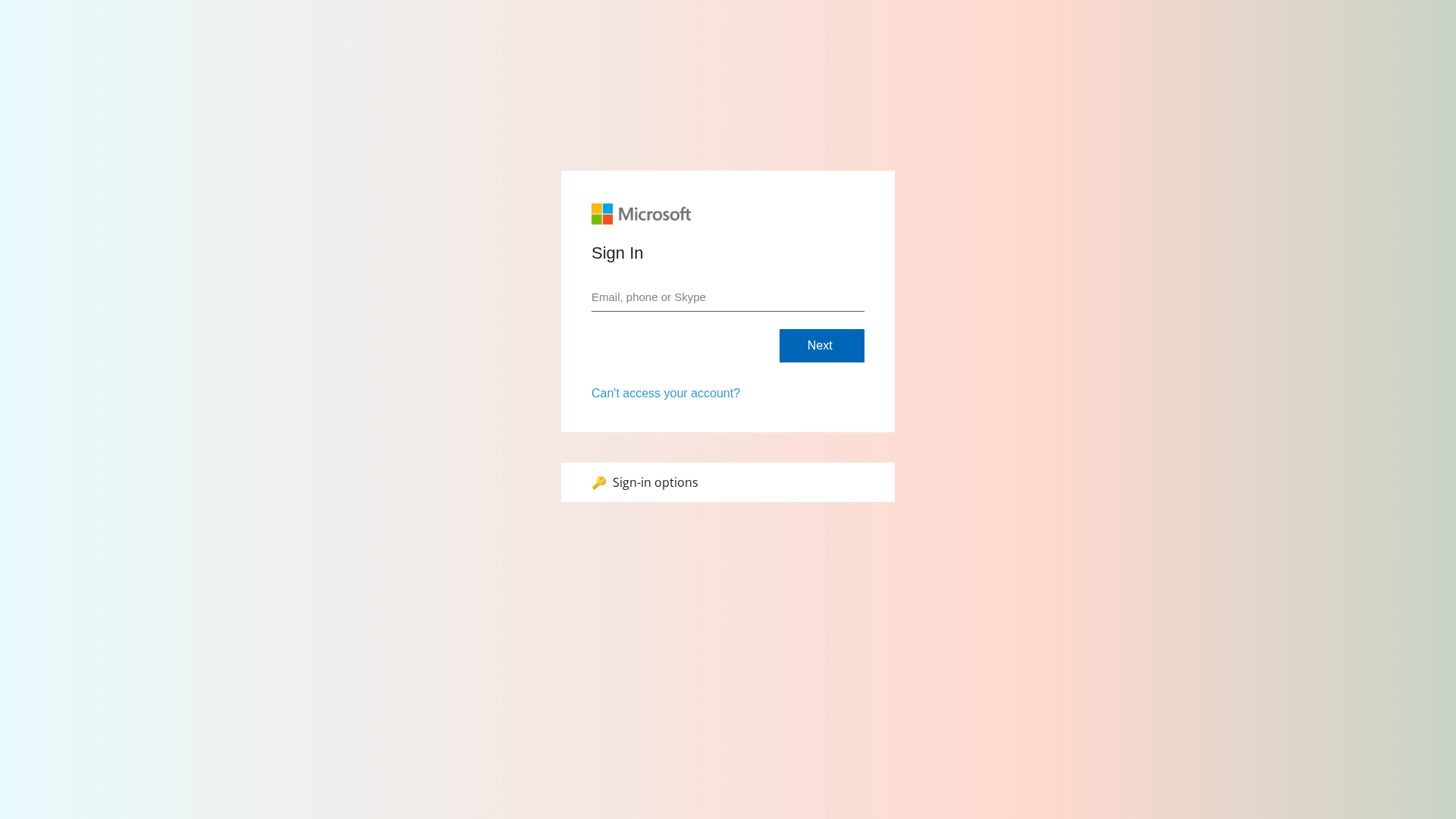
Microsoft
https://gdprlaw.co.uk/?r=6f900ecb-f8af-4c52-baff-66204623019...
Mar 30, 2026
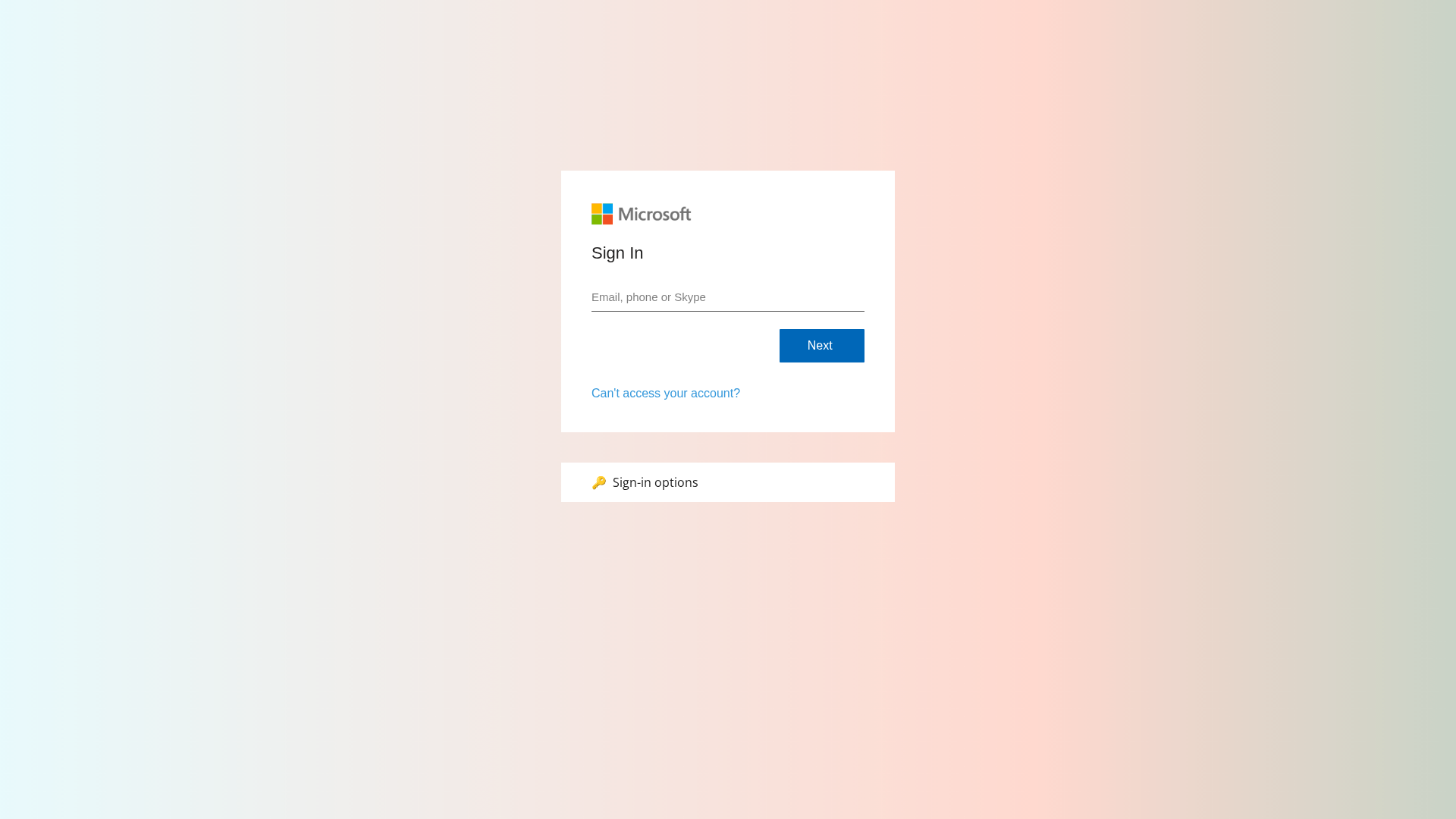
Microsoft
http://humanres.in/?r=2ae1eb79-d77b-45e3-9cce-2c36bd88eca9&r...
Mar 26, 2026
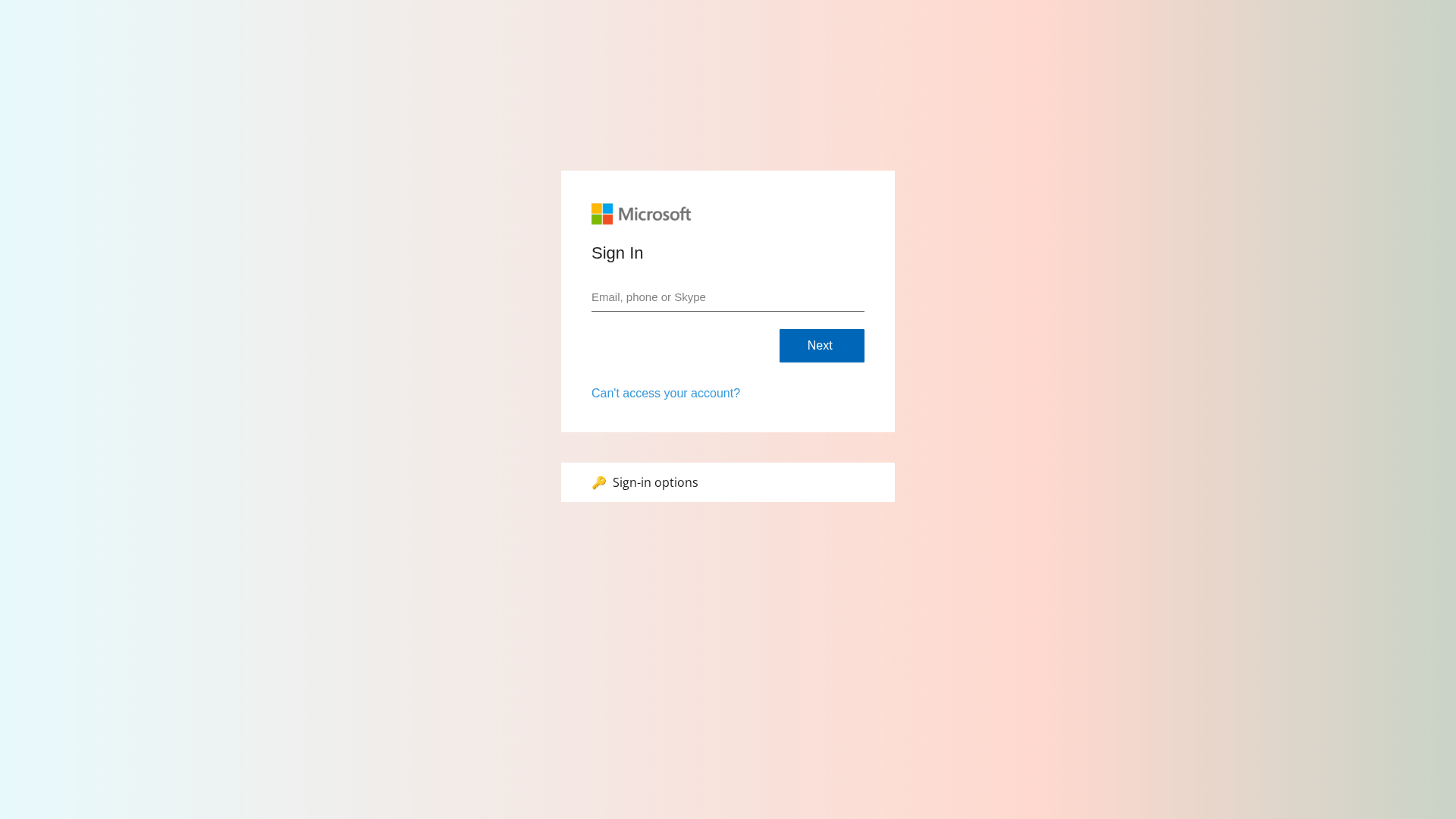
Microsoft
https://sup0rt.ie/?r=abc696d6-acde-452c-9573-b7347bd36b3e&rg...
Mar 25, 2026
Scan History for banque-online.com
Found 3 other scans for this domain

"I Never Thought It Would Happen to Me"
That's what 2.3 million victims say every year. Don't wait to become a statistic.