
Phishing Analysis
Detailed analysis of captured phishing page
Visual Capture
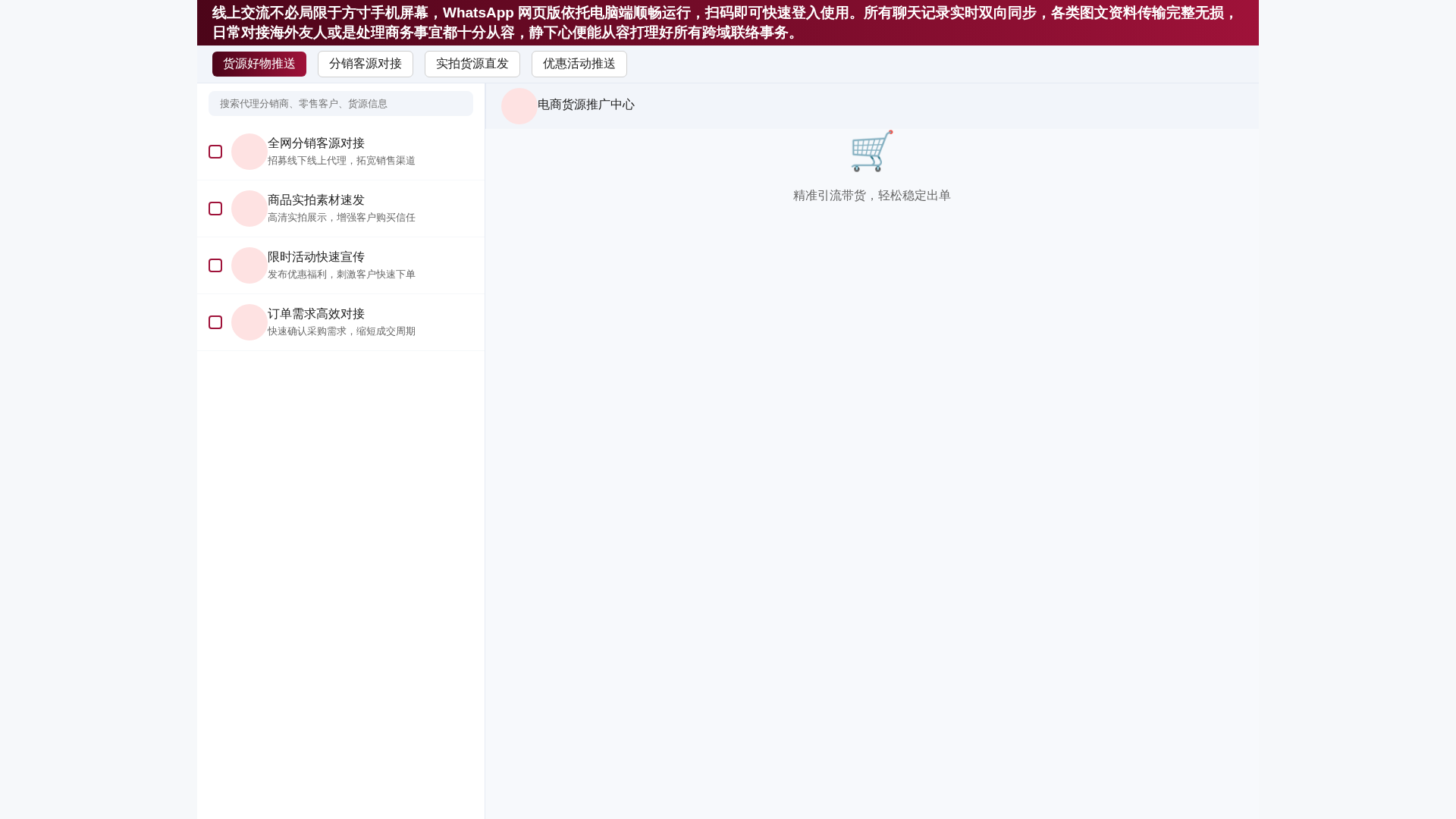
Detection Info
https://www.shejiao-whatsapp.com.cn/
Detected Brand
WhatsApp
Country
International
Confidence
95%
HTTP Status
200
Report ID
70298695-cf1…
Analyzed
2026-05-22 22:15
Content Hashes (HTML Similarity)
Used to detect similar phishing pages based on HTML content
| Algorithm | Hash Value |
|---|---|
|
CONTENT
TLSH
|
T1B98173768022EE27158B99E26671835F32D6EB0ADD6B0B062BFD93EC4FC5CD0CC86005 |
|
CONTENT
ssdeep
|
96:tdkcFJU9CQsftmWZaZAZ7u1ZnREV+FO8TA:YcFJp6eS84REh1 |
Visual Hashes (Screenshot Similarity)
Used to detect visually similar phishing pages based on screenshots
| Algorithm | Hash Value |
|---|---|
|
VISUAL
pHash
|
af3e2e2a2a2e2e2a |
|
VISUAL
aHash
|
81ffbfffffffffff |
|
VISUAL
dHash
|
33446640c0c0c0c0 |
|
VISUAL
wHash
|
00203e3e7c7c7c7c |
|
VISUAL
colorHash
|
07000000007 |
|
VISUAL
cropResistant
|
33446640c0c0c0c0,aeeea7b337ccf4f0 |
Code Analysis
Risk Score
3/100
Threat Level
ALTO
⚠️ Phishing Confirmed
🔬 Threat Analysis Report
• Threat: Brand Impersonation
• Target: WhatsApp users
• Method: Web page claiming business/social integration
• Exfil: JavaScript-based collection
• Indicators: High-risk domain age and naming mismatch
• Risk: High
🔒 Obfuscation Detected
- unescape
📡 API Calls Detected
- POST
📊 Risk Score Breakdown
Total Risk Score
95/100
Contributing Factors
Recent Domain
Domain age is only 8 days
Brand Impersonation
Unauthorized use of WhatsApp branding
Technical Obfuscation
Use of unescape obfuscation
🔬 Comprehensive Threat Analysis
Threat Type
WhatsApp Phishing Landing Page
Target
WhatsApp users (International)
Attack Method
Brand impersonation + obfuscated JavaScript
Exfiltration Channel
Form submission (backend endpoint not detected - likely JavaScript-based)
Risk Assessment
LOW - Automated credential harvesting with Form submission (backend endpoint not detected - likely JavaScript-based)
⚠️ Indicators of Compromise
- 2 obfuscation techniques
🏢 Brand Impersonation Analysis
Impersonated Brand
WhatsApp
Official Website
https://www.whatsapp.com
Fake Service
WhatsApp Business/Commerce
Fraudulent Claims
⚔️ Attack Methodology
Primary Method: Session Hijacking/QR Phishing
The site lures users into scanning a QR code, which is likely a malicious WhatsApp Web link intended to link the victim's account to the attacker's device.
Secondary Method: Credential Harvesting
The site attempts to gain user trust by pretending to be a legitimate business tool.
🌐 Infrastructure Indicators of Compromise
Domain Information
Domain
shejiao-whatsapp.com.cn
Registered
2026-05-14
Registrar
Unknown
Status
active
🤖 AI-Extracted Threat Intelligence

"I Never Thought It Would Happen to Me"
That's what 2.3 million victims say every year. Don't wait to become a statistic.