
Phishing Analysis
Detailed analysis of captured phishing page
Visual Capture
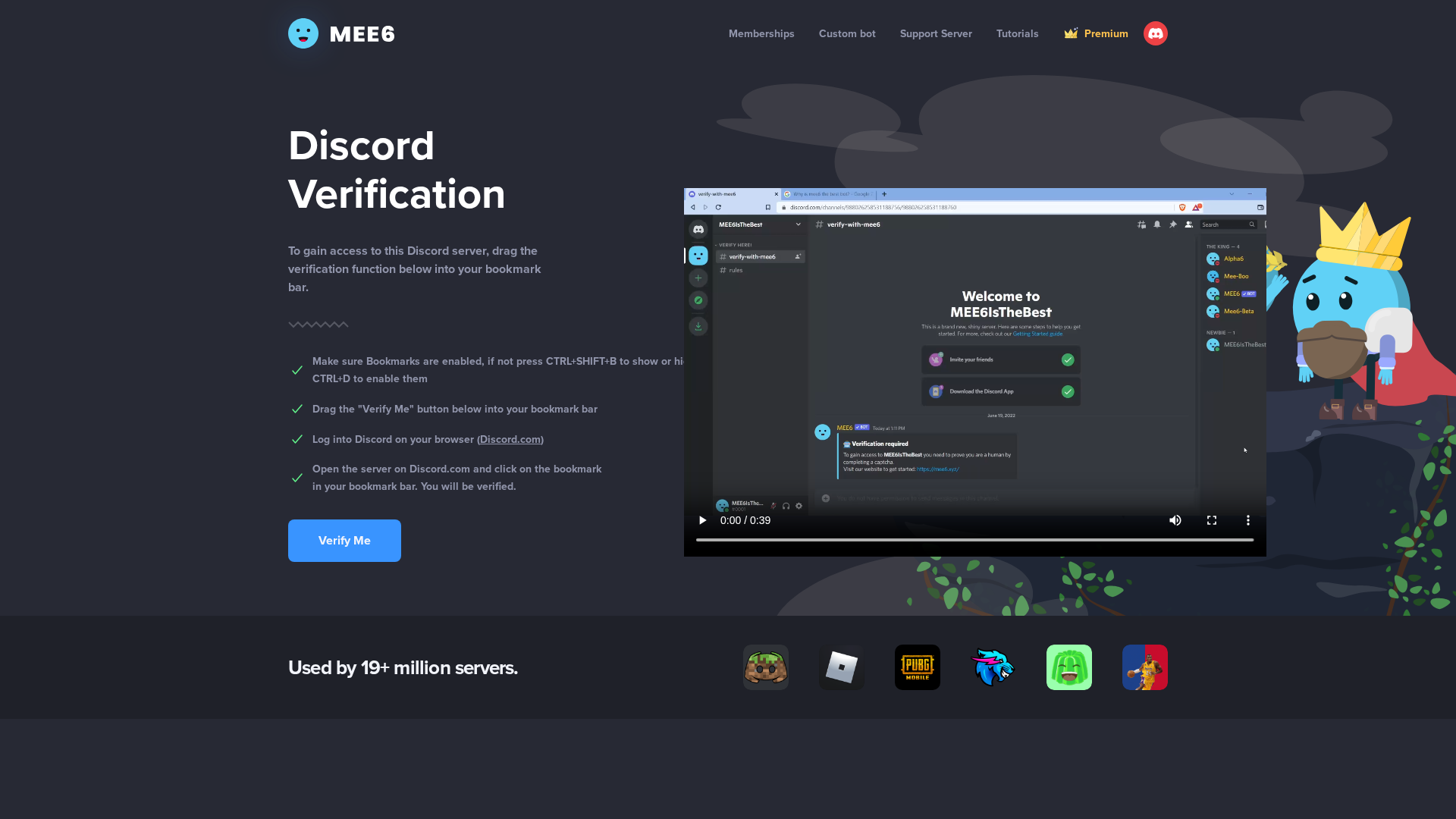
Detection Info
https://mee6.pages.dev/
Detected Brand
MEE6 / Discord
Country
Unknown
Confidence
100%
HTTP Status
200
Report ID
799a2911-a18…
Analyzed
2026-08-06 11:40
Content Hashes (HTML Similarity)
Used to detect similar phishing pages based on HTML content
| Algorithm | Hash Value |
|---|---|
|
CONTENT
TLSH
|
T1AD73F8E523006A6D414BC3ECAF753ABF326BB5D9DAB3428493F18365A681CDDEC11D84 |
|
CONTENT
ssdeep
|
768:cHaFJpon0VfEl1BBeST6LlNske2nfT49Siv7x7ePdmkPZ4iJf5awpKL:frVfEFBeST6LlNvTCHx7qZ4UpKL |
Visual Hashes (Screenshot Similarity)
Used to detect visually similar phishing pages based on screenshots
| Algorithm | Hash Value |
|---|---|
|
VISUAL
pHash
|
a3b155546e2aea95 |
|
VISUAL
aHash
|
006f7f0728600400 |
|
VISUAL
dHash
|
d4dcdb4bc8c9dc44 |
|
VISUAL
wHash
|
4e7f7f2f6f600400 |
|
VISUAL
colorHash
|
07007000000 |
|
VISUAL
cropResistant
|
20303020d4fcdcc0,d2c0dcd85c3e4e04,d4dcdb4bc8c9dc44 |
Code Analysis
Risk Score
100/100
Threat Level
ALTO
⚠️ Phishing Confirmed
🎣 OTP Stealer
🎣 Card Stealer
🎣 Personal Info
📊 Risk Score Breakdown
Total Risk Score
100/100
Contributing Factors
Active Phishing Kit
Detected kit types: OTP Stealer, Card Stealer, Personal Info
🔬 Comprehensive Threat Analysis
Threat Type
Banking Credential Harvester
Target
MEE6 / Discord users
Attack Method
Phishing webpage
Exfiltration Channel
Form submission (backend endpoint not detected - likely JavaScript-based)
Risk Assessment
CRITICAL - Automated credential harvesting with Form submission (backend endpoint not detected - likely JavaScript-based)
⚠️ Indicators of Compromise
- Kit types: OTP Stealer, Card Stealer, Personal Info
🏢 Brand Impersonation Analysis
Impersonated Brand
MEE6 / Discord
Official Website
N/A
Fake Service
Banking/payment service
⚔️ Attack Methodology
Primary Method: Two-Factor Authentication Bypass
Victim is prompted for 2FA code after entering credentials. The code is intercepted and used by attacker to access victim's account in real-time.
Secondary Method: Payment Card Theft
Victim enters credit/debit card details including CVV and expiration. Card data is captured and can be used for fraudulent transactions or sold on dark web markets.
🌐 Infrastructure Indicators of Compromise
Domain Information
Domain
mee6.pages.dev
Registered
Unknown
Registrar
Unknown
Status
Hosting platform (subdomain)
Hosting Information
Provider
Unknown
ASN
🤖 AI-Extracted Threat Intelligence

"I Never Thought It Would Happen to Me"
That's what 2.3 million victims say every year. Don't wait to become a statistic.