
Phishing Analysis
Detailed analysis of captured phishing page
Visual Capture
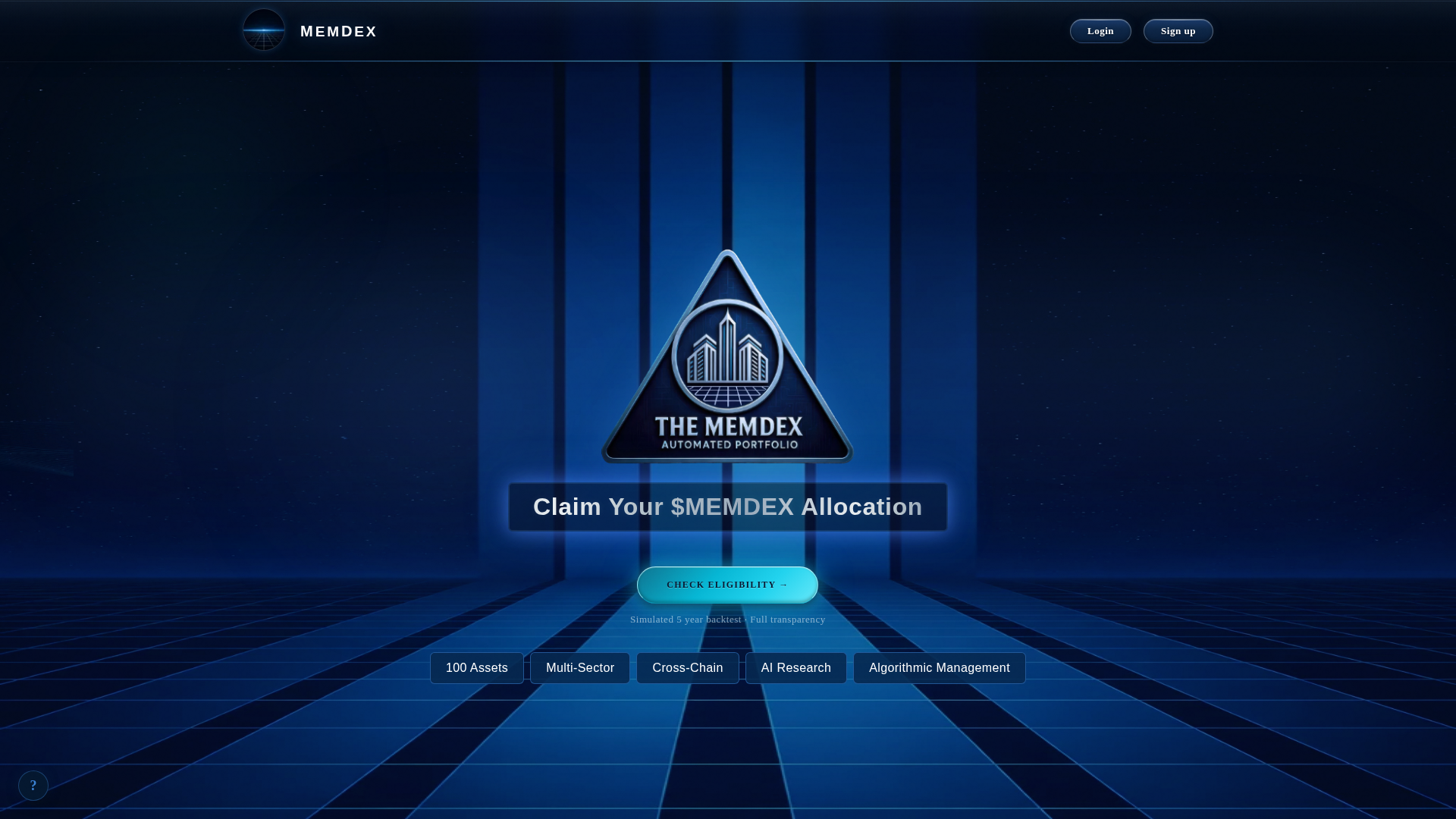
Detection Info
https://claim-memdexone.com/
Detected Brand
Memdex
Country
International
Confidence
100%
HTTP Status
200
Report ID
7a1459b6-300…
Analyzed
2026-08-12 23:32
Content Hashes (HTML Similarity)
Used to detect similar phishing pages based on HTML content
| Algorithm | Hash Value |
|---|---|
|
CONTENT
TLSH
|
T100C2C8766009B83F039BD2B1F159B60C23B5C181D70A46A4A3ED972F7AD7DE49D37228 |
|
CONTENT
ssdeep
|
768:ZrwlPPblu1ltxZNM5TUJPXh90wnQ3pnG4qnXk2pY8d7dk:ZrwlPjlu1ltxZNM5TUJPXh9XnQZnGVn4 |
Visual Hashes (Screenshot Similarity)
Used to detect visually similar phishing pages based on screenshots
| Algorithm | Hash Value |
|---|---|
|
VISUAL
pHash
|
d978368967858da6 |
|
VISUAL
aHash
|
0018183838183c3c |
|
VISUAL
dHash
|
90b1b2f2f0f0f0e8 |
|
VISUAL
wHash
|
0818387e3c3c7e7e |
|
VISUAL
colorHash
|
380000001c0 |
|
VISUAL
cropResistant
|
90b1b2f2f0f0f0e8 |
Code Analysis
Risk Score
79/100
Threat Level
ALTO
⚠️ Phishing Confirmed
🎣 Credential Harvester
🎣 OTP Stealer
🎣 Banking
🎣 Personal Info
🔬 Threat Analysis Report
• Threat: Crypto Phishing/Drainer
• Target: Memdex users
• Method: Reward claim scam
• Exfil: JavaScript-based exfiltration
• Indicators: New domain, obfuscated scripts
• Risk: Critical
🔒 Obfuscation Detected
- atob
- fromCharCode
- unescape
🎯 Kit Endpoints
- https://memdexone.com/blog
- https://memdexone.com/login
📡 API Calls Detected
- /api/community/enabled
- /api/ad/min/email-outbox/count
- POST
- /api/mailing-list/subscribe
- risk-disclosure-modal
- /api/ad/min/password-resets/count
- /api/blog/enabled
- /api/analytics/pageview
📊 Risk Score Breakdown
Total Risk Score
98/100
Contributing Factors
Domain Age
Registered 9 days ago
JS Obfuscation
Uses atob/fromCharCode to hide drainer logic
Content
Classic token claim scam
🔬 Comprehensive Threat Analysis
Threat Type
Banking Credential Harvester
Target
Memdex users (International)
Attack Method
Brand impersonation + credential harvesting forms + obfuscated JavaScript
Exfiltration Channel
Form submission (backend endpoint not detected - likely JavaScript-based)
Risk Assessment
HIGH - Automated credential harvesting with Form submission (backend endpoint not detected - likely JavaScript-based)
⚠️ Indicators of Compromise
- Kit types: Credential Harvester, OTP Stealer, Banking, Personal Info
- 13 obfuscation techniques
🏢 Brand Impersonation Analysis
Impersonated Brand
Memdex
Fake Service
Token Allocation Claim
Fraudulent Claims
⚔️ Attack Methodology
Primary Method: Crypto Drainer
Prompts users to connect wallets under the guise of an allocation claim, then executes malicious smart contract calls to drain assets.
Secondary Method: Credential Harvesting
Uses obfuscated JS to intercept data if form inputs are present.
Target Blockchain
Unknown
🌐 Infrastructure Indicators of Compromise
Domain Information
Domain
claim-memdexone.com
Registered
2026-08-04
Registrar
Unknown
Status
Active
🤖 AI-Extracted Threat Intelligence

"I Never Thought It Would Happen to Me"
That's what 2.3 million victims say every year. Don't wait to become a statistic.