
Phishing Analysis
Detailed analysis of captured phishing page
Visual Capture
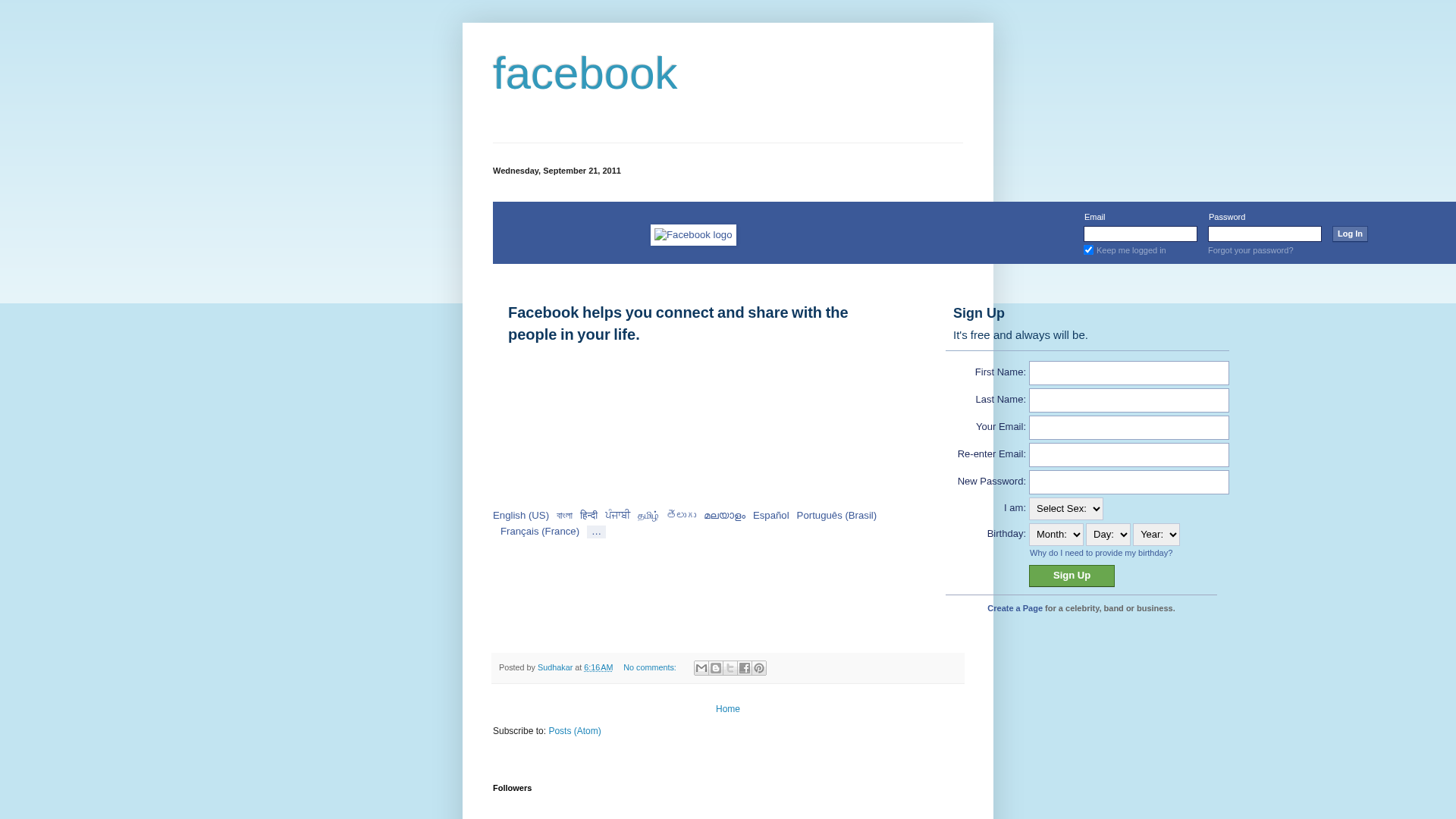
Detection Info
http://www.facebooksignuplogin.blogspot.com/
Detected Brand
Facebook
Country
Unknown
Confidence
100%
HTTP Status
200
Report ID
8199c57b-361…
Analyzed
2026-07-26 22:09
Final URL (after redirects)
http://facebooksignuplogin.blogspot.com/
Content Hashes (HTML Similarity)
Used to detect similar phishing pages based on HTML content
| Algorithm | Hash Value |
|---|---|
|
CONTENT
TLSH
|
T19D2373313501592B12E7D6D9E832EBAA73964346CB8346E0FAE047B5D68DFB8CD33158 |
|
CONTENT
ssdeep
|
384:rJkP3ojv7loa4O3wHz6S4pTeTbCbI/Bz/hdY2ltJpxNnKoVfP1Z5HfGLzJ7:2P3qGa4OG9KoVF8zJ7 |
Visual Hashes (Screenshot Similarity)
Used to detect visually similar phishing pages based on screenshots
| Algorithm | Hash Value |
|---|---|
|
VISUAL
pHash
|
d9719a8e9e8a6165 |
|
VISUAL
aHash
|
3ff8c03f3e383c3c |
|
VISUAL
dHash
|
7950067060736971 |
|
VISUAL
wHash
|
3cfcc03c3e383c3c |
|
VISUAL
colorHash
|
07007000000 |
|
VISUAL
cropResistant
|
7950067060736971,816c919c8c9c986c |
Code Analysis
Risk Score
95/100
Threat Level
ALTO
⚠️ Phishing Confirmed
🎣 Credential Harvester
🎣 OTP Stealer
🎣 Personal Info
🔐 Credential Harvesting Forms
🔒 Obfuscation Detected
- eval
- fromCharCode
- unescape
- hex_escape
- unicode_escape
🎯 Kit Endpoints
- https://www.blogger.com/post-edit.g?blogID=6574011619578936285&postID=7725873125679703404&from=pencil
- https://www.blogger.com/profile/07372908454196068018
- https://www.blogger.com/share-post.g?blogID=6574011619578936285&postID=7725873125679703404&target=email
- http://facebooksignuplogin.blogspot.com/2011/
- http://facebooksignuplogin.blogspot.com/2011/09/email-password-keep-me-logged-in-forgot.html#comment-form
- https://www.blogger.com/dyn-css/authorization.css?targetBlogID=6574011619578936285&zx=aa3433f5-fdd8-486f-bbb1-d8889f6507ff
- https://www.blogger.com/share-post.g?blogID=6574011619578936285&postID=7725873125679703404&target=twitter
- https://www.blogger.com/feeds/6574011619578936285/posts/default
- https://www.blogger.com/share-post.g?blogID=6574011619578936285&postID=7725873125679703404&target=pinterest
- http://facebooksignuplogin.blogspot.com/2011/09/email-password-keep-me-logged-in-forgot.html
- http://facebooksignuplogin.blogspot.com/
- http://facebooksignuplogin.blogspot.com/feeds/posts/default?alt=rss
- https://www.blogger.com/navbar/6574011619578936285?origin=http://facebooksignuplogin.blogspot.com&usegapi=1&jsh=m%3B%2F_%2Fscs%2Fabc-static%2F_%2Fjs%2Fk%3Dgapi.lb.en.9vdPKhB0RUg.O%2Fd%3D1%2Frs%3DAHpOoo97anj7zZ432JcN58tqJJp_A6WeOw%2Fm%3D__features__#id=navbar-iframe&_gfid=navbar-iframe&parent=http%3A%2F%2Ffacebooksignuplogin.blogspot.com&pfname=&rpctoken=94099456
- https://www.blogger.com/share-post.g?blogID=6574011619578936285&postID=7725873125679703404&target=facebook
- https://www.blogger.com
- http://facebooksignuplogin.blogspot.com/feeds/posts/default
- https://www.blogger.com/followers/frame/6574011619578936285?colors=Cgt0cmFuc3BhcmVudBILdHJhbnNwYXJlbnQaByMyMjIyMjIiByMyMjg4YmIqByNmZmZmZmYyByMwMDAwMDA6ByMyMjIyMjJCByMyMjg4YmJKByM5OTk5OTlSByMyMjg4YmJaC3RyYW5zcGFyZW50&pageSize=21&hl=en&origin=http://facebooksignuplogin.blogspot.com&usegapi=1&jsh=m%3B%2F_%2Fscs%2Fabc-static%2F_%2Fjs%2Fk%3Dgapi.lb.en.9vdPKhB0RUg.O%2Fd%3D1%2Frs%3DAHpOoo97anj7zZ432JcN58tqJJp_A6WeOw%2Fm%3D__features__#id=I0_1785110944633&_gfid=I0_1785110944633&parent=http%3A%2F%2Ffacebooksignuplogin.blogspot.com&pfname=&rpctoken=34888562
- https://www.blogger.com/share-post.g?blogID=6574011619578936285&postID=7725873125679703404&target=blog
- http://facebooksignuplogin.blogspot.com/2011/09/
📡 API Calls Detected
- post
📤 Form Action Targets
- https://www.facebook.com/login.php?login_attempt=1
📊 Risk Score Breakdown
Total Risk Score
100/100
Contributing Factors
Active Phishing Kit
Detected kit types: Credential Harvester, OTP Stealer, Personal Info
Credential Harvesting
Credential harvesting detected with 2 form(s) capturing sensitive data
Code Obfuscation
JavaScript code obfuscated using 22 technique(s) to evade detection
🔬 Comprehensive Threat Analysis
Threat Type
Two-Factor Authentication Stealer
Target
Facebook users
Attack Method
credential harvesting forms + obfuscated JavaScript
Exfiltration Channel
HTTP POST to backend
Risk Assessment
CRITICAL - Automated credential harvesting with HTTP POST to backend
⚠️ Indicators of Compromise
- Kit types: Credential Harvester, OTP Stealer, Personal Info
- 22 obfuscation techniques
🏢 Brand Impersonation Analysis
Impersonated Brand
Facebook
Official Website
https://www.facebook.com
Fake Service
Account login portal
⚔️ Attack Methodology
Primary Method: Credential Harvesting
Victim enters username and password into fake login form. Credentials are captured via JavaScript and exfiltrated to attacker's server in real-time.
Secondary Method: JavaScript Obfuscation
Malicious code is obfuscated using 22 techniques to evade detection by security scanners and make reverse engineering more difficult.
🌐 Infrastructure Indicators of Compromise
Domain Information
Domain
www.facebooksignuplogin.blogspot.com
Registered
Unknown
Registrar
None
Status
Age unknown
Hosting Information
Provider
Unknown
ASN
🤖 AI-Extracted Threat Intelligence

"I Never Thought It Would Happen to Me"
That's what 2.3 million victims say every year. Don't wait to become a statistic.