
Phishing Analysis
Detailed analysis of captured phishing page
Visual Capture
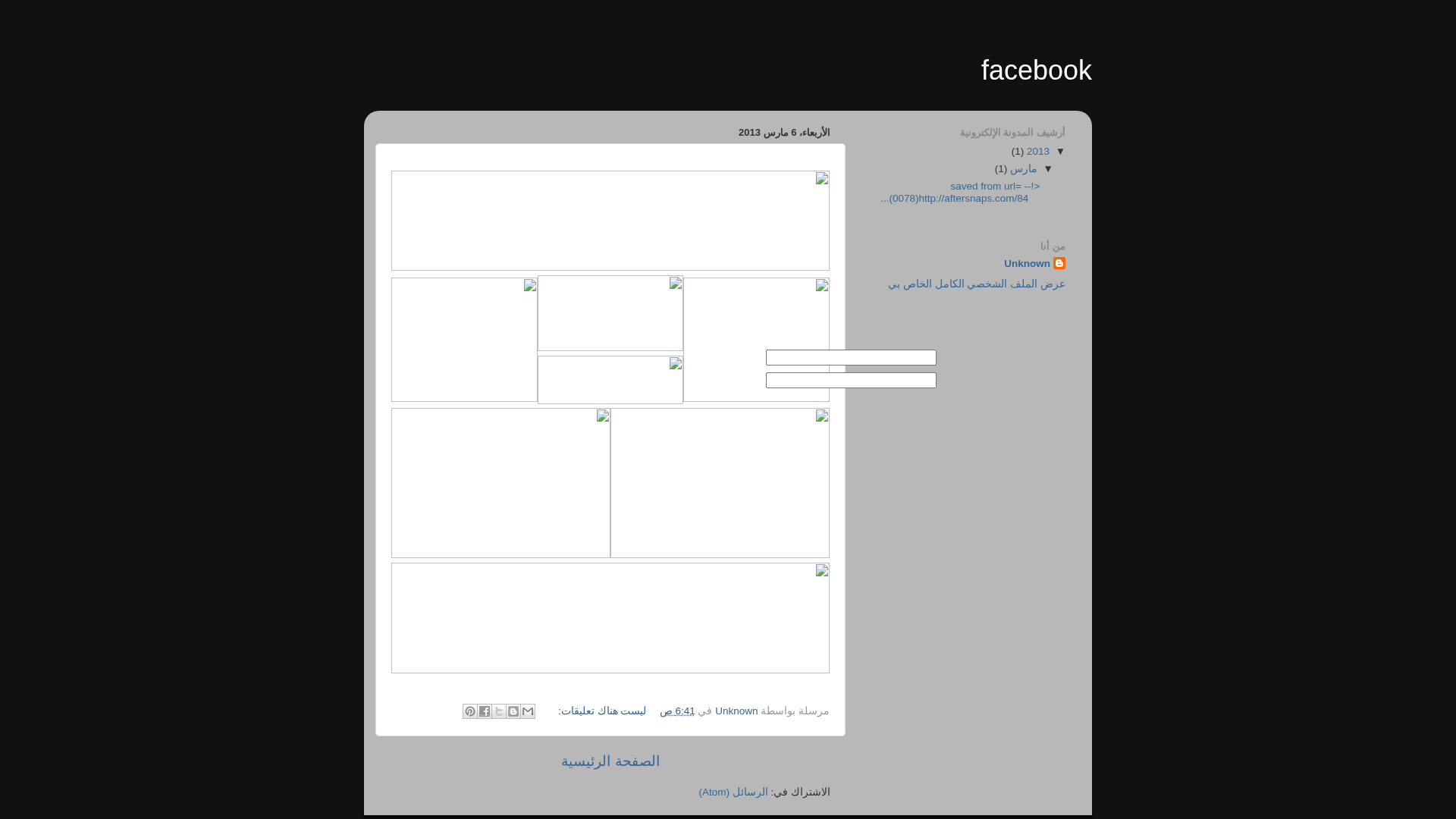
Detection Info
http://www.facebookloginf.blogspot.com/
Detected Brand
Facebook
Country
Unknown
Confidence
100%
HTTP Status
200
Report ID
8999a5fe-a97…
Analyzed
2026-07-11 22:15
Final URL (after redirects)
http://facebookloginf.blogspot.com/
Content Hashes (HTML Similarity)
Used to detect similar phishing pages based on HTML content
| Algorithm | Hash Value |
|---|---|
|
CONTENT
TLSH
|
T1E062207160449E7B11A3E3E5E370EB2F7692C245CB931642E2F9E34D1BC7CA6DD62218 |
|
CONTENT
ssdeep
|
192:KhWZx69PTnuY4vRl64wJdIqwqtpw2xh8XVlluK4C2KO/GA6kRJoTDlblvXxz1:qyudI4gLV3uK4C2KO/GNtJ11 |
Visual Hashes (Screenshot Similarity)
Used to detect visually similar phishing pages based on screenshots
| Algorithm | Hash Value |
|---|---|
|
VISUAL
pHash
|
cf30307c306d75cd |
|
VISUAL
aHash
|
003c3c3c3c3c3c3c |
|
VISUAL
dHash
|
2d61616161616169 |
|
VISUAL
wHash
|
043c3c3c3e3e3e3c |
|
VISUAL
colorHash
|
33007000000 |
|
VISUAL
cropResistant
|
a181909091815100,2d61616161616169 |
Code Analysis
Risk Score
95/100
Threat Level
ALTO
⚠️ Phishing Confirmed
🎣 Credential Harvester
🎣 OTP Stealer
🎣 Personal Info
🔐 Credential Harvesting Forms
🔒 Obfuscation Detected
- eval
- fromCharCode
- unescape
- hex_escape
- unicode_escape
🎯 Kit Endpoints
- http://facebookloginf.blogspot.com/feeds/posts/default?alt=rss
- http://facebookloginf.blogspot.com/2013/03/
- https://www.blogger.com/profile/03003680828243380001
- https://www.blogger.com/share-post.g?blogID=7925731319157361242&postID=7816736804593635268&target=blog
- https://www.blogger.com/post-edit.g?blogID=7925731319157361242&postID=7816736804593635268&from=pencil
- https://www.blogger.com/share-post.g?blogID=7925731319157361242&postID=7816736804593635268&target=twitter
- https://www.blogger.com/dyn-css/authorization.css?targetBlogID=7925731319157361242&zx=c74d92a4-fbaf-4f61-bdd3-1f6b817af71b
- http://facebookloginf.blogspot.com/2013/03/blog-post.html
- https://www.blogger.com/share-post.g?blogID=7925731319157361242&postID=7816736804593635268&target=pinterest
- https://www.blogger.com/feeds/7925731319157361242/posts/default
- https://www.blogger.com
- https://www.blogger.com/navbar/7925731319157361242?origin=http://facebookloginf.blogspot.com&usegapi=1&jsh=m%3B%2F_%2Fscs%2Fabc-static%2F_%2Fjs%2Fk%3Dgapi.lb.en.9vdPKhB0RUg.O%2Fd%3D1%2Frs%3DAHpOoo97anj7zZ432JcN58tqJJp_A6WeOw%2Fm%3D__features__#id=navbar-iframe&_gfid=navbar-iframe&parent=http%3A%2F%2Ffacebookloginf.blogspot.com&pfname=&rpctoken=95359206
- http://facebookloginf.blogspot.com/2013/03/blog-post.html#comment-form
- http://facebookloginf.blogspot.com/feeds/posts/default
- http://facebookloginf.blogspot.com/
- https://www.blogger.com/share-post.g?blogID=7925731319157361242&postID=7816736804593635268&target=email
- http://facebookloginf.blogspot.com/2013/
- https://www.blogger.com/share-post.g?blogID=7925731319157361242&postID=7816736804593635268&target=facebook
📡 API Calls Detected
- post
📤 Form Action Targets
- http://eg4x.biz/fac.php
📊 Risk Score Breakdown
Total Risk Score
100/100
Contributing Factors
Active Phishing Kit
Detected kit types: Credential Harvester, OTP Stealer, Personal Info
Credential Harvesting
Credential harvesting detected with 1 form(s) capturing sensitive data
Code Obfuscation
JavaScript code obfuscated using 62 technique(s) to evade detection
🔬 Comprehensive Threat Analysis
Threat Type
Two-Factor Authentication Stealer
Target
Facebook users
Attack Method
credential harvesting forms + obfuscated JavaScript
Exfiltration Channel
HTTP POST to backend
Risk Assessment
CRITICAL - Automated credential harvesting with HTTP POST to backend
⚠️ Indicators of Compromise
- Kit types: Credential Harvester, OTP Stealer, Personal Info
- 62 obfuscation techniques
🏢 Brand Impersonation Analysis
Impersonated Brand
Facebook
Official Website
https://www.facebook.com
Fake Service
Account login portal
⚔️ Attack Methodology
Primary Method: Credential Harvesting
Victim enters username and password into fake login form. Credentials are captured via JavaScript and exfiltrated to attacker's server in real-time.
Secondary Method: JavaScript Obfuscation
Malicious code is obfuscated using 62 techniques to evade detection by security scanners and make reverse engineering more difficult.
🌐 Infrastructure Indicators of Compromise
Domain Information
Domain
www.facebookloginf.blogspot.com
Registered
Unknown
Registrar
None
Status
Age unknown
Hosting Information
Provider
Unknown
ASN
🤖 AI-Extracted Threat Intelligence
Similar Websites
Pages with identical visual appearance (based on perceptual hash)
Scan History for www.facebookloginf.blogspot.com
Found 1 other scan for this domain

"I Never Thought It Would Happen to Me"
That's what 2.3 million victims say every year. Don't wait to become a statistic.