
Phishing Analysis
Detailed analysis of captured phishing page
Visual Capture
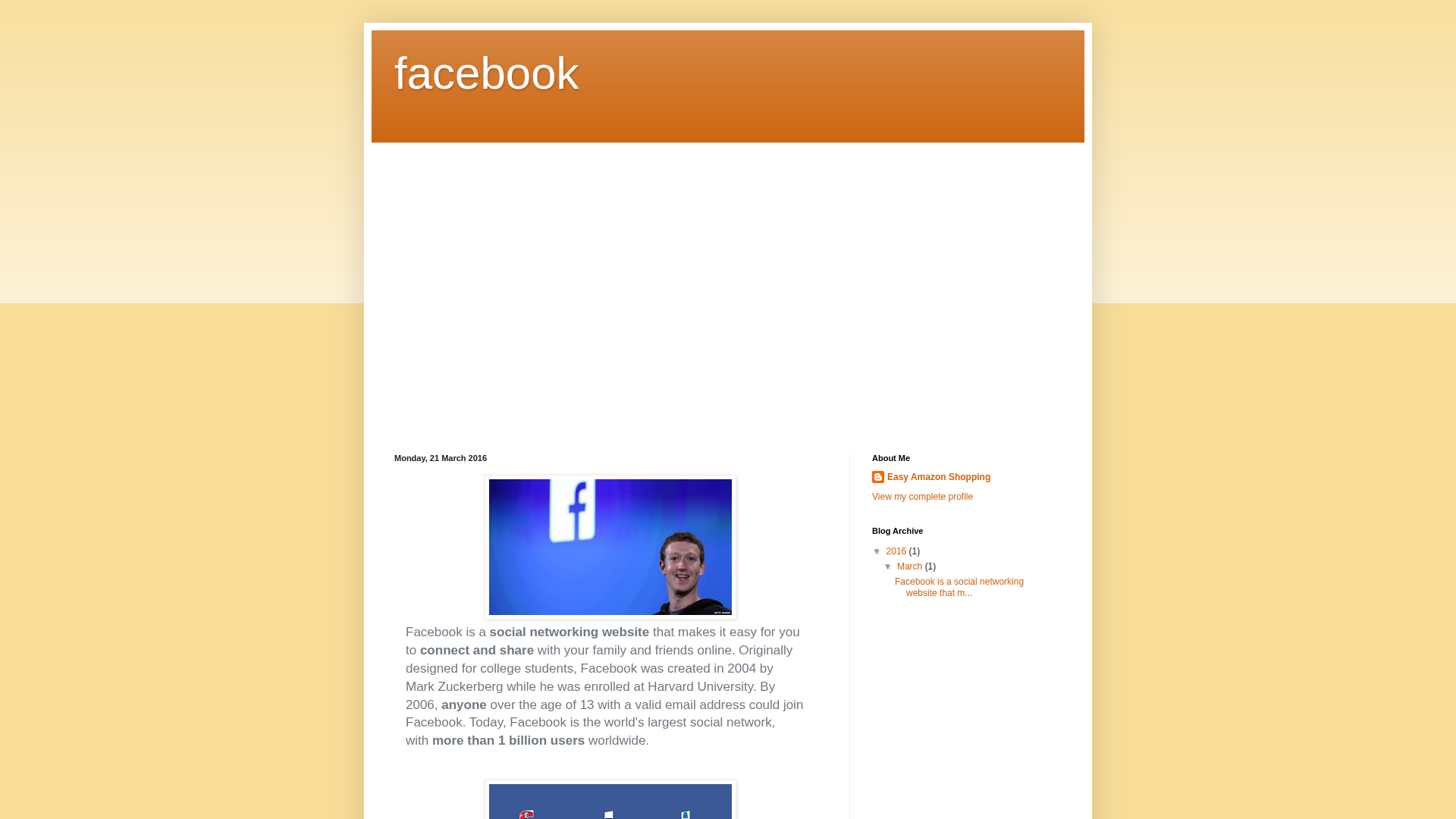
Detection Info
https://facebookloginss.blogspot.com/?m=1
Detected Brand
Facebook
Country
Unknown
Confidence
100%
HTTP Status
200
Report ID
8fc82e64-9a1…
Analyzed
2026-07-24 22:10
Content Hashes (HTML Similarity)
Used to detect similar phishing pages based on HTML content
| Algorithm | Hash Value |
|---|---|
|
CONTENT
TLSH
|
T1C0F2A53041016A27456AEAC0FB26D75A73434397CE834AA5E6F5470DDACDD7A8FB2338 |
|
CONTENT
ssdeep
|
768:vv0w0YeYh9rF7Zo5rW/ycKw6M5VbbEtjv:nfzFyrW/ycKw6M7wv |
Visual Hashes (Screenshot Similarity)
Used to detect visually similar phishing pages based on screenshots
| Algorithm | Hash Value |
|---|---|
|
VISUAL
pHash
|
b36c6c314ccc33ce |
|
VISUAL
aHash
|
81c3ff3c6c4c3c6c |
|
VISUAL
dHash
|
8696416159d95959 |
|
VISUAL
wHash
|
c3c3ff3c2c0c3c2c |
|
VISUAL
colorHash
|
06c00008000 |
|
VISUAL
cropResistant
|
8696416159d95959,0000000000000000,e0c2e0c1d0e0e0e0 |
Code Analysis
Risk Score
85/100
Threat Level
ALTO
⚠️ Phishing Confirmed
🎣 Credential Harvester
🎣 OTP Stealer
🎣 Personal Info
🔒 Obfuscation Detected
- eval
- fromCharCode
- unescape
- hex_escape
- unicode_escape
🎯 Kit Endpoints
- https://lh3.googleusercontent.com/blogger_img_proxy/AEn0k_uowDUFvR3fc6Sq8oLg1whn2k3q6d9EfKR_oPIUH_RIHe2bKr0-oNstfpgsBGgglfRqm8JpXREVqXg0tC13y58JCjOmbi9rU3Fyd07DPAL7me7_2CbgbR3KAjBjmPWZzZ-RWC8=s0-d
- https://lh3.googleusercontent.com/blogger_img_proxy/AEn0k_u6SDaVvLQZrE3l_HeuBkfIb1wL3xNx_FwPMtvZdPvORmcCwFUHNjdVkThojEli7SEs4UJQoGtMB_AmL42DBilaqUyZPMWBIeY7yzVU17SKvguPTZUTo1RaXoPQq80_2R3_am5GC6J6=s0-d
- https://facebookloginss.blogspot.com/2016/03/facebook-is-networking-website-that.html
- https://www.blogger.com/profile/05267344057296918106
- https://www.blogger.com/share-post.g?blogID=5843281779139114371&postID=3262609980166248018&target=twitter
- https://lh3.googleusercontent.com/blogger_img_proxy/AEn0k_tsn0wARJGBVJnaUssPsgPXK3YznoNIjfwFlKk4MFQ_fTOyOsLiBQ3FUNw60HdNgQc0gHu_e09ObQ9yPk_T2x1UHKAeX1qZ5JKyM0cT_9eaVmkI_iYgHZMyWQyA7iFNPV03CimLpA=s0-d
- https://www.blogger.com/share-post.g?blogID=5843281779139114371&postID=3262609980166248018&target=email
- https://www.blogger.com/share-post.g?blogID=5843281779139114371&postID=3262609980166248018&target=facebook
- https://lh3.googleusercontent.com/blogger_img_proxy/AEn0k_sUTSUN2KrcFEMK1ohFkWWMpEJiet8NMY2yetelE_qtL5D7o-rGrg8LClVXNQsuYzTWV3fBAFylSPbr-kQkm6txDujHzq-6jUECRbpOUod61RfheCd4rQpyQr1HGOfNGcPrDwVfkQ=s0-d
- https://www.blogger.com/feeds/5843281779139114371/posts/default
- https://lh3.googleusercontent.com/blogger_img_proxy/AEn0k_sYc7yefrySY7B_HD1XF5Y8g0jzQuvU8aLW4anZn7AduaSZcPhEyCUv8WGNksz_tVBVzc3vZxLpFsbhlOk7gxeKjYD1LsITix8no1EXbdmpgfPPQ9-g3jQJnLwfTXVvgnwp5zDlvA=s0-d
- https://www.blogger.com/share-post.g?blogID=5843281779139114371&postID=3262609980166248018&target=pinterest
- https://lh3.googleusercontent.com/blogger_img_proxy/AEn0k_tI_11jba_6u-3d9dJxF5HtJGtQGPFdUOX85ejgneR1-Jm-x0IMDP0e7r4JLT4d5gsDV7597SBfXLgQfF72NBVH0JNwK7UcCHfsCumsAVfNdnIb1zDe-IgIYqgimqhDKop1mQE5cw=s0-d
- https://facebookloginss.blogspot.com/feeds/posts/default?alt=rss
- https://www.blogger.com/navbar/5843281779139114371?origin=https://facebookloginss.blogspot.com&usegapi=1&jsh=m%3B%2F_%2Fscs%2Fabc-static%2F_%2Fjs%2Fk%3Dgapi.lb.en.9vdPKhB0RUg.O%2Fd%3D1%2Frs%3DAHpOoo97anj7zZ432JcN58tqJJp_A6WeOw%2Fm%3D__features__#id=navbar-iframe&_gfid=navbar-iframe&parent=https%3A%2F%2Ffacebookloginss.blogspot.com&pfname=&rpctoken=21596304
- http://facebookloginss.blogspot.com/
- https://facebookloginss.blogspot.com/feeds/posts/default
- https://www.blogger.com
- https://www.blogger.com/post-edit.g?blogID=5843281779139114371&postID=3262609980166248018&from=pencil
- https://www.blogger.com/share-post.g?blogID=5843281779139114371&postID=3262609980166248018&target=blog
- https://lh3.googleusercontent.com/blogger_img_proxy/AEn0k_v5MT4v2QuHAljzxy9IG7YbGx2YLteIFSHFQTWTDJKAWOhQEq57i6P3lR1SSbfrpv9uk9BU6EbYJGyj0a9KdhwOHW8zCc882Ic4_CgxTpWb_NZf2BgbpkiFE9wImd69sUk25ViUwA=s0-d
- https://facebookloginss.blogspot.com/2016/03/facebook-is-networking-website-that.html#comment-form
- https://lh3.googleusercontent.com/blogger_img_proxy/AEn0k_tVoA_sgtbiMo7FHf8K_XGeVrztghsOx1-cZh_WzTg9r3GAk2mUwtjN6h29o2VbNIFMcgsAxi3uxVySuybAjiZ7ECtN7DfhMEgJ4yu9_X-gC2bHFBGDA0XLkZCwHpLjQ2LhCjTUGw=s0-d
- https://lh3.googleusercontent.com/blogger_img_proxy/AEn0k_u5lkuuY5hXodyBD8QLw-Jn-bMtwTqCqPu21XQv3A--Kk0QkYPG-TyssAfhiiLogiXob0chmbAP42IovaFP56klo9GzU_ek-jyF_avfz7RH6AqqjfpYPR9BCs7kwqHL=s0-d
- https://lh3.googleusercontent.com/blogger_img_proxy/AEn0k_tHbPOdvap-28Dr2QVjUHLLc_ypn7wJMWeiaLzWBB5OuAQW-4IzKm5zMkjYCqfeiPmrfS5SRFiSDaGGF7Cr7e9MQ_b6o2MtnxESzMabkwL86RAAsQAKEy638QO07HC7i6w=s0-d
- https://facebookloginss.blogspot.com/
- https://facebookloginss.blogspot.com/2016/
- https://www.blogger.com/dyn-css/authorization.css?targetBlogID=5843281779139114371&zx=8888fd57-440b-4dc0-9002-316e57a40ee7
- https://lh3.googleusercontent.com/blogger_img_proxy/AEn0k_vxiF3wpKAJylFX9tkWjewHL6kijjIe140h3l1TwtzW7LxxUzPeR3h4f-_XgdvvEglUvKApjo2X0WU5OsxiYqOEKcMwFjePb7fpYVHL4c2LgusJtxu8apCJLAA7p-SRZtCV97ky=s0-d
- https://facebookloginss.blogspot.com/2016/03/
- https://lh3.googleusercontent.com/blogger_img_proxy/AEn0k_tds2BiD44yk-wwupRP_pgiw9yA5DrmvS44I0YwDawPS9husa2rr_TAam0BgwOXgszAR-JkgmKaWs013Yxq0OVCa3azlzB6nY2p87zIXQ1uBy6_qMT3tRL7bl1wKLAQ-e2xaYNv=s0-d
📡 API Calls Detected
- post
📊 Risk Score Breakdown
Total Risk Score
100/100
Contributing Factors
Active Phishing Kit
Detected kit types: Credential Harvester, OTP Stealer, Personal Info
Code Obfuscation
JavaScript code obfuscated using 31 technique(s) to evade detection
🔬 Comprehensive Threat Analysis
Threat Type
Two-Factor Authentication Stealer
Target
Facebook users
Attack Method
obfuscated JavaScript
Exfiltration Channel
Form submission (backend endpoint not detected - likely JavaScript-based)
Risk Assessment
CRITICAL - Automated credential harvesting with Form submission (backend endpoint not detected - likely JavaScript-based)
⚠️ Indicators of Compromise
- Kit types: Credential Harvester, OTP Stealer, Personal Info
- 31 obfuscation techniques
🏢 Brand Impersonation Analysis
Impersonated Brand
Facebook
Official Website
https://www.facebook.com
Fake Service
Account login portal
⚔️ Attack Methodology
Primary Method: Credential Harvesting
Victim enters username and password into fake login form. Credentials are captured via JavaScript and exfiltrated to attacker's server in real-time.
Secondary Method: JavaScript Obfuscation
Malicious code is obfuscated using 31 techniques to evade detection by security scanners and make reverse engineering more difficult.
🌐 Infrastructure Indicators of Compromise
Domain Information
Domain
facebookloginss.blogspot.com
Registered
Unknown
Registrar
None
Status
Age unknown
Hosting Information
Provider
Unknown
ASN
🤖 AI-Extracted Threat Intelligence

"I Never Thought It Would Happen to Me"
That's what 2.3 million victims say every year. Don't wait to become a statistic.