
Phishing Analysis
Detailed analysis of captured phishing page
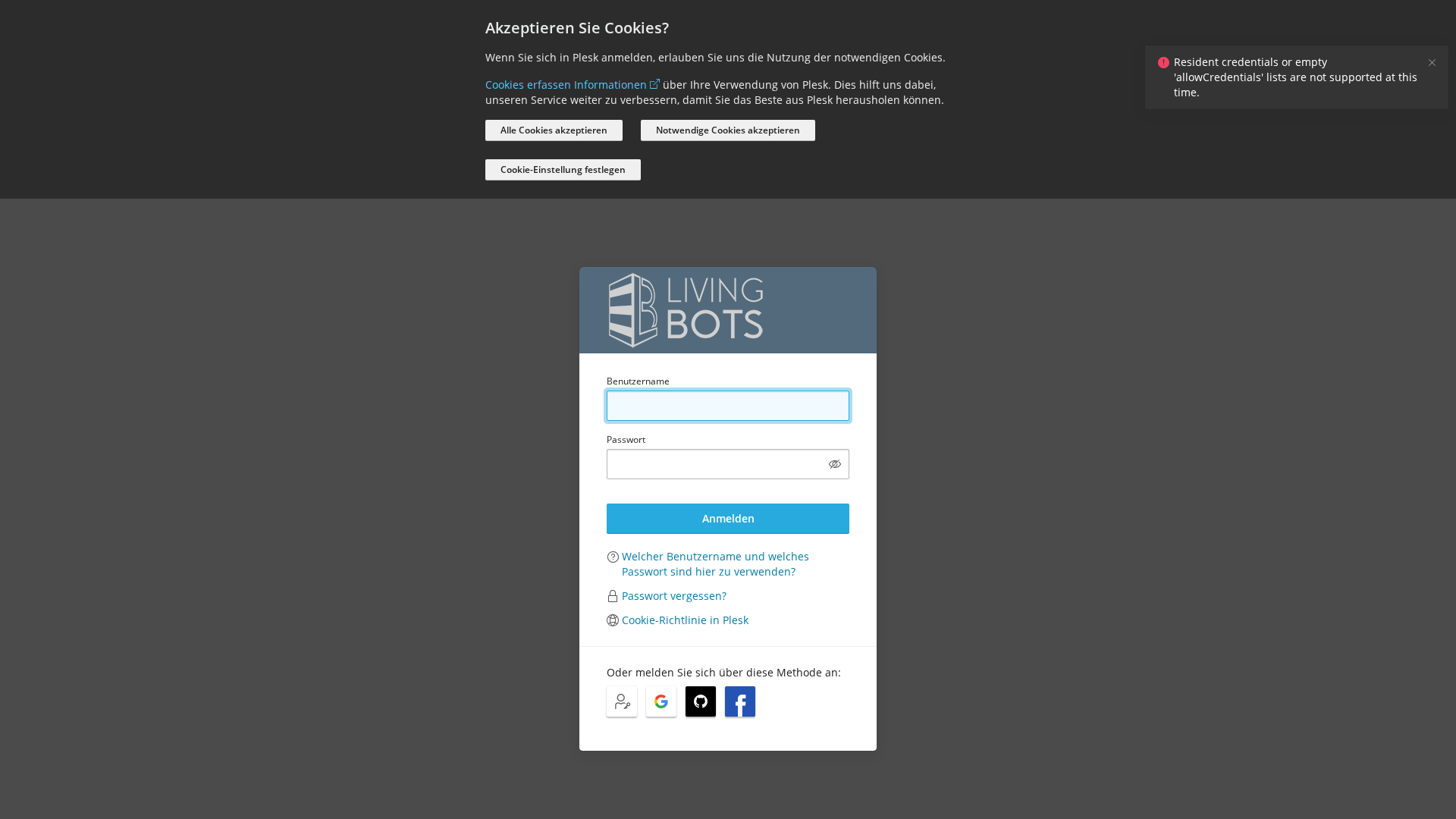
Visual Capture
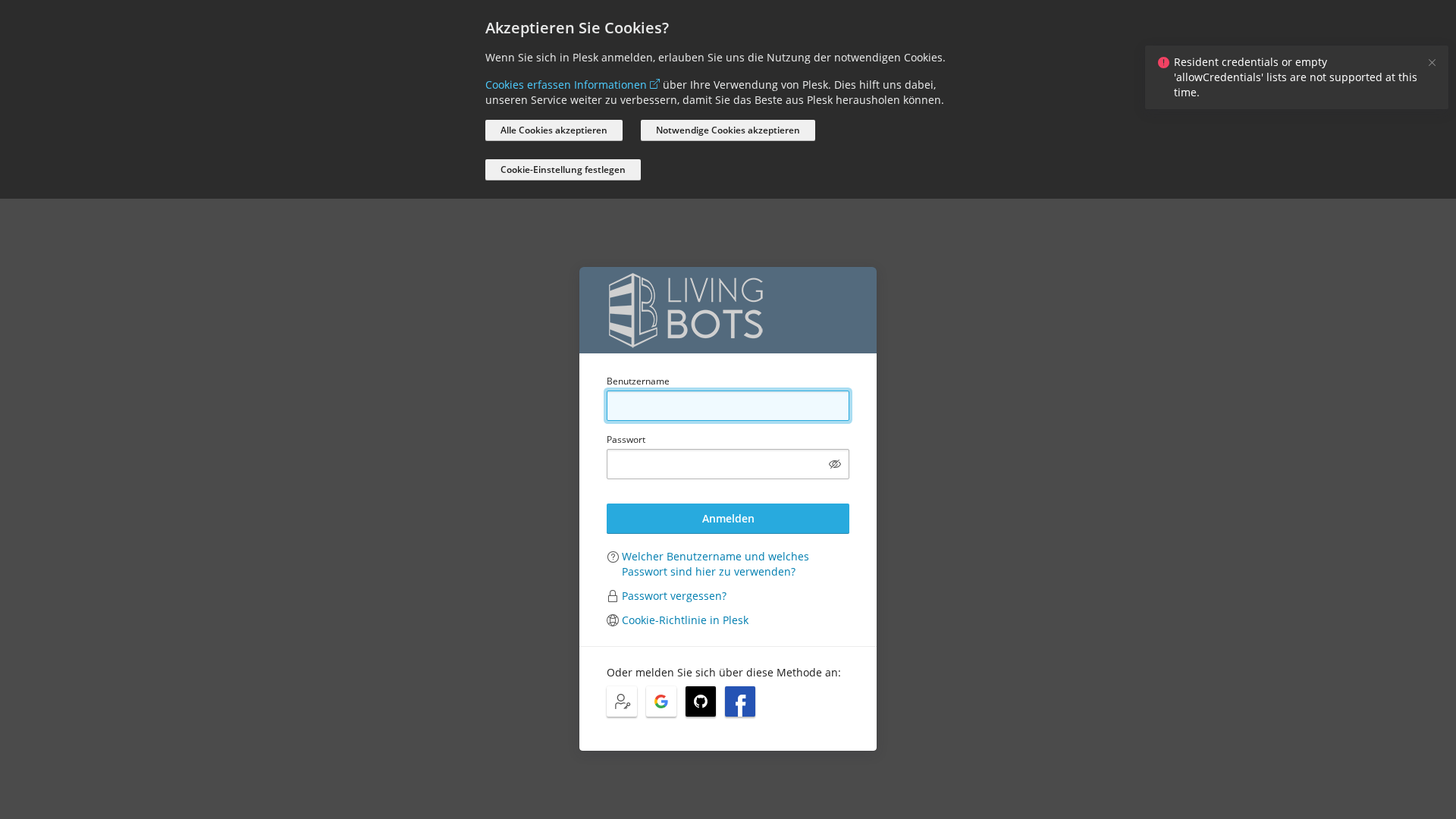
Detection Info
https://dkbing-banking.91-218-65-223.plesk.page/
Detected Brand
Plesk
Country
International
Confidence
100%
HTTP Status
200
Report ID
920d4e12-6d3…
Analyzed
2026-02-26 00:50
Final URL (after redirects)
https://dkbing-banking.91-218-65-223.plesk.page/login_up.php
Content Hashes (HTML Similarity)
Used to detect similar phishing pages based on HTML content
| Algorithm | Hash Value |
|---|---|
|
CONTENT
TLSH
|
T1AF92B6F2548CE57627039FD0F466BB15B39B65BEEB820700C26C83985FE7ED1D44988A |
|
CONTENT
ssdeep
|
384:KLJjYp8pe78xe8ITjKkrVjg1rTj3rrn1NWEGWPZ+gEbDP5p3OECCefdRhqHe1:KLJjW8pe78xe8I32f1BoZOCadRhqHe1 |
Visual Hashes (Screenshot Similarity)
Used to detect visually similar phishing pages based on screenshots
| Algorithm | Hash Value |
|---|---|
|
VISUAL
pHash
|
cc662799319933b9 |
|
VISUAL
aHash
|
0010001818181818 |
|
VISUAL
dHash
|
726224b2b2b2b2b2 |
|
VISUAL
wHash
|
0010181818181c1c |
|
VISUAL
colorHash
|
07007000080 |
|
VISUAL
cropResistant
|
92a280b233a08e9e,726224b2b2b2b2b2 |
Code Analysis
Risk Score
85/100
Threat Level
ALTO
⚠️ Phishing Confirmed
🎣 Credential Harvester
🎣 OTP Stealer
🎣 Banking
🎣 Personal Info
🔬 Threat Analysis Report
• Threat: Phishing
• Target: Plesk users
• Method: Impersonation via a fake login page.
• Exfil: Unknown, likely to capture login credentials.
• Indicators: Domain mismatch, obfuscated JavaScript, form submission.
• Risk: HIGH
🔒 Obfuscation Detected
- atob
- eval
- fromCharCode
- unescape
- document.write
- hex_escape
- unicode_escape
- base64_strings
🎯 Kit Endpoints
- https://github.com/login/oauth/authorize?client_id=1c4da8e2ca643e96ea17&redirect_uri=https%3A%2F%2Fid.plesk.com%2Fredirect%2Fgithub-sign-in.html&scope=user%3Aemail&state=ph%2FGSgODM2KSSO27Qdb28STvRhgMTS36Fmb5M8dA%7Credirect-plesk%3Dhttps%253A%252F%252Fdkbing-banking.91-218-65-223.plesk.page%252Fmodules%252Fsocial-login%252Fpublic%252Flogin.php%253Fprovider%253Dgithub
- ${(0,m.default)(`/admin/report/download/file/${encodeURIComponent(n.file)}`)}
- https://support.plesk.com/hc/en-us/articles/12377667582743-How-to-log-in-to-Plesk-
- log-in
- /modules/social-login/public/webauthn.js?1.10.5&18.0.76-1
- /login_up.php?modals[cookie-policy-preferences]=true
- /logout.php
📡 API Calls Detected
- /admin/copilot/gen-answer
- GET
- /admin/copilot/stat
- /modules/notifier/index.php/notifications
📊 Risk Score Breakdown
Total Risk Score
90/100
Contributing Factors
Suspicious Domain
The domain is not related to the brand.
Obfuscated JavaScript
Code obfuscation is a common technique used to hide malicious code.
Requests Credentials
The website asks for login credentials in a suspicious context.
🔬 Comprehensive Threat Analysis
Threat Type
Banking Credential Harvester
Target
Plesk users (International)
Attack Method
Brand impersonation + credential harvesting forms + obfuscated JavaScript
Exfiltration Channel
Form submission (backend endpoint not detected - likely JavaScript-based)
Risk Assessment
CRITICAL - Automated credential harvesting with Form submission (backend endpoint not detected - likely JavaScript-based)
⚠️ Indicators of Compromise
- Kit types: Credential Harvester, OTP Stealer, Banking, Personal Info
- 105 obfuscation techniques
🏢 Brand Impersonation Analysis
Impersonated Brand
Plesk and Living Bots
Official Website
null
Fake Service
Plesk Login
⚔️ Attack Methodology
Primary Method: Credential Harvesting
The attacker attempts to steal user credentials by creating a fake login page that mimics the look and feel of the target service (Plesk). Users are tricked into entering their login details, which are then harvested by the attacker.
🌐 Infrastructure Indicators of Compromise
Domain Information
Domain
dkbing-banking.91-218-65-223.plesk.page
Registered
Unknown
Registrar
Unknown
Status
Inactive
🤖 AI-Extracted Threat Intelligence
Similar Websites
Pages with identical visual appearance (based on perceptual hash)
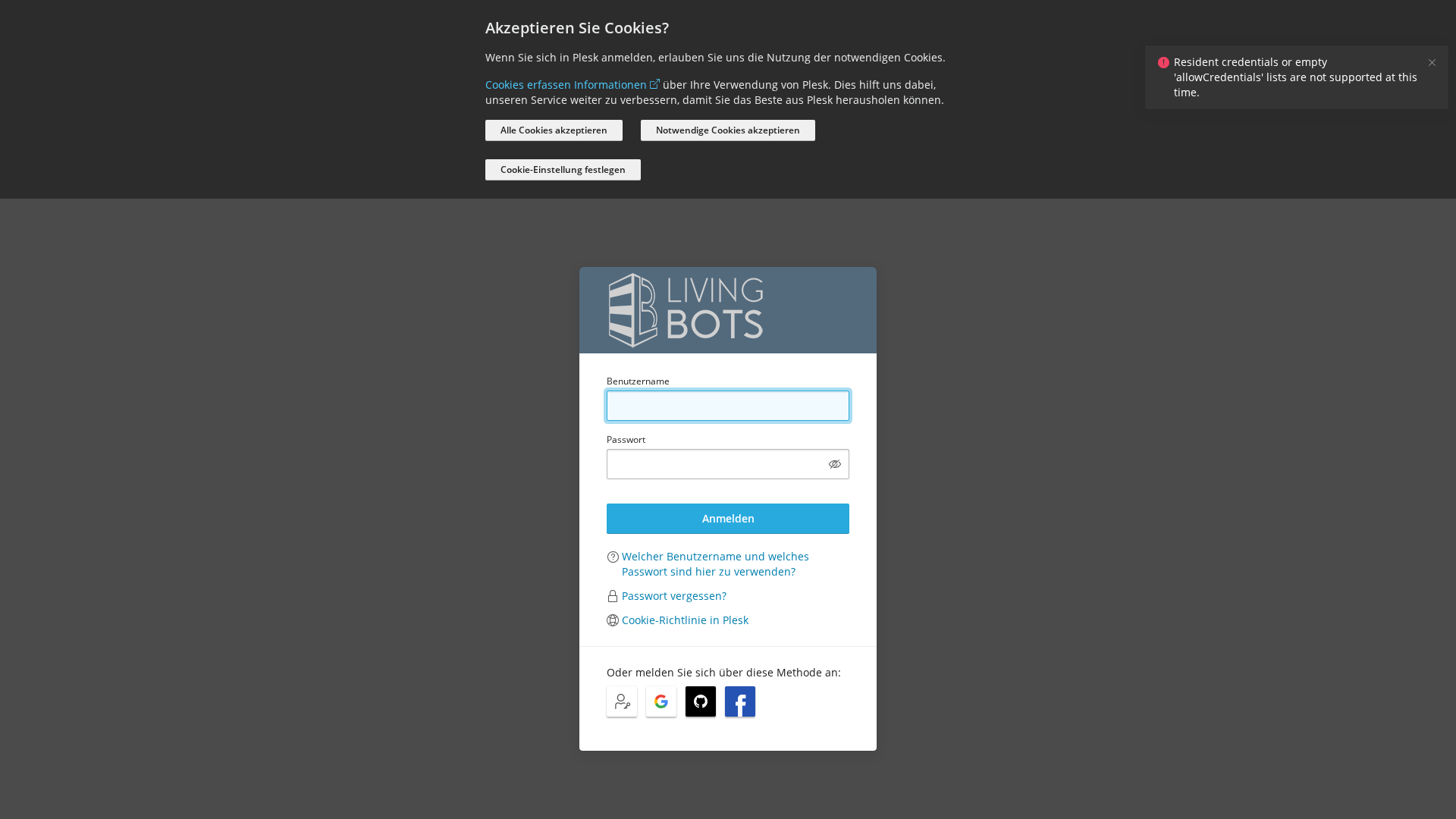
Unknown
https://cdn.gosafemode.com/screenshots/3795267e5e8c.png
May 25, 2026
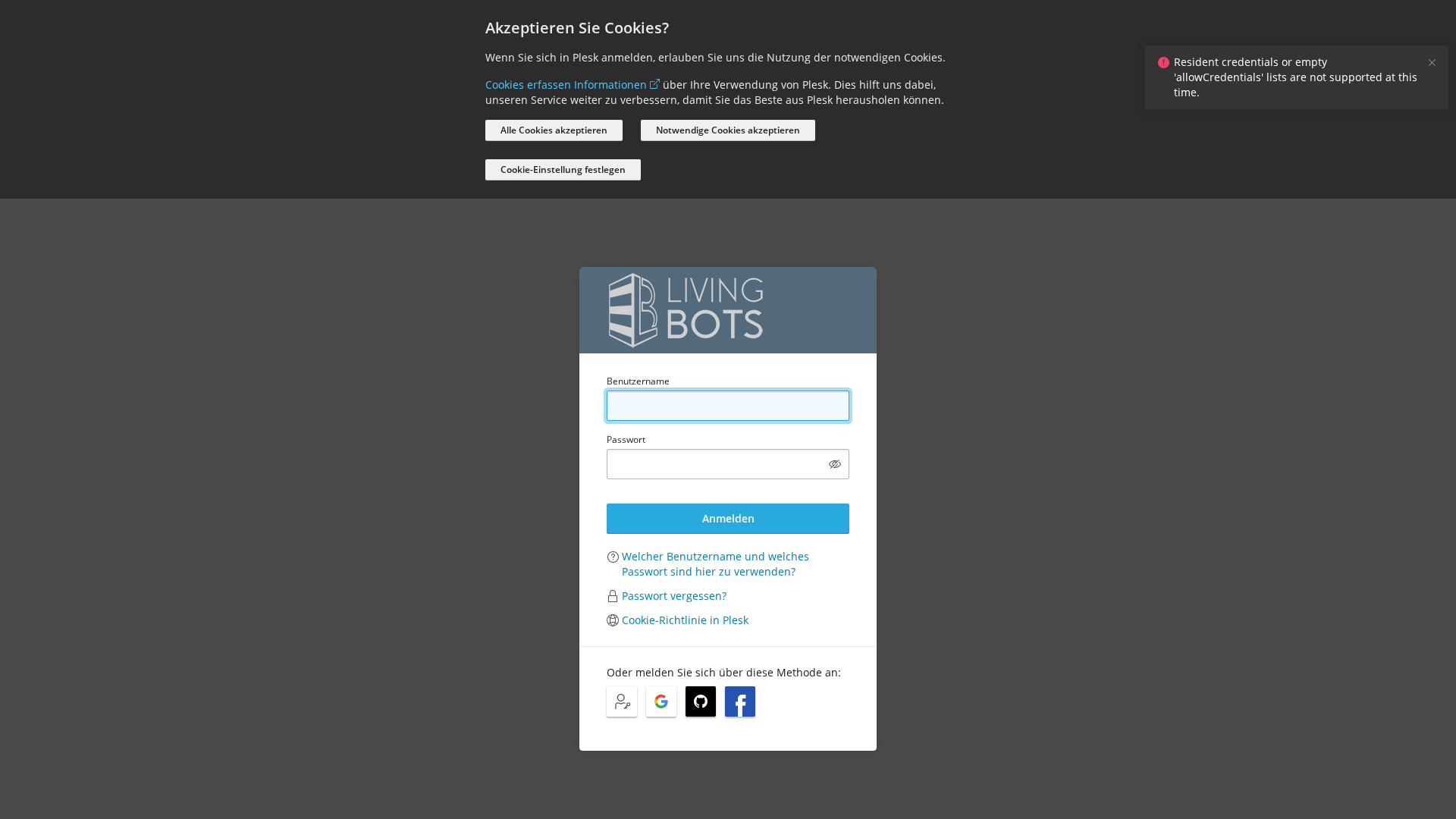
Unknown
https://cdn.gosafemode.com/screenshots/c0bda78f729f.png
May 25, 2026
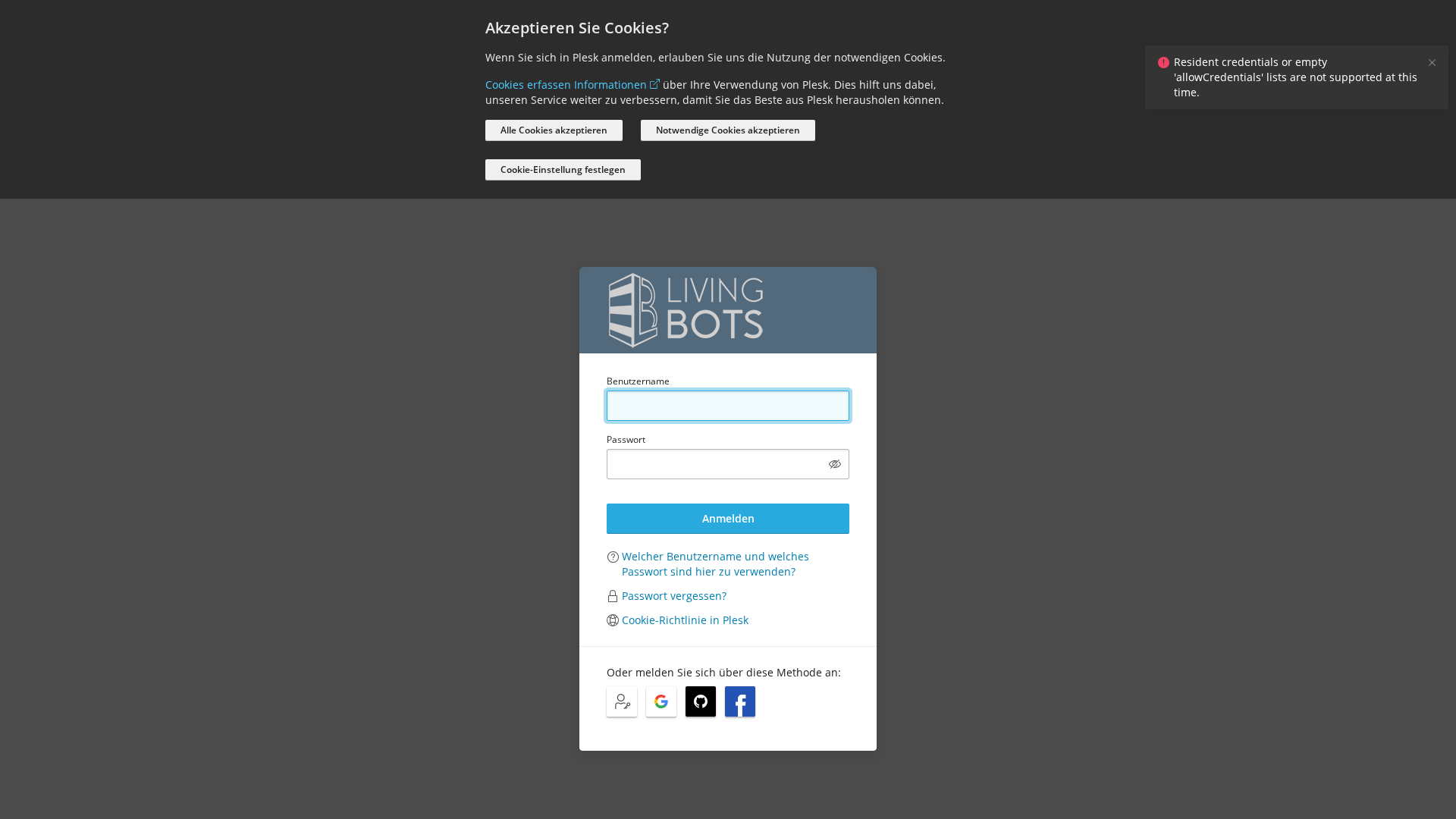
Unknown
https://cdn.gosafemode.com/screenshots/94c95437ab67.png
Apr 24, 2026
Plesk
https://account-appslogin.91-218-65-223.plesk.page/
Apr 16, 2026
No screenshot
Unknown
https://dkbinge-banking.91-218-65-223.plesk.page/
Feb 26, 2026

"I Never Thought It Would Happen to Me"
That's what 2.3 million victims say every year. Don't wait to become a statistic.