
Phishing Analysis
Detailed analysis of captured phishing page
Visual Capture
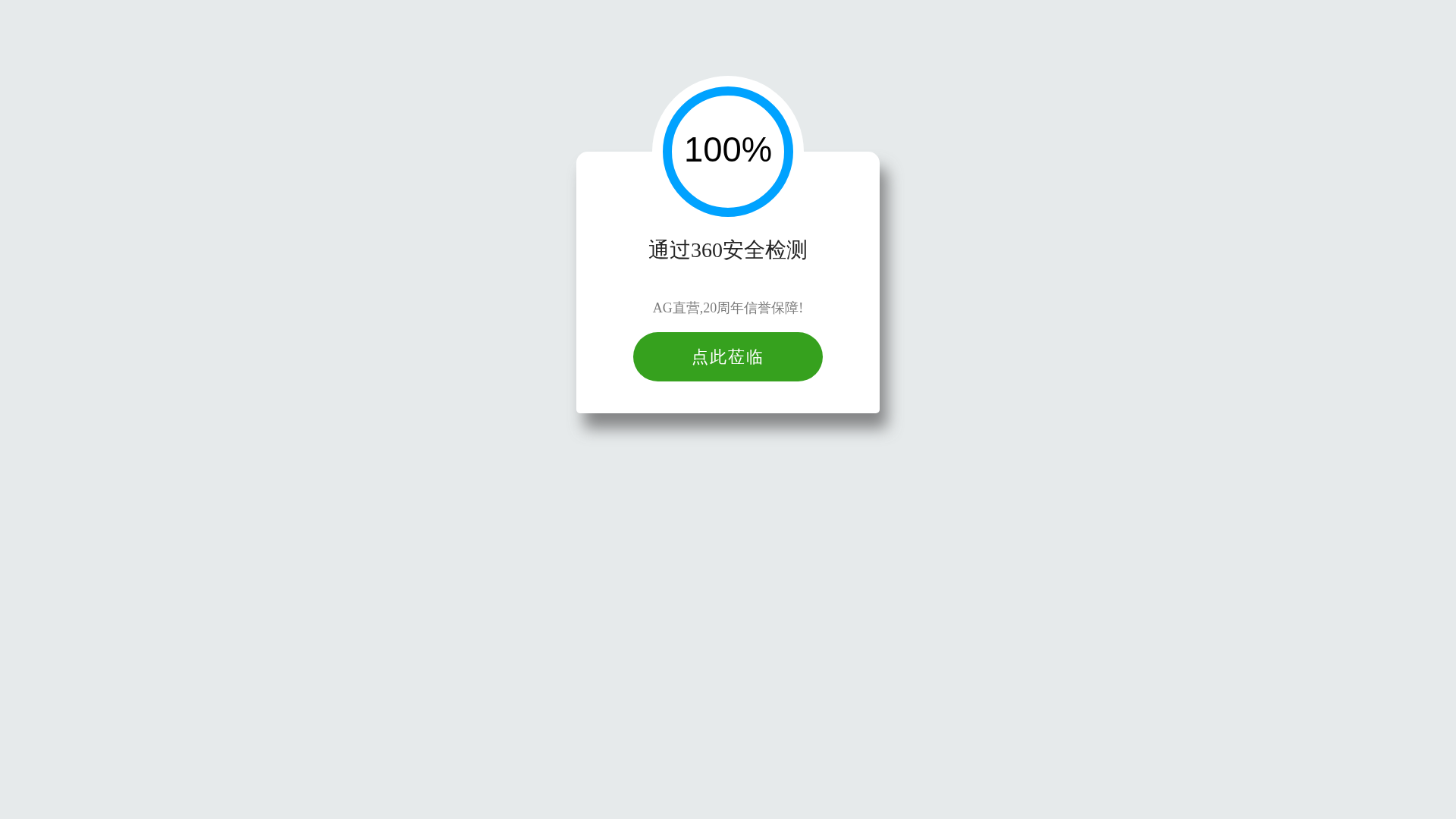
Detection Info
http://365wm.app
Detected Brand
360
Country
China
Confidence
95%
HTTP Status
200
Report ID
930868a8-4ac…
Analyzed
2026-01-01 03:55
Final URL (after redirects)
https://365wm.app/
Content Hashes (HTML Similarity)
Used to detect similar phishing pages based on HTML content
| Algorithm | Hash Value |
|---|---|
|
CONTENT
TLSH
|
T16D21631AD7899C0CF1B7E0D8EEF0CB4D17614606C306076C96D033B9E18D5B298F609D |
|
CONTENT
ssdeep
|
24:n/YrdIvv3AnsYPRNM0d9D55NmYyvD7wYKZwou+Fgk9BS:nSav6v55Nj8Is7+ZBS |
Visual Hashes (Screenshot Similarity)
Used to detect visually similar phishing pages based on screenshots
| Algorithm | Hash Value |
|---|---|
|
VISUAL
pHash
|
e666999933668ccc |
|
VISUAL
aHash
|
e7e7ffa5e7ffffff |
|
VISUAL
dHash
|
0828224c4c300000 |
|
VISUAL
wHash
|
23331f07243c0c0c |
|
VISUAL
colorHash
|
07000007080 |
|
VISUAL
cropResistant
|
0828224c4c300000 |
Code Analysis
Risk Score
25/100
Threat Level
ALTO
⚠️ Phishing Confirmed
🔬 Threat Analysis Report
• Threat: Phishing targeting users of 360 security software.
• Target: Users believing their system is being scanned by 360.
• Method: Displays a fake scan completion page to trick users into clicking a button.
• Exfil: Unknown - potential for further actions after clicking.
• Indicators: Domain mismatch (365wm.app vs. 360.cn), brand impersonation, presence of obfuscated javascript.
• Risk: HIGH - Could lead to malware installation or credential theft upon clicking the button.
🔒 Obfuscation Detected
- eval
- unescape
- hex_escape
- unicode_escape
📡 API Calls Detected
- POST
Similar Websites
Pages with identical visual appearance (based on perceptual hash)

"I Never Thought It Would Happen to Me"
That's what 2.3 million victims say every year. Don't wait to become a statistic.