
Phishing Analysis
Detailed analysis of captured phishing page
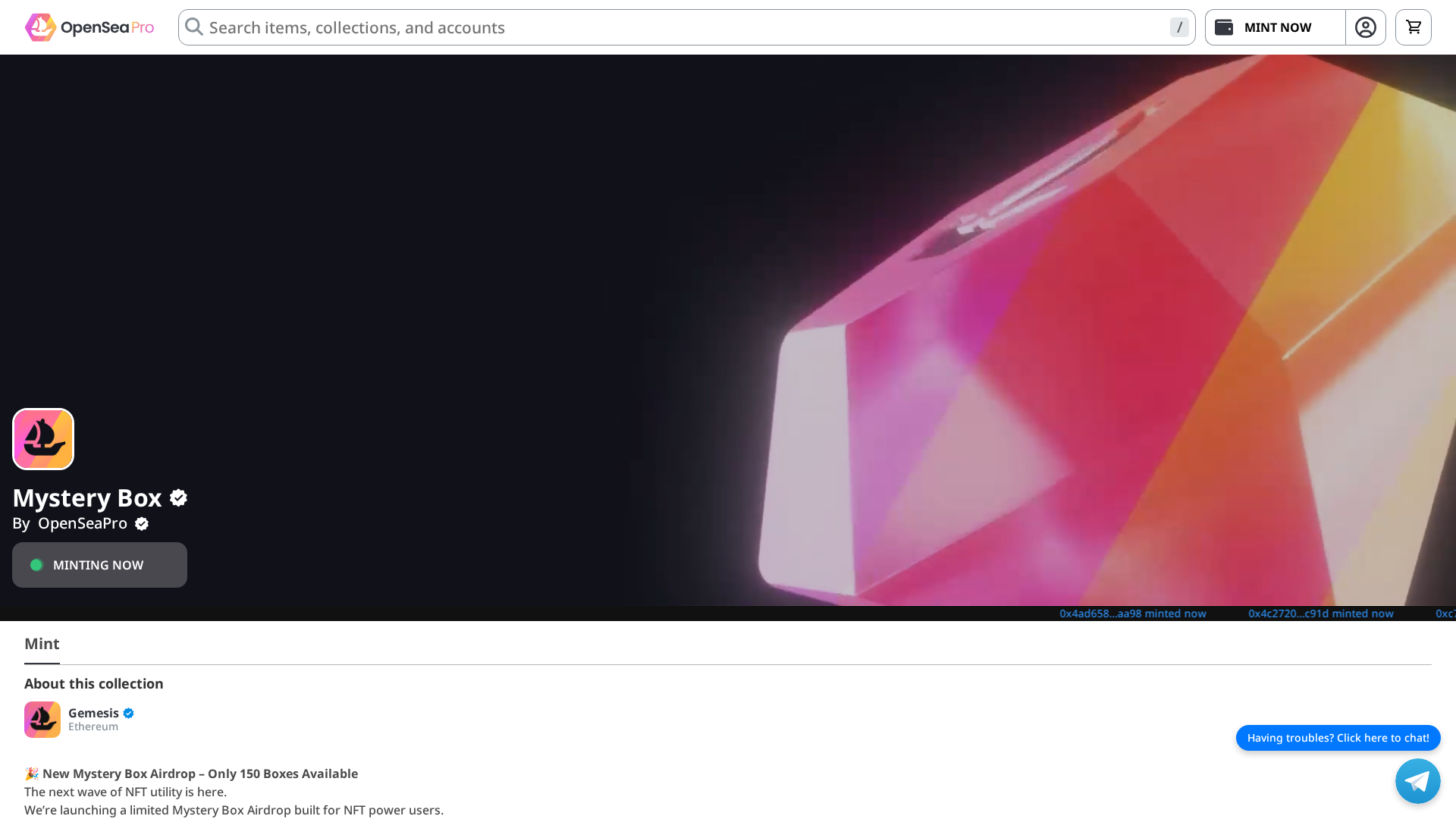
Visual Capture
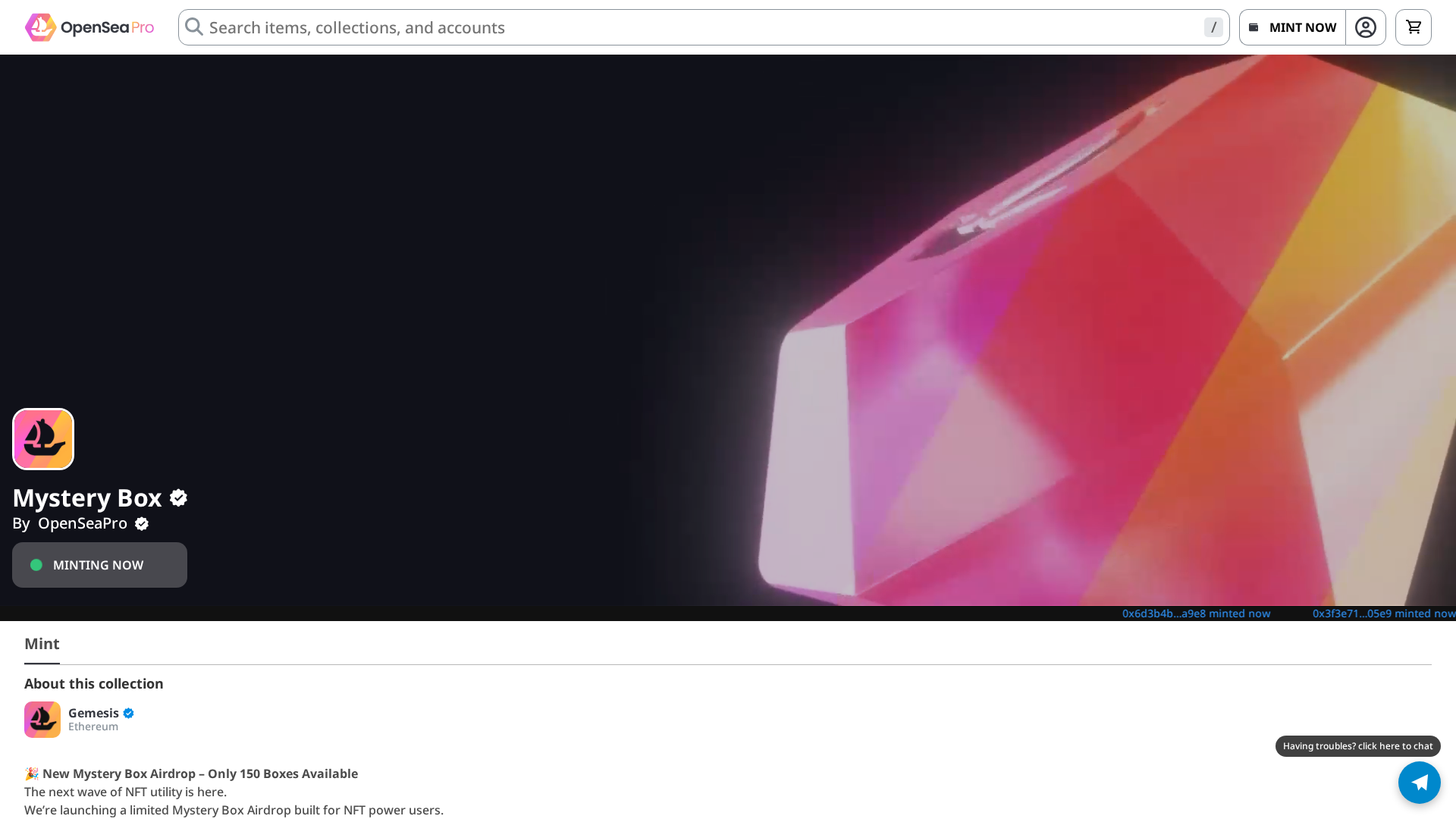
Detection Info
Content Hashes (HTML Similarity)
Used to detect similar phishing pages based on HTML content
| Algorithm | Hash Value |
|---|---|
|
CONTENT
TLSH
|
T1AAF219F463A5E6BAA101C3E4D736563A739701FAEA838310C3ED9B9C49D9C8EDC5D841 |
|
CONTENT
ssdeep
|
384:Cnn+SFhXT79wacvrSXNhYcRKST+AYs+IuOSrRe5I4SHOB+Sv8XLyViGyVi6qKTq0:WhXTRlXND9bVbv9OpT8RVPt0 |
Visual Hashes (Screenshot Similarity)
Used to detect visually similar phishing pages based on screenshots
| Algorithm | Hash Value |
|---|---|
|
VISUAL
pHash
|
bb2ac459dbc093d2 |
|
VISUAL
aHash
|
ff01010d0d0dffff |
|
VISUAL
dHash
|
b60f9d5b5919ccc0 |
|
VISUAL
wHash
|
ff0101010d09ffff |
|
VISUAL
colorHash
|
1b2000c0001 |
|
VISUAL
cropResistant
|
0103c0b4b003068e,f7eedcf1e0c48613,feffe08ffde264f0,f0d0989c9c989187,8080c0c08064e2e0,070f2ddb5b591919 |
Code Analysis
🔬 Threat Analysis Report
• Threat: Phishing
• Target: OpenSea users
• Method: Impersonation via free hosting.
• Exfil: Likely targeting wallet access or NFT assets.
• Indicators: Vercel.app hosting, OpenSea logo, Minting CTAs.
• Risk: HIGH
🔒 Obfuscation Detected
- atob
- eval
- fromCharCode
- base64_strings
📊 Risk Score Breakdown
Contributing Factors
🔬 Comprehensive Threat Analysis
⚠️ Indicators of Compromise
- Kit types: Credential Harvester, OTP Stealer, Card Stealer, Banking, Personal Info
- 32 obfuscation techniques
🏢 Brand Impersonation Analysis
Fraudulent Claims
⚔️ Attack Methodology
Primary Method: Wallet phishing
The attacker likely uses a fake OpenSea landing page to entice users into connecting their wallets. The minting process would be a disguise, attempting to trick users into signing transactions that transfer ownership of their NFTs or assets to the attacker.
Secondary Method: Malicious Smart Contract
The user is prompted to sign a malicious smart contract. By doing so, the user unknowingly grants permissions that allow the attacker to control their assets.
🌐 Infrastructure Indicators of Compromise
Domain Information
🤖 AI-Extracted Threat Intelligence
Similar Websites
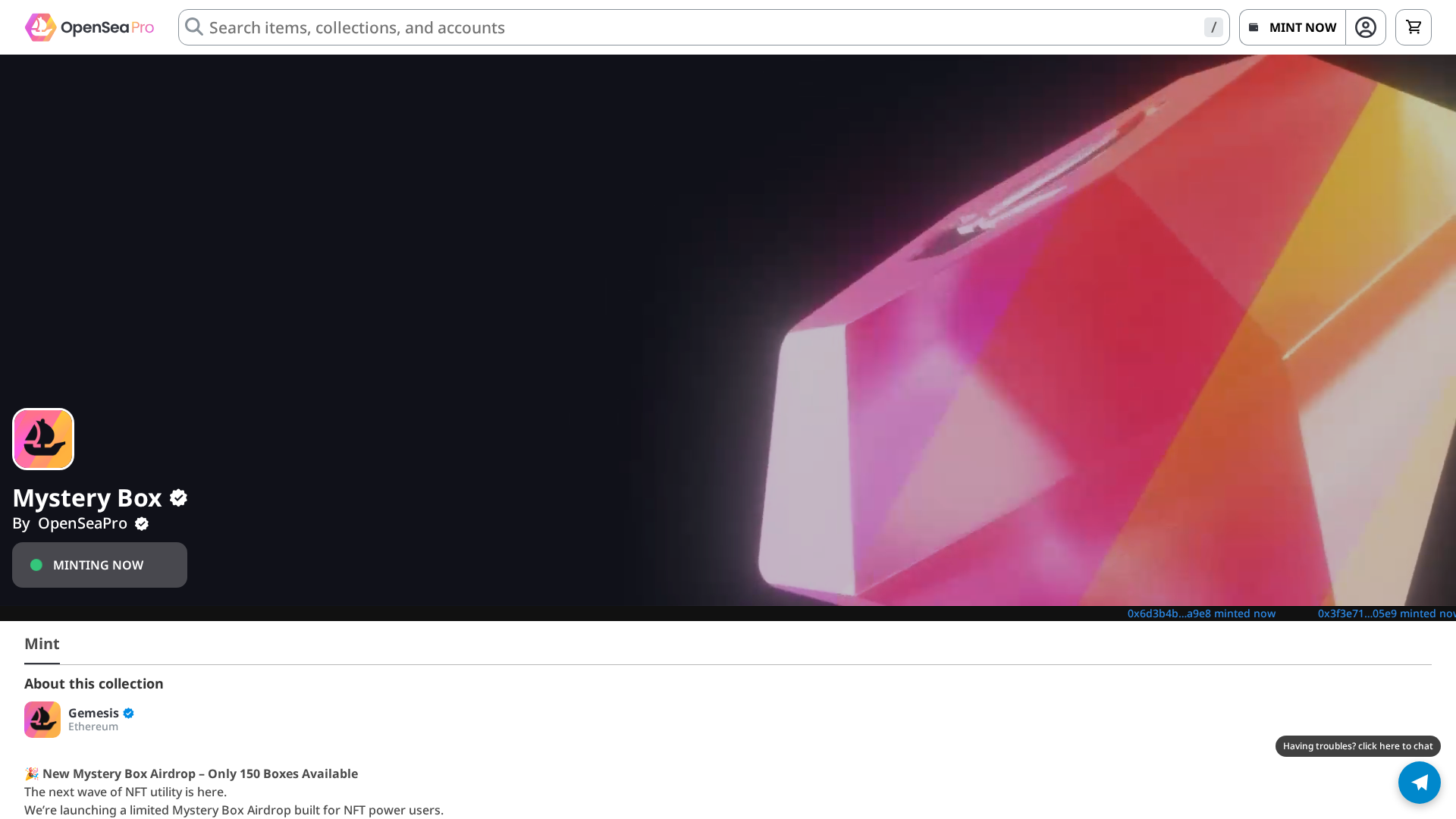
Pages with identical visual appearance (based on perceptual hash)
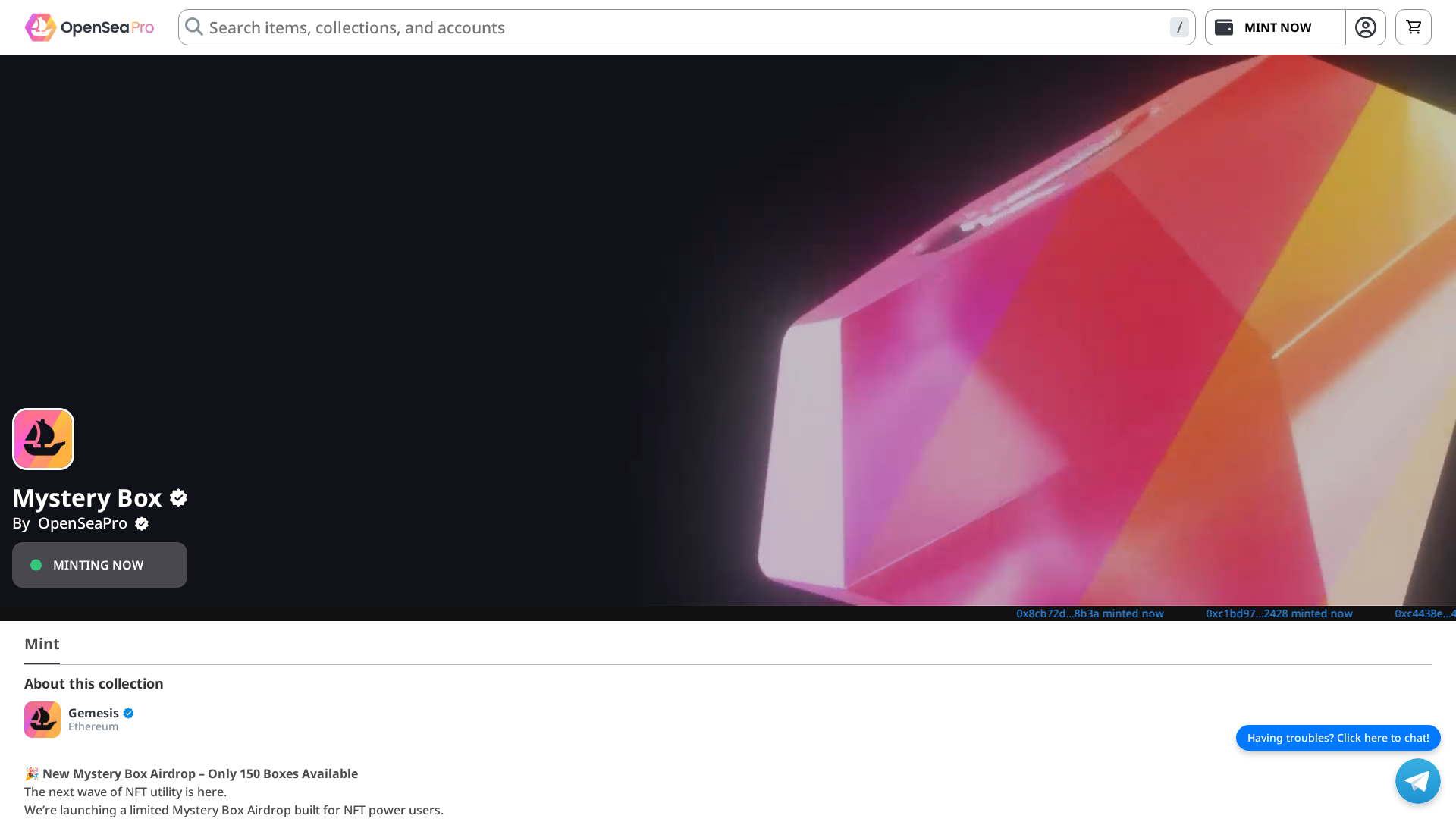
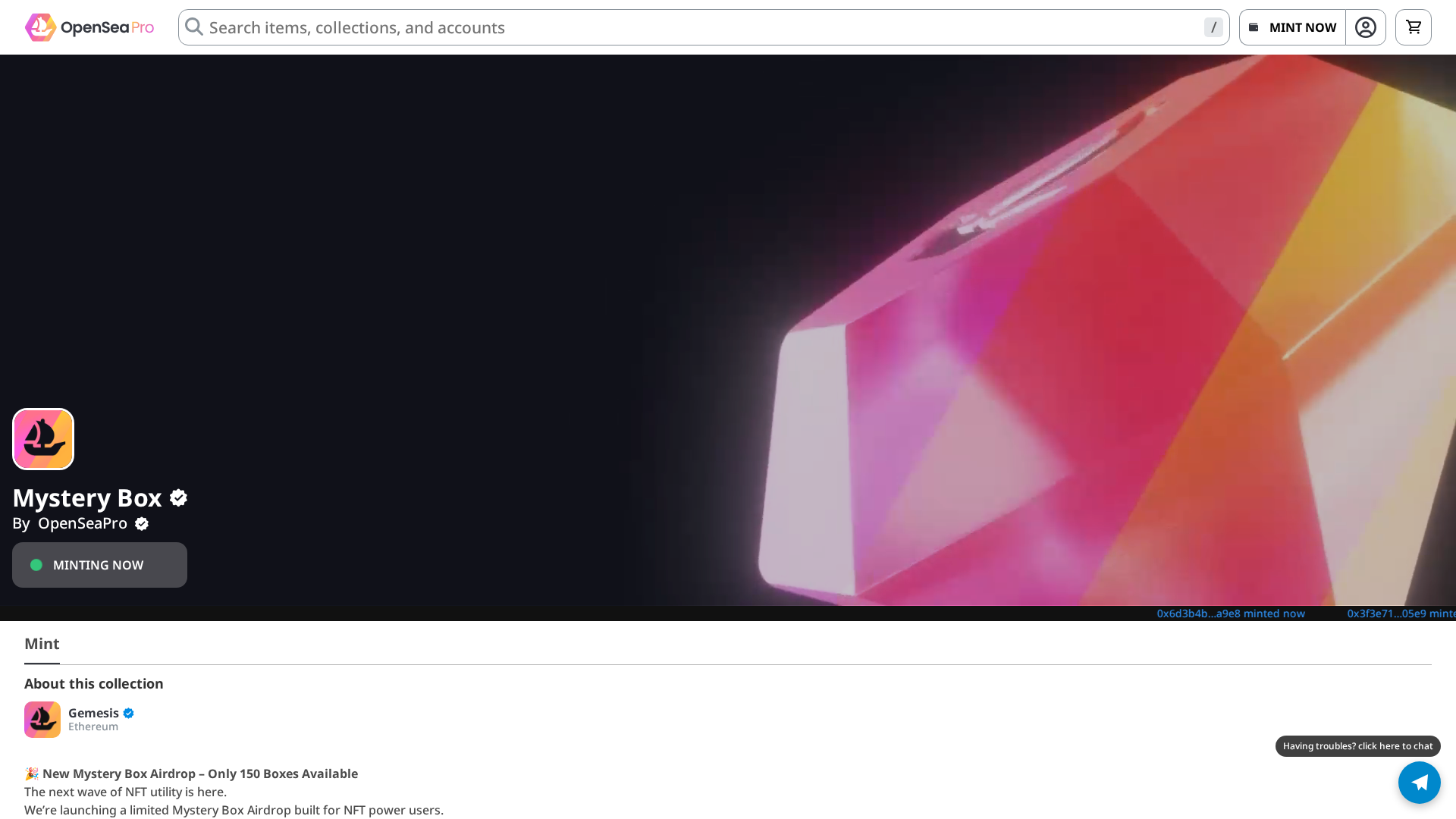
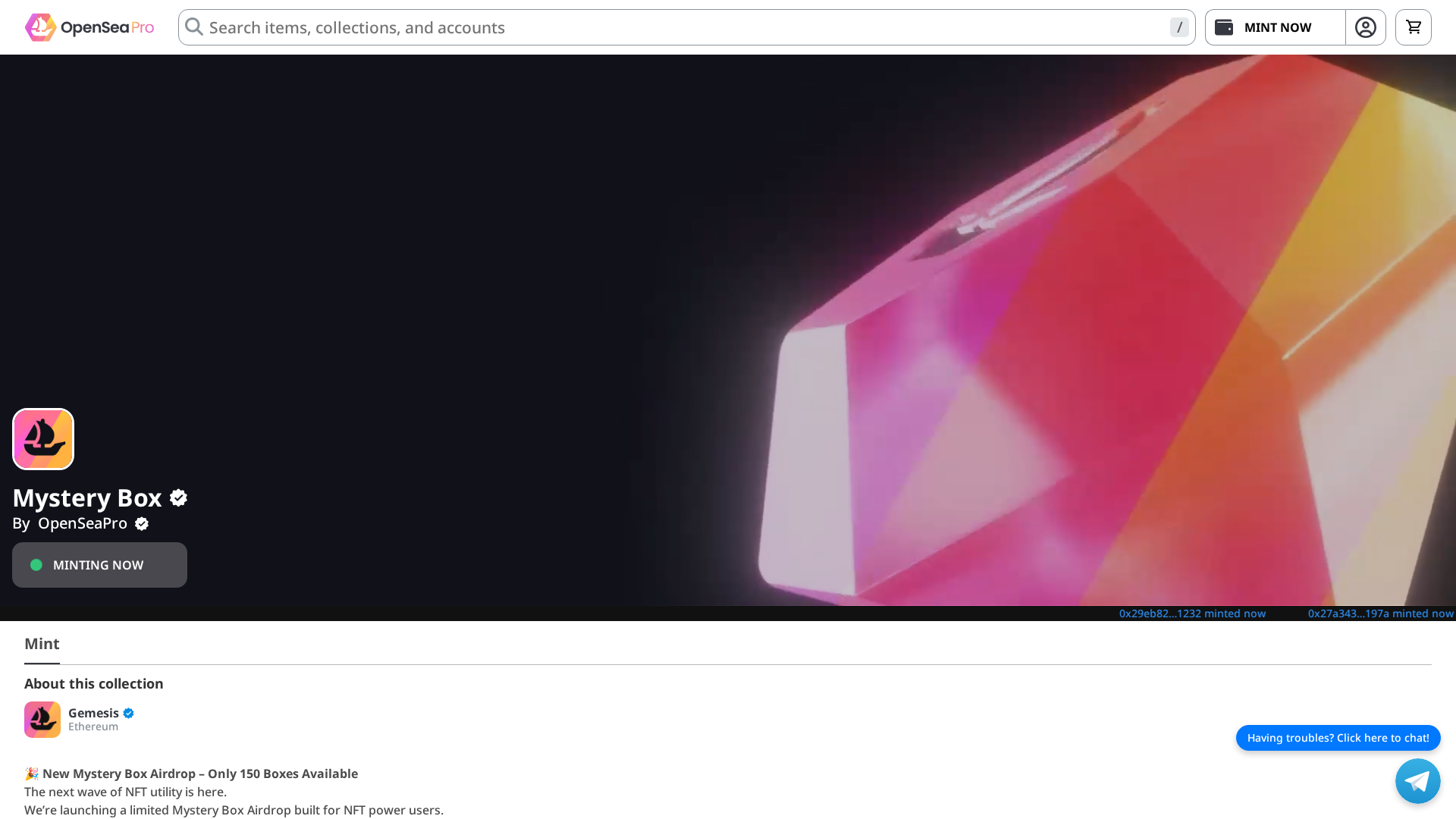
Scan History for accessopenseamints7.vercel.app
Found 3 other scans for this domain
