
Phishing Analysis
Detailed analysis of captured phishing page
Visual Capture
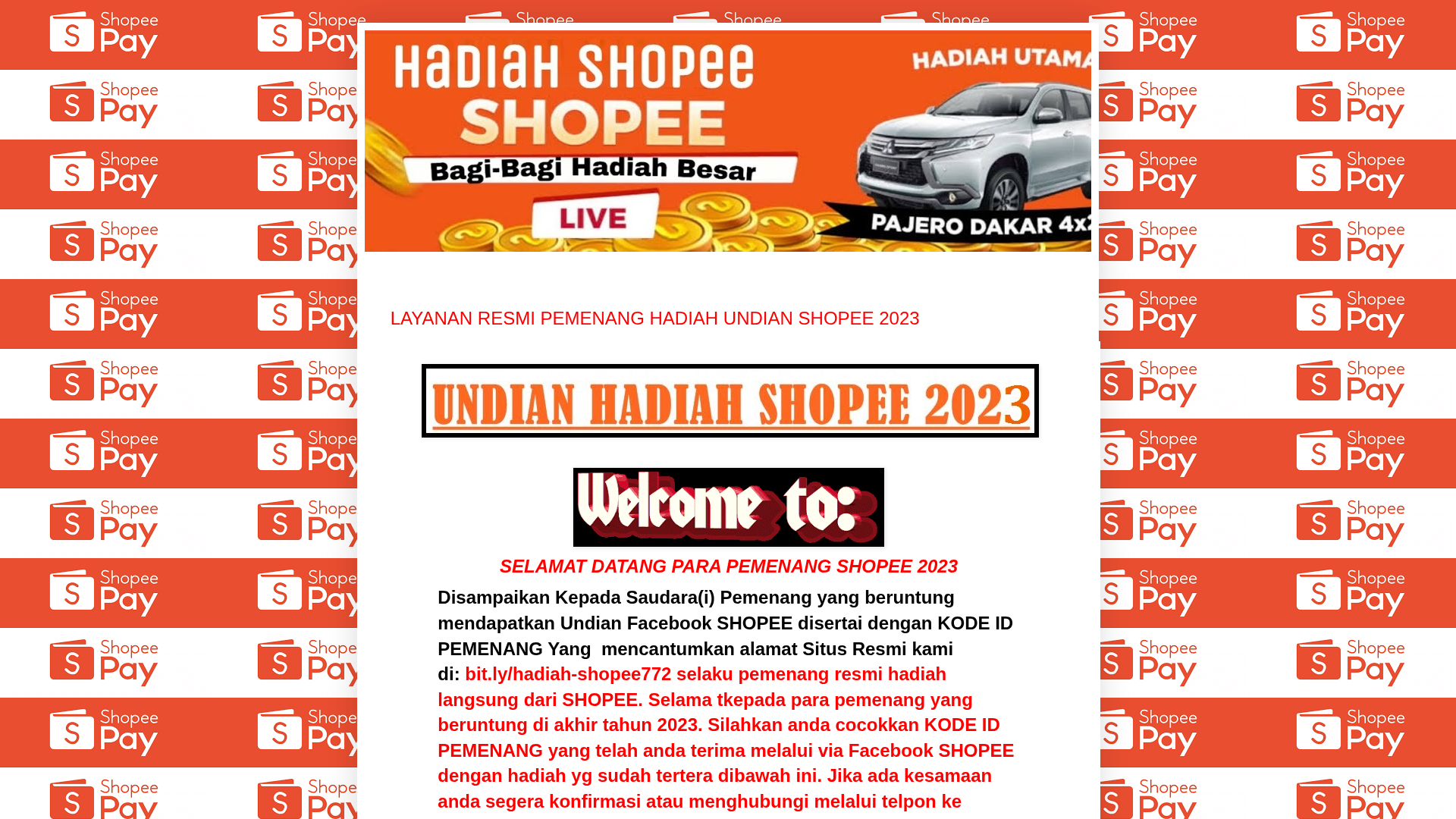
Detection Info
https://hadiah-shopee772.blogspot.com/
Detected Brand
Shopee
Country
Unknown
Confidence
100%
HTTP Status
200
Report ID
aabf2d1b-d04…
Analyzed
2026-07-15 11:18
Content Hashes (HTML Similarity)
Used to detect similar phishing pages based on HTML content
| Algorithm | Hash Value |
|---|---|
|
CONTENT
TLSH
|
T169732132D353190291BBD5CDF062479E2292878DC7174B75A3BC53BA7ECEDB63602298 |
|
CONTENT
ssdeep
|
1536:59/zwWVXXYeeBYW5H57r64pTOVgeCAAeewd6xqcnHzuecqAqAoAdAeeTY8eeeM2D:XG57r64pmkq0TyYVq |
Visual Hashes (Screenshot Similarity)
Used to detect visually similar phishing pages based on screenshots
| Algorithm | Hash Value |
|---|---|
|
VISUAL
pHash
|
c66c2c32939bc765 |
|
VISUAL
aHash
|
0000387e66667e3e |
|
VISUAL
dHash
|
26a666584d4d5d4d |
|
VISUAL
wHash
|
0000fbff2424ff3e |
|
VISUAL
colorHash
|
06000038000 |
|
VISUAL
cropResistant
|
26a666584d4ddd4d,0606076914166565,5b5c39fc09091396,030496b636f6f6da |
Code Analysis
Risk Score
82/100
Threat Level
ALTO
⚠️ Phishing Confirmed
🎣 Credential Harvester
🎣 OTP Stealer
🎣 Banking
🎣 Personal Info
🔒 Obfuscation Detected
- eval
- fromCharCode
- hex_escape
- unicode_escape
🎯 Kit Endpoints
- https://hadiah-shopee772.blogspot.com/feeds/posts/default?alt=rss
- https://blogger.googleusercontent.com/img/a/AVvXsEgFxUPli3PBjf4QnTq-FZieNfTh-iTLY5RAO-RDseANGS75Fz1DC5s08KirgEXq9U-yOiHKKgU-TvFWGI1wFVW0cpxbH41DQX0Jn7yGkBsM7tPkeMAc70wm6qJR7S8u52pkfdEi8mnKvrpNQlrYXgtgSGzKrcwNyHexFO-bLfcYQXyd6pushoDDA6HL=w563-h495
- https://blogger.googleusercontent.com/img/a/AVvXsEjnC-07S3DdBQTtwuSO2AU-nyQ2Gsxk-xrOQP91y5O1BG5OlMoOvCQefizCmyN62Mkd8jLTUxErEOZAZXiOHC4qsRPaWLAtg976GvR8w-YXeOdQCrcG2p93u_E7hz_lN6F2e_EQSSGlEz01N25NcH2ISvrY7ycC-KkPV7vFVc3yAFr0ZwQ0ThBheZ0ZDzY=s1180
- https://blogger.googleusercontent.com/img/a/AVvXsEikQdxBjP0k_QqFiyhv4O7VKMnqoG6wyiNH1KGEa6JC86vcrAqxSLSF0IRkkEzT9tBmfAlj8IbwElvIKXMwSaWgIPXJE_B0pUINz4gPMDYZAHuD6IAnkytZZGHLJoN_XZACMisxyxgYEdWg-KX6QiaHJaLOSq4pvT6OL9EwNAEguTHrCeK3woUEk7jG=w461-h273
- https://blogger.googleusercontent.com/img/a/AVvXsEhSoGtSRQmfHDitOKFOv9kIqUbDT9VfIiWRoOcLNrTr3pW_8jQs5GuJjjxncTzWvfX8JVziHLiZEcvR4DXP4tT2G4yG59QKuOp_ybVCSxe2QOjPNnbisKcx7TP7AOjT9Pgc-fWa9LAuSQZPUtX5Y154y53_BqTObqb83wYGjZSnQx9txLVCrS8GqSY7=s81
- https://blogger.googleusercontent.com/img/a/AVvXsEj7CbkxBMsu2Y1v8CWbcklIob6TOZVH8sigZJq_hFkARmW8GS8IqZcvLovZ_yxK7uOO1ZbfppmJVLomHl4hPsIWwP1HL2UeAlfZum_S_A2XivOVwU5pGwNBH6rBWBdIT1syNOwjKPu8W6ScmY7xqNw41ZKCKPqz6QqnqOA_nFG41yRGD14aXkSmY697yg=w320-h223
- https://www.blogger.com/profile/14550734350760215745
- https://blogger.googleusercontent.com/img/a/AVvXsEikQdxBjP0k_QqFiyhv4O7VKMnqoG6wyiNH1KGEa6JC86vcrAqxSLSF0IRkkEzT9tBmfAlj8IbwElvIKXMwSaWgIPXJE_B0pUINz4gPMDYZAHuD6IAnkytZZGHLJoN_XZACMisxyxgYEdWg-KX6QiaHJaLOSq4pvT6OL9EwNAEguTHrCeK3woUEk7jG
- https://blogger.googleusercontent.com/img/a/AVvXsEjNdO3abbqKhBVL54ImvnJITx_LpBF0VoJZxJ-aKoT1B5Q7ilKXi3d-_TTm6gTbFZyiEgm02KupQamJHmOZbfQNURXe0Ffhcr1AHgXSN1QCqCHY3kEi7c6xhNuepDrXt_8IxwU0RxHxlpp7RwsuihnY1_Z6JAeNOZ26lkCgW79qsKQW5iwd3i0w2iCRAw=w320-h269
- https://blogger.googleusercontent.com/img/a/AVvXsEj7CbkxBMsu2Y1v8CWbcklIob6TOZVH8sigZJq_hFkARmW8GS8IqZcvLovZ_yxK7uOO1ZbfppmJVLomHl4hPsIWwP1HL2UeAlfZum_S_A2XivOVwU5pGwNBH6rBWBdIT1syNOwjKPu8W6ScmY7xqNw41ZKCKPqz6QqnqOA_nFG41yRGD14aXkSmY697yg=s99
- https://hadiah-shopee772.blogspot.com/feeds/posts/default
- https://blogger.googleusercontent.com/img/a/AVvXsEhSoGtSRQmfHDitOKFOv9kIqUbDT9VfIiWRoOcLNrTr3pW_8jQs5GuJjjxncTzWvfX8JVziHLiZEcvR4DXP4tT2G4yG59QKuOp_ybVCSxe2QOjPNnbisKcx7TP7AOjT9Pgc-fWa9LAuSQZPUtX5Y154y53_BqTObqb83wYGjZSnQx9txLVCrS8GqSY7=w341-h281
- https://blogger.googleusercontent.com/img/a/AVvXsEg2HKl0P27OFZVTGXBXmXeKRmidG8L2yevPZOXVt190eZq7VRBhbEpbEZTq90bruCnYfYDDhWPMKuoiRD4HGFdmOcWOa1623PUr9uKWi19k38Gk7y4xbPOp_rhTwEkUQl3radtlrcA9qtMbMHyUMkX-NBL1LDrdoPezXmk7r_8khPnRGadt-F7TawFi=s16000
- https://www.blogger.com/dyn-css/authorization.css?targetBlogID=4722388020634940444&zx=7fdb99bf-0767-4838-a768-6c675d5abb1c
- https://blogger.googleusercontent.com/img/a/AVvXsEjNdO3abbqKhBVL54ImvnJITx_LpBF0VoJZxJ-aKoT1B5Q7ilKXi3d-_TTm6gTbFZyiEgm02KupQamJHmOZbfQNURXe0Ffhcr1AHgXSN1QCqCHY3kEi7c6xhNuepDrXt_8IxwU0RxHxlpp7RwsuihnY1_Z6JAeNOZ26lkCgW79qsKQW5iwd3i0w2iCRAw=s100
- https://blogger.googleusercontent.com/img/a/AVvXsEg2HKl0P27OFZVTGXBXmXeKRmidG8L2yevPZOXVt190eZq7VRBhbEpbEZTq90bruCnYfYDDhWPMKuoiRD4HGFdmOcWOa1623PUr9uKWi19k38Gk7y4xbPOp_rhTwEkUQl3radtlrcA9qtMbMHyUMkX-NBL1LDrdoPezXmk7r_8khPnRGadt-F7TawFi=s640
- https://blogger.googleusercontent.com/img/a/AVvXsEiSvgTykbS0hytpCQETYNup-R0xoxFEylYiYkZ7ZzSRnr9AYSsW2fwkXVYOMvsdxJ-SS4NfeuTl2lJe0R2UHcMQzM4hMYeBov8edBJjGkd-dmTTZ0tF8jpIU6253xeMONHw035gY8bp78OaCmRSCs1DJAT836Qlir6LWlFHqb4Y7ptiPzJ6bRThw7bw=w535-h124
- https://www.blogger.com/feeds/4722388020634940444/posts/default
- https://blogger.googleusercontent.com/img/a/AVvXsEj0zhZYP1sbQTaq1XgePs7p8iVp-g_SrIW7nNM0CmtASYld28j2lJw9mC8oCT7YKG5_ejKj-B47M32gKJvVUxEmo-XOnixp04XMs7joGuraB8QlbdL-o0uEfss-dC25Kr6WaIqSpOWSlZprEcnDXfx9T7-Ejul4XTUQYeHMXEw5Lpq6j86jEJ1u7Hj39A=s104
- https://hadiah-shopee772.blogspot.com/
- https://blogger.googleusercontent.com/img/a/AVvXsEgFxUPli3PBjf4QnTq-FZieNfTh-iTLY5RAO-RDseANGS75Fz1DC5s08KirgEXq9U-yOiHKKgU-TvFWGI1wFVW0cpxbH41DQX0Jn7yGkBsM7tPkeMAc70wm6qJR7S8u52pkfdEi8mnKvrpNQlrYXgtgSGzKrcwNyHexFO-bLfcYQXyd6pushoDDA6HL
- https://www.blogger.com
- https://blogger.googleusercontent.com/img/a/AVvXsEj0zhZYP1sbQTaq1XgePs7p8iVp-g_SrIW7nNM0CmtASYld28j2lJw9mC8oCT7YKG5_ejKj-B47M32gKJvVUxEmo-XOnixp04XMs7joGuraB8QlbdL-o0uEfss-dC25Kr6WaIqSpOWSlZprEcnDXfx9T7-Ejul4XTUQYeHMXEw5Lpq6j86jEJ1u7Hj39A=w320-h228
📡 API Calls Detected
- post
📊 Risk Score Breakdown
Total Risk Score
100/100
Contributing Factors
Active Phishing Kit
Detected kit types: Credential Harvester, OTP Stealer, Banking, Personal Info
Code Obfuscation
JavaScript code obfuscated using 20 technique(s) to evade detection
🔬 Comprehensive Threat Analysis
Threat Type
Banking Credential Harvester
Target
Shopee users
Attack Method
obfuscated JavaScript
Exfiltration Channel
Form submission (backend endpoint not detected - likely JavaScript-based)
Risk Assessment
CRITICAL - Automated credential harvesting with Form submission (backend endpoint not detected - likely JavaScript-based)
⚠️ Indicators of Compromise
- Kit types: Credential Harvester, OTP Stealer, Banking, Personal Info
- 20 obfuscation techniques
🏢 Brand Impersonation Analysis
Impersonated Brand
Shopee
Official Website
N/A
Fake Service
Banking/payment service
⚔️ Attack Methodology
Primary Method: Credential Harvesting
Victim enters username and password into fake login form. Credentials are captured via JavaScript and exfiltrated to attacker's server in real-time.
Secondary Method: JavaScript Obfuscation
Malicious code is obfuscated using 20 techniques to evade detection by security scanners and make reverse engineering more difficult.
🌐 Infrastructure Indicators of Compromise
Domain Information
Domain
hadiah-shopee772.blogspot.com
Registered
Unknown
Registrar
None
Status
Age unknown
Hosting Information
Provider
Unknown
ASN
🤖 AI-Extracted Threat Intelligence

"I Never Thought It Would Happen to Me"
That's what 2.3 million victims say every year. Don't wait to become a statistic.