
Phishing Analysis
Detailed analysis of captured phishing page
Visual Capture
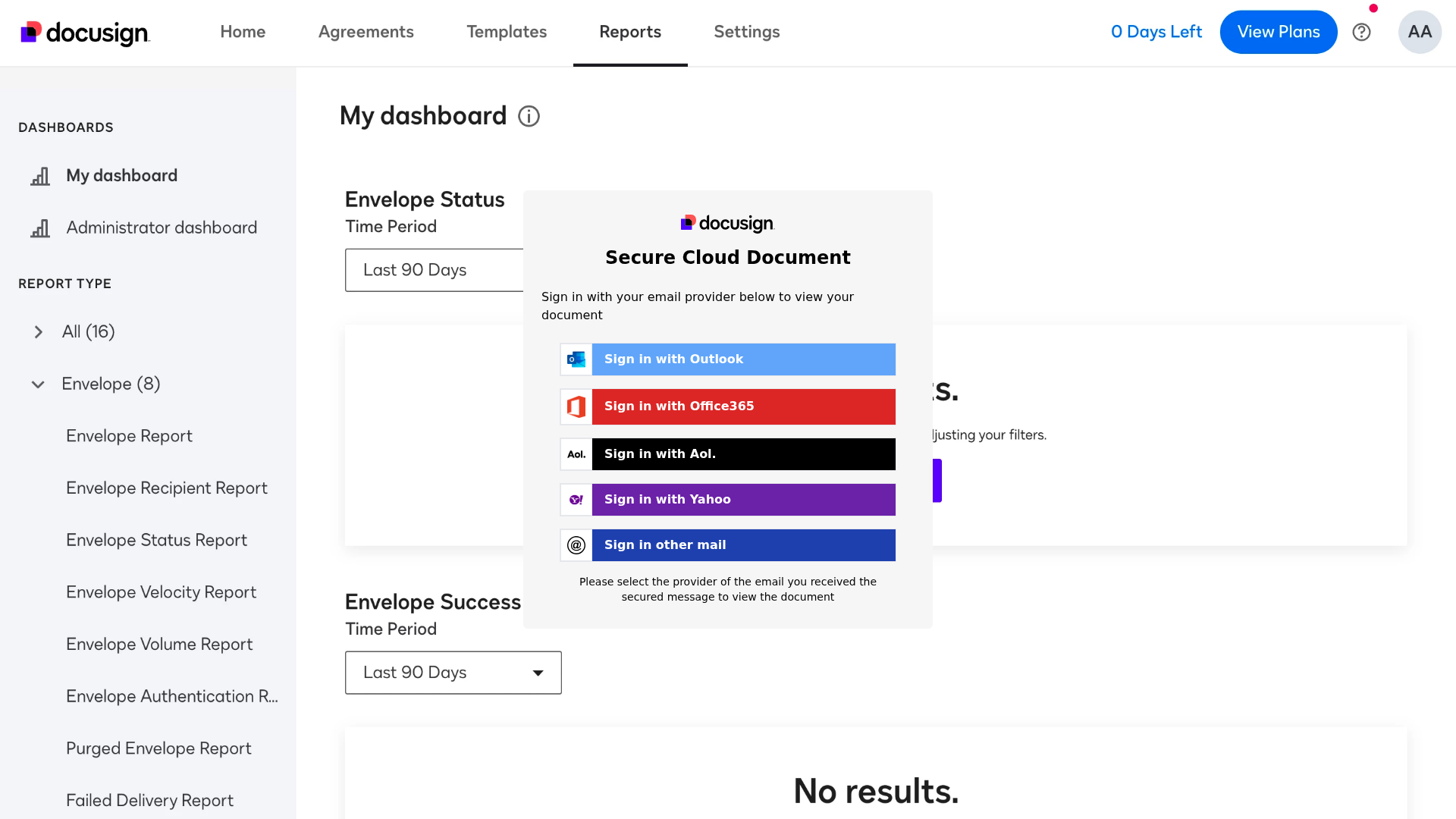
Detection Info
http://www.alwafacarreg.com/uploaded/getURL_542.php
Detected Brand
DocuSign
Country
Unknown
Confidence
100%
HTTP Status
200
Report ID
bf2fdc35-a32…
Analyzed
2026-08-04 22:22
Final URL (after redirects)
https://www.alwafacarreg.com/uploaded/getURL_542.php
Content Hashes (HTML Similarity)
Used to detect similar phishing pages based on HTML content
| Algorithm | Hash Value |
|---|---|
|
CONTENT
TLSH
|
T14A2246A501B65DEF0143D1E43396EE6E72C4C604CFAB924A61EC926D77DBC42ED902B8 |
|
CONTENT
ssdeep
|
192:byyf06c5dTrD8HEQaDdHAIMkD8HZI2X6cIVCDdHSI0mJIu8I4f:byyEdTrD8HEJDdHAXkD8HZI2X6cIVCDC |
Visual Hashes (Screenshot Similarity)
Used to detect visually similar phishing pages based on screenshots
| Algorithm | Hash Value |
|---|---|
|
VISUAL
pHash
|
a6d8d87266d95272 |
|
VISUAL
aHash
|
7c5f676767673f7f |
|
VISUAL
dHash
|
99bc8ccdcfcdf0c6 |
|
VISUAL
wHash
|
6c1f072723071f37 |
|
VISUAL
colorHash
|
07001008088 |
|
VISUAL
cropResistant
|
99bc8ccdcfcdf0c6,4098606424208800,010061c9c9010101 |
Code Analysis
Risk Score
100/100
Threat Level
ALTO
⚠️ Phishing Confirmed
🎣 Credential Harvester
🎣 OTP Stealer
🎣 Card Stealer
🎣 Personal Info
Telegram Exfiltration
🔒 Obfuscation Detected
- atob
- eval
- fromCharCode
- document.write
- unicode_escape
- base64_strings
🔑 Telegram Bot Tokens (1)
- 6415414716:AAFq...B9PGN4So
📊 Risk Score Breakdown
Total Risk Score
100/100
Contributing Factors
Active Phishing Kit
Detected kit types: Credential Harvester, OTP Stealer, Card Stealer, Personal Info
Credential Harvesting
Credential harvesting detected with 5 form(s) capturing sensitive data
Telegram Exfiltration
Real-time data exfiltration via Telegram (1 bot token(s) exposed in client-side code)
Code Obfuscation
JavaScript code obfuscated using 27 technique(s) to evade detection
🔬 Comprehensive Threat Analysis
Threat Type
Banking Credential Harvester
Target
DocuSign users
Attack Method
credential harvesting forms + obfuscated JavaScript
Exfiltration Channel
Telegram Bot (6415414716:AAFqc9MzD...)
Risk Assessment
CRITICAL - Automated credential harvesting with Telegram Bot (6415414716:AAFqc9MzD...)
⚠️ Indicators of Compromise
- 1 Telegram bot token(s)
- Kit types: Credential Harvester, OTP Stealer, Card Stealer, Personal Info
- 27 obfuscation techniques
🏢 Brand Impersonation Analysis
Impersonated Brand
DocuSign
Official Website
N/A
Fake Service
Banking/payment service
⚔️ Attack Methodology
Primary Method: Credential Harvesting
Victim enters username and password into fake login form. Credentials are captured via JavaScript and exfiltrated to attacker's server in real-time.
Secondary Method: JavaScript Obfuscation
Malicious code is obfuscated using 27 techniques to evade detection by security scanners and make reverse engineering more difficult.
📡 Telegram Command & Control Infrastructure
Bot Token (Masked)
6415414716:AAFq...B9PGN4So
Bot ID
6415414716
Group/Chat ID
Unknown
Operator Language
Unknown
💬 Message Templates (3)
| ID | Portuguese | English | Trigger |
|---|---|---|---|
🌐 Infrastructure Indicators of Compromise
Domain Information
Domain
www.alwafacarreg.com
Registered
2020-09-20 07:36:44+00:00
Registrar
NAMECHEAP INC
Status
Active (older domain)
Hosting Information
Provider
Namecheap
ASN
🤖 AI-Extracted Threat Intelligence
Similar Websites
Pages with identical visual appearance (based on perceptual hash)
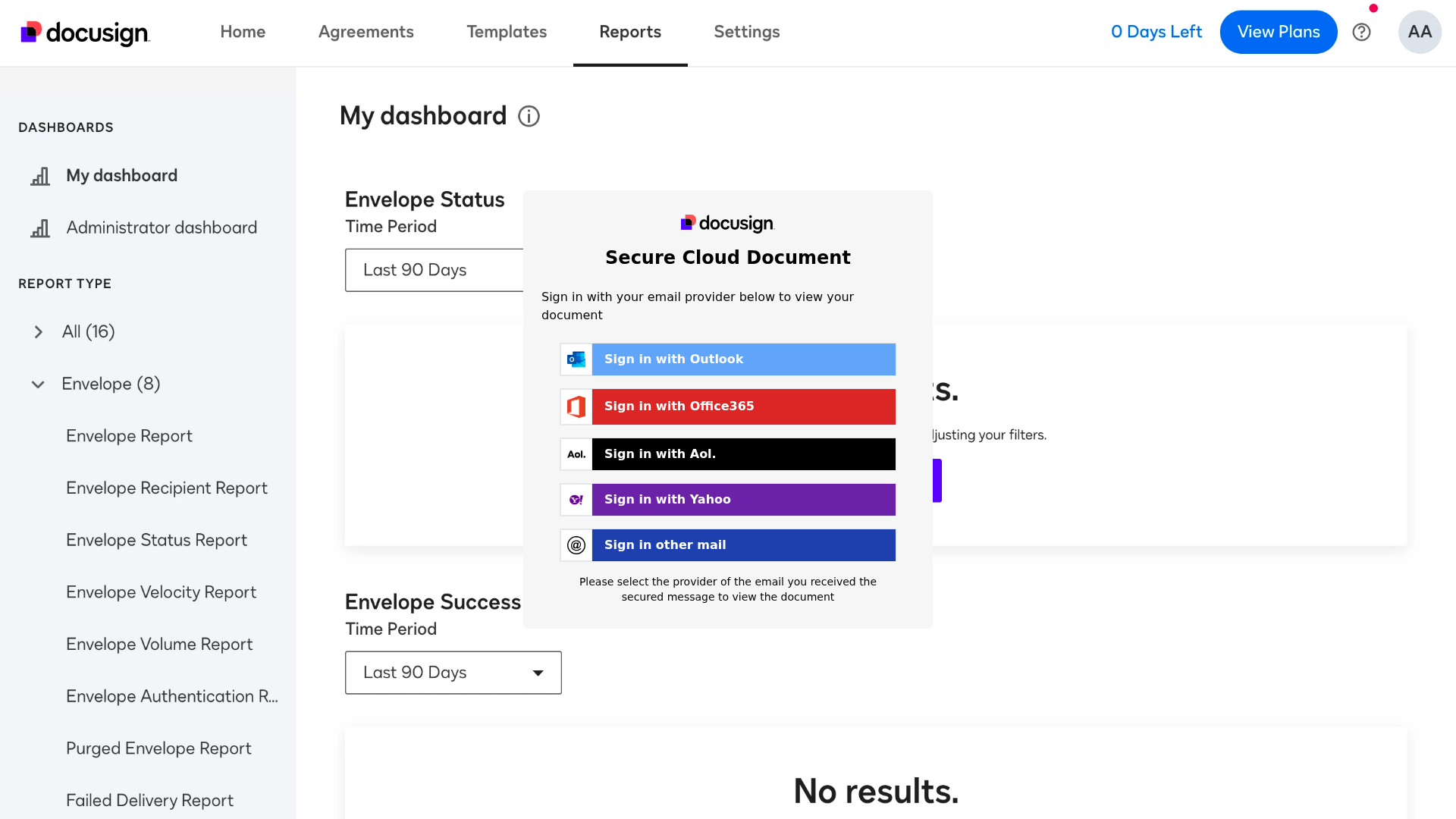
DocuSign
https://smtpbear.github.io/glowing-journey/
Jul 26, 2026
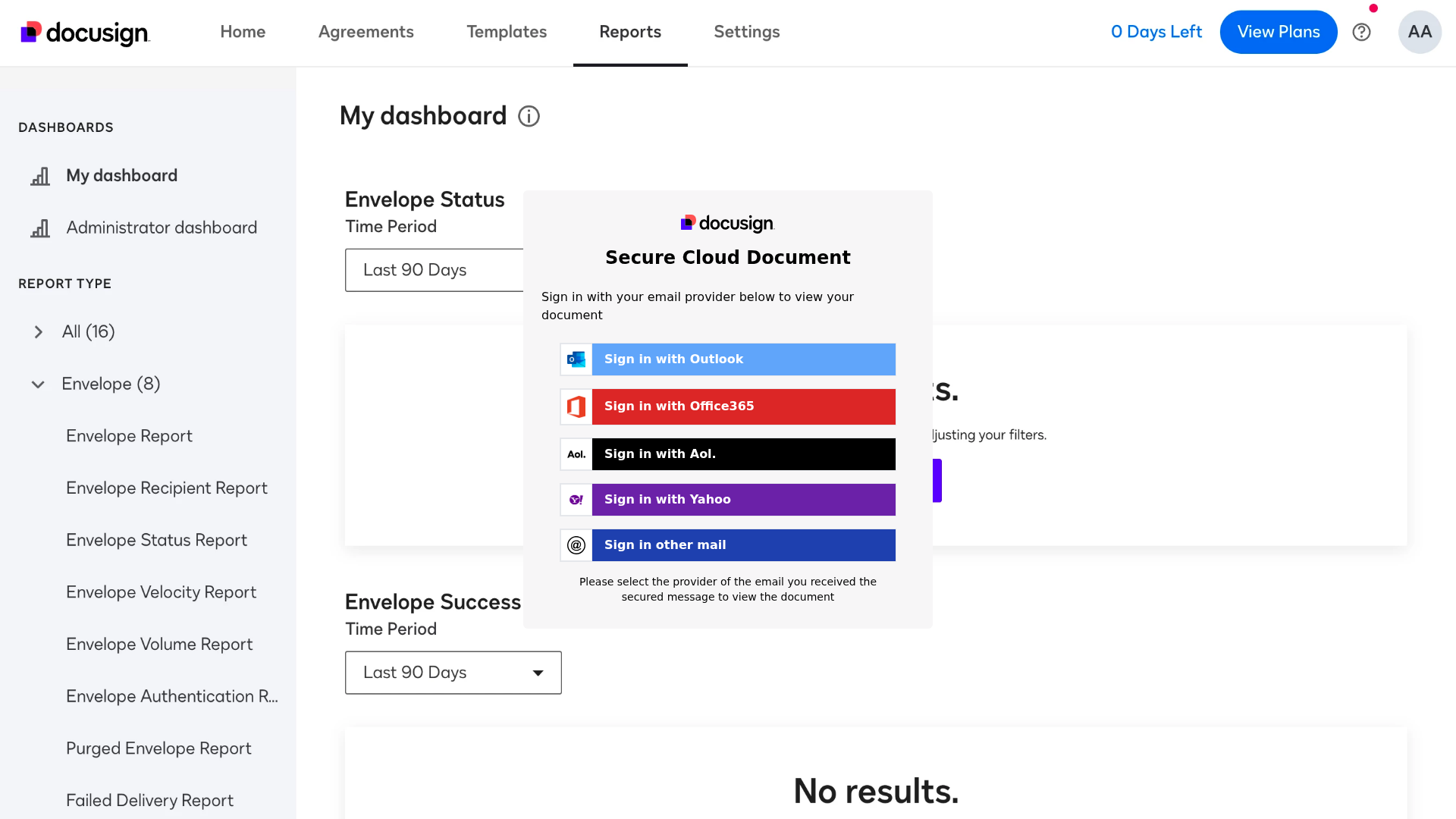
DocuSign
https://secure-page-builder--daklmk.replit.app/
Jul 20, 2026
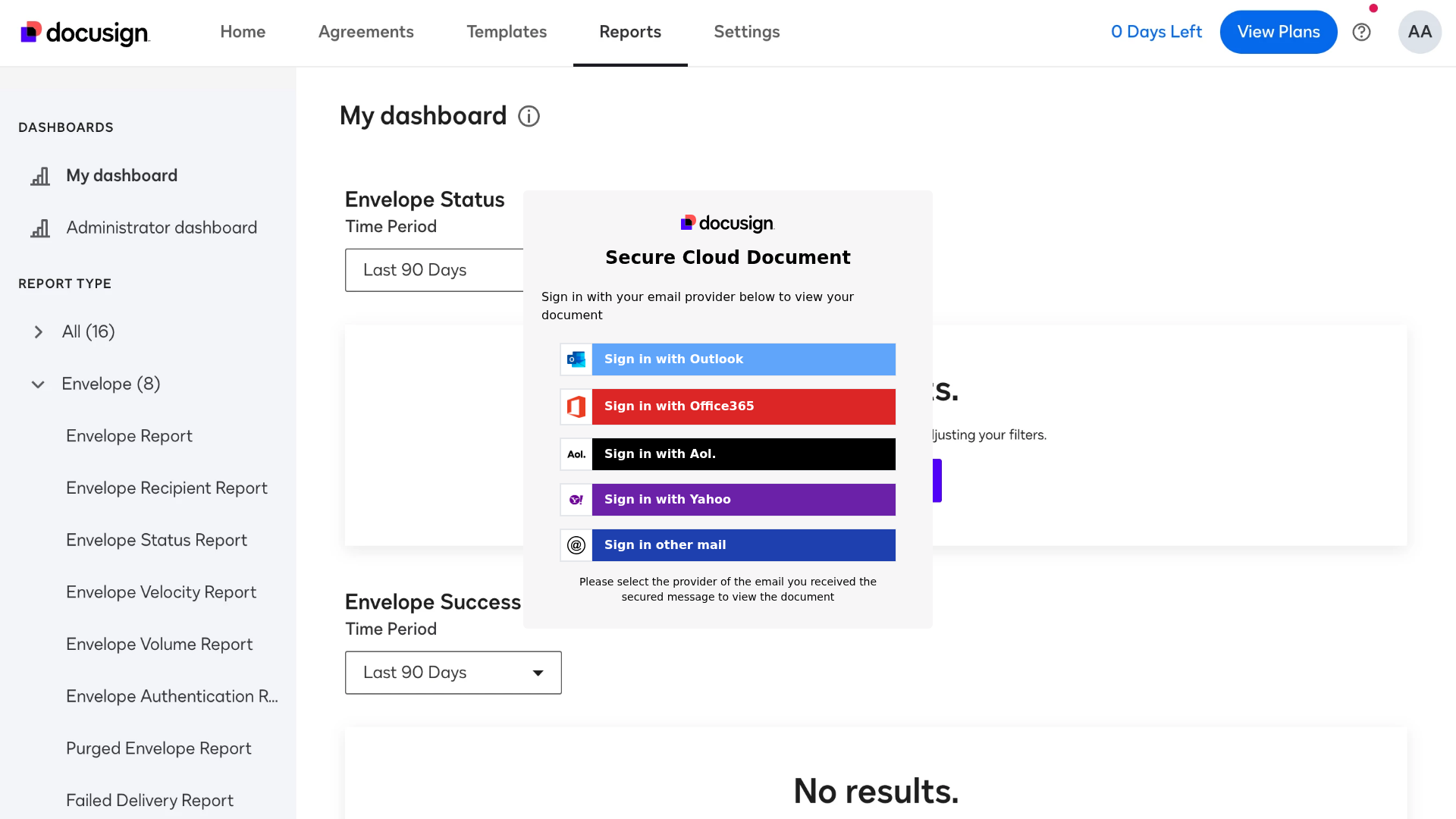
DocuSign
https://etspine.co.za/fell/docusign.html
Jun 24, 2026
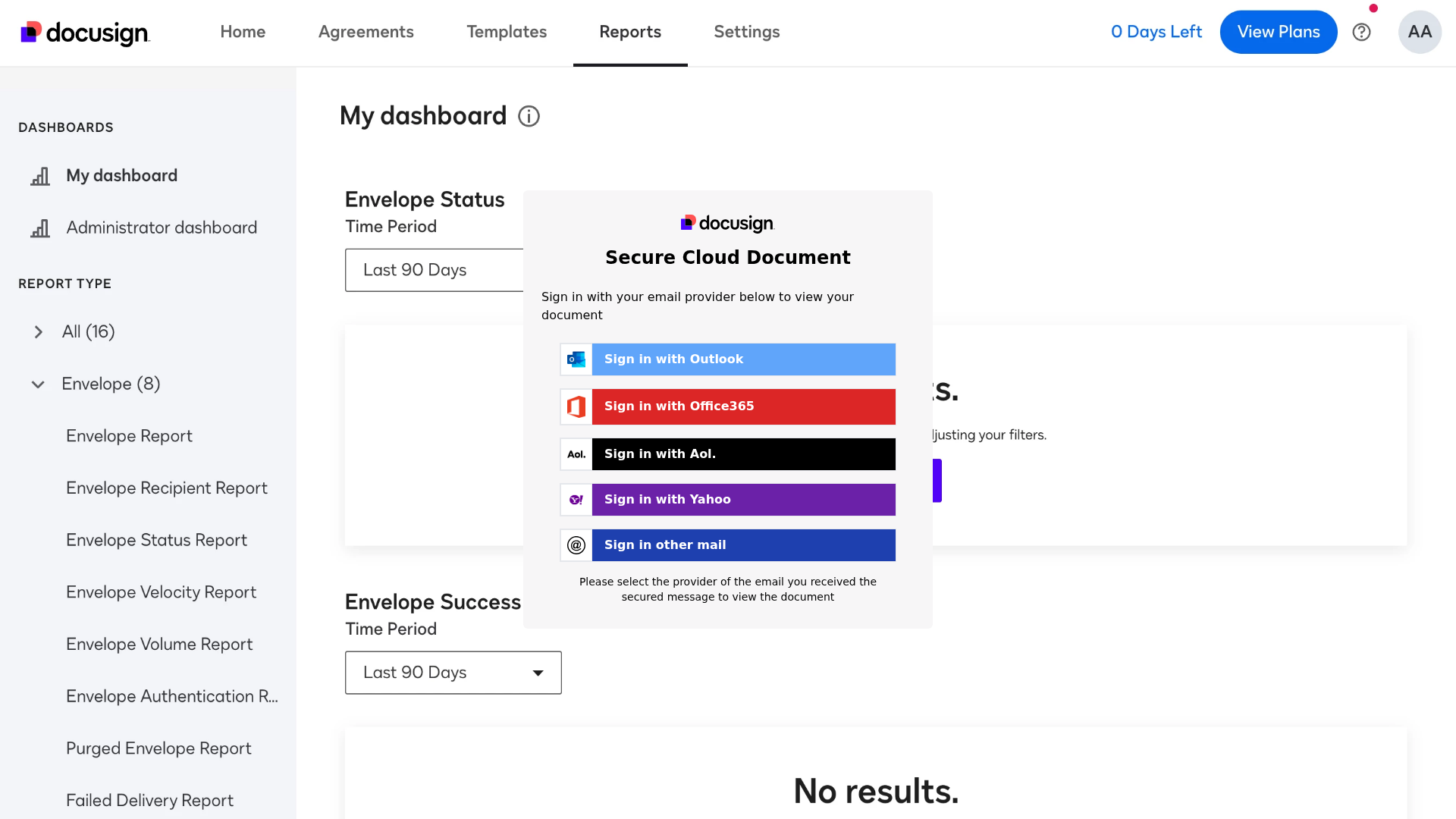
DocuSign
http://url1402.nycamail.com/ls/click?upn=u001.O6jY7o9q5dogmt...
Jun 19, 2026
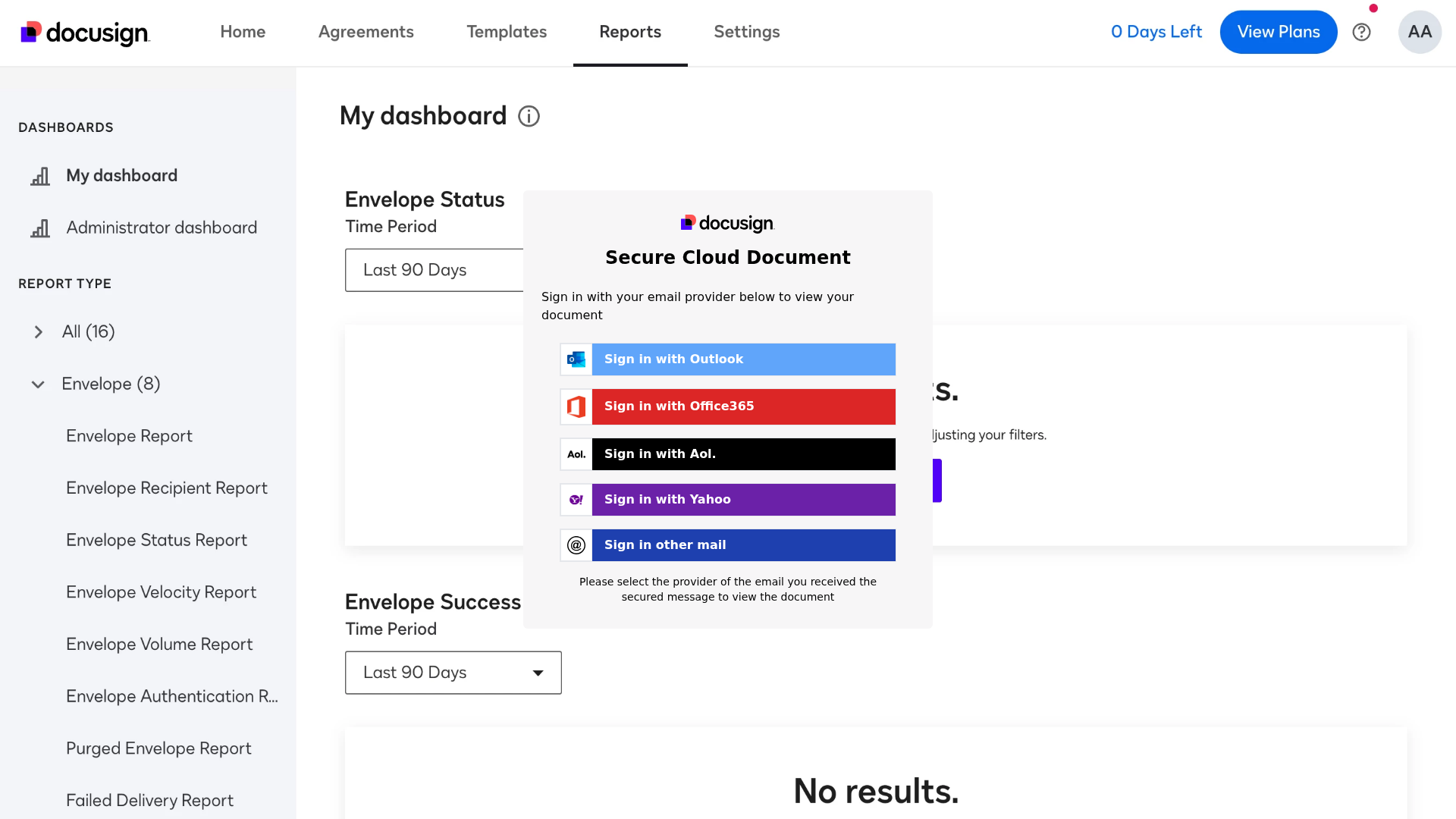
DocuSign
https://fanciful-mochi-1778c3.netlify.app/#belelz@a592214eba...
Jun 19, 2026

"I Never Thought It Would Happen to Me"
That's what 2.3 million victims say every year. Don't wait to become a statistic.