
Phishing Analysis
Detailed analysis of captured phishing page
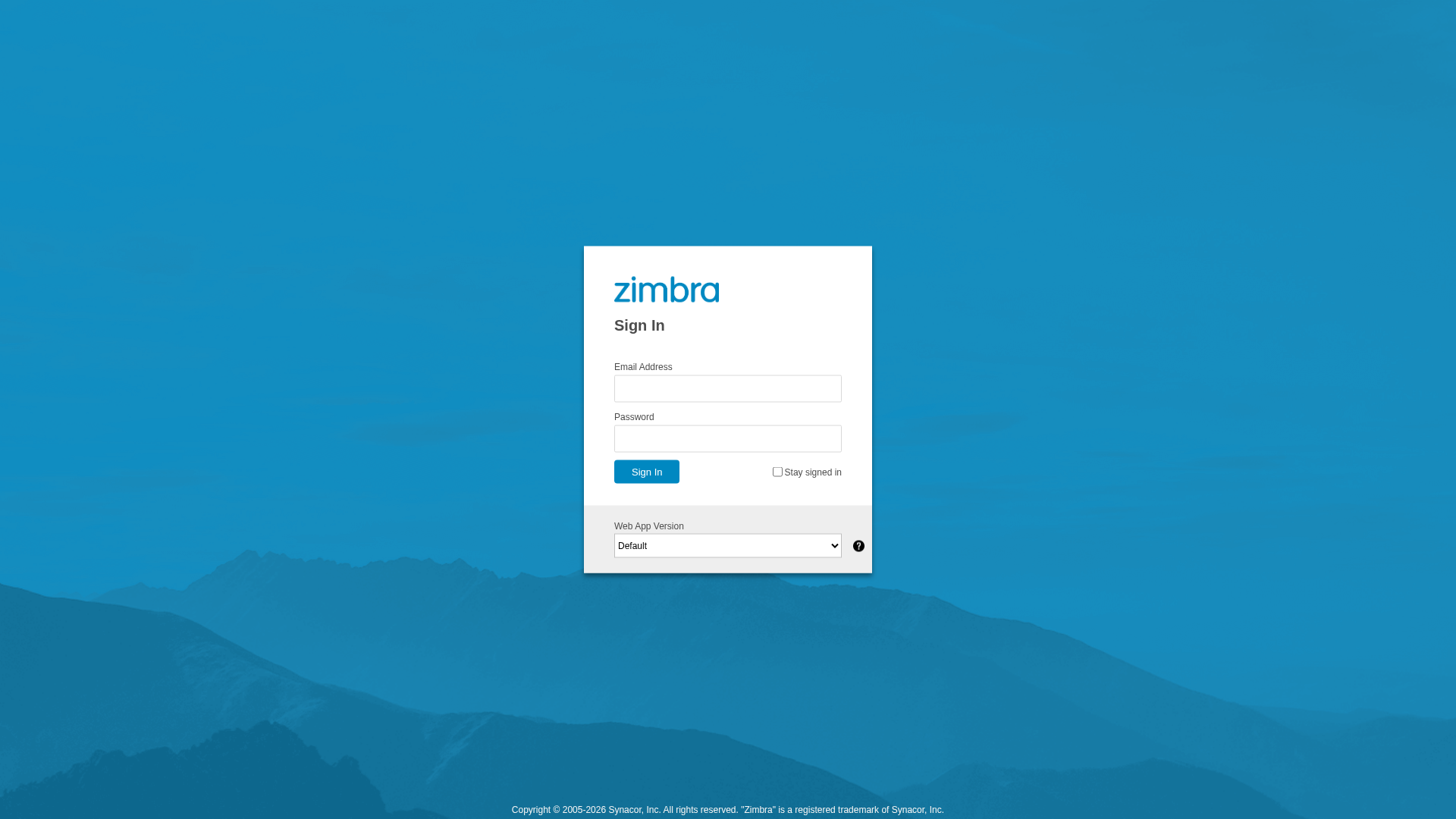
Visual Capture
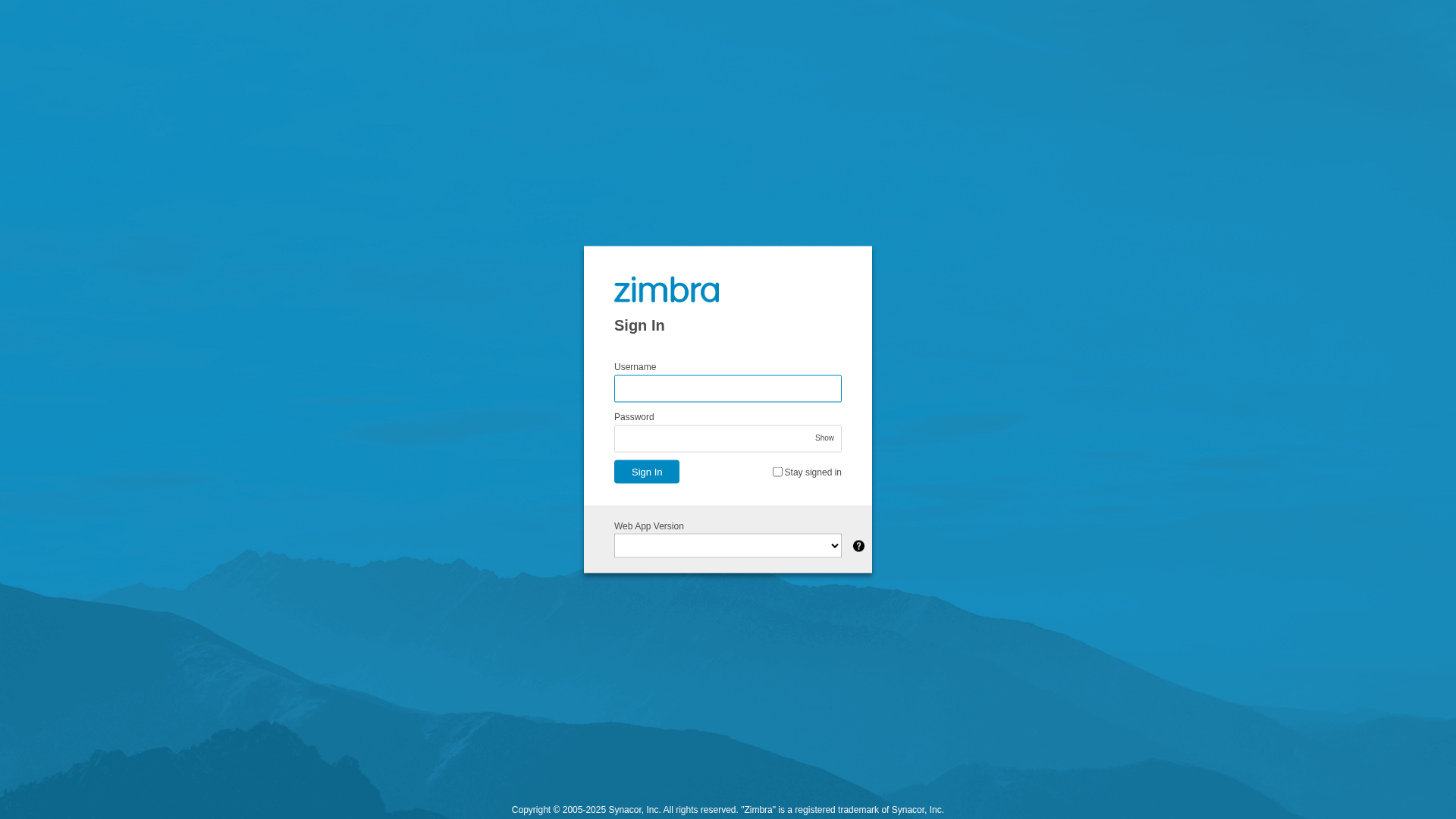
Detection Info
https://pop.schubel.info/
Detected Brand
Zimbra
Country
International
Confidence
90%
HTTP Status
200
Report ID
c6009cd9-2d1…
Analyzed
2026-02-24 04:59
Content Hashes (HTML Similarity)
Used to detect similar phishing pages based on HTML content
| Algorithm | Hash Value |
|---|---|
|
CONTENT
TLSH
|
T1BC71522281149C334593A5E426A66F5A328887A8C203194DF7F8C76D2EE2DD9CF76636 |
|
CONTENT
ssdeep
|
48:4SI1Ar0PwHagwlzBzJeUEyDNw2mjFIYJNPvACZ4yHfl89gz3HcCf9/z:4SKTeUEaYJNP4CZ49O3N9/z |
Visual Hashes (Screenshot Similarity)
Used to detect visually similar phishing pages based on screenshots
| Algorithm | Hash Value |
|---|---|
|
VISUAL
pHash
|
99d826e4d9a4d8e3 |
|
VISUAL
aHash
|
0000181818180000 |
|
VISUAL
dHash
|
504cb2b2b2b2cf7b |
|
VISUAL
wHash
|
f87cfebf5f180000 |
|
VISUAL
colorHash
|
000000001c0 |
|
VISUAL
cropResistant
|
9ab8e2aaa032b2a4,504cb2b2b2b2cf7b |
Code Analysis
Risk Score
50/100
Threat Level
ALTO
⚠️ Phishing Confirmed
🎣 Credential Harvester
🔬 Threat Analysis Report
• Threat: Credential Phishing
• Target: Zimbra Users
• Method: Impersonation via login form
• Exfil: Unknown, likely to the domain / via form action.
• Indicators: Mismatched domain, login form, requests credentials.
• Risk: HIGH
🔐 Credential Harvesting Forms
🎯 Kit Endpoints
- /css/common,login,zhtml,skin.css?skin=harmony&v=251107222149
📤 Form Action Targets
- /
📊 Risk Score Breakdown
Total Risk Score
95/100
Contributing Factors
Domain Mismatch
The domain does not belong to the brand.
Login Form
Designed to steal credentials
Brand Impersonation
Page attempts to visually resemble a legitimate Zimbra login.
🔬 Comprehensive Threat Analysis
Threat Type
Credential Harvesting Kit
Target
Zimbra users (International)
Attack Method
Brand impersonation + credential harvesting forms
Exfiltration Channel
HTTP POST to backend
Risk Assessment
MEDIUM - Automated credential harvesting with HTTP POST to backend
⚠️ Indicators of Compromise
- Kit types: Credential Harvester
🏢 Brand Impersonation Analysis
Impersonated Brand
Zimbra
Official Website
https://www.zimbra.com/
Fake Service
Zimbra Webmail
⚔️ Attack Methodology
Primary Method: Credential Phishing
The attacker sets up a fake login page that mimics the appearance of Zimbra's login interface. Users are tricked into entering their credentials into the form, which are then harvested.
🌐 Infrastructure Indicators of Compromise
Domain Information
Domain
pop.schubel.info
Registered
Unknown
Registrar
Unknown
Status
Unknown
🤖 AI-Extracted Threat Intelligence
Similar Websites
Pages with identical visual appearance (based on perceptual hash)
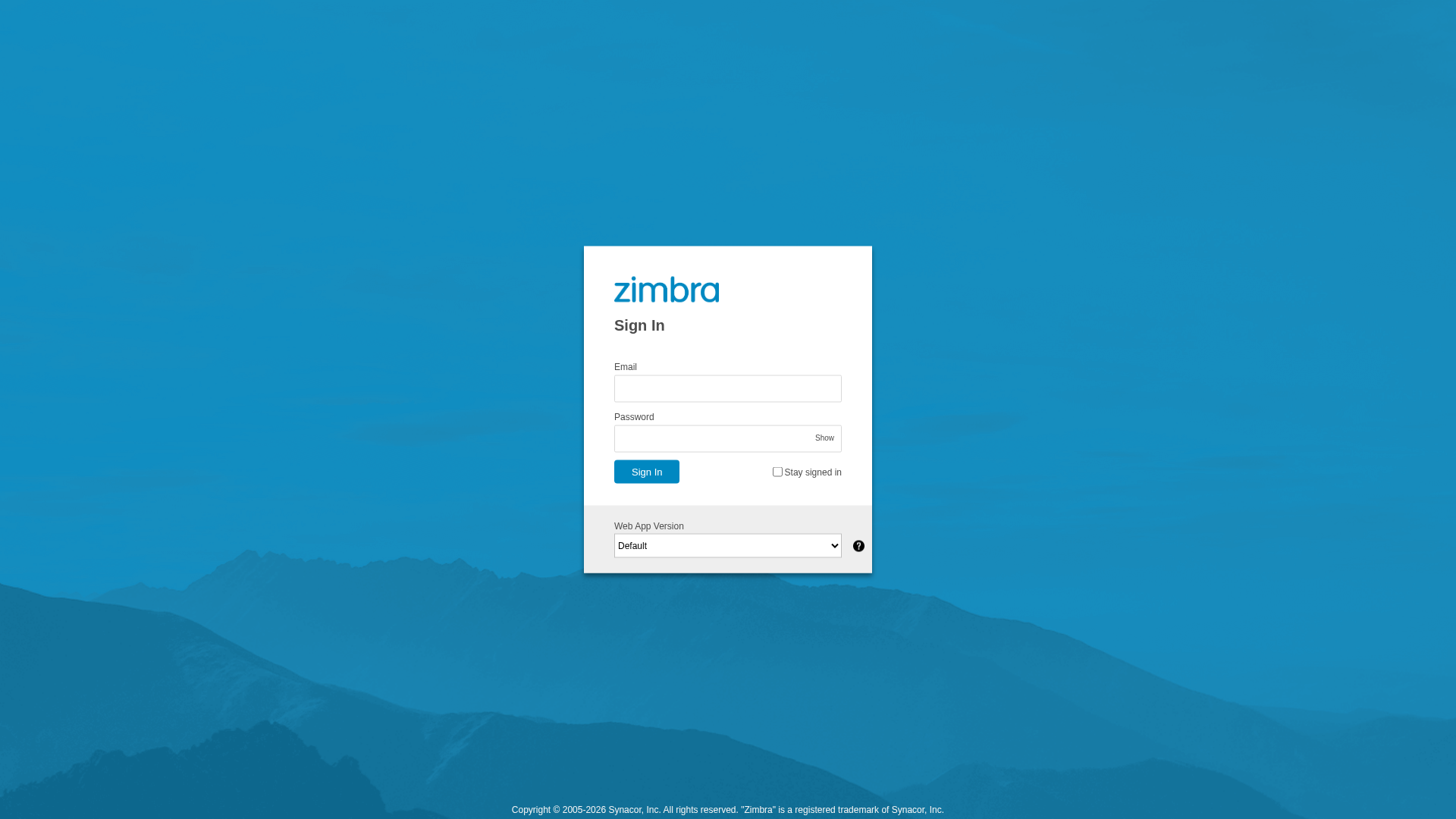
Zimbra
https://pub-3f081ad7284d4ae088815e99acb1811a.r2.dev/zmb.html
Jun 12, 2026
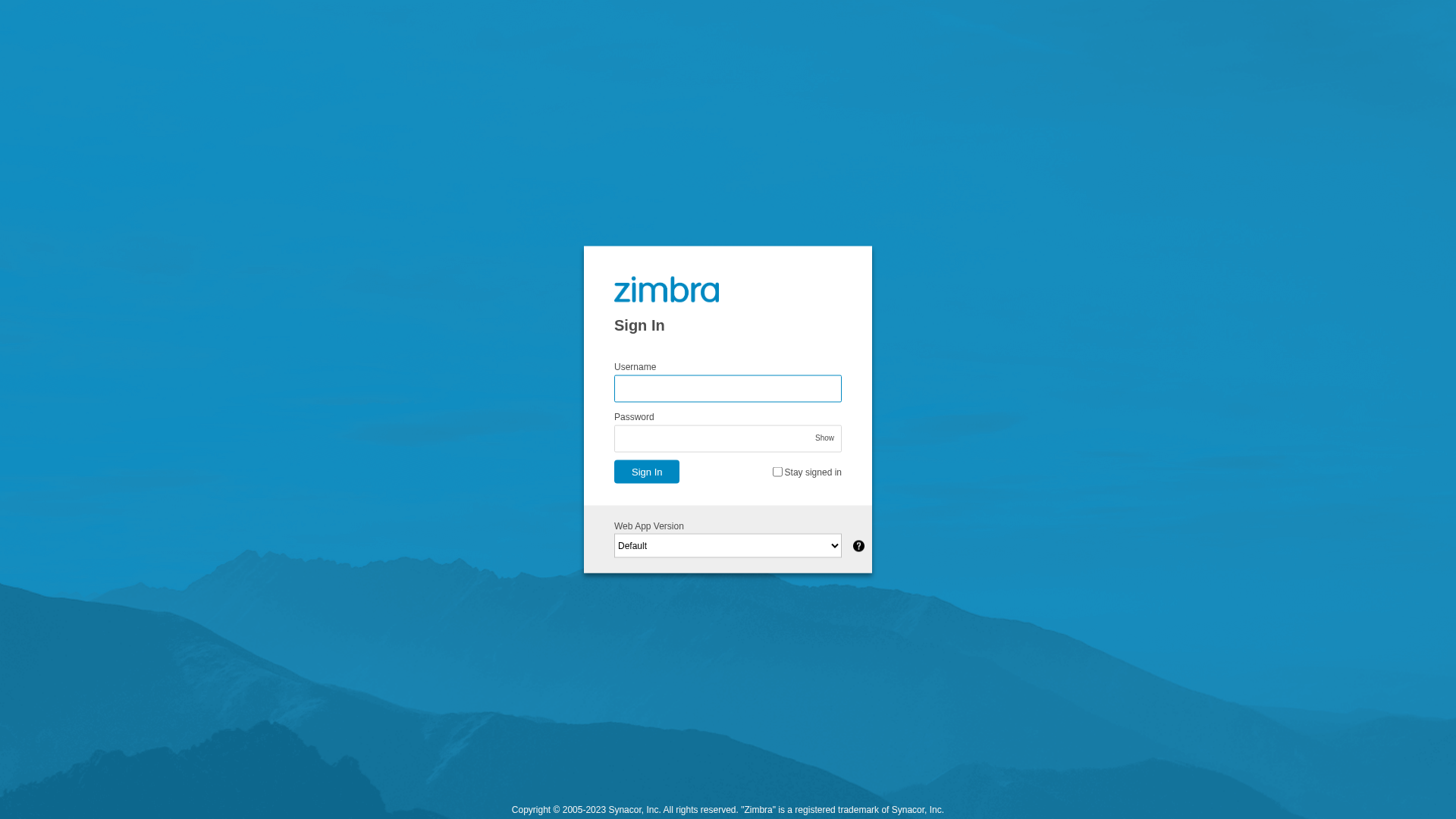
Zimbra
https://super-vacherin-92c401.netlify.app/
Apr 08, 2026
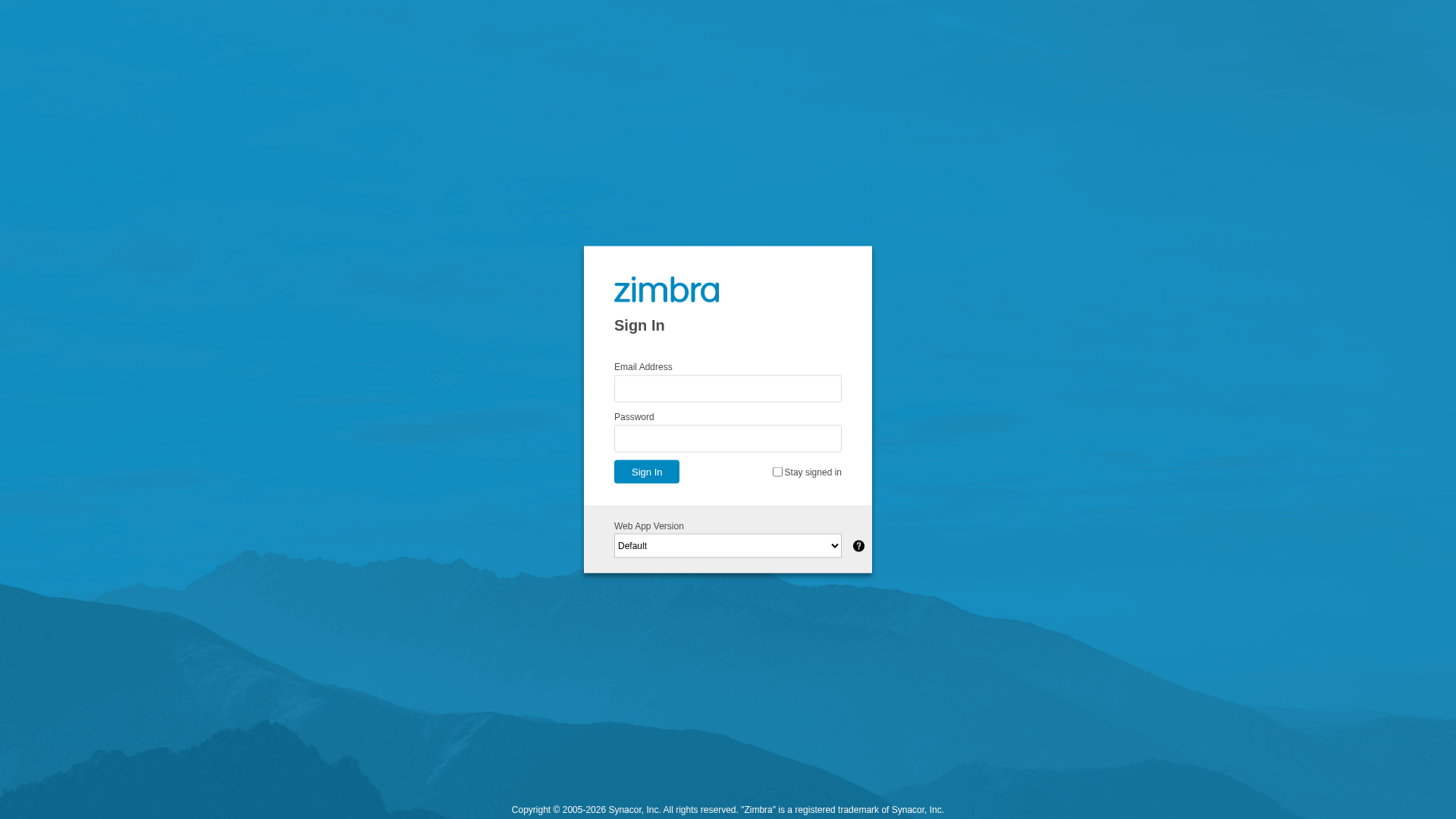
Zimbra
https://pub-f238c76a0b094096949c7c5e5fa6dd6c.r2.dev/zmb.html
Feb 27, 2026
No screenshot
Zimbra
https://zcs.silomanagement.gr/
Feb 25, 2026
Zimbra
https://pub-f3a625f640b4498a9fc80023b25c7a2a.r2.dev/zmb.html
Feb 18, 2026

"I Never Thought It Would Happen to Me"
That's what 2.3 million victims say every year. Don't wait to become a statistic.