
Phishing Analysis
Detailed analysis of captured phishing page
Visual Capture
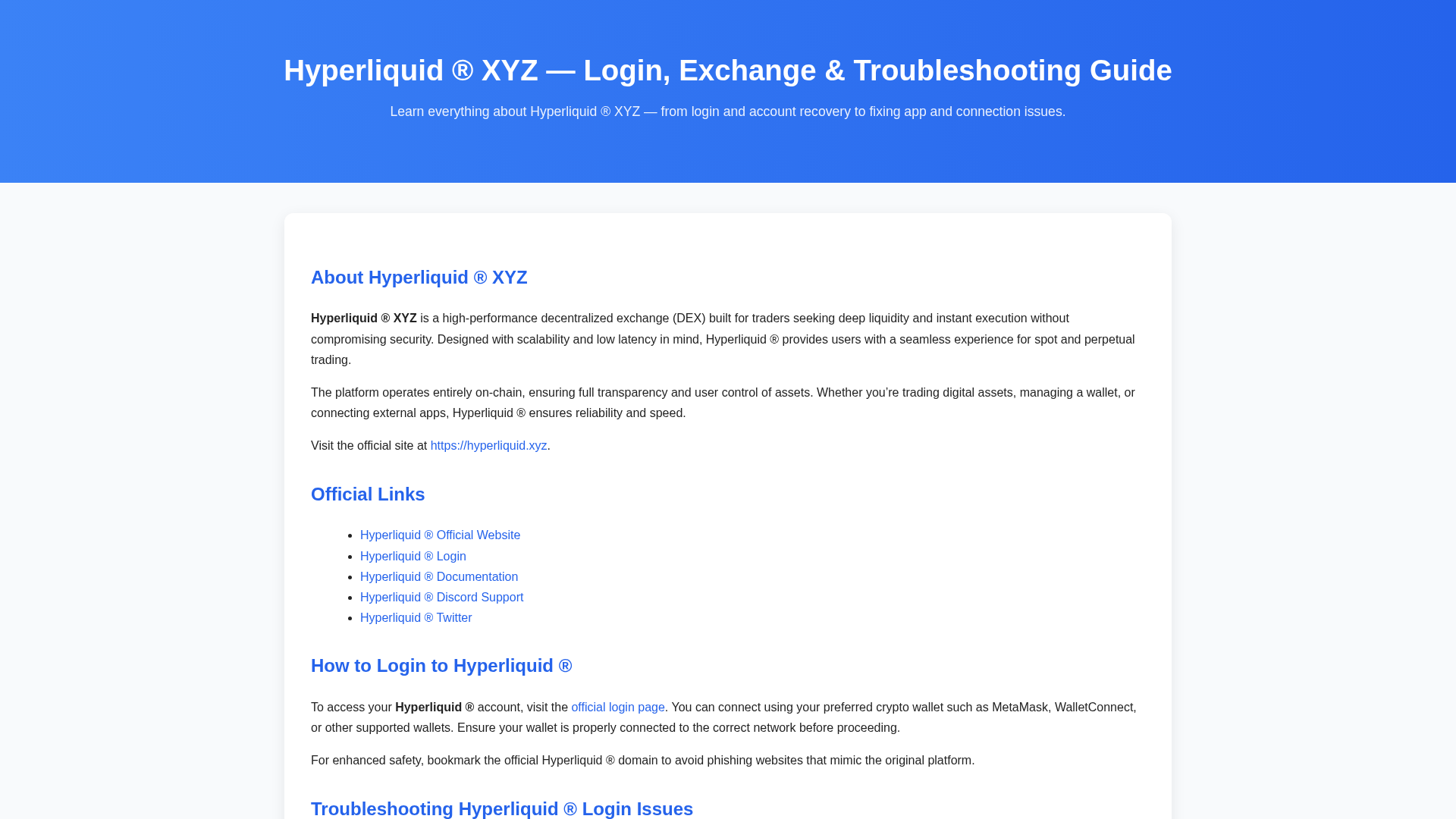
Detection Info
https://hyperliquued-en-xyz.pages.dev/
Detected Brand
Hyperliquid
Country
Unknown
Confidence
95%
HTTP Status
200
Report ID
cac683b7-fb0…
Analyzed
2026-07-12 11:22
Content Hashes (HTML Similarity)
Used to detect similar phishing pages based on HTML content
| Algorithm | Hash Value |
|---|---|
|
CONTENT
TLSH
|
T11DD13236539653B40A915305B119D39A932D80E8FB333FABE5FAC5285E182D5C833BDB |
|
CONTENT
ssdeep
|
96:TWdEP0/vGmWz/5TGa+Jkqpc77IyufObtUNGR2IBKzQjANeTX+q5:qdGmW9TGPJkT7I2eNY2IBKzQfTX |
Visual Hashes (Screenshot Similarity)
Used to detect visually similar phishing pages based on screenshots
| Algorithm | Hash Value |
|---|---|
|
VISUAL
pHash
|
dc47534271ac9cae |
|
VISUAL
aHash
|
0000ffffffffffff |
|
VISUAL
dHash
|
c040303638b0341c |
|
VISUAL
wHash
|
0000df839fdf9b87 |
|
VISUAL
colorHash
|
060000001c0 |
|
VISUAL
cropResistant
|
00c9363436352a02,f0361e3830b03e1c,0000c0d420680000 |
Code Analysis
Threat Level
ALTO
⚠️ Phishing Confirmed
📊 Risk Score Breakdown
Total Risk Score
40/100
🔬 Comprehensive Threat Analysis
Threat Type
Hyperliquid Phishing Landing Page
Target
Hyperliquid users
Attack Method
Phishing webpage
Exfiltration Channel
Form submission (backend endpoint not detected - likely JavaScript-based)
Risk Assessment
LOW - Automated credential harvesting with Form submission (backend endpoint not detected - likely JavaScript-based)
🏢 Brand Impersonation Analysis
Impersonated Brand
Hyperliquid
Official Website
N/A
Fake Service
Credential harvesting service
⚔️ Attack Methodology
Primary Method: SEO Poisoning Landing Page
Fake Hyperliquid page designed to appear in search results and trick users into visiting. May redirect to credential harvesting pages, malware downloads, or serve as a trust-building step before requesting sensitive information.
Secondary Method: Standard Phishing Techniques
Uses typical phishing tactics including brand impersonation, urgency tactics, and social engineering to trick victims into providing sensitive information.
🌐 Infrastructure Indicators of Compromise
Domain Information
Domain
hyperliquued-en-xyz.pages.dev
Registered
Unknown
Registrar
Unknown
Status
Hosting platform (subdomain)
Hosting Information
Provider
Unknown
ASN
🤖 AI-Extracted Threat Intelligence

"I Never Thought It Would Happen to Me"
That's what 2.3 million victims say every year. Don't wait to become a statistic.