
Phishing Analysis
Detailed analysis of captured phishing page
Visual Capture
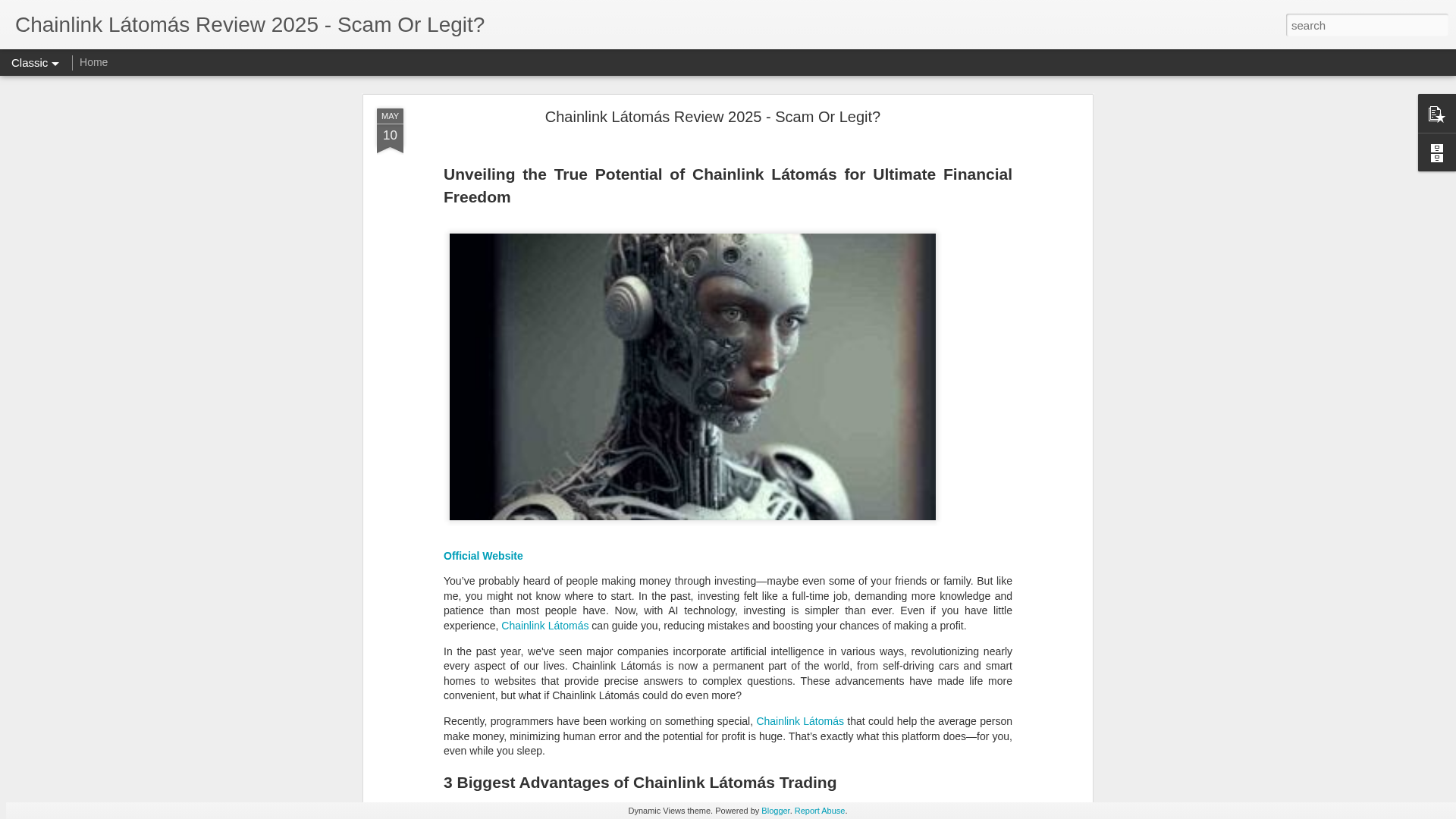
Detection Info
https://chainlink-latomas-review.blogspot.com/
Detected Brand
Chainlink
Country
Unknown
Confidence
100%
HTTP Status
200
Report ID
cedb09cf-dfb…
Analyzed
2026-04-08 23:59
Content Hashes (HTML Similarity)
Used to detect similar phishing pages based on HTML content
| Algorithm | Hash Value |
|---|---|
|
CONTENT
TLSH
|
T11CA2E973928026375A2302C9E775E79DD34384FCDB420A85D1E8923D93D4FE2E972AD9 |
|
CONTENT
ssdeep
|
384:xOHgJU2IXQPLNWUDXMSZ9BXPj8ju+wPhkwCs:gHgJWQPLhX/nBfBVpD |
Visual Hashes (Screenshot Similarity)
Used to detect visually similar phishing pages based on screenshots
| Algorithm | Hash Value |
|---|---|
|
VISUAL
pHash
|
b135ce4f33322a39 |
|
VISUAL
aHash
|
00fec7c7c7ffffff |
|
VISUAL
dHash
|
6c609d9d9d944cdd |
|
VISUAL
wHash
|
009cc1c1c3c7e7e7 |
|
VISUAL
colorHash
|
070060000c0 |
|
VISUAL
cropResistant
|
0140347171b30000,689c9d9c9d445cdd,0000004040000000,eff7e7e7e7c7c6c6 |
Code Analysis
Risk Score
100/100
Threat Level
ALTO
⚠️ Phishing Confirmed
🎣 Credential Harvester
🎣 OTP Stealer
🎣 Banking
🎣 Personal Info
🔐 Credential Harvesting Forms
🔒 Obfuscation Detected
- atob
- eval
- fromCharCode
- hex_escape
- unicode_escape
- base64_strings
🎯 Kit Endpoints
- https://chainlink-latomas-review.blogspot.com/
- {blogUrl}
- https://chainlink-latomas-review.blogspot.com/feeds/posts/default
- //www.blogger.com
- {BloggerBase}/post-edit.g?blogID={BlogID}&from=pencil
- {blogIconUrl}
- https://chainlink-latomas-review.blogspot.com/2025/05/
- https://www.blogger.com/feeds/2920584427369751482/posts/default
- https://www.blogger.com
- {BloggerBase}/comment/frame/{BlogID}?hl={Locale}&po={PostID}&lr={LoginRedirectParam}
- {BloggerBase}/page-edit.g?blogID={BlogID}&pageID={PageID}&from=pencil
- {BlogURL}
- https://www.blogger.com/post-edit.g?blogID=2920584427369751482&from=pencil
- https://chainlink-latomas-review.blogspot.com/feeds/posts/default?alt=rss
- https://chainlink-latomas-review.blogspot.com/2025/05/chainlink-latomas-review-2025-scam-or.html
- https://www.blogger.com/post-edit.g?blogID=2920584427369751482&postID=9154562878868618388&from=pencil
- {BloggerBase}/post-edit.g?blogID={BlogID}&postID={PostID}&from=pencil
- https://www.blogger.com/dyn-css/authorization.css?targetBlogID=2920584427369751482&zx=267e6fd9-f340-4f86-8696-18cfa65f73c2
- https://www.blogger.com/home
- https://www.blogger.com/go/report-abuse
📡 API Calls Detected
- post
📤 Form Action Targets
- https://feedburner.google.com/fb/a/mailverify?uri={feedPath}
📊 Risk Score Breakdown
Total Risk Score
100/100
Contributing Factors
Active Phishing Kit
Detected kit types: Credential Harvester, OTP Stealer, Banking, Personal Info
Credential Harvesting
Credential harvesting detected with 1 form(s) capturing sensitive data
Code Obfuscation
JavaScript code obfuscated using 45 technique(s) to evade detection
🔬 Comprehensive Threat Analysis
Threat Type
Banking Credential Harvester
Target
Chainlink users
Attack Method
credential harvesting forms + obfuscated JavaScript
Exfiltration Channel
HTTP POST to backend
Risk Assessment
CRITICAL - Automated credential harvesting with HTTP POST to backend
⚠️ Indicators of Compromise
- Kit types: Credential Harvester, OTP Stealer, Banking, Personal Info
- 45 obfuscation techniques
🏢 Brand Impersonation Analysis
Impersonated Brand
Chainlink
Official Website
N/A
Fake Service
Banking/payment service
⚔️ Attack Methodology
Primary Method: Credential Harvesting
Victim enters username and password into fake login form. Credentials are captured via JavaScript and exfiltrated to attacker's server in real-time.
Secondary Method: JavaScript Obfuscation
Malicious code is obfuscated using 45 techniques to evade detection by security scanners and make reverse engineering more difficult.
🌐 Infrastructure Indicators of Compromise
Domain Information
Domain
chainlink-latomas-review.blogspot.com
Registered
Unknown
Registrar
None
Status
Age unknown
Hosting Information
Provider
Unknown
ASN
🤖 AI-Extracted Threat Intelligence

"I Never Thought It Would Happen to Me"
That's what 2.3 million victims say every year. Don't wait to become a statistic.