
Phishing Analysis
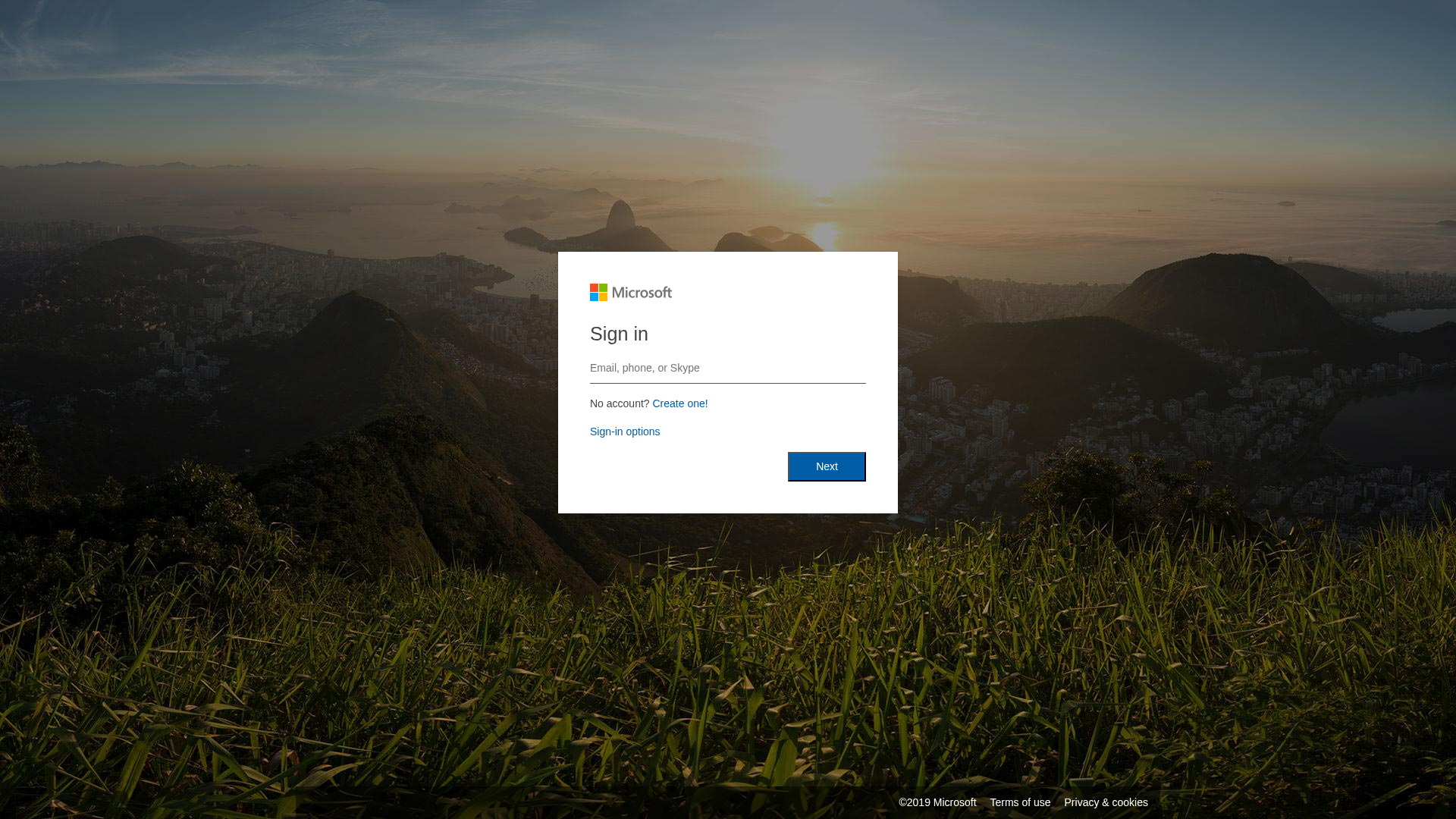
Detailed analysis of captured phishing page
Visual Capture
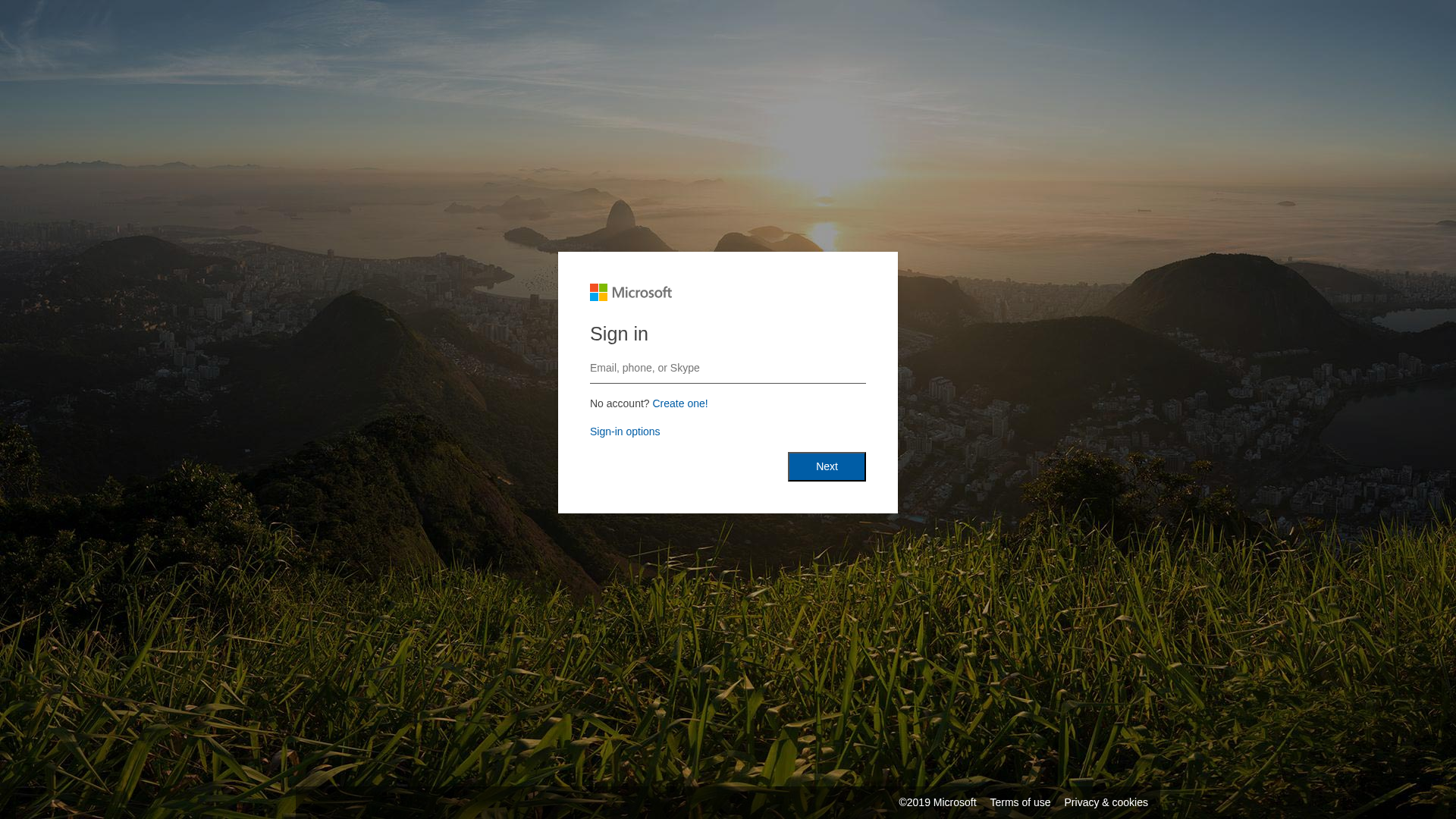
Detection Info
https://www.e-compliants.com/?urid=A715lTXpTd36keivfADGihARphERk6ZAVuCU_LTn_GF3lQ17TBxJBf0nSUAKOmOSiTwgdcqc-iVPZnO0VaHIbJGL3fjNApfwqNDc_BTFdZnIkVuE6RGJE3OmSj5w-EhEaRqeI_EZiSKzdO8hz&rg=WEU
Detected Brand
Microsoft
Country
International
Confidence
95%
HTTP Status
200
Report ID
d16a0625-6a3…
Analyzed
2026-03-14 01:39
Content Hashes (HTML Similarity)
Used to detect similar phishing pages based on HTML content
| Algorithm | Hash Value |
|---|---|
|
CONTENT
TLSH
|
T1CFC16160E414DD378343D2E1BBB49B0A72D9C357CA82450466F8632E5FE3ED5CE262A2 |
|
CONTENT
ssdeep
|
96:x1RrAPn8G36sgCD6sTUxSNgEj6sTzX1p6sIGUJvySOzrG4vSAKyFSmAkcRHUnhan:ul9D+cVPpYgDcHAcn |
Visual Hashes (Screenshot Similarity)
Used to detect visually similar phishing pages based on screenshots
| Algorithm | Hash Value |
|---|---|
|
VISUAL
pHash
|
989973674c5932dc |
|
VISUAL
aHash
|
ffff3e1818000000 |
|
VISUAL
dHash
|
f0f8f0b2b2f1dab0 |
|
VISUAL
wHash
|
ffffff1c180c0800 |
|
VISUAL
colorHash
|
1bc00010000 |
|
VISUAL
cropResistant
|
e0e0f0f0c0e0c0c1,f0f8f0b2b2f1dab0 |
Code Analysis
Risk Score
56/100
Threat Level
ALTO
⚠️ Phishing Confirmed
🎣 Credential Harvester
🔬 Threat Analysis Report
• Threat: Phishing
• Target: Microsoft users
• Method: Domain spoofing
• Exfil: base64_strings, fromCharCode
• Indicators: Domain mismatch, forms.
• Risk: High
🔒 Obfuscation Detected
- fromCharCode
- base64_strings
📡 API Calls Detected
- POST
📊 Risk Score Breakdown
Total Risk Score
90/100
Contributing Factors
Domain Mismatch
The domain does not belong to the brand being impersonated.
Obfuscation Detected
Presence of obfuscation techniques suggests malicious intent.
🔬 Comprehensive Threat Analysis
Threat Type
Credential Harvesting Kit
Target
Microsoft users (International)
Attack Method
Brand impersonation + credential harvesting forms + obfuscated JavaScript
Exfiltration Channel
Form submission (backend endpoint not detected - likely JavaScript-based)
Risk Assessment
MEDIUM - Automated credential harvesting with Form submission (backend endpoint not detected - likely JavaScript-based)
⚠️ Indicators of Compromise
- Kit types: Credential Harvester
- 6 obfuscation techniques
🏢 Brand Impersonation Analysis
Impersonated Brand
Microsoft
Official Website
www.microsoft.com
Fake Service
Microsoft account sign-in
⚔️ Attack Methodology
Primary Method: Credential Harvesting
The phishing site impersonates Microsoft to collect usernames and passwords entered by unsuspecting users.
Secondary Method: Social Engineering
The site uses a familiar login interface to trick users into entering their credentials.
🌐 Infrastructure Indicators of Compromise
Domain Information
Domain
www.e-compliants.com
Registered
2015-10-23
Registrar
Unknown
Status
Active
🤖 AI-Extracted Threat Intelligence
Similar Websites
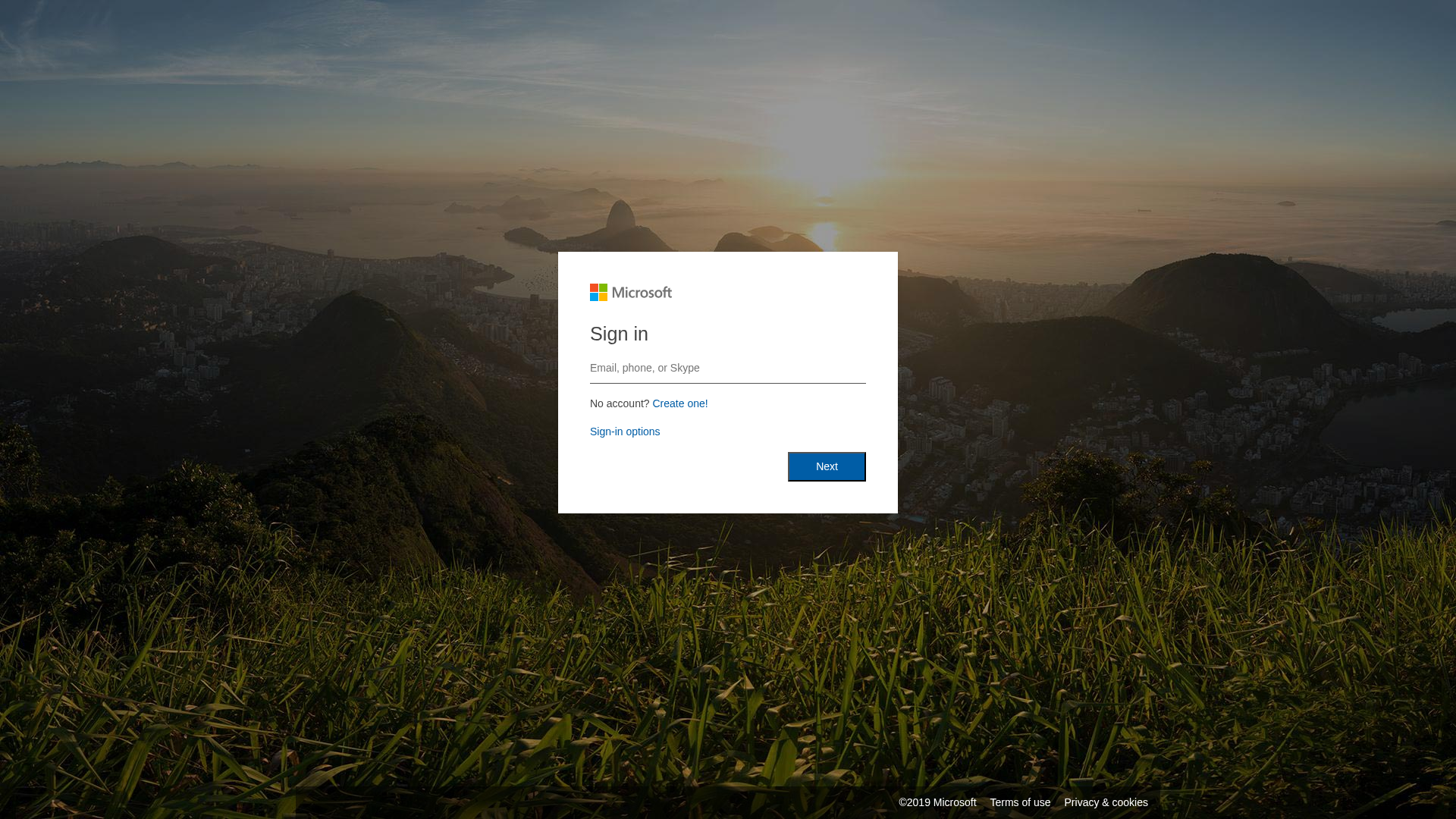
Pages with identical visual appearance (based on perceptual hash)
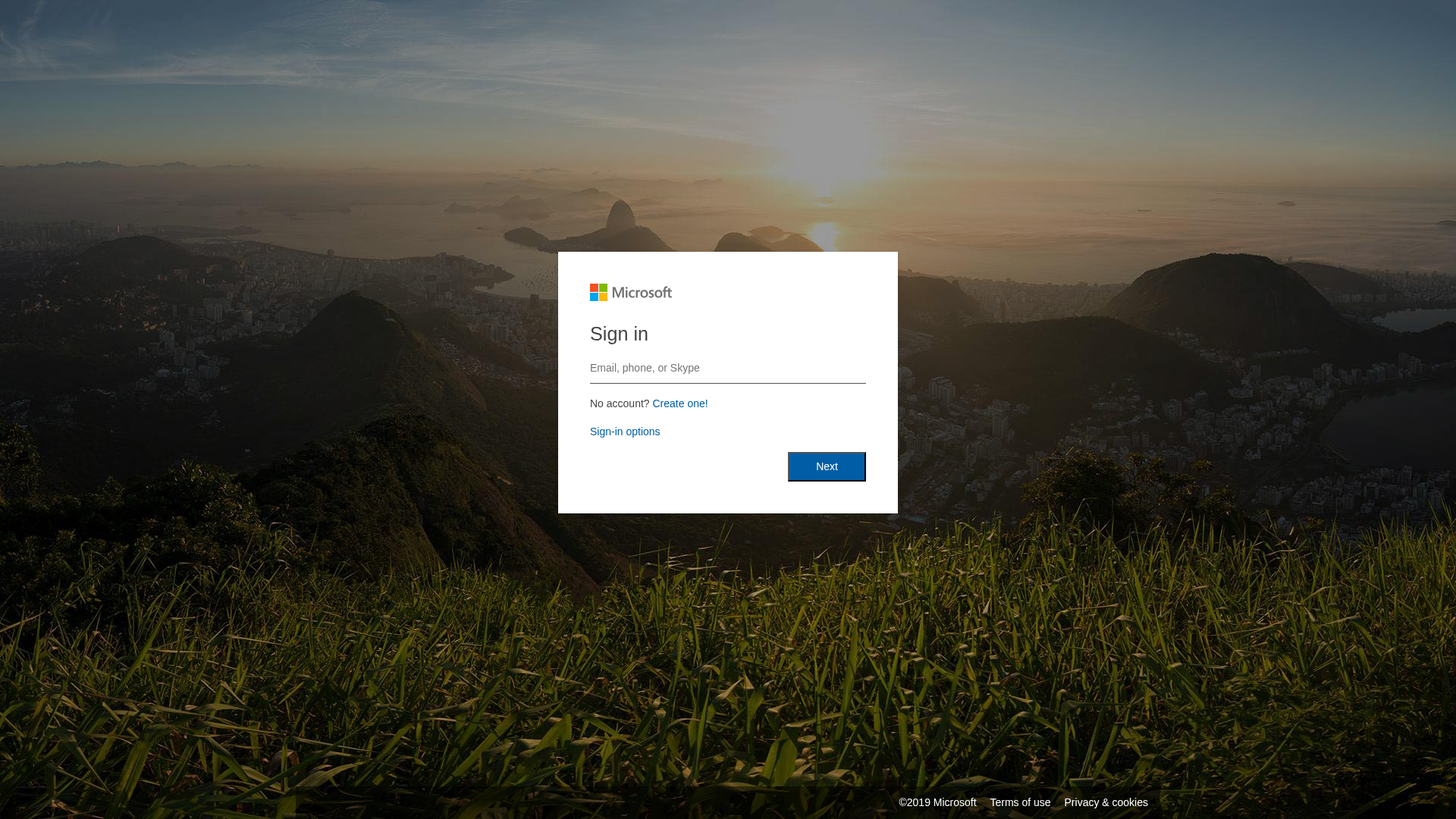
Microsoft
https://www.e-owa.com/?urid=AXLMLIm-StGu0wLXgY4yicAmrs5WHlDP...
Jun 16, 2026
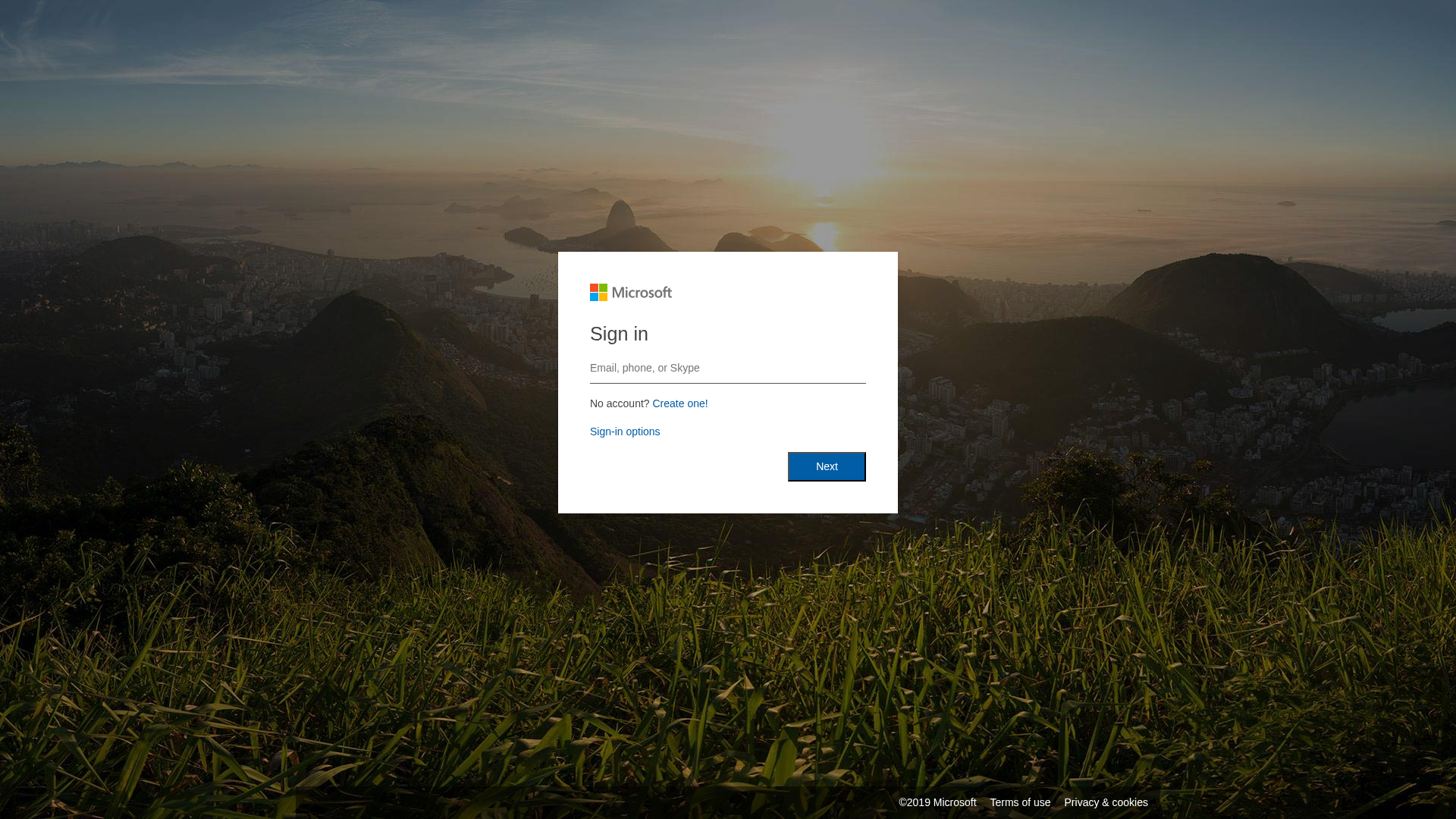
Microsoft
https://www.it-communications.com/?urid=QekUmAG1SKGCkVrFPcR7...
Apr 07, 2026
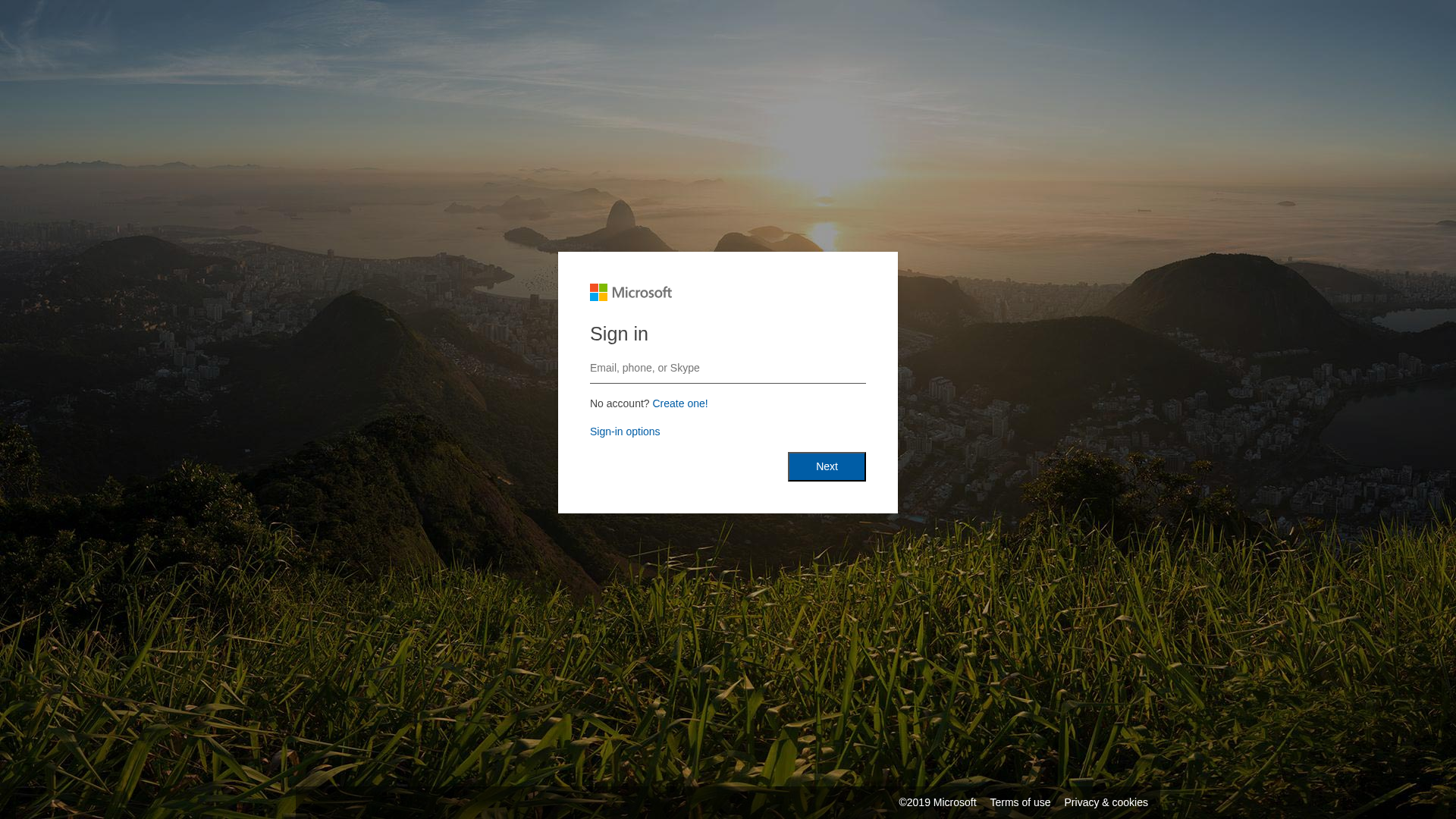
Microsoft
http://advanced-documents.com/?urid=gJPHLRUoTQHeEqGRObxgx5Ai...
Mar 31, 2026
Microsoft
http://docusine.com/?urid=wZODP2jiU2CKE9V644_RWWwyH20A36rXWm...
Mar 17, 2026
Microsoft
https://www.emesssages.com/?urid=gHIkX-p0oe9ekh7aWh0Nmrw4AkH...
Mar 14, 2026

"I Never Thought It Would Happen to Me"
That's what 2.3 million victims say every year. Don't wait to become a statistic.