
Phishing Analysis
Detailed analysis of captured phishing page
Visual Capture
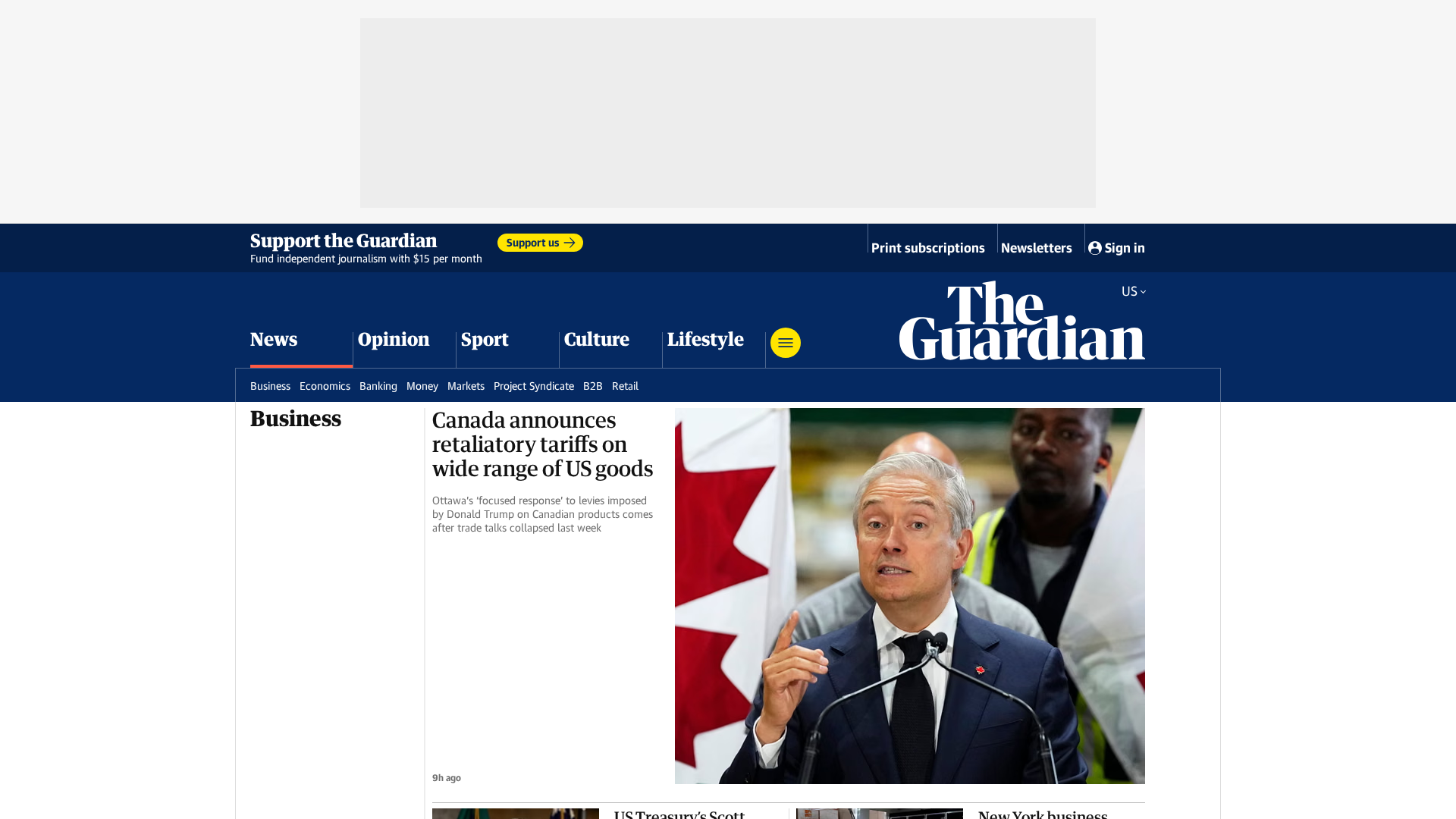
Detection Info
https://contractcloudsecure.com/
Detected Brand
The Guardian
Country
Unknown
Confidence
100%
HTTP Status
200
Report ID
d5939830-ad8…
Analyzed
2026-08-25 23:13
Final URL (after redirects)
https://www.theguardian.com/us/business
Content Hashes (HTML Similarity)
Used to detect similar phishing pages based on HTML content
| Algorithm | Hash Value |
|---|---|
|
CONTENT
TLSH
|
T19924C6319071163F113FB5D8E650AF48A293C71FE3C92BF2A4AD83512B85DA96C1B5BC |
|
CONTENT
ssdeep
|
1536:2gWcpgCmByseo/GJy3aDR6FBC2cxg5TEHK247MsRhNySyndvvM5cssz3eaBx9Mc6:oByseo/gCad6FvtgZ/T/fy3WdWRn1 |
Visual Hashes (Screenshot Similarity)
Used to detect visually similar phishing pages based on screenshots
| Algorithm | Hash Value |
|---|---|
|
VISUAL
pHash
|
ed12ece9181613ed |
|
VISUAL
aHash
|
ffff0000f3f3f3f3 |
|
VISUAL
dHash
|
0e82ccd403024707 |
|
VISUAL
wHash
|
ffff0000c1e3e1e1 |
|
VISUAL
colorHash
|
070000001c0 |
|
VISUAL
cropResistant
|
0206060606060606,c1f3f27159d3abcc,070b0b0307070787,cdcc47028b070727 |
Code Analysis
Risk Score
100/100
Threat Level
ALTO
⚠️ Phishing Confirmed
🎣 Credential Harvester
🎣 OTP Stealer
🎣 Card Stealer
🎣 Banking
🎣 Personal Info
🔐 Credential Harvesting Forms
🔒 Obfuscation Detected
- atob
- eval
- fromCharCode
- unescape
- document.write
- hex_escape
- unicode_escape
- js_packer
- base64_strings
🎯 Kit Endpoints
- https://assets.guim.co.uk/polyfill.io/v3/polyfill.min.js?rum=0&features=es6%2Ces7%2Ces2017%2Ces2018%2Ces2019%2Cdefault-3.6%2CHTMLPictureElement%2CIntersectionObserver%2CIntersectionObserverEntry%2CURLSearchParams%2Cfetch%2CNodeList.prototype.forEach%2Cnavigator.sendBeacon%2Cperformance.now%2CPromise.allSettled&flags=gated&callback=guardianPolyfilled&unknown=polyfill&cacheClear=1
- /money/us-money-blog/2014/aug/14/relationships-finances-bullying-abuse-dependent-equality
- /money/us-money-blog/2014/aug/14/relationships-finances-bullying-abuse-dependent-equality#comments
- https://collector.brandmetrics.com/c.js?siteid=0f840a9d-c6e8-486a-87b2-147c74fe4309&toploc=www.theguardian.com&rnd=7683058
- /technology/2026/aug/21/china-tesla-vehicle-recall
- /business/2026/aug/24/treasury-bonds-trump-administration-debt
- /us/technology
- https://www.theguardian.com/us-news/trump-administration
📡 API Calls Detected
- GET
- test
- https://cdn.privacy-mgmt.com/wrapper/v2/meta-data?accountId=1257&env=prod&metadata={
- https://tk.amazon-adsystem.com/envelope
- https://rtb.openx.net/esp
- https://www.theguardian.com
- POST
- https://sourcepoint.theguardian.com/wrapper/v2/meta-data?accountId=1257&env=prod&metadata={
- https://www3.doubleclick.net
- text/html
- https://prod.tahoe-analytics.publishers.advertising.a2z.com/logevent/putRecords?encoded=true
- https://secure-signals-gazetkowo-300234255994.europe-west4.run.app/ss-rtbhouse
- https://api.nextgen.guardianapps.co.uk/geolocation
- https://prod.us-east-1.cxm-bcn.publisher-services.amazon.dev/v1/events/prebid
- https://esp.rtbhouse.com/encrypt
📤 Form Action Targets
- https://www.google.co.uk/search
📊 Risk Score Breakdown
Total Risk Score
100/100
Contributing Factors
Active Phishing Kit
Detected kit types: Credential Harvester, OTP Stealer, Card Stealer, Banking, Personal Info
Credential Harvesting
Credential harvesting detected with 2 form(s) capturing sensitive data
Code Obfuscation
JavaScript code obfuscated using 19314 technique(s) to evade detection
🔬 Comprehensive Threat Analysis
Threat Type
Banking Credential Harvester
Target
The Guardian users
Attack Method
credential harvesting forms + obfuscated JavaScript
Exfiltration Channel
HTTP POST to backend
Risk Assessment
CRITICAL - Automated credential harvesting with HTTP POST to backend
⚠️ Indicators of Compromise
- Kit types: Credential Harvester, OTP Stealer, Card Stealer, Banking, Personal Info
- 19314 obfuscation techniques
🏢 Brand Impersonation Analysis
Impersonated Brand
The Guardian
Official Website
N/A
Fake Service
Banking/payment service
⚔️ Attack Methodology
Primary Method: Credential Harvesting
Victim enters username and password into fake login form. Credentials are captured via JavaScript and exfiltrated to attacker's server in real-time.
Secondary Method: JavaScript Obfuscation
Malicious code is obfuscated using 19314 techniques to evade detection by security scanners and make reverse engineering more difficult.
🌐 Infrastructure Indicators of Compromise
Domain Information
Domain
contractcloudsecure.com
Registered
2026-08-19 06:44:32+00:00
Registrar
NICENIC INTERNATIONAL GROUP CO., LIMITED
Status
Recently registered (6 days old)
Hosting Information
Provider
NICENIC INTERNATIONAL GROUP CO., LIMITED
ASN
🤖 AI-Extracted Threat Intelligence

"I Never Thought It Would Happen to Me"
That's what 2.3 million victims say every year. Don't wait to become a statistic.