
Phishing Analysis
Detailed analysis of captured phishing page
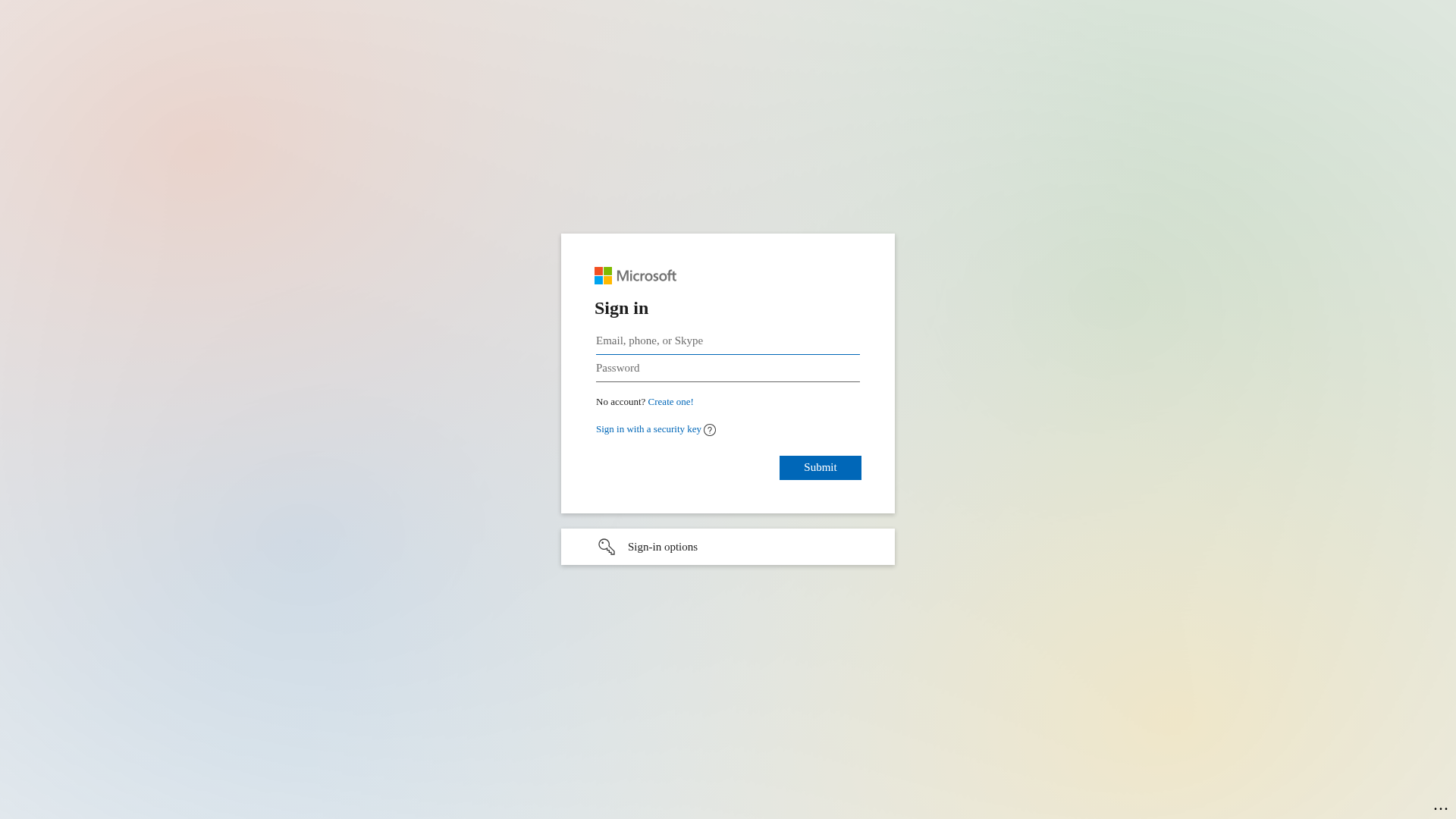
Visual Capture
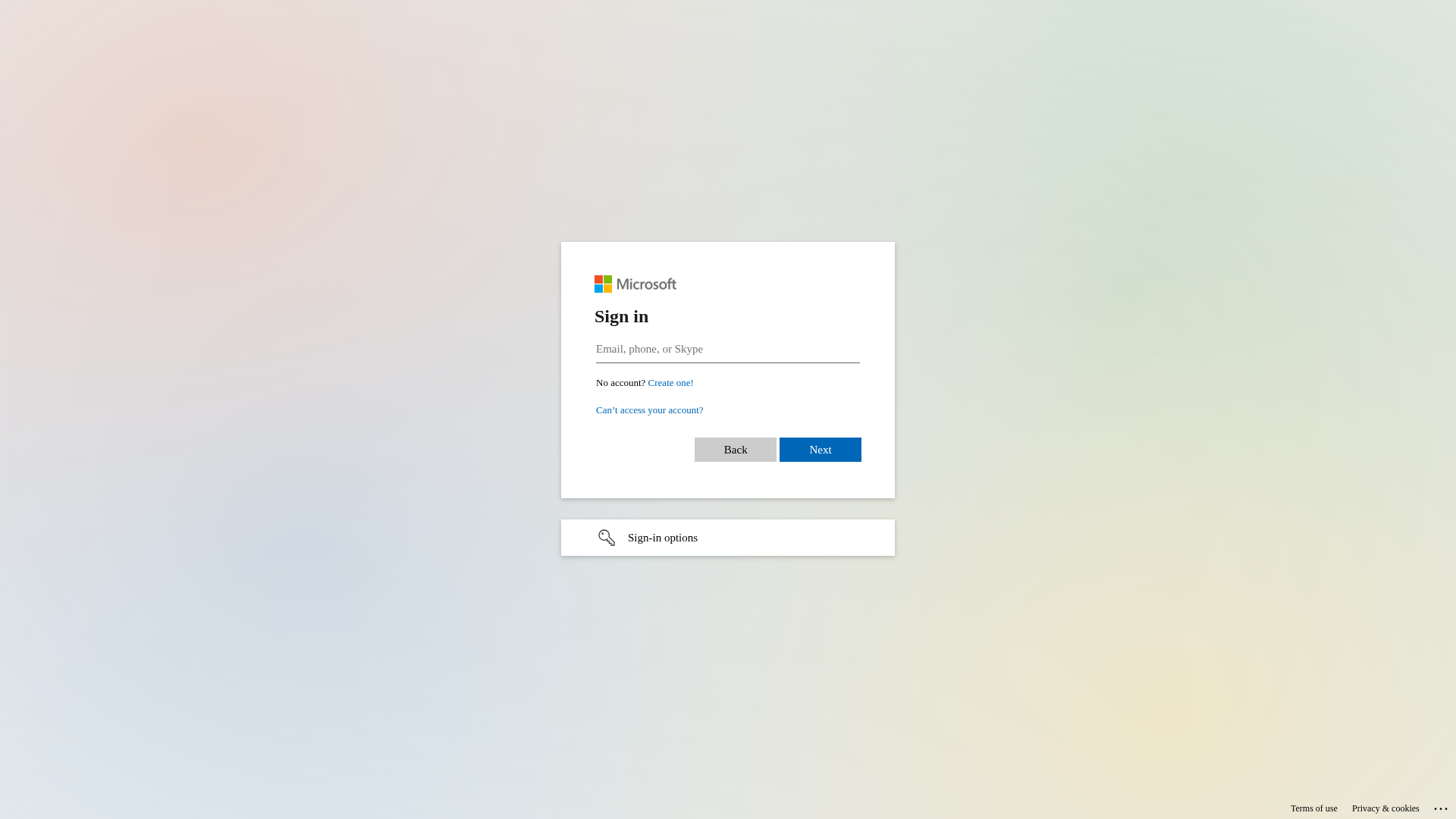
Detection Info
Content Hashes (HTML Similarity)
Used to detect similar phishing pages based on HTML content
| Algorithm | Hash Value |
|---|---|
|
CONTENT
TLSH
|
T106D100316040AD3712D3D6D8B3B56B1B3384C205DE8757AA97E8C39E4EFBE61CC19292 |
|
CONTENT
ssdeep
|
96:qvWFAzQgIeu0nPK/AmvUAK5KbdPs/l+veRzKDafEAD9NltZdSsTZS4W5QQOGAM2B:3gI0/lnRWDeZ9NVhW5UEIf |
Visual Hashes (Screenshot Similarity)
Used to detect visually similar phishing pages based on screenshots
| Algorithm | Hash Value |
|---|---|
|
VISUAL
pHash
|
9c497326cc99d966 |
|
VISUAL
aHash
|
180018181d1f1f9f |
|
VISUAL
dHash
|
7161713325727d38 |
|
VISUAL
wHash
|
191818181f1f1fff |
|
VISUAL
colorHash
|
07000000180 |
|
VISUAL
cropResistant
|
7161713325727d38 |
Code Analysis
🔬 Threat Analysis Report
• Threat: Credential harvesting phishing kit
• Target: Microsoft users globally
• Method: Fake login form stealing email, phone, or Skype credentials
• Exfil: Potential data exfiltration via obfuscated JavaScript
• Indicators: Unrelated domain, domain mismatch, phishing form
• Risk: HIGH - Immediate credential theft
🔒 Obfuscation Detected
- atob
📊 Risk Score Breakdown
Contributing Factors
🔬 Comprehensive Threat Analysis
🏢 Brand Impersonation Analysis
⚔️ Attack Methodology
Primary Method: Credential Harvesting
The phishing kit presents a fake Microsoft login page to capture user credentials (email, phone, or Skype) via a form submission. The harvested data is likely transmitted to a backend server controlled by the attacker for immediate use or sale.
Secondary Method: Account Takeover
Once credentials are harvested, attackers can gain unauthorized access to Microsoft accounts, enabling further exploitation such as data theft, financial fraud, or lateral movement within corporate networks.
🌐 Infrastructure Indicators of Compromise
Domain Information
🦠 Malicious Files
Contains obfuscated code to evade detection, but no specific malicious functions or external APIs identified.
🤖 AI-Extracted Threat Intelligence
🎯 Malicious Files Identified
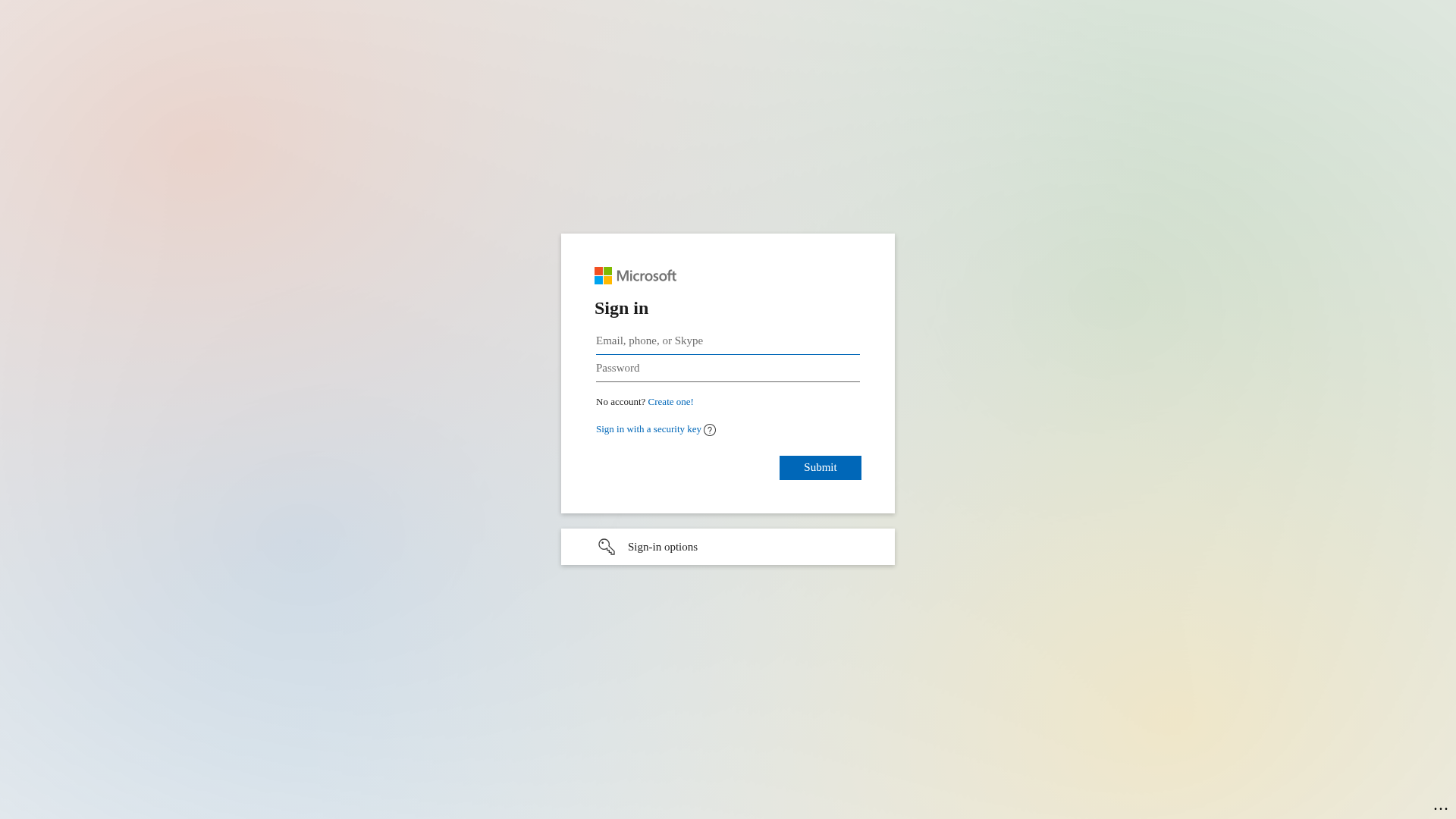
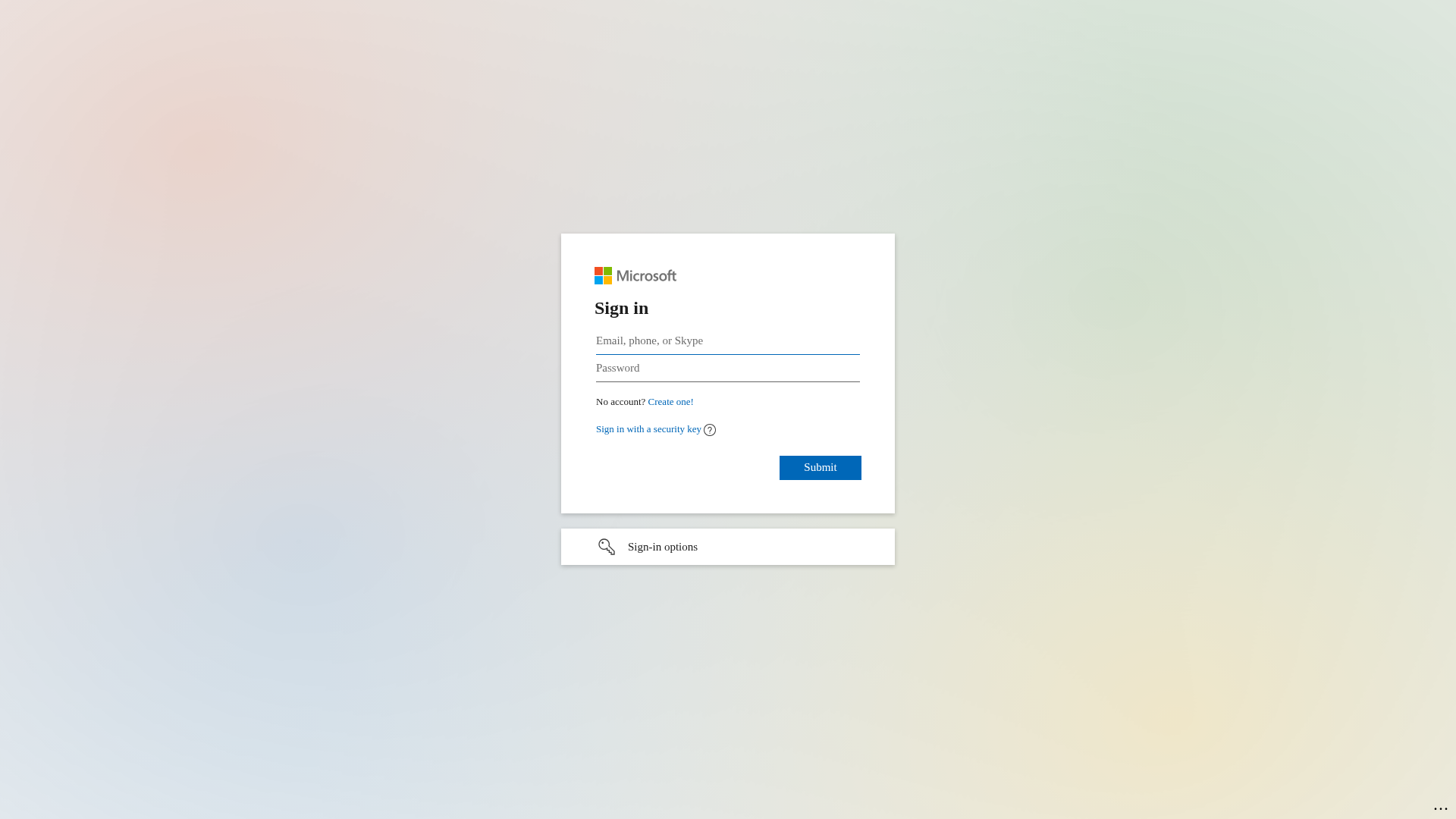
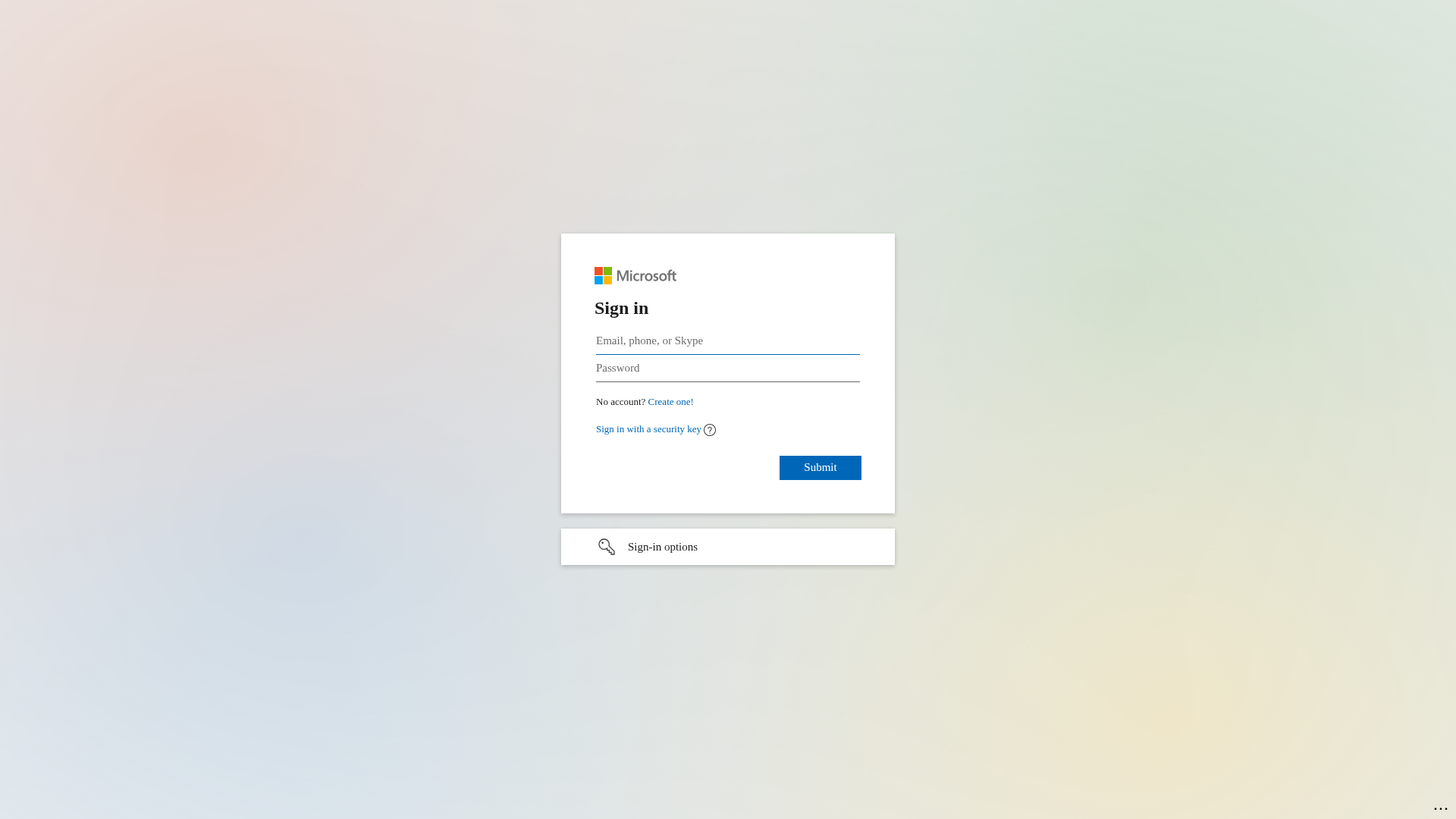
Similar Websites
Pages with identical visual appearance (based on perceptual hash)
Scan History for channelhub.online
Found 10 other scans for this domain
-
https://channelhub.online/p66b0a8dczc7c94e36na198a...
https://channelhub.online/m0ae5e22epce2746dbpa266e...
http://channelhub.online/m0ae5e22epce2746dbpa266e6...
https://channelhub.online/ia487472d6f3c44041tbb2dd...
https://channelhub.online/i78b4dcd66561f4a15ta2598...
https://channelhub.online/ie20949d56c56446c8ta2339...
https://channelhub.online/i354c742b69ad648fctb7742...
https://channelhub.online/ia07dc84b6f3164e50ta4f7e...
https://channelhub.online/i48f00ac86cdf54e4dt86be9...
https://channelhub.online/i078b36cf6ab2d4911tb6566...
