
Phishing Analysis
Detailed analysis of captured phishing page
Visual Capture
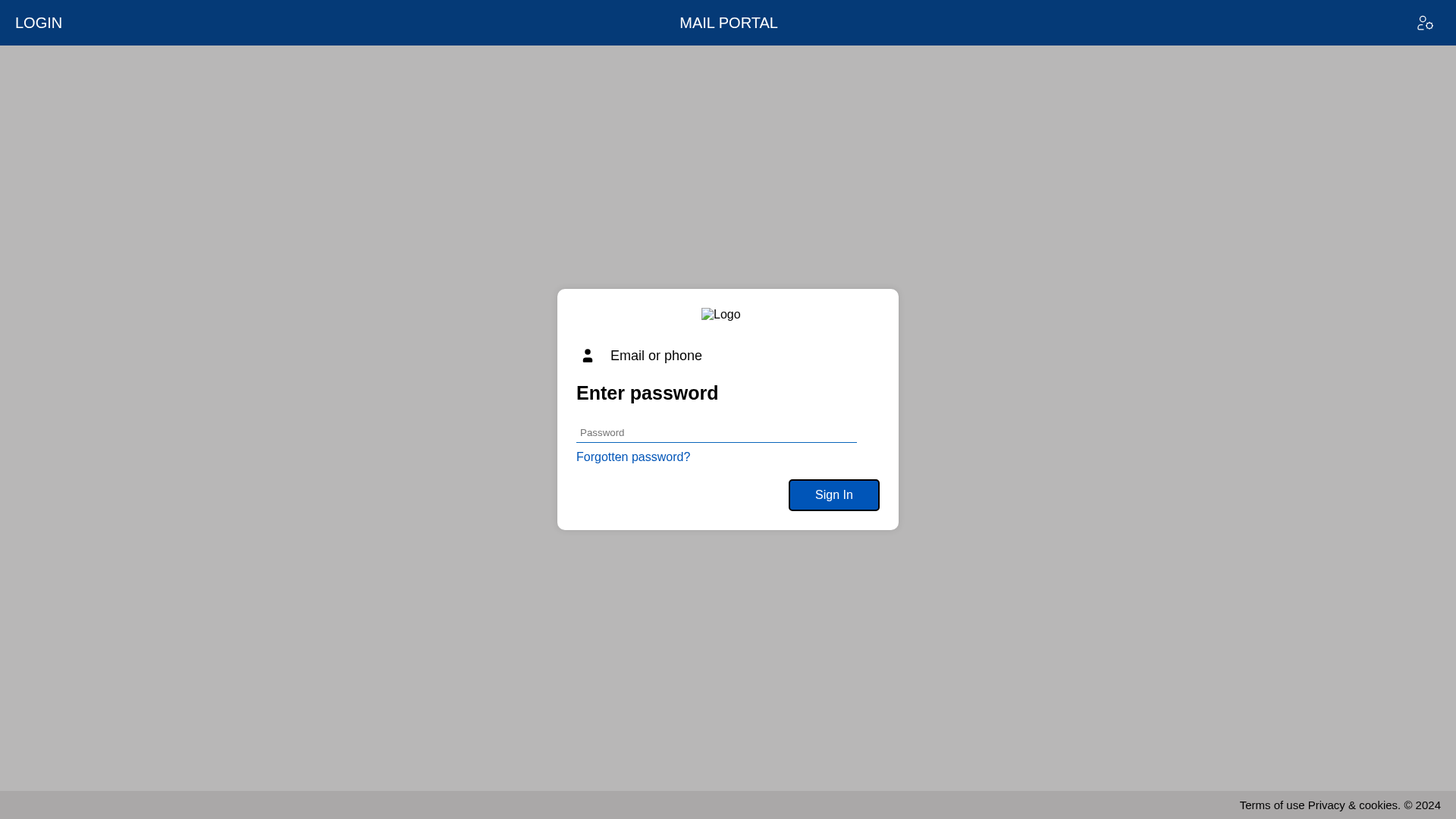
Detection Info
https://axc.bbn.mybluehost.me/wp-admin/images/css/WEBMAIL1.html?email=
Detected Brand
Unknown
Country
International
Confidence
100%
HTTP Status
200
Report ID
e35b2c0b-4fc…
Analyzed
2026-03-04 01:58
Content Hashes (HTML Similarity)
Used to detect similar phishing pages based on HTML content
| Algorithm | Hash Value |
|---|---|
|
CONTENT
TLSH
|
T1A6416530422C582E9063C6DCB5FB9E162395C262EB5710649AFC92BD4BD7E95DC370C9 |
|
CONTENT
ssdeep
|
48:Gl5n6iaIdu1w2T0ffO/Sm10BKVAMIaMIDTd:4me64HO/H8aJHd |
Visual Hashes (Screenshot Similarity)
Used to detect visually similar phishing pages based on screenshots
| Algorithm | Hash Value |
|---|---|
|
VISUAL
pHash
|
cc1973665919666e |
|
VISUAL
aHash
|
00ffffffffffef10 |
|
VISUAL
dHash
|
100cb2b2b2344a00 |
|
VISUAL
wHash
|
00d0f8f81f1fff00 |
|
VISUAL
colorHash
|
070000001c0 |
|
VISUAL
cropResistant
|
200c32b2b2240a00,0008117171498400 |
Code Analysis
Risk Score
100/100
Threat Level
ALTO
⚠️ Phishing Confirmed
🎣 Credential Harvester
🎣 OTP Stealer
Telegram Exfiltration
🔬 Threat Analysis Report
• Threat: Phishing
• Target: Unspecified
• Method: Impersonation via login page.
• Exfil: Telegram
• Indicators: Suspicious domain, generic login form, obfuscation.
• Risk: Alto
🔒 Obfuscation Detected
- atob
📡 API Calls Detected
- https://api.ipify.org?format=json
🔑 Telegram Bot Tokens (1)
- 8004245212:AAFH...bBBruVWA
📊 Risk Score Breakdown
Total Risk Score
90/100
Contributing Factors
Suspicious Domain
The domain is not related to any known brand.
Generic Login Form
Lack of branding or context
Obfuscation Detected
Use of atob, indicating a attempt to hide malicious code
Telegram Token
The presence of a Telegram token suggests data exfiltration.
🔬 Comprehensive Threat Analysis
Threat Type
Two-Factor Authentication Stealer
Target
General public
Attack Method
obfuscated JavaScript
Exfiltration Channel
Telegram Bot (8004245212:AAFHO7dmu...)
Risk Assessment
CRITICAL - Automated credential harvesting with Telegram Bot (8004245212:AAFHO7dmu...)
⚠️ Indicators of Compromise
- 1 Telegram bot token(s)
- Kit types: Credential Harvester, OTP Stealer
- 2 obfuscation techniques
🏢 Brand Impersonation Analysis
Impersonated Brand
Unknown
Fake Service
Generic login service
⚔️ Attack Methodology
Primary Method: Credential Harvesting
The attacker attempts to steal user credentials by creating a fake login page that mimics a legitimate service. Users are tricked into entering their login information, which is then sent to the attacker.
Secondary Method: Social Engineering
The attacker may use social engineering tactics to lure the victims to the phishing site, such as sending emails, messages that use urgency or fear tactics
📡 Telegram Command & Control Infrastructure
Bot Token (Masked)
8004245212:AAFH...bBBruVWA
Bot ID
8004245212
Group/Chat ID
Unknown
Operator Language
Unknown
💬 Message Templates (3)
| ID | Portuguese | English | Trigger |
|---|---|---|---|
🌐 Infrastructure Indicators of Compromise
Domain Information
Domain
axc.bbn.mybluehost.me
Registered
2016-10-05 23:31:07+00:00
Registrar
None
Status
Active
🤖 AI-Extracted Threat Intelligence
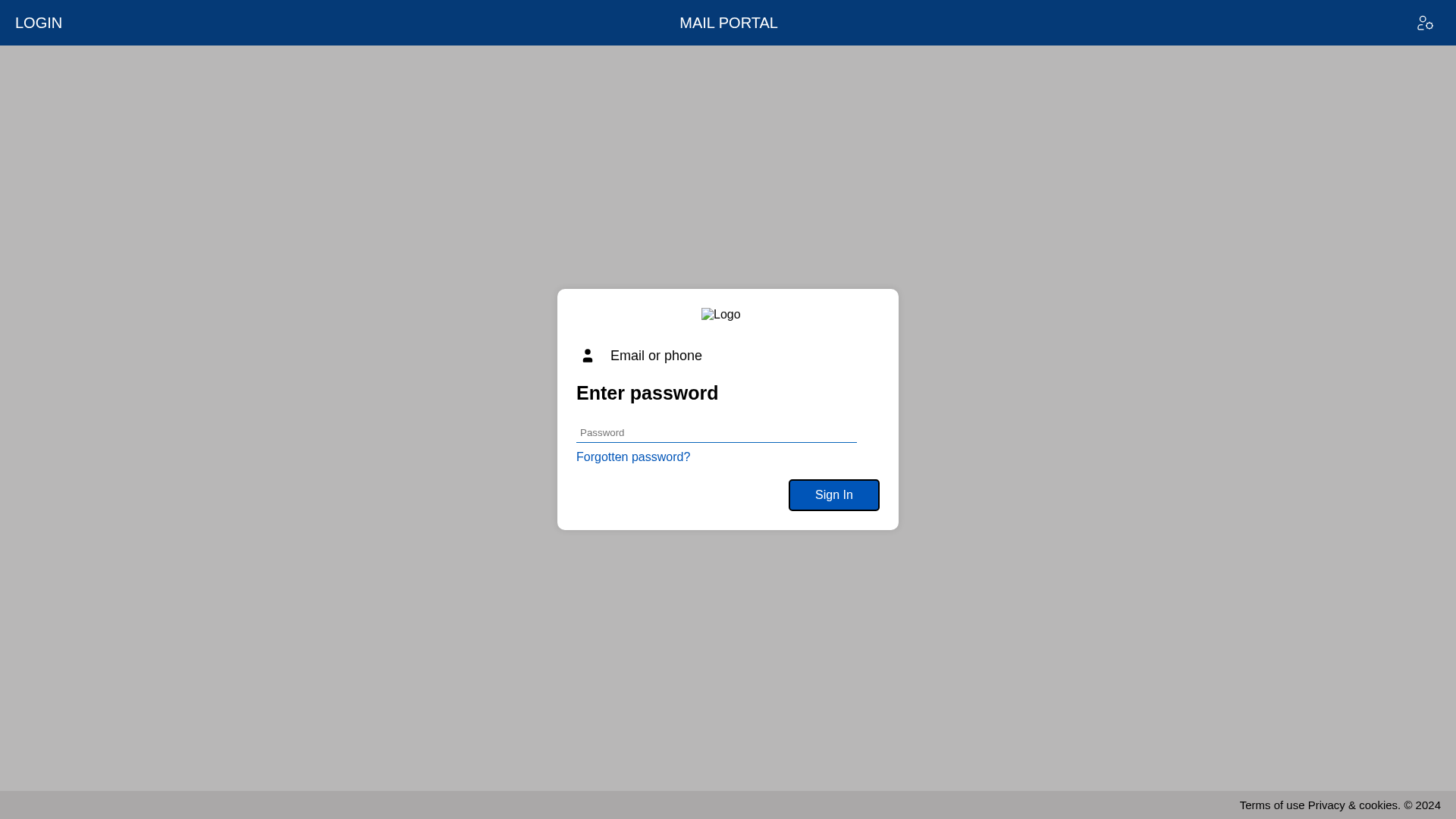
Similar Websites
Pages with identical visual appearance (based on perceptual hash)
No screenshot
Unknown
http://bhabanagarafoundation.org/include/WEBMAIL1.html?mail=...
Feb 21, 2026
No screenshot
Unknown
http://bhabanagarafoundation.org/include/WEBMAIL1.html?mail=...
Feb 20, 2026
No screenshot
Unknown
http://bhabanagarafoundation.org/include/WEBMAIL1.html?email...
Feb 08, 2026
No screenshot
Unknown
http://bhabanagarafoundation.org/include/WEBMAIL1.html?email...
Feb 05, 2026
Unknown
https://bhabanagarafoundation.org/include/WEBMAIL1.html?emai...
Jan 19, 2026

"I Never Thought It Would Happen to Me"
That's what 2.3 million victims say every year. Don't wait to become a statistic.