
Phishing Analysis
Detailed analysis of captured phishing page
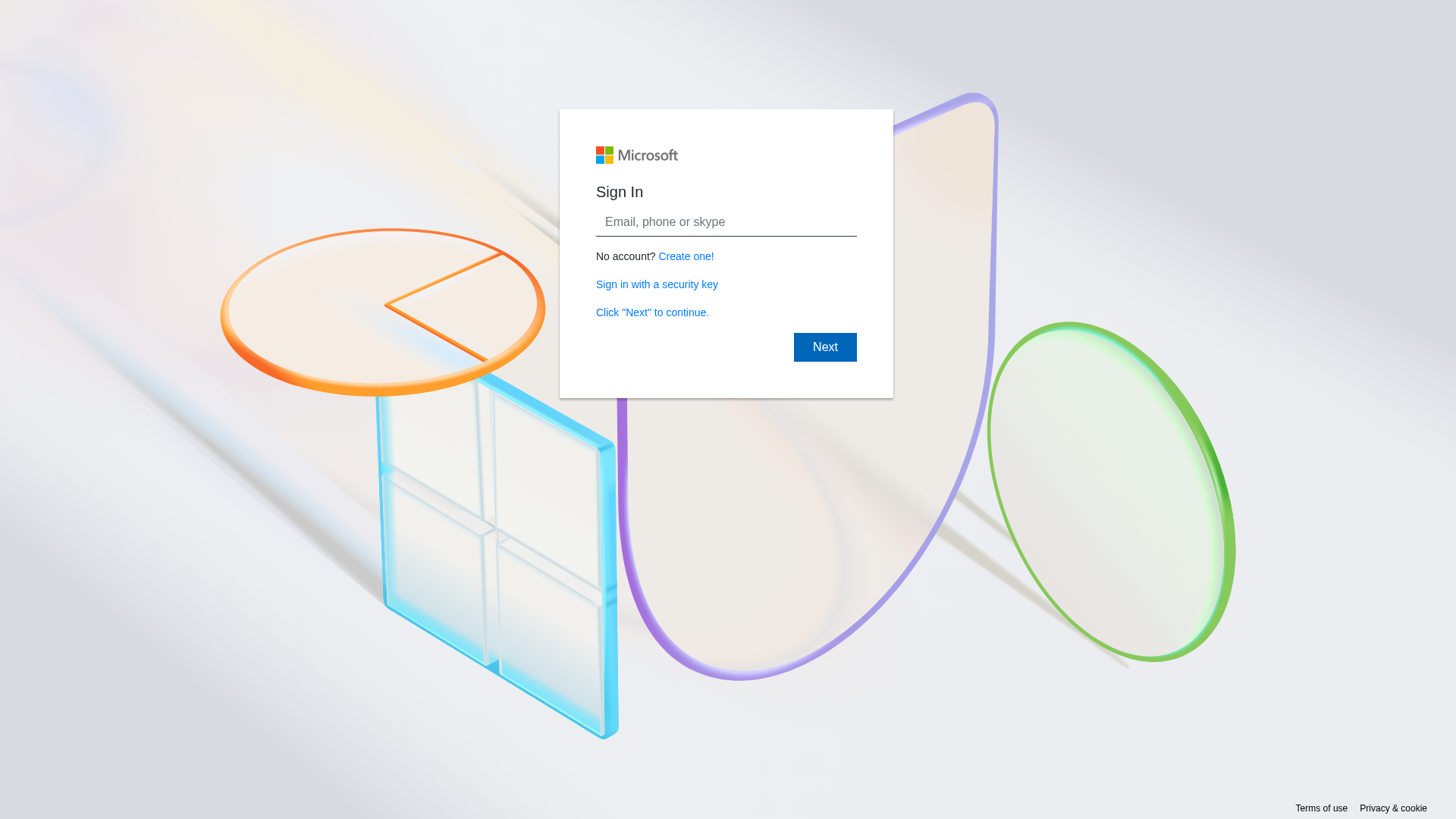
Visual Capture
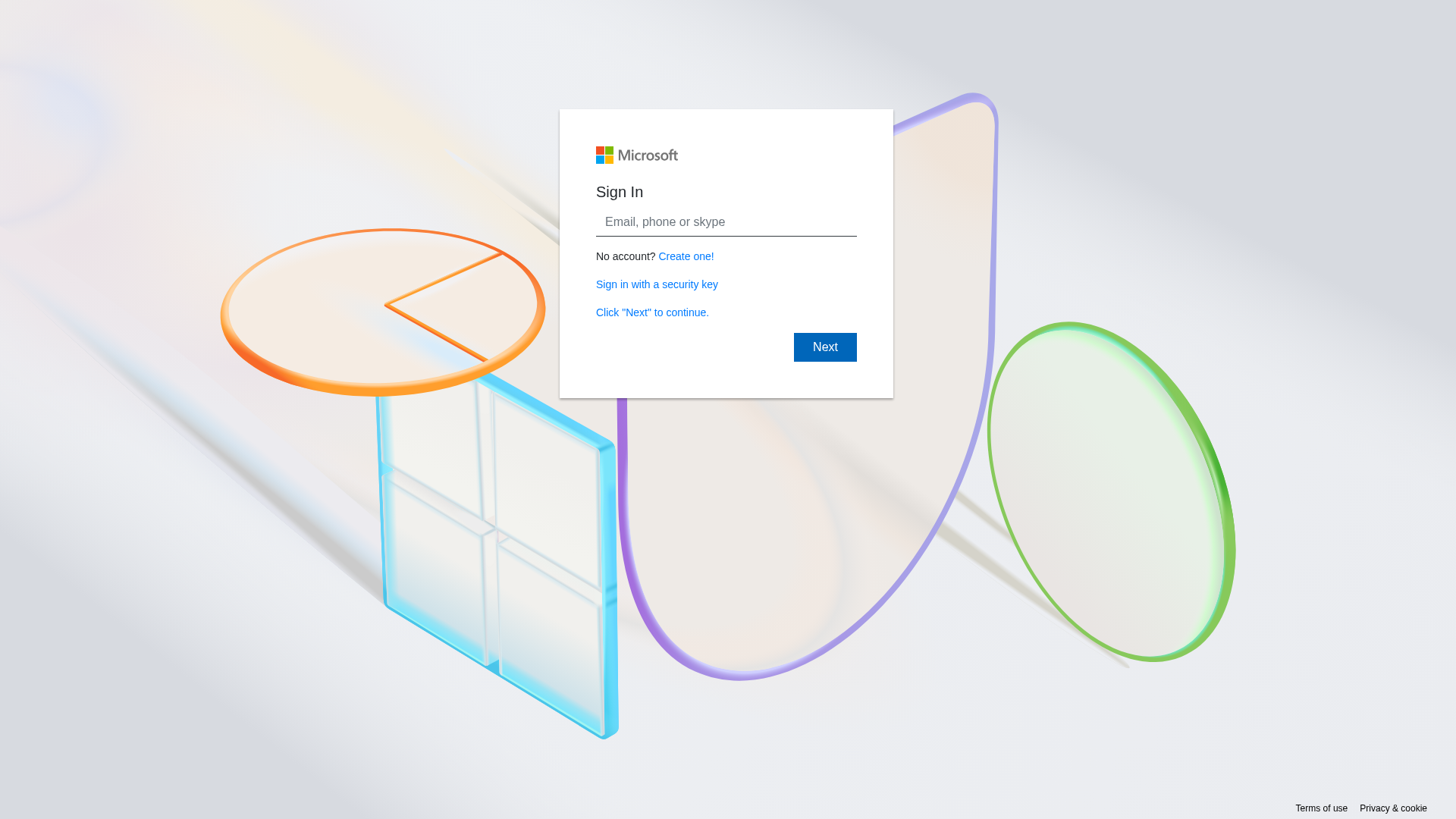
Detection Info
Content Hashes (HTML Similarity)
Used to detect similar phishing pages based on HTML content
| Algorithm | Hash Value |
|---|---|
|
CONTENT
TLSH
|
T11281967160288C276583D6DCF375AF4A77854208CB935F18B6FC536E3BD9D8EE812298 |
|
CONTENT
ssdeep
|
96:nmYgMSbxJReqcRIqoHrhoJp8eT8nXQbqPQIzMcNNJStY:uV8qcyNHrhneInXBpQK/SC |
Visual Hashes (Screenshot Similarity)
Used to detect visually similar phishing pages based on screenshots
| Algorithm | Hash Value |
|---|---|
|
VISUAL
pHash
|
c9dc43622e34d4f3 |
|
VISUAL
aHash
|
f0f8fc9aa9490f3f |
|
VISUAL
dHash
|
e2b0b0365189d970 |
|
VISUAL
wHash
|
f0f8fc98a149053f |
|
VISUAL
colorHash
|
07042008000 |
|
VISUAL
cropResistant
|
e2b0b0365189d970 |
Code Analysis
🔬 Threat Analysis Report
• Threat: Phishing
• Target: Microsoft users
• Method: Impersonation via unrelated domain
• Exfil: Telegram bot tokens detected. Email/password.
• Indicators: Unrelated domain, forms, Microsoft branding.
• Risk: HIGH
🔒 Obfuscation Detected
- atob
- fromCharCode
🔑 Telegram Bot Tokens (1)
- 7244054853:AAGI...LU20S9CU
💬 Telegram Chat IDs (1)
- 6282208567
📊 Risk Score Breakdown
Contributing Factors
🔬 Comprehensive Threat Analysis
⚠️ Indicators of Compromise
- 1 Telegram bot token(s)
- Kit types: Credential Harvester
- 19 obfuscation techniques
🏢 Brand Impersonation Analysis
⚔️ Attack Methodology
Primary Method: Credential Harvesting
The attacker is attempting to steal user credentials by creating a fake Microsoft login page on a different domain. The form on this page will capture the user's email/phone and password, which the attacker can then use to access their Microsoft account.
Secondary Method: Social Engineering
The attacker may use various social engineering techniques to direct users to the fake login page, such as sending phishing emails or messages.
📡 Telegram Command & Control Infrastructure
💬 Message Templates (3)
| ID | Portuguese | English | Trigger |
|---|---|---|---|
🌐 Infrastructure Indicators of Compromise
Domain Information
🔬 JavaScript Deep Analysis
🔐 Obfuscation Detected
- : None
🤖 AI-Extracted Threat Intelligence
Similar Websites
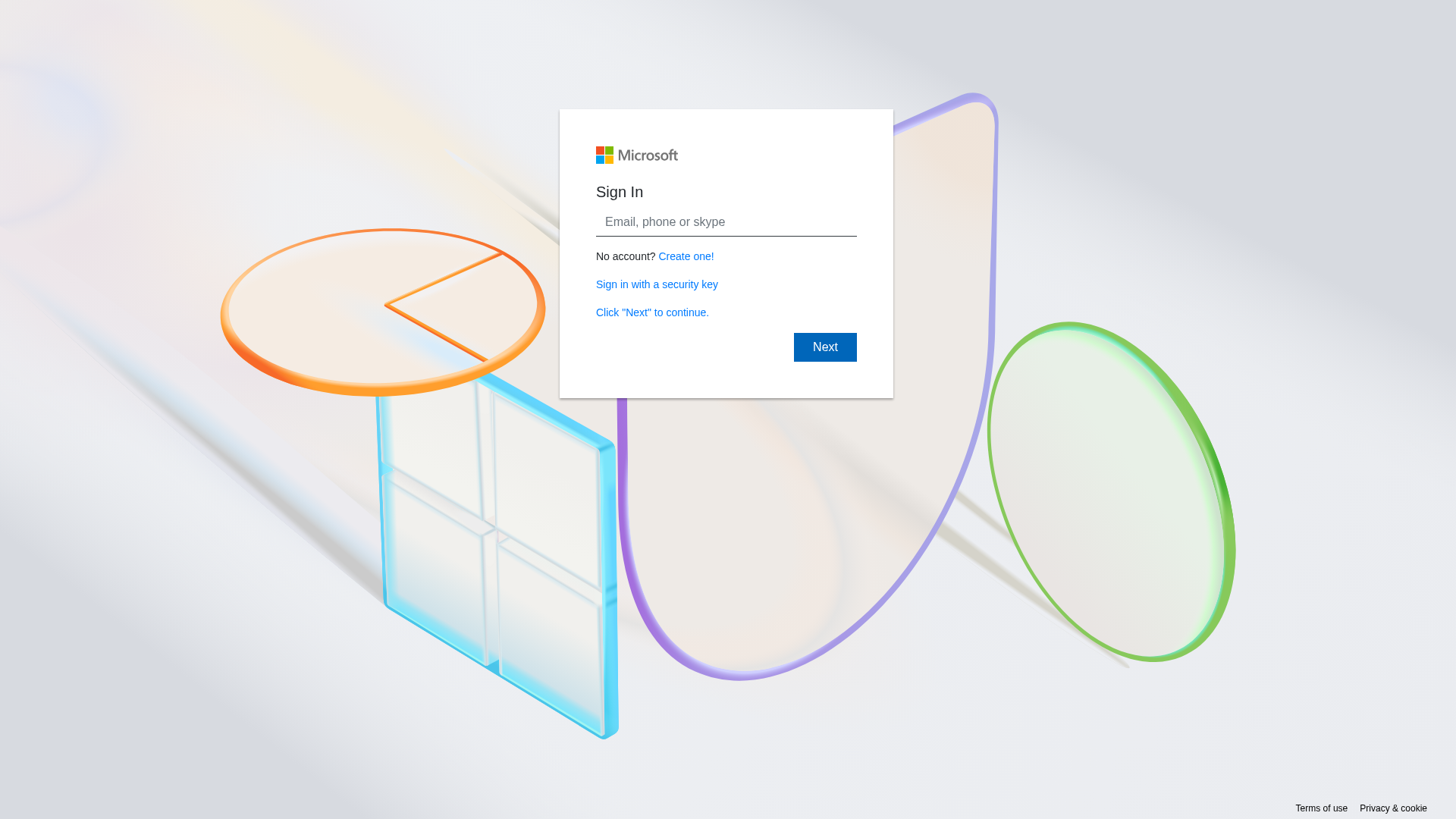
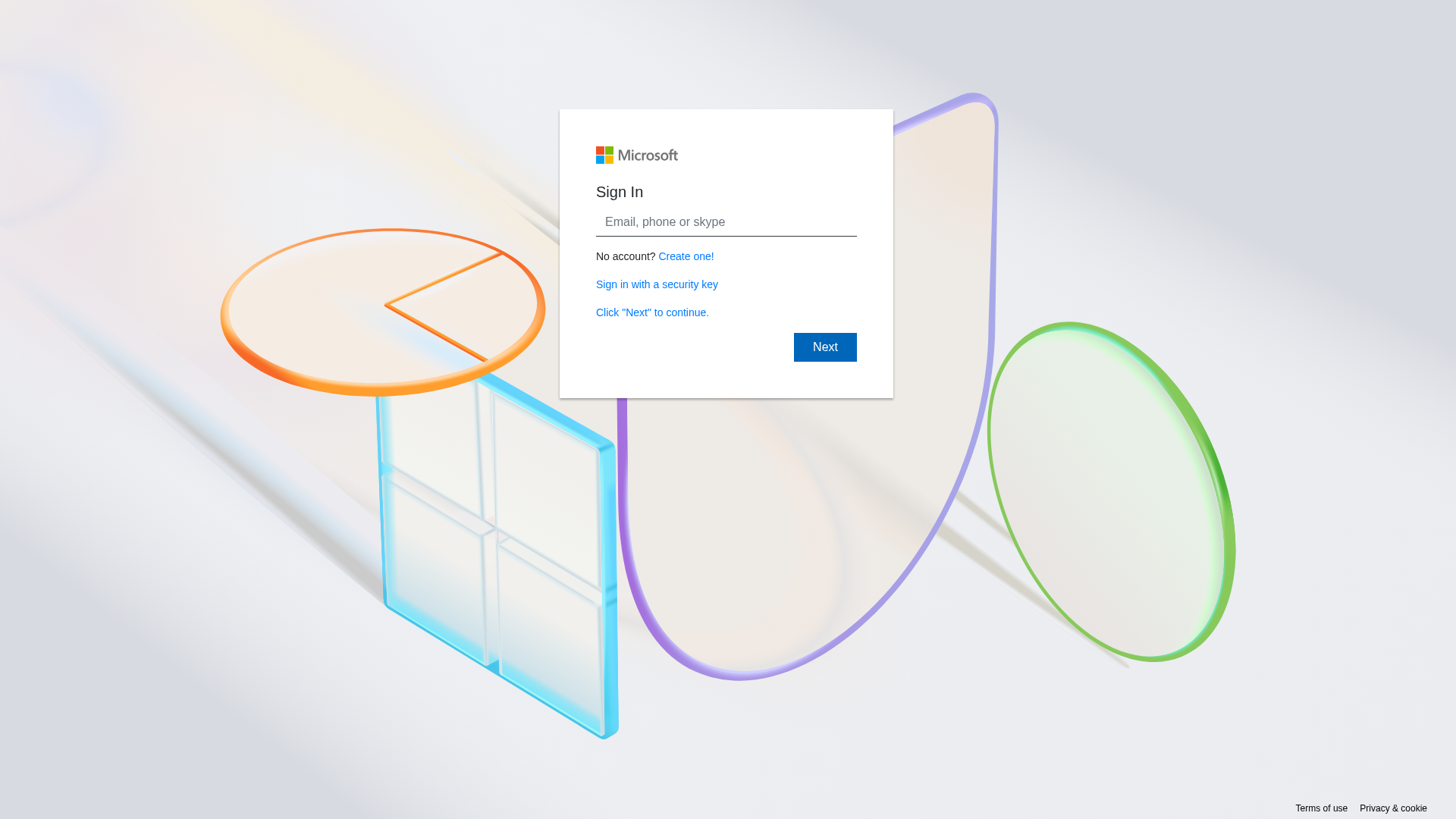
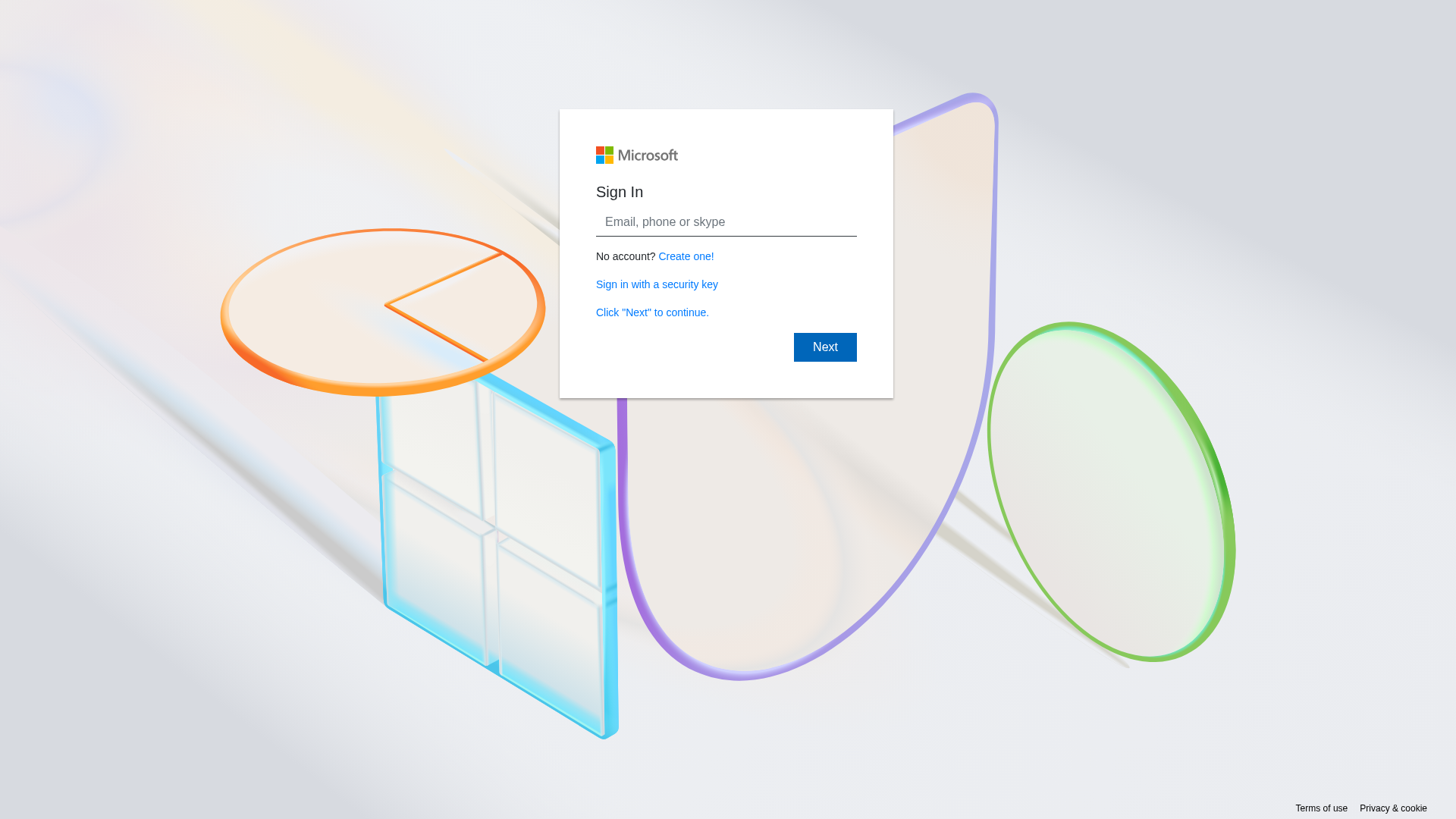
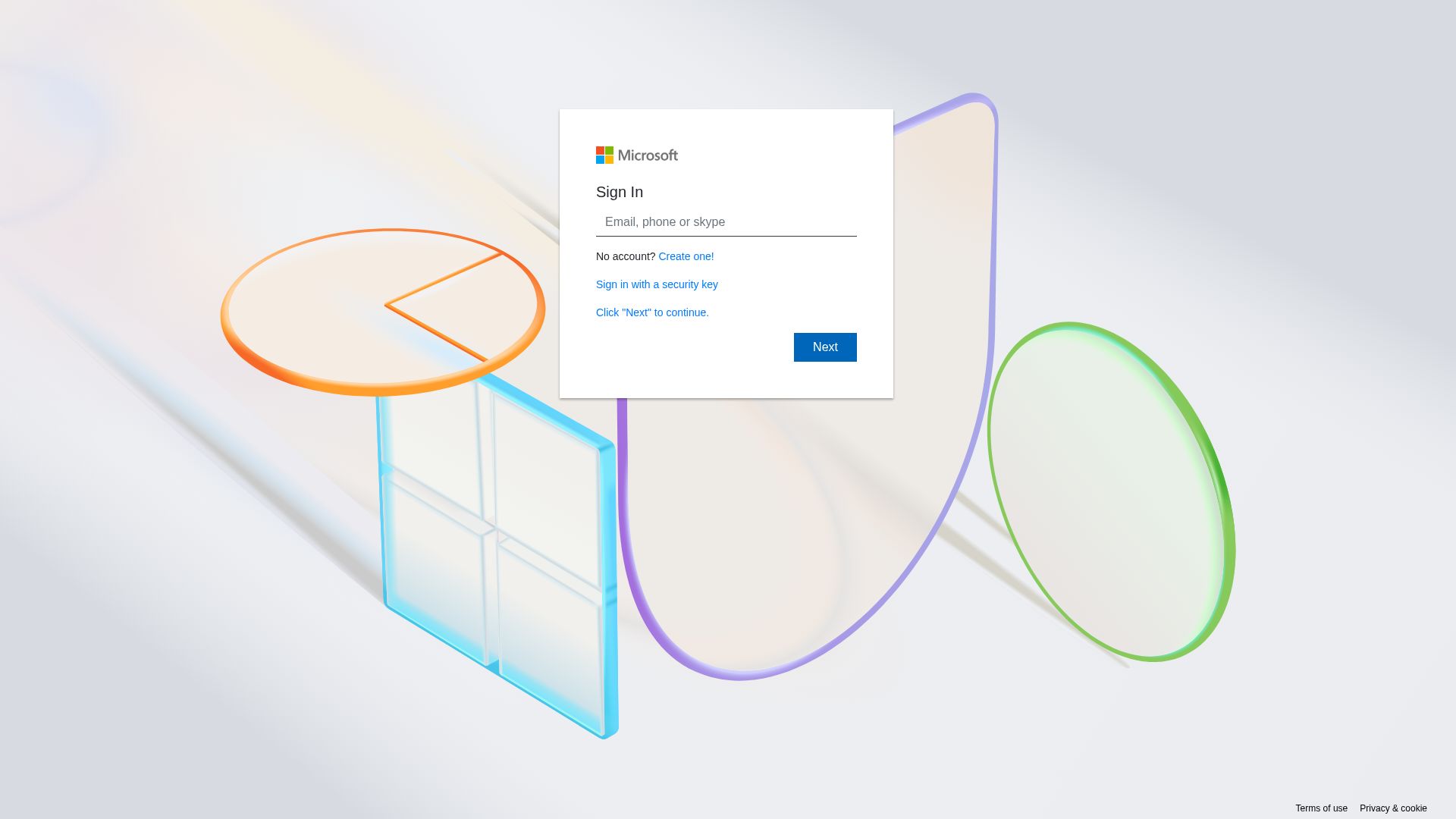
Pages with identical visual appearance (based on perceptual hash)
Scan History for ipfs.io
Found 10 other scans for this domain
-
https://bafybeifucnntp2tzvo2smmgd2nrz2anlih4bapzou...
https://bafybeidainj73npe2kepzldqmuwzes5stwbgtu2pb...
https://bafybeidzv5orafwm4qq7m5wdptagbyyaksssolxhe...
https://bafybeiby3jwvxj44lno5pu2qjn5ezh5mlm4fkoy4q...
https://bafybeiaz6xbudbilnb4a52kkl2ffapf7oim253s7i...
https://bafybeieqilhn5yjrdt2cs46bglcamzimrcgbfuvq3...
https://bafkreidpy5pr2m6yvnk6v7ry7tu5lydi2rkd5reft...
https://bafybeih4lunv4ykv3qnx3n4c2c3d3gl5vlonz34ui...
http://ipfs.io/ipfs/bafybeibo7ht7ythkoucqnhcd4lzr5...
https://bafybeicfvmv4fni2inofzgesr4hc754scsn2zsohf...
