
Phishing Analysis
Detailed analysis of captured phishing page
Visual Capture
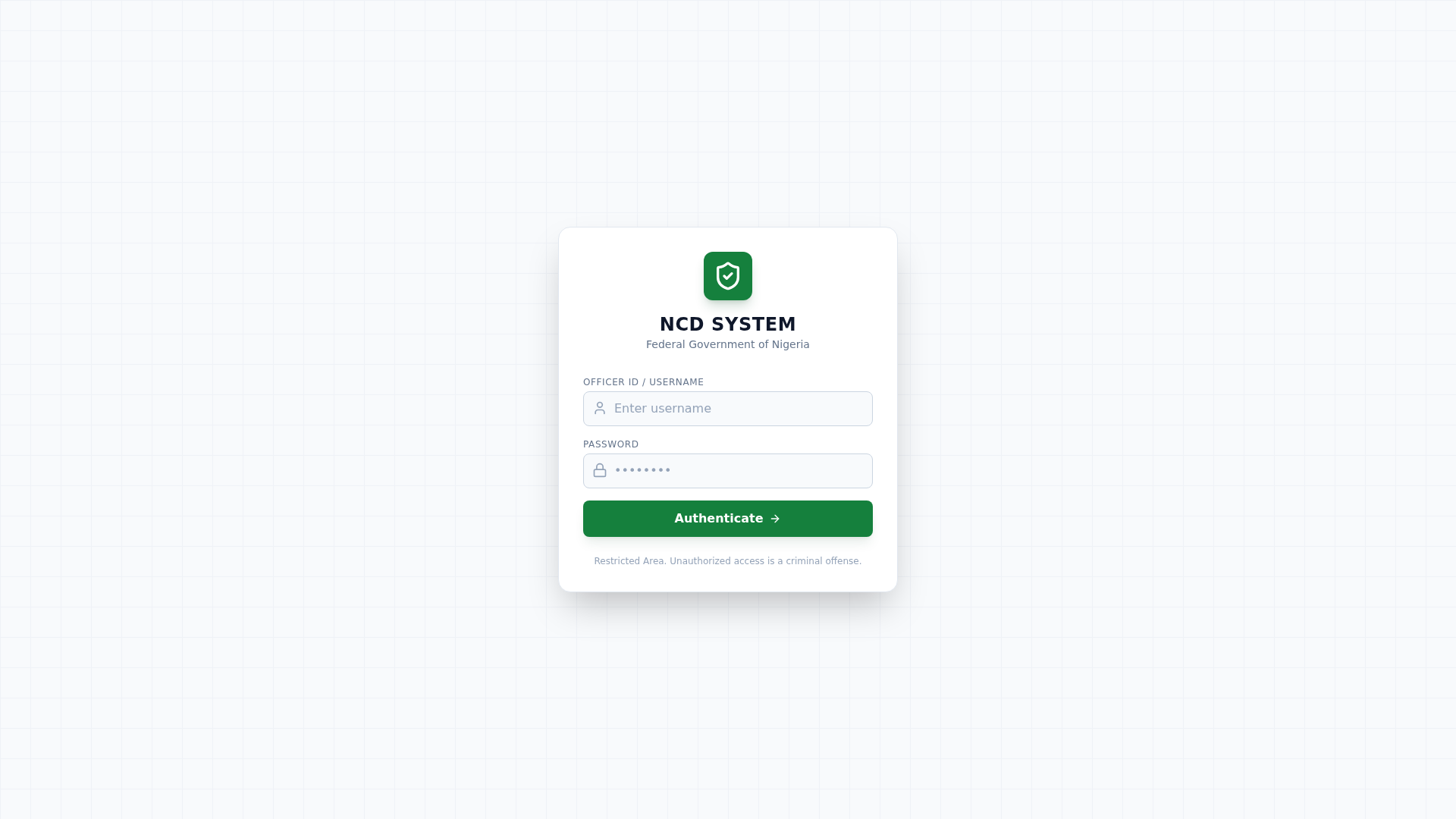
Detection Info
https://ncd.spotechsolutions.com.ng/
Detected Brand
Nigerian Government
Country
Unknown
Confidence
100%
HTTP Status
200
Report ID
edd7f50e-ad0…
Analyzed
2026-08-08 11:36
Content Hashes (HTML Similarity)
Used to detect similar phishing pages based on HTML content
| Algorithm | Hash Value |
|---|---|
|
CONTENT
TLSH
|
T1B6813D30A1180E3DA483C7A4F7B07778525AC380EB1F552CE5E992B96E42C68DD6F2D8 |
|
CONTENT
ssdeep
|
96:Temn/7huUOMxK55FxwdOGw/w6OByqcOzEcf:dnMUO/IOGwXO/cOJ |
Visual Hashes (Screenshot Similarity)
Used to detect visually similar phishing pages based on screenshots
| Algorithm | Hash Value |
|---|---|
|
VISUAL
pHash
|
b38dcc3299996666 |
|
VISUAL
aHash
|
ffffe7efe7e7ffff |
|
VISUAL
dHash
|
08102a2a4d4d3008 |
|
VISUAL
wHash
|
00ff01c3c301e7ff |
|
VISUAL
colorHash
|
07000000e00 |
|
VISUAL
cropResistant
|
08102a2a4d4d3008 |
Code Analysis
Risk Score
76/100
Threat Level
ALTO
⚠️ Phishing Confirmed
🎣 Credential Harvester
🎣 OTP Stealer
🎣 Personal Info
🔐 Credential Harvesting Forms
🔒 Obfuscation Detected
- fromCharCode
- unicode_escape
📤 Form Action Targets
- index.php
📊 Risk Score Breakdown
Total Risk Score
100/100
Contributing Factors
Active Phishing Kit
Detected kit types: Credential Harvester, OTP Stealer, Personal Info
Credential Harvesting
Credential harvesting detected with 1 form(s) capturing sensitive data
Code Obfuscation
JavaScript code obfuscated using 6 technique(s) to evade detection
🔬 Comprehensive Threat Analysis
Threat Type
Two-Factor Authentication Stealer
Target
Nigerian Government users
Attack Method
credential harvesting forms + obfuscated JavaScript
Exfiltration Channel
HTTP POST to backend
Risk Assessment
HIGH - Automated credential harvesting with HTTP POST to backend
⚠️ Indicators of Compromise
- Kit types: Credential Harvester, OTP Stealer, Personal Info
- 6 obfuscation techniques
🏢 Brand Impersonation Analysis
Impersonated Brand
Nigerian Government
Official Website
N/A
Fake Service
Credential harvesting service
⚔️ Attack Methodology
Primary Method: Credential Harvesting
Victim enters username and password into fake login form. Credentials are captured via JavaScript and exfiltrated to attacker's server in real-time.
Secondary Method: JavaScript Obfuscation
Malicious code is obfuscated using 6 techniques to evade detection by security scanners and make reverse engineering more difficult.
🌐 Infrastructure Indicators of Compromise
Domain Information
Domain
ncd.spotechsolutions.com.ng
Registered
2025-05-02 16:44:23+00:00
Registrar
Leads Globe
Status
Active (older domain)
Hosting Information
Provider
Leads Globe
ASN
🤖 AI-Extracted Threat Intelligence

"I Never Thought It Would Happen to Me"
That's what 2.3 million victims say every year. Don't wait to become a statistic.