
Phishing Analysis
Detailed analysis of captured phishing page
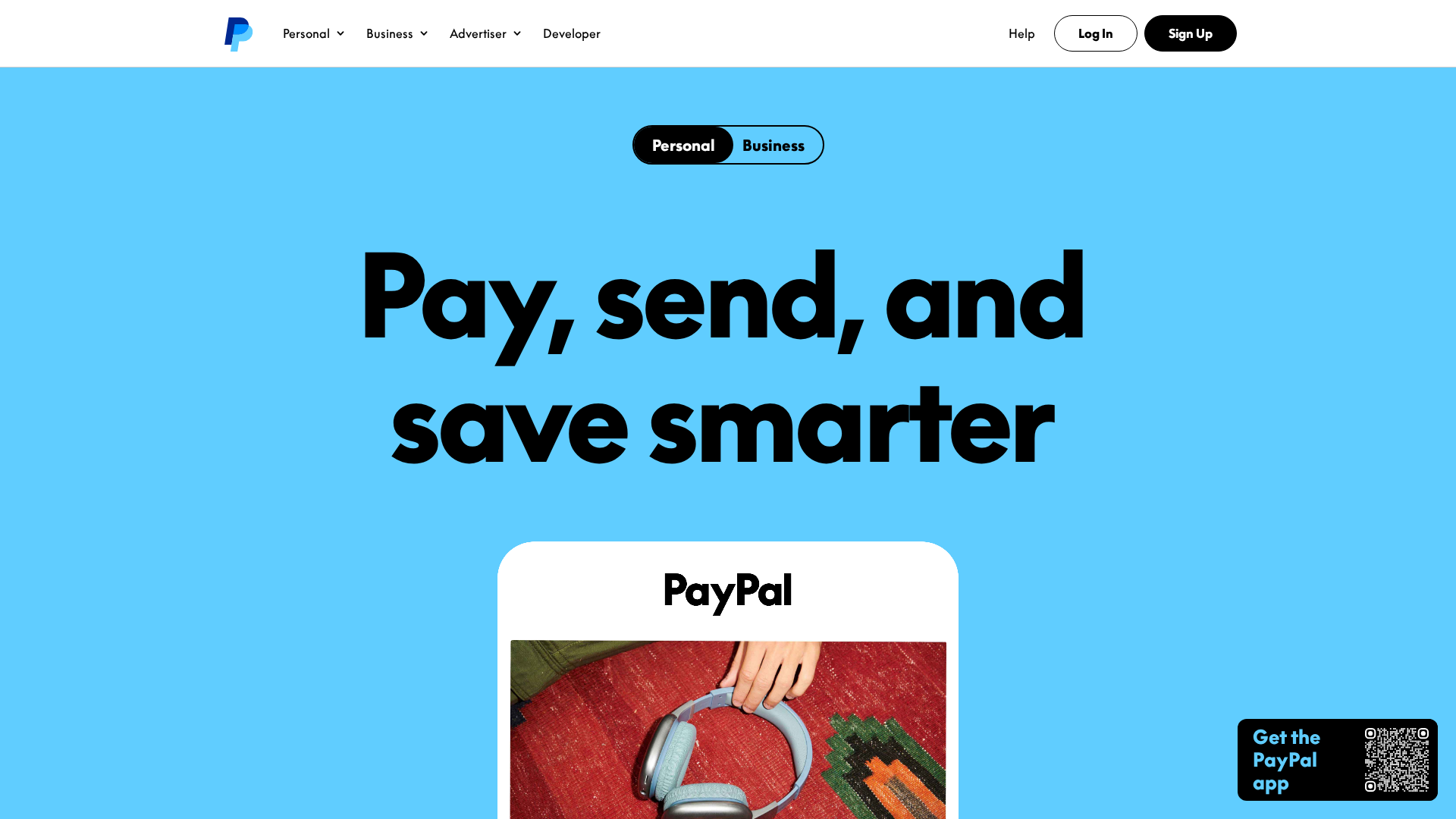
Visual Capture
Detection Info
https://rebrand.ly/ux86de6
Detected Brand
PayPal
Country
International
Confidence
100%
HTTP Status
200
Report ID
faa0d1dd-d58…
Analyzed
2026-02-10 00:37
Final URL (after redirects)
https://www.paypal.com/us/home
Content Hashes (HTML Similarity)
Used to detect similar phishing pages based on HTML content
| Algorithm | Hash Value |
|---|---|
|
CONTENT
TLSH
|
T1FD44C2785918AC2E0641848DE1CF3798B15FC24A8B0247ABB36B2D7F87E14B7757C663 |
|
CONTENT
ssdeep
|
1536:r3OOtc2B1U1g14yHJ4BHp2c3or502X2y2/HiHplFXWXHiuH31VxUgoC1wIUF:r3BOAGVup8c |
Visual Hashes (Screenshot Similarity)
Used to detect visually similar phishing pages based on screenshots
| Algorithm | Hash Value |
|---|---|
|
VISUAL
pHash
|
f08ad28b74a9de70 |
|
VISUAL
aHash
|
ffe7c3c3c3ffc2c0 |
|
VISUAL
dHash
|
59482a9696695c54 |
|
VISUAL
wHash
|
ff204343c3ffc0c0 |
|
VISUAL
colorHash
|
01007000000 |
|
VISUAL
cropResistant
|
59482a9696695c54,69e48d6b8b8ad232,0555a9a93763b9ac,44946c69b2967175,12326226995bc9c9,d9999ae56515d5d5,3979f8a8ade9a3b1,33ccac4cce9c8c63 |
Code Analysis
Risk Score
85/100
Threat Level
ALTO
⚠️ Phishing Confirmed
🎣 Credential Harvester
🎣 OTP Stealer
🎣 Card Stealer
🎣 Banking
🎣 Personal Info
🔬 Threat Analysis Report
• Threat: Phishing
• Target: PayPal users
• Method: URL redirection and social engineering
• Exfil: JavaScript obfuscation may indicate data exfiltration.  The final URL after the redirect is unknown, so the location is also unknown.
• Indicators: URL shortener, impersonation, javascript obfuscation, javascript form submission.
• Risk: HIGH
🔒 Obfuscation Detected
- atob
- eval
- fromCharCode
- unescape
- document.write
- unicode_escape
- js_packer
- base64_strings
🎯 Kit Endpoints
- /us/digital-wallet/send-receive-money/send-money?locale.x=en_US
- https://www.paypal.com/us/digital-wallet/send-receive-money/pool-money
- https://www.paypalobjects.com/ppcmsnodeweb/pp-com-components/PricingCardTableRebrand-e59d1e27.js
- https://www.paypalobjects.com/ppcmsnodeweb/pp-com-components/NavBanner-0e476819.js
- https://www.msmaster.qa.paypal.com/contentmanager
- https://www.paypalobjects.com/pa/3pjs/tl/6.4.157/patlcfg.js
- https://www.paypalobjects.com/pa/3pjs/glassbox/detector-dom.min.js
- https://adobe.ly/3sHgQHb
- https://www.paypalobjects.com/ppcmsnodeweb/pp-com-components/ScrollStickyButton-96dc9211.js
- https://www.paypalobjects.com/globalnav/js/main-BptD1Wyh.js
- https://www.youtube-nocookie.com/embed/${e}?autoplay=1&rel=0&autohide=2&border=0&wmode=opaque&showinfo=0&hd=1&playsinline=1&enablejsapi=1`,Ib=new
- https://www.paypalobjects.com/ppcmsnodeweb/pp-com-components/TabControllerGridItem-852a7038.js
- https://www.paypalobjects.com/ppcmsnodeweb/pp-com-components/OfferCardType-b73c43dd.js
- https://www.paypalobjects.com/ppcmsnodeweb/pp-com-components/TextHeaderInner-f693b97a-e1cf33fc.js
- https://www.paypalobjects.com/ppcmsnodeweb/pp-com-components/SplitGraphicSectionType-d7cd9e7a.js
- https://www.paypalobjects.com/ppcmsnodeweb/pp-com-components/SubNav-a0064f0b.js
- /us/digital-wallet/send-receive-money?locale.x=en_US
- https://www.paypalobjects.com/ppcmsnodeweb/pp-com-components/index-8ae288e1-584fb91f.js
- https://www.paypalobjects.com/ppcmsnodeweb/pp-com-components/AppDownloadGroup-811742a7.js
- /us/digital-wallet/send-receive-money/request-money?locale.x=en_US
- https://www.datadoghq-browser-agent.com
- https://www.paypalobjects.com/helpcenter/smartchat/sales/v1/open-chat.js
- https://ddbm2.paypal.com/js/
- https://www.paypalobjects.com/ppcmsnodeweb/pp-com-components/PpReactCurrencyInput-35f9b855-92d02e2b.js
- https://www.paypalobjects.com/ppcmsnodeweb/pp-com-components/TabControllerGridItem-7ffc6555-e845d5af.js
- https://www.paypal.com/us/digital-wallet/send-receive-money/send-money
- https://www.paypalobjects.com/ppcmsnodeweb/pp-com-components/Spacer-6ff81921.js
- /us/digital-wallet/send-receive-money/pool-money?locale.x=en_US
- https://www.paypalobjects.com/pa/3pjs/tl/6.4.65/patleaf.js
- http://a
- https://www.paypalobjects.com/ppcmsnodeweb/pp-com-components/useStickyElementHeight-0dbaade3-a1416799.js
- https://ns.adobe.com/personalization/redirect-item
- https://www.paypalobjects.com/ppcmsnodeweb/pp-com-components/FeatureColumnType-033e0a90.js
- /us/digital-wallet/send-receive-money/start-selling?locale.x=en_US
- https://www.paypalobjects.com/ppcmsnodeweb/pp-com-components/CurrencyListSection-0eebced6.js
- http://test/path
- https://www.paypalobjects.com/ppcmsnodeweb/pp-com-components/BrandSplashSection-6310d414.js
- /us/digital-wallet/send-receive-money/giving?locale.x=en_US
- https://www.paypal.com/us/digital-wallet/send-receive-money/request-money
📡 API Calls Detected
- POST
- post
- GET
- get
📊 Risk Score Breakdown
Total Risk Score
90/100
Contributing Factors
Active Phishing Kit
URL Shortener combined with impersonation of a well-known brand and Javascript obfuscation indicate the presence of an active phishing campaign.
Impersonation
The page mimics the design of a legitimate PayPal page, increasing the chances of users falling victim to the phishing scam.
Suspicious Code
Javascript obfuscation and the presence of javascript form submissions.
🔬 Comprehensive Threat Analysis
Threat Type
Banking Credential Harvester
Target
PayPal users (International)
Attack Method
Brand impersonation + obfuscated JavaScript
Exfiltration Channel
Form submission (backend endpoint not detected - likely JavaScript-based)
Risk Assessment
CRITICAL - Automated credential harvesting with Form submission (backend endpoint not detected - likely JavaScript-based)
⚠️ Indicators of Compromise
- Kit types: Credential Harvester, OTP Stealer, Card Stealer, Banking, Personal Info
- 730 obfuscation techniques
🏢 Brand Impersonation Analysis
Impersonated Brand
PayPal
Official Website
paypal.com
Fake Service
PayPal website
⚔️ Attack Methodology
Primary Method: Credential Harvesting
The attacker aims to steal user credentials by redirecting them to a fake login page that mimics PayPal's legitimate site. Javascript obfuscation and form submission detection suggest the use of javascript to harvest and send the user's data to a malicious server.
Secondary Method: Redirection
The use of rebrand.ly is a method of hiding the malicious destination. The redirect is a form of social engineering.
🌐 Infrastructure Indicators of Compromise
🦠 Malicious Files
Main File
mktconf.js
File Size
🔬 JavaScript Deep Analysis
Operator Language
English (1%)
Sophistication Level
Basic
Total Code Size
1.8 MB
🔗 API Endpoints Detected
Other
175
🔐 Obfuscation Detected
- : Moderate
- : Light
- : Moderate
- : Heavy
- : Light
- : None
- : Light
- : None
- : None
- : Light
- : None
- : Light
🤖 AI-Extracted Threat Intelligence
🎯 Malicious Files Identified
Main Drainer
mktconf.jsFile Size
1843KB
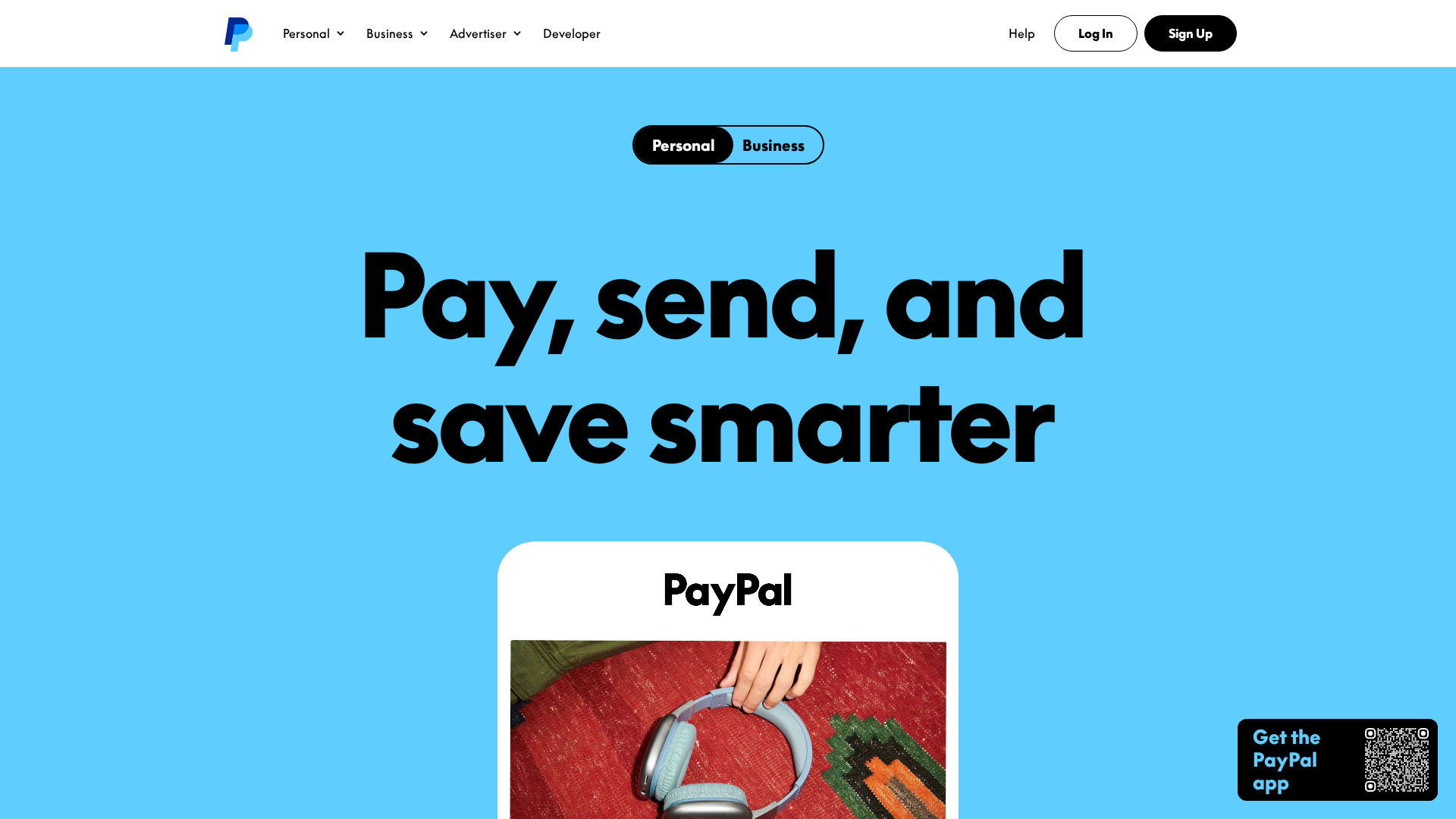
Similar Websites
Pages with identical visual appearance (based on perceptual hash)
Scan History for rebrand.ly
Found 10 other scans for this domain
-
https://rebrand.ly/0a2h7q8
https://rebrand.ly/nl-nl-nl
https://rebrand.ly/j8kbuzg
https://||rebrand.ly/kg0at8b^$all/
https://||rebrand.ly/a3cc0b^$all/
https://||rebrand.ly/danaa-lndonesia^$all/
https://rebrand.ly/Danaa-lndonesia
https://||rebrand.ly/mysticals^$all/
https://||rebrand.ly/corroesexpreses^$all/
https://||rebrand.ly/p6cz0a9^$all/

"I Never Thought It Would Happen to Me"
That's what 2.3 million victims say every year. Don't wait to become a statistic.