
Phishing Analysis
Detailed analysis of captured phishing page
Captura Visual
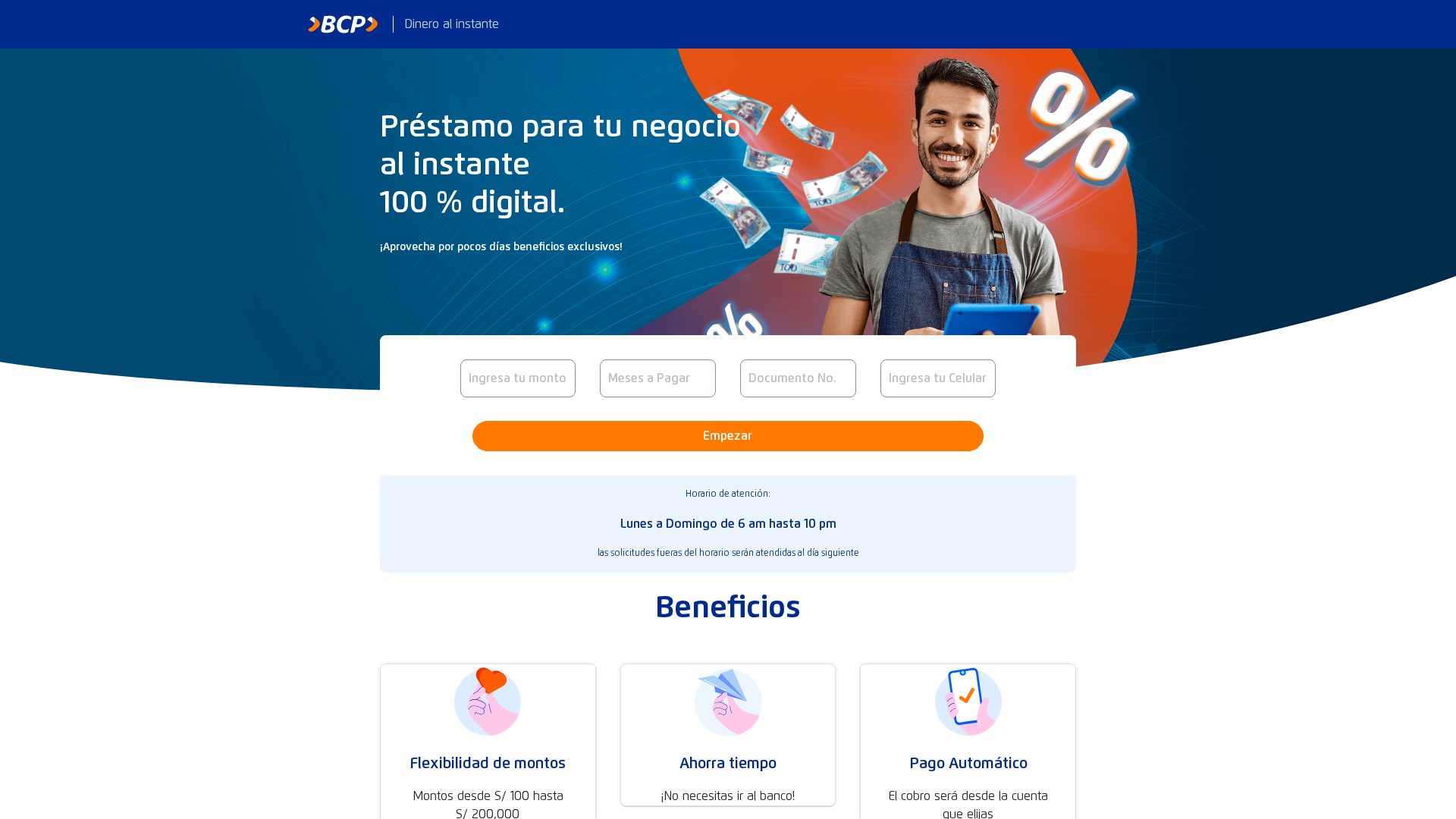
Información de Detección
https://www.atencioncliente-creciendoemprendedor.24horas-g.com/
Detected Brand
BCP
Country
International
Confianza
100%
HTTP Status
200
Report ID
0163bec3-96b…
Analyzed
2026-02-10 12:19
Hashes de Contenido (Similitud HTML)
Used to detect similar phishing pages based on HTML content
| Algorithm | Hash Value |
|---|---|
|
CONTENT
TLSH
|
T144D3C7F2508066B782C793D9E73AB778F3D3404BDE690A55D2E1529AA5C2FE2CDC1B04 |
|
CONTENT
ssdeep
|
1536:e38W4R3T6EpEq3TRhEsOxwFVIXrcHvkIg:S8d6abkd |
Hashes Visuales (Similitud de Captura)
Used to detect visually similar phishing pages based on screenshots
| Algorithm | Hash Value |
|---|---|
|
VISUAL
pHash
|
921a51f5ad2b6971 |
|
VISUAL
aHash
|
0000003fffffffff |
|
VISUAL
dHash
|
d47cf9710c8f0e16 |
|
VISUAL
wHash
|
00000001efffffff |
|
VISUAL
colorHash
|
06000000180 |
|
VISUAL
cropResistant
|
7c5c71670e0f0e16,6368b5b26c66b9d9,d9f87c5c787cf16b |
Análisis de Código
Risk Score
100/100
Nivel de Amenaza
ALTO
⚠️ Phishing Confirmed
🎣 Credential Harvester
🎣 OTP Stealer
🎣 Banking
🎣 Personal Info
🔬 Threat Analysis Report
• Amenaza: Phishing
• Objetivo: Clientes de BCP
• Método: Suplantación de identidad mediante sitio web similar
• Exfil: Desconocido, probablemente robo de credenciales
• Indicadores: Coincidencia de dominio, dominio reciente, javascript ofuscado, campos de formulario
• Riesgo: Alto
🔒 Obfuscation Detected
- atob
- eval
- fromCharCode
- unescape
- unicode_escape
- base64_strings
🎯 Kit Endpoints
- https://rpp.pe/tecnologia/google
- https://rpp.pe/peru/piura
- https://rpp.pe/videojuegos/playstation
- ${e.logo}
- https://rpp.pe/peru/huanuco
- https://rpp.pe/mundo/medio-oriente
- https://rpp.pe/audio/
- https://www.googletagmanager.com/gtm.js?id=
- https://rpp.pe/mundo/argentina
- https://newsletter.rpp.pe/catalogo
- ${e.data.team_1.logo_image}
- https://securepubads.g.doubleclick.net/tag/js/gpt.js
- https://rpp.pe/tecnologia/innovaciones
- https://rpp.pe/calculadora-igv-peru-2025
- https://rpp.pe/peru/lambayeque
- https://rpp.pe/tecnologia/redes-sociales
- https://a#\u0431
- https://rpp.pe/videos
- https://rpp.pe/politica/congreso
- https://rpp.pe/mundo/mexico
- ${e.data.team_2.logo_image}
- https://f.rpp-noticias.io/2025/12/10/175517_1820081.jpg?imgdimension=look
- https://rpp.pe/peru/ayacucho
- https://rpp.pe/tecnologia/apps
- https://rpp.pe/noticias/prestamos/page-[n]
- https://f.rpp-noticias.io/2020/06/05/rpp-feed_952838.png
- https://www.instagram.com/rppnoticias/
- https://rpp.pe/tecnologia/mas-tecnologia
- https://www.youtube.com/@RPPNoticias
- https://rpp.pe/principios-eticos/#politica-etica
- https://rpp.pe/peru/ucayali
- https://rpp.pe/tecnologia/twitter
- https://rpp.pe/lima/accidentes
- https://opzz0lreh2.execute-api.us-east-1.amazonaws.com/prod/audioplayer/granresumen
- https://rpp.pe/campanas/publirreportaje/si-tengo-s-25-mil-soles-guardados-en-que-puedo-invertirlos-para-multiplicar-mi-capital-noticia-1668178
- https://rpp.pe/tecno
- https://rpp.pe/tecnologia/facebook
- https://player.cdn.mdstrm.com/lightning_player/v0.1.8/api.js
- https://rpp.pe/tecnologia
- ${this.data.brandingLogo}
- https://f.rpp-noticias.io/2025/12/10/184318_1820076.jpg?imgdimension=look
- https://rpp.pe/tecnologia/whatsapp
- https://rpp.pe/tecnologia/moviles
- https://rpp.pe/campanas/contenido-patrocinado/prestamo-para-pagar-deudas-liberate-de-preocupaciones-con-s-50-mil-noticia-1657271
- https://rpp.pe/ciencia/biologia
- https://api.whatsapp.com/send?p&text=Últimas noticias de préstamos hoy Martes 10 febrero | Rpp Noticias https://rpp.pe/noticias/prestamos
- https://rpp.pe/tecnologia/gadgets
- https://rpp.pe/tecnologia/pc
📡 API Calls Detected
- https://opzz0lreh2.execute-api.us-east-1.amazonaws.com/prod/audioplayer/granresumen
- POST
- two.php
- https://eparticipa.radio-grpp.io/listening/live/onair_
📊 Desglose de Puntuación de Riesgo
Total Risk Score
90/100
Contributing Factors
Domain Mismatch
The domain is not a legitimate BCP domain.
Recent Domain
Domain created recently, a common phishing tactic.
Obfuscated Javascript
JavaScript obfuscation detected which increases the risk of malicious activity
Forms Present
Forms present designed to collect sensitive user data.
🔬 Análisis Integral de Amenazas
Tipo de Amenaza
Banking Credential Harvester
Objetivo
BCP users (International)
Método de Ataque
Brand impersonation + credential harvesting forms + obfuscated JavaScript
Canal de Exfiltración
Form submission (backend endpoint not detected - likely JavaScript-based)
Evaluación de Riesgo
CRITICAL - Automated credential harvesting with Form submission (backend endpoint not detected - likely JavaScript-based)
⚠️ Indicators of Compromise
- Kit types: Credential Harvester, OTP Stealer, Banking, Personal Info
- 34 obfuscation techniques
🏢 Análisis de Suplantación de Marca
Impersonated Brand
BCP
Official Website
Unknown
Fake Service
Instant Loan
Fraudulent Claims
⚔️ Metodología de Ataque
Primary Method: Credential Harvesting
The attacker aims to steal user credentials by creating a fake BCP login page to trick users into entering their information.
Secondary Method: JavaScript Obfuscation
The use of obfuscated javascript allows the attackers to hide malicious behaviour such as keyloggers and other harmful code. This makes detection difficult.
🌐 Indicadores de Compromiso de Infraestructura
🦠 Malicious Files
Main File
node.js
File Size
🔬 JavaScript Deep Analysis
Operator Language
English (1%)
Total Code Size
404,3 KB
🔗 API Endpoints Detected
Other
373
🔐 Obfuscation Detected
- : Light
- : Light
- : Moderate
- : Light
🤖 AI-Extracted Threat Intelligence
🎯 Malicious Files Identified
Main Drainer
node.jsFile Size
404KB
Similar Websites
Pages with identical visual appearance (based on perceptual hash)
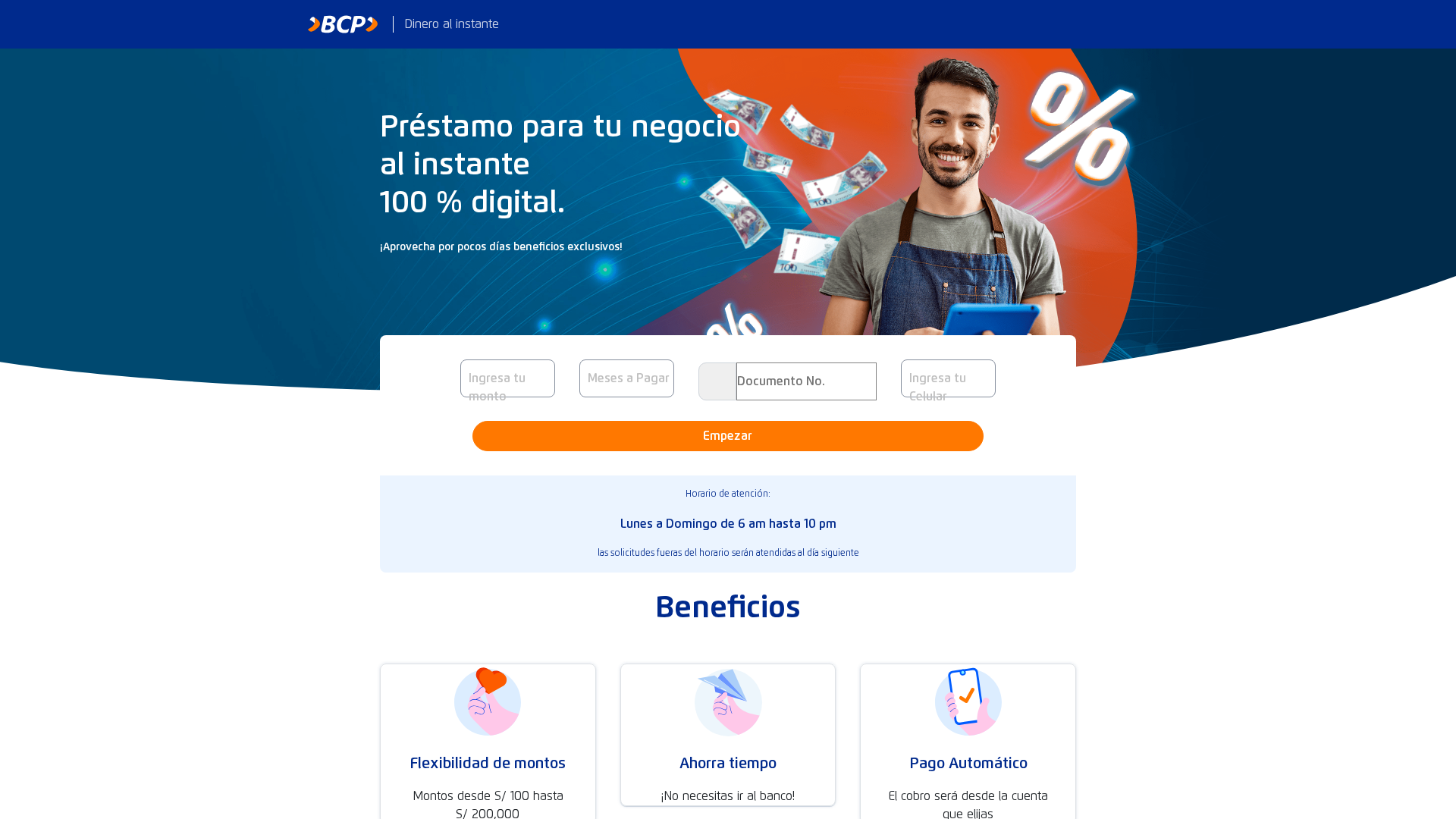
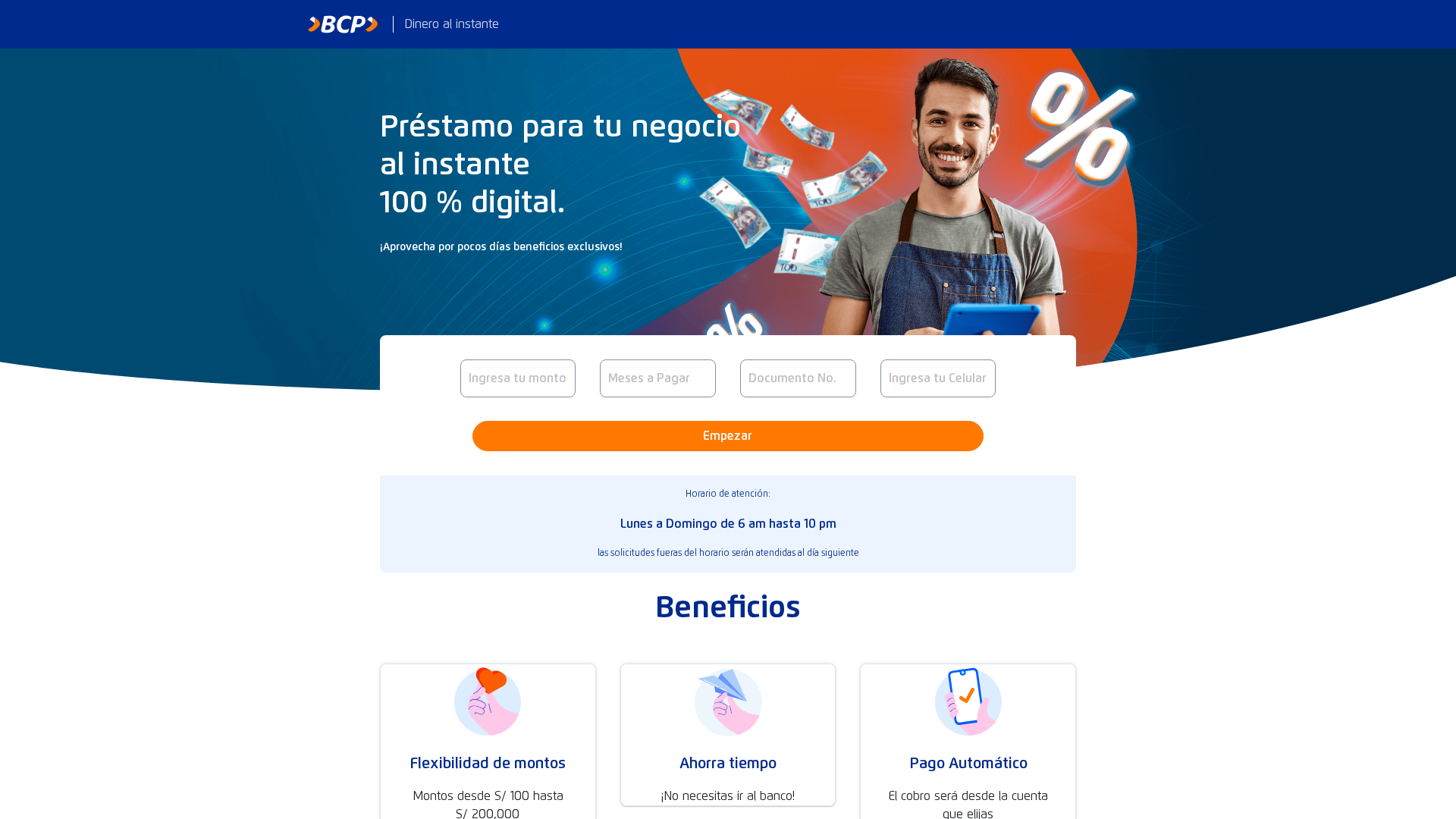
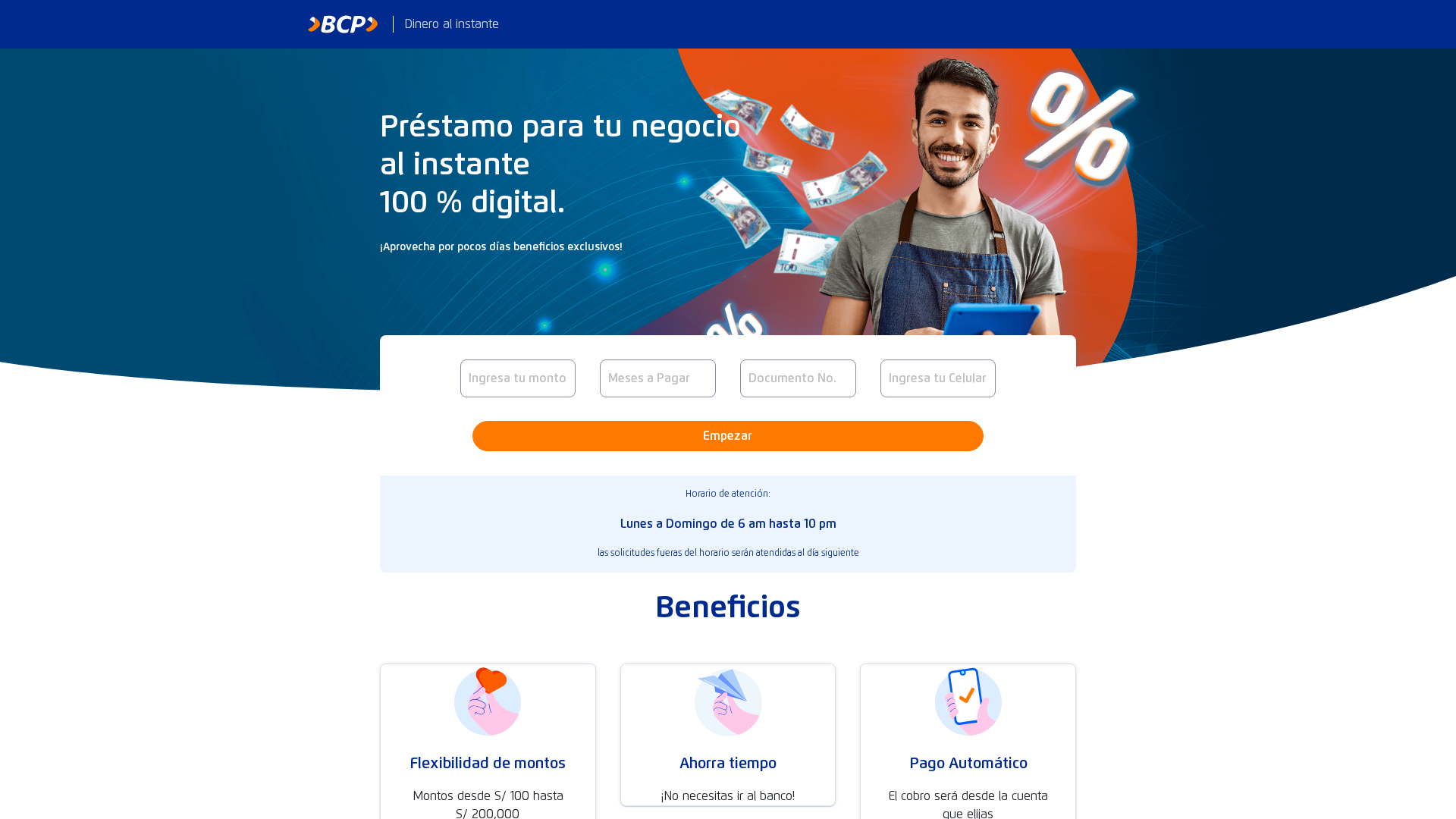

"Nunca pensé que me pasaría a mí"
Esto dicen las 2.3 millones de víctimas cada año. No esperes a ser una estadística.