
Phishing Analysis
Detailed analysis of captured phishing page
Captura Visual
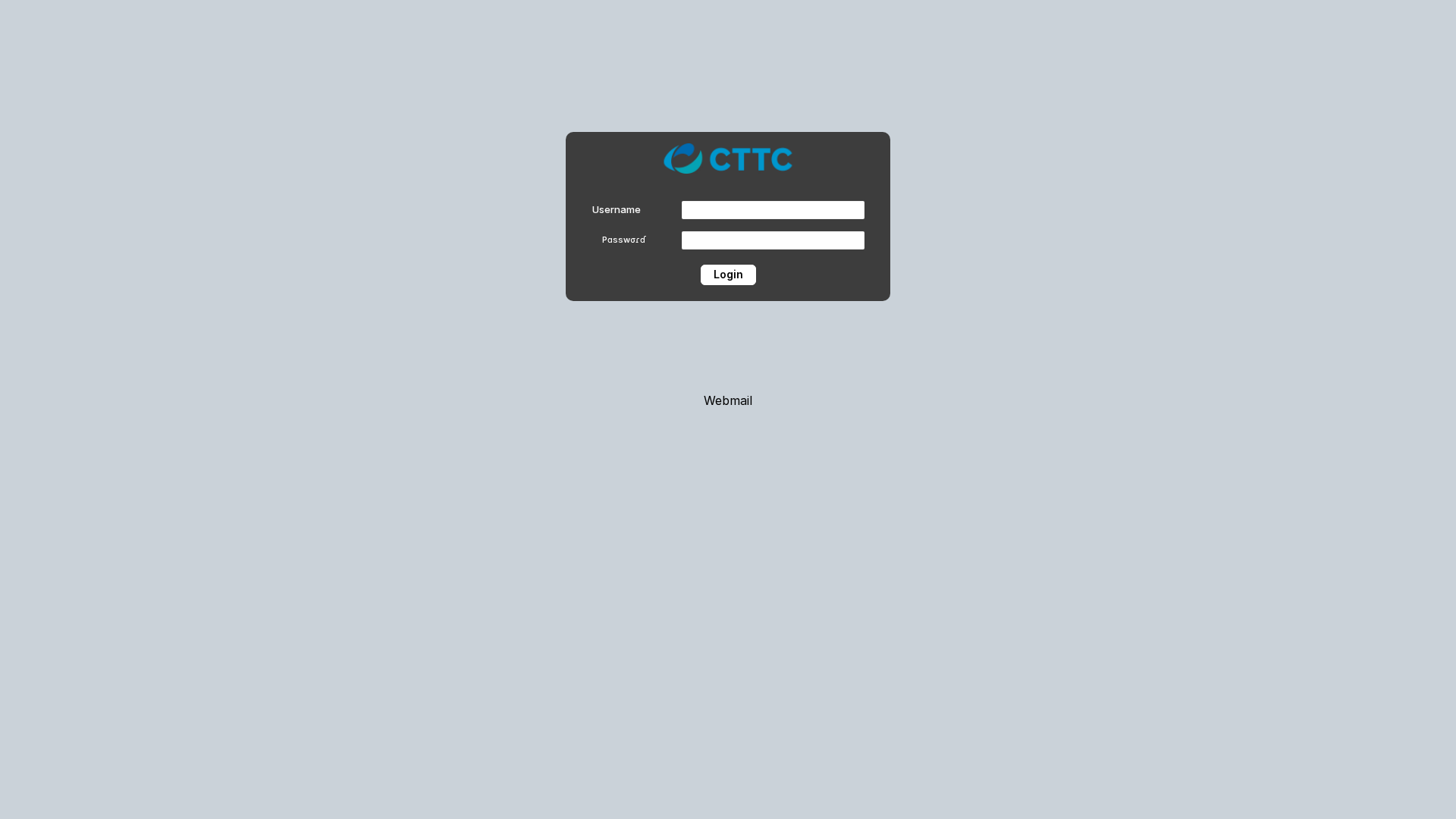
Información de Detección
https://sensational-attributes-673087.framer.app/
Detected Brand
CTTC (Likely Impersonation)
Country
Unknown
Confianza
100%
HTTP Status
200
Report ID
1db2dd9b-698…
Analyzed
2026-02-27 06:48
Hashes de Contenido (Similitud HTML)
Used to detect similar phishing pages based on HTML content
| Algorithm | Hash Value |
|---|---|
|
CONTENT
TLSH
|
T172326233B500CD2A499B568CFAC0968D511EC346FB3148CA71A491FF7BC4DF069A97AD |
|
CONTENT
ssdeep
|
192:8vD/nUSJKwjqocXcGchpDHIkIz1ZxU0icMcnthWeNWbKfMmUU8VCoNtJsPgIBSH:dSzcXcGchpbIkmPiOfMmUFCorl |
Hashes Visuales (Similitud de Captura)
Used to detect visually similar phishing pages based on screenshots
| Algorithm | Hash Value |
|---|---|
|
VISUAL
pHash
|
b333cccccccc3133 |
|
VISUAL
aHash
|
ffe7e7f7ffffffff |
|
VISUAL
dHash
|
204d4d0c30000000 |
|
VISUAL
wHash
|
ffe7e7e700000000 |
|
VISUAL
colorHash
|
070000001c0 |
|
VISUAL
cropResistant
|
204d4d0c30000000,786945b2b2be33b2 |
Análisis de Código
Risk Score
76/100
Nivel de Amenaza
ALTO
⚠️ Phishing Confirmed
🎣 Credential Harvester
🎣 OTP Stealer
🎣 Personal Info
🔬 Threat Analysis Report
• Amenaza: Phishing de credenciales
• Objetivo: Usuarios de CTTC
• Método: Impersonación a través de una página de inicio de sesión falsa.
• Exfil: Potencialmente desconocido, basado en el análisis de javascript.
• Indicadores: Alojamiento de Framer.app, dominio no relacionado, formulario de inicio de sesión, ofuscación de javascript.
• Riesgo: ALTO
🔒 Obfuscation Detected
- fromCharCode
- base64_strings
📊 Desglose de Puntuación de Riesgo
Total Risk Score
90/100
Contributing Factors
Hosting Provider
Framer.app is often abused for phishing campaigns.
Domain Mismatch
The domain name 'sensational-attributes-673087.framer.app' does not match the expected brand CTTC.
Form with Credentials
The page contains a login form asking for sensitive information like username and password.
JavaScript Obfuscation
Detected obfuscation techniques, indicates potential malicious activity or credential stealing.
🔬 Análisis Integral de Amenazas
Tipo de Amenaza
Two-Factor Authentication Stealer
Objetivo
CTTC (Likely Impersonation) users (Unknown)
Método de Ataque
Brand impersonation + credential harvesting forms + obfuscated JavaScript
Canal de Exfiltración
Form submission (backend endpoint not detected - likely JavaScript-based)
Evaluación de Riesgo
HIGH - Automated credential harvesting with Form submission (backend endpoint not detected - likely JavaScript-based)
⚠️ Indicators of Compromise
- Kit types: Credential Harvester, OTP Stealer, Personal Info
- 10 obfuscation techniques
🏢 Análisis de Suplantación de Marca
Impersonated Brand
CTTC
Fake Service
Webmail
⚔️ Metodología de Ataque
Primary Method: Credential Harvesting
The attacker is using a fake login page to collect the usernames and passwords of CTTC users. The victim is tricked into entering their credentials, which are then sent to the attacker.
Secondary Method: Obfuscation
JavaScript is likely obfuscated to conceal the malicious activity. This may involve hiding the exfiltration of the stolen credentials or other malicious code.
🌐 Indicadores de Compromiso de Infraestructura
Domain Information
Dominio
sensational-attributes-673087.framer.app
Registered
None
Registrar
None
Estado
Inactive
🤖 AI-Extracted Threat Intelligence
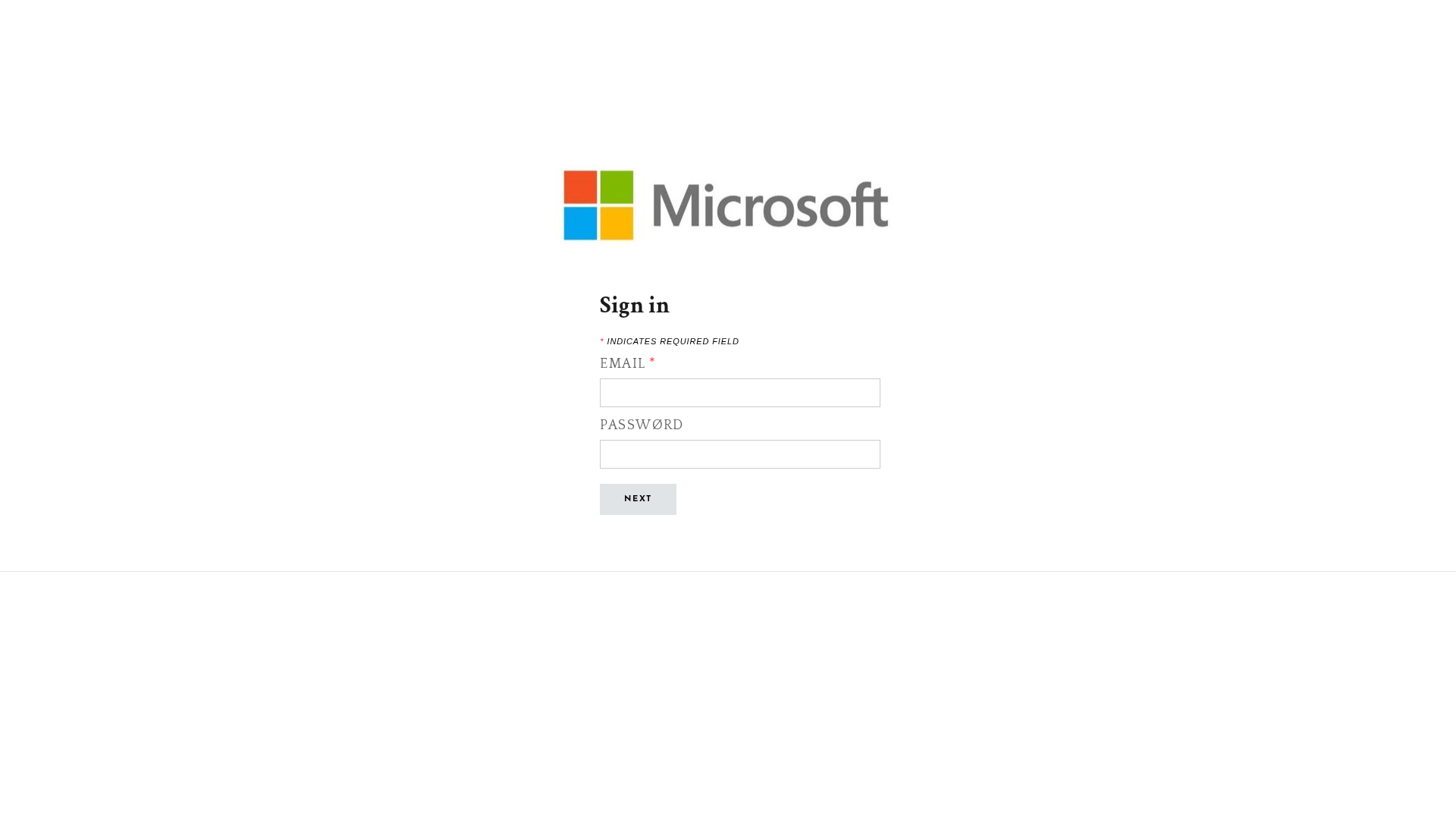
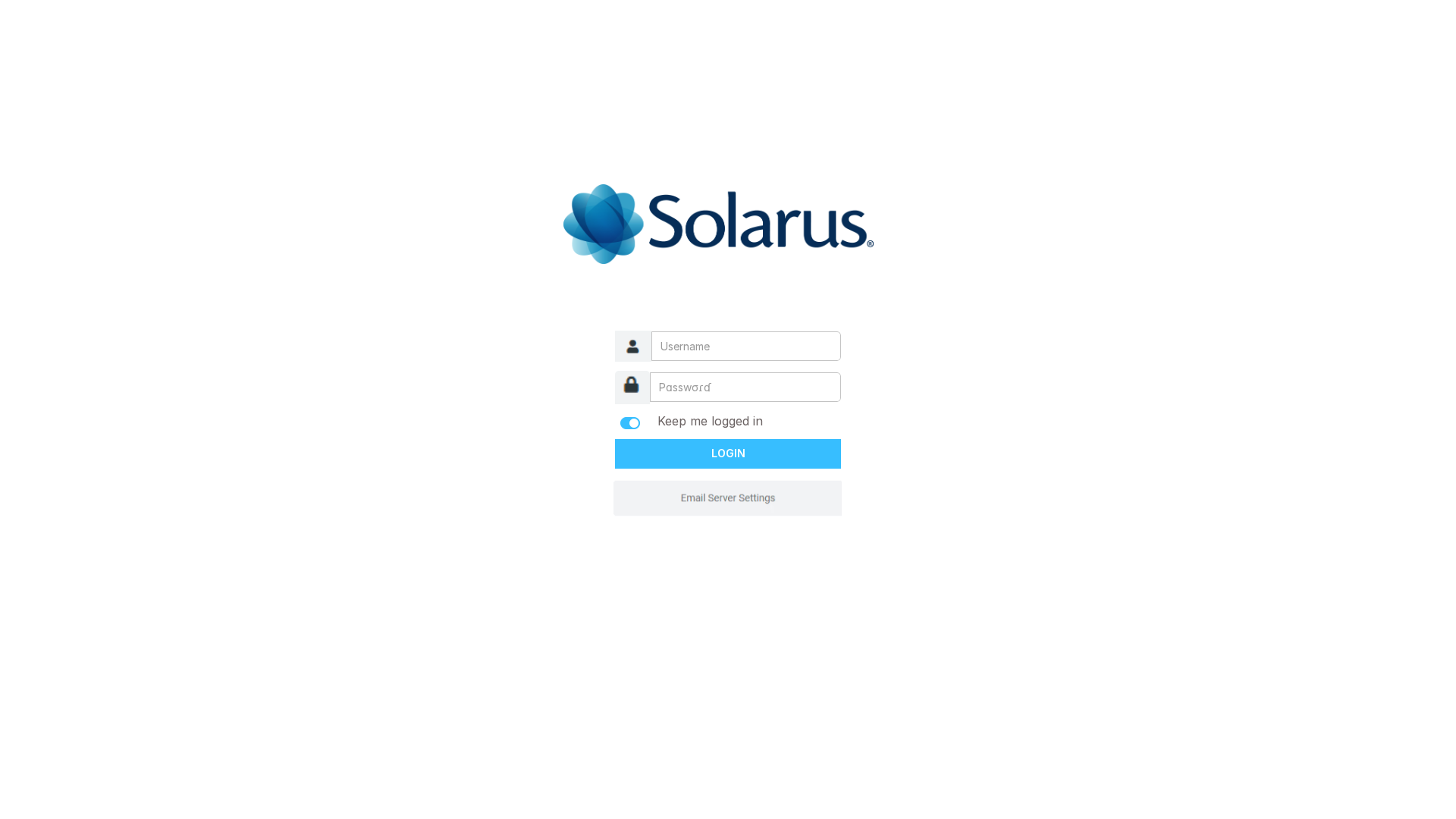
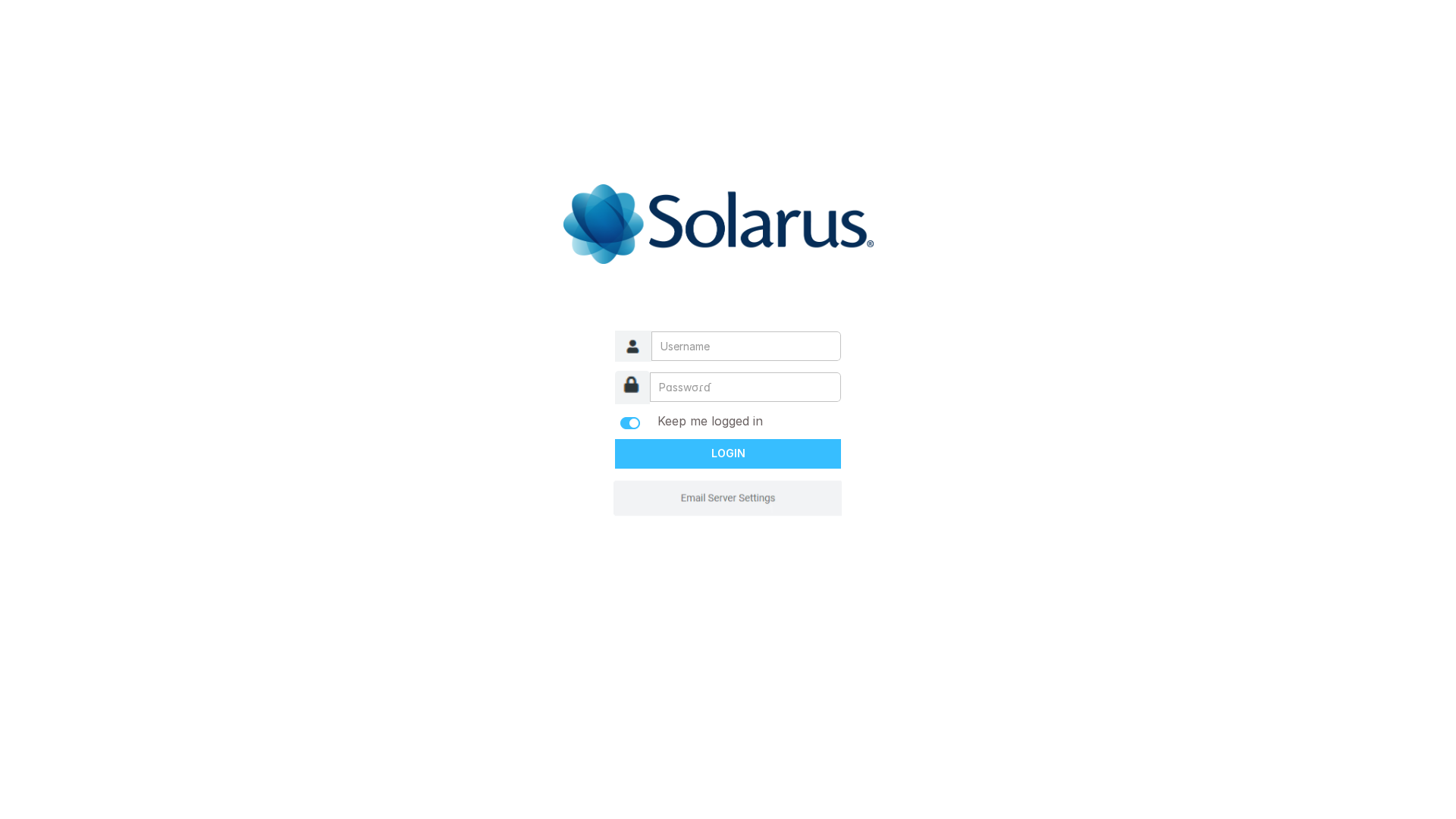
Similar Websites
Pages with identical visual appearance (based on perceptual hash)

"Nunca pensé que me pasaría a mí"
Esto dicen las 2.3 millones de víctimas cada año. No esperes a ser una estadística.