
Phishing Analysis
Detailed analysis of captured phishing page
Captura Visual
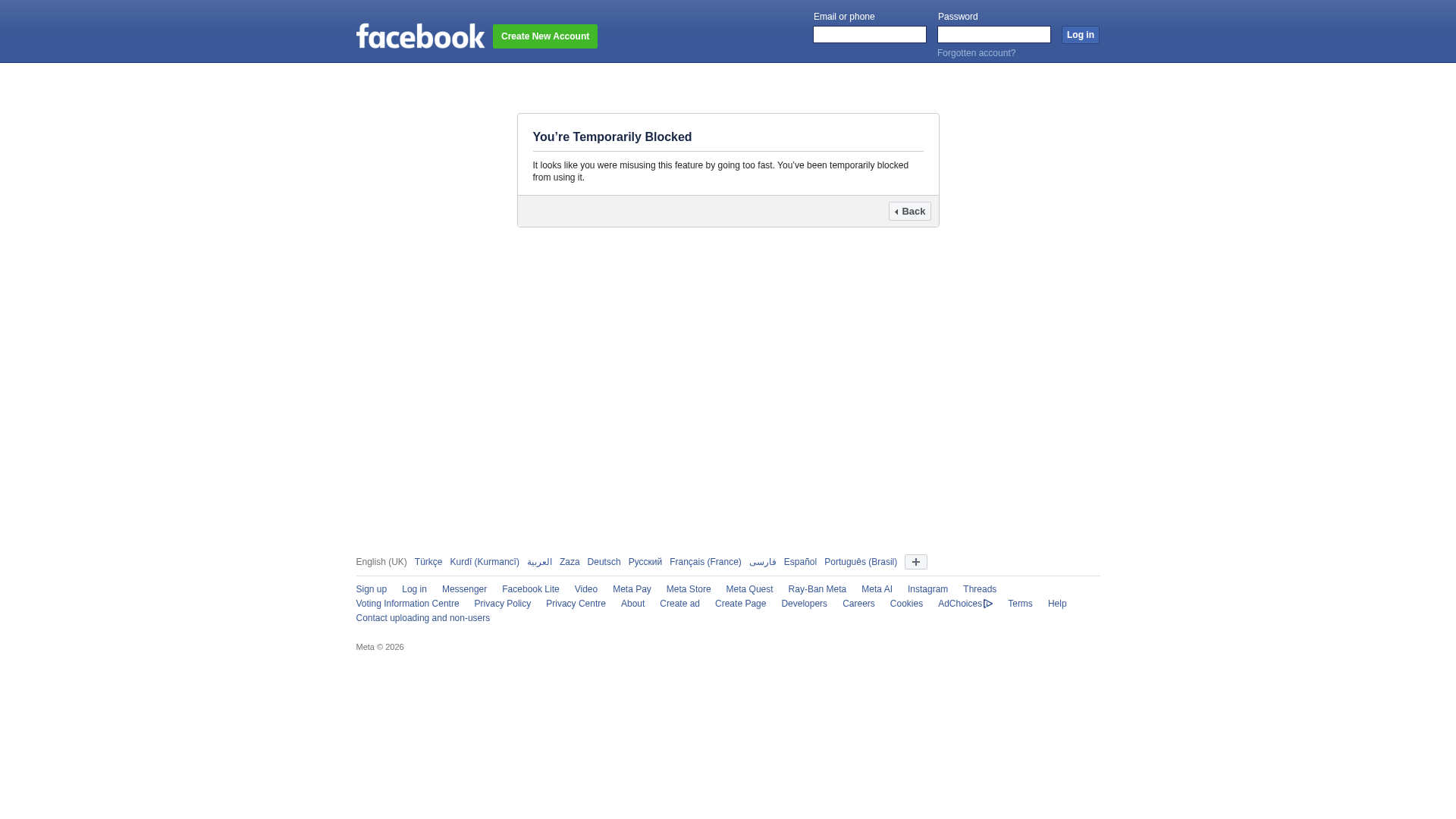
Información de Detección
http://myfciuqqluipjmbteam.saystudio.net/
Detected Brand
Facebook
Country
International
Confianza
100%
HTTP Status
200
Report ID
1e9f6383-46e…
Analyzed
2026-03-12 23:20
Hashes de Contenido (Similitud HTML)
Used to detect similar phishing pages based on HTML content
| Algorithm | Hash Value |
|---|---|
|
CONTENT
TLSH
|
T1AE52A737320C88370B335F9C59D0B229E4C7551FCBA59C8294EA85A96EC3FB99D5409F |
|
CONTENT
ssdeep
|
384:wPuvs7EPXIAopwTvJ6rpB6phembCrwXKHFNVeTUFfDf/DVfH:wPuvs7EPXhopwTvJ6rypdO6UZr/DpH |
Hashes Visuales (Similitud de Captura)
Used to detect visually similar phishing pages based on screenshots
| Algorithm | Hash Value |
|---|---|
|
VISUAL
pHash
|
b35313135b1b5353 |
|
VISUAL
aHash
|
00ffffffffffffff |
|
VISUAL
dHash
|
49184c0000162600 |
|
VISUAL
wHash
|
00c0c0f8f38190f0 |
|
VISUAL
colorHash
|
07007000000 |
|
VISUAL
cropResistant
|
1c0c0000000e2400,26195ae949494639 |
Análisis de Código
Risk Score
100/100
Nivel de Amenaza
ALTO
⚠️ Phishing Confirmed
🎣 Credential Harvester
🎣 OTP Stealer
🎣 Card Stealer
🎣 Banking
🎣 Personal Info
🔬 Threat Analysis Report
• Amenaza: Phishing
• Objetivo: Usuarios de Facebook
• Método: Suplantación e formularios de inicio de sesión maliciosos
• Exfil: https://www.facebook.com/login/device-based/regular/login/?login_attempt=1&lwv=110
• Indicadores: Dominio no relacionado, envío de formulario a la URL de Facebook, ofuscación
• Riesgo: Alto
🔐 Credential Harvesting Forms
🔒 Obfuscation Detected
- atob
- eval
- fromCharCode
- unescape
- unicode_escape
- base64_strings
🎯 Kit Endpoints
- /allactivity?privacy_source=activity_log_top_menu
- /login/
- https://about.meta.com/technologies/meta-pay
📡 API Calls Detected
- about:blank
- GET
📤 Form Action Targets
- https://www.facebook.com/login/device-based/regular/login/?login_attempt=1&lwv=110
📊 Desglose de Puntuación de Riesgo
Total Risk Score
90/100
Contributing Factors
Domain Mismatch
The domain is completely different from the official Facebook domain.
Form Submissions to external website
The form submits the credentials to a suspicious URL
Obfuscated Javascript
The site uses obfuscation which indicate the intention to hide the malicious actions.
Impersonation of Brand
The page attempts to impersonate the Facebook login page.
🔬 Análisis Integral de Amenazas
Tipo de Amenaza
Banking Credential Harvester
Objetivo
Facebook users (International)
Método de Ataque
Brand impersonation + credential harvesting forms + obfuscated JavaScript
Canal de Exfiltración
HTTP POST to backend
Evaluación de Riesgo
CRITICAL - Automated credential harvesting with HTTP POST to backend
⚠️ Indicators of Compromise
- Kit types: Credential Harvester, OTP Stealer, Card Stealer, Banking, Personal Info
- 134 obfuscation techniques
🏢 Análisis de Suplantación de Marca
Impersonated Brand
Facebook
Official Website
https://www.facebook.com
Fake Service
Facebook Login
Fraudulent Claims
⚔️ Metodología de Ataque
Primary Method: Credential Harvesting
The attacker aims to steal user credentials by creating a fake Facebook login page. Users are tricked into entering their login details, which are then harvested by the attacker.
🌐 Indicadores de Compromiso de Infraestructura
Domain Information
Dominio
myfciuqqluipjmbteam.saystudio.net
Registered
2020-07-08
Registrar
None
Estado
None
🤖 AI-Extracted Threat Intelligence
Similar Websites
Pages with identical visual appearance (based on perceptual hash)
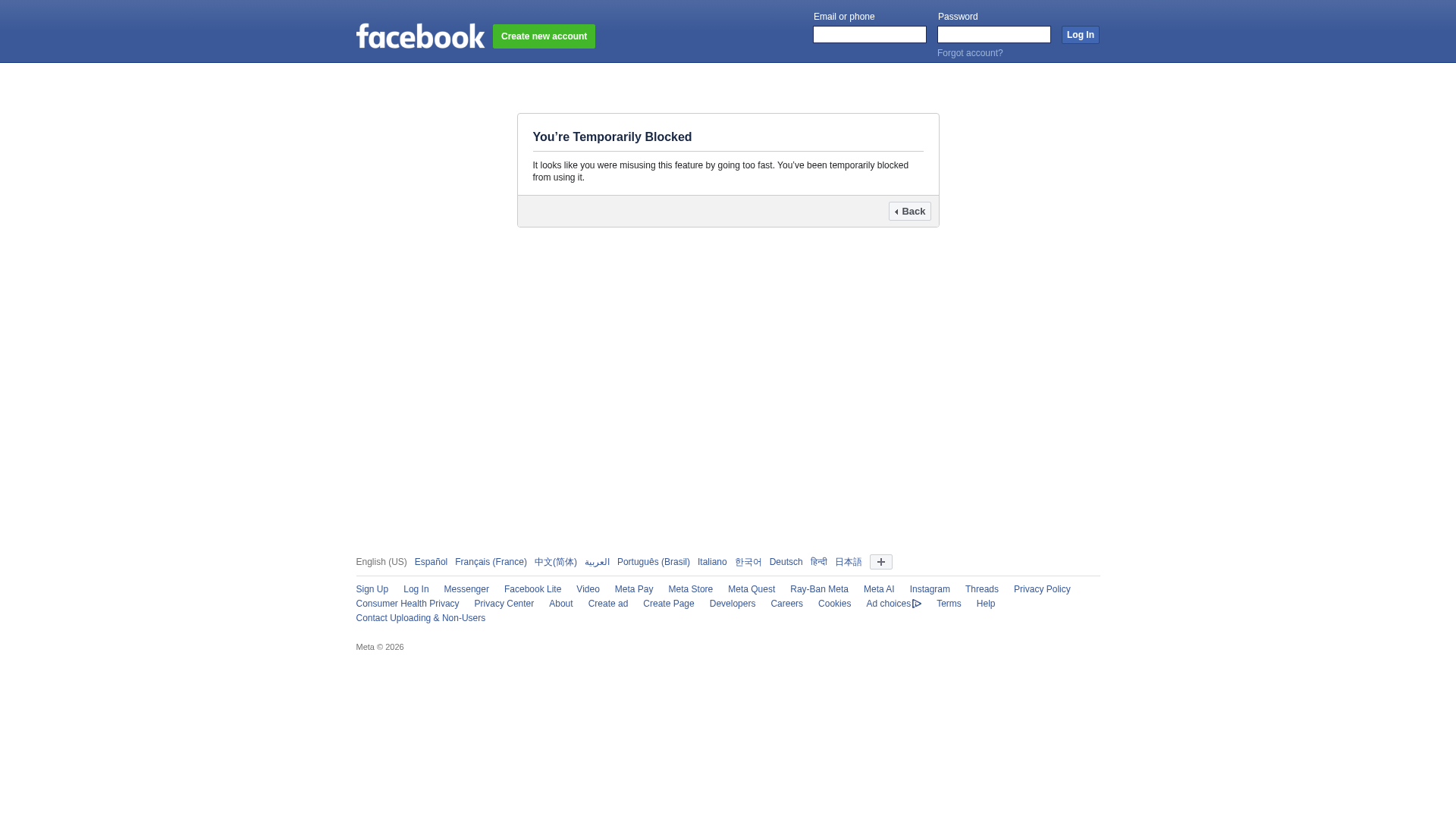
Facebook
https://www.serbiainyourhands.world/login/?next=https://www....
Jul 16, 2026
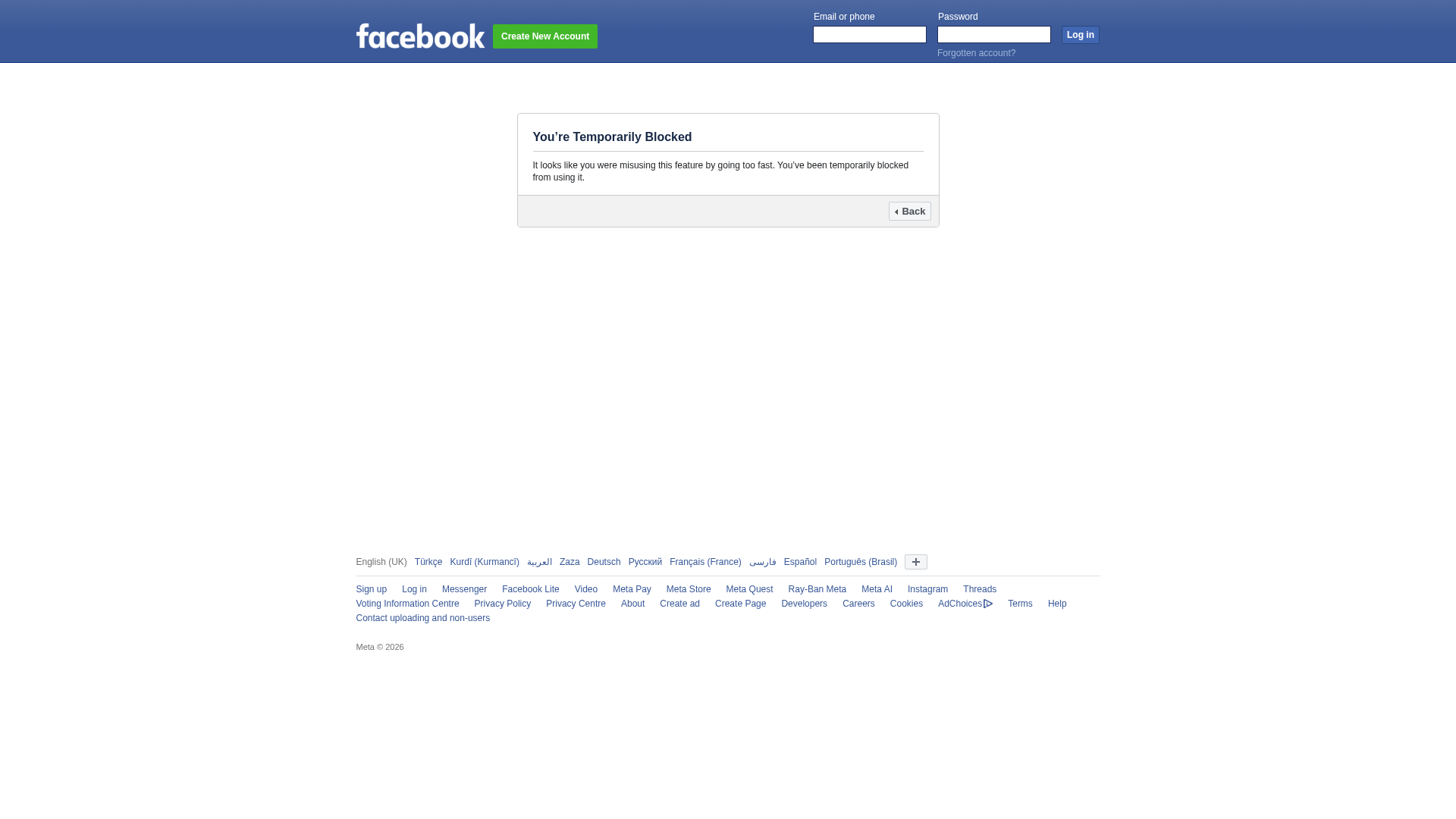
Facebook
http://myfciusaumuvuwxteam.saystudio.net/
Mar 12, 2026
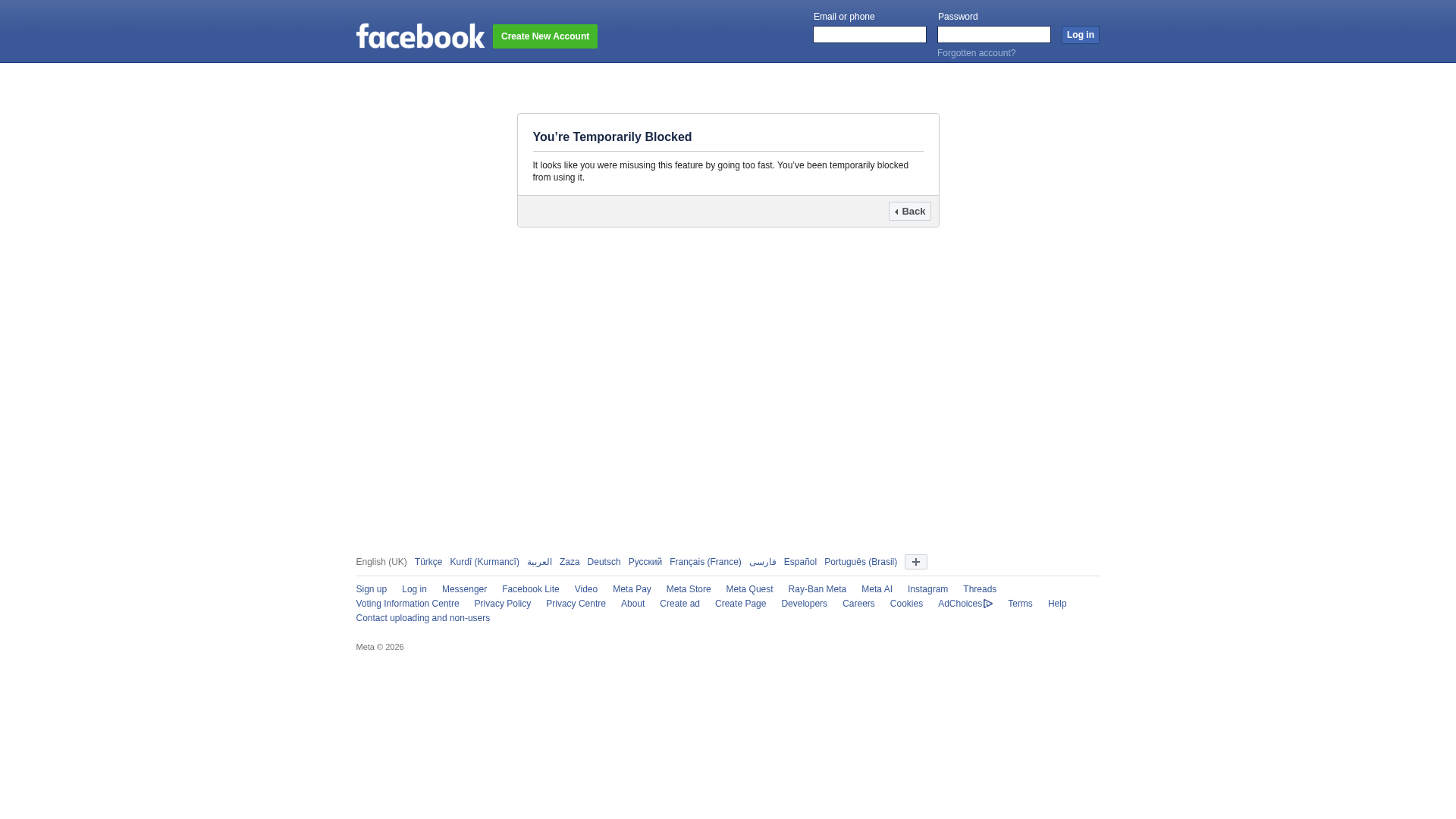
Facebook
http://myfcinfwyzlwhfwteam.saystudio.net/
Mar 12, 2026
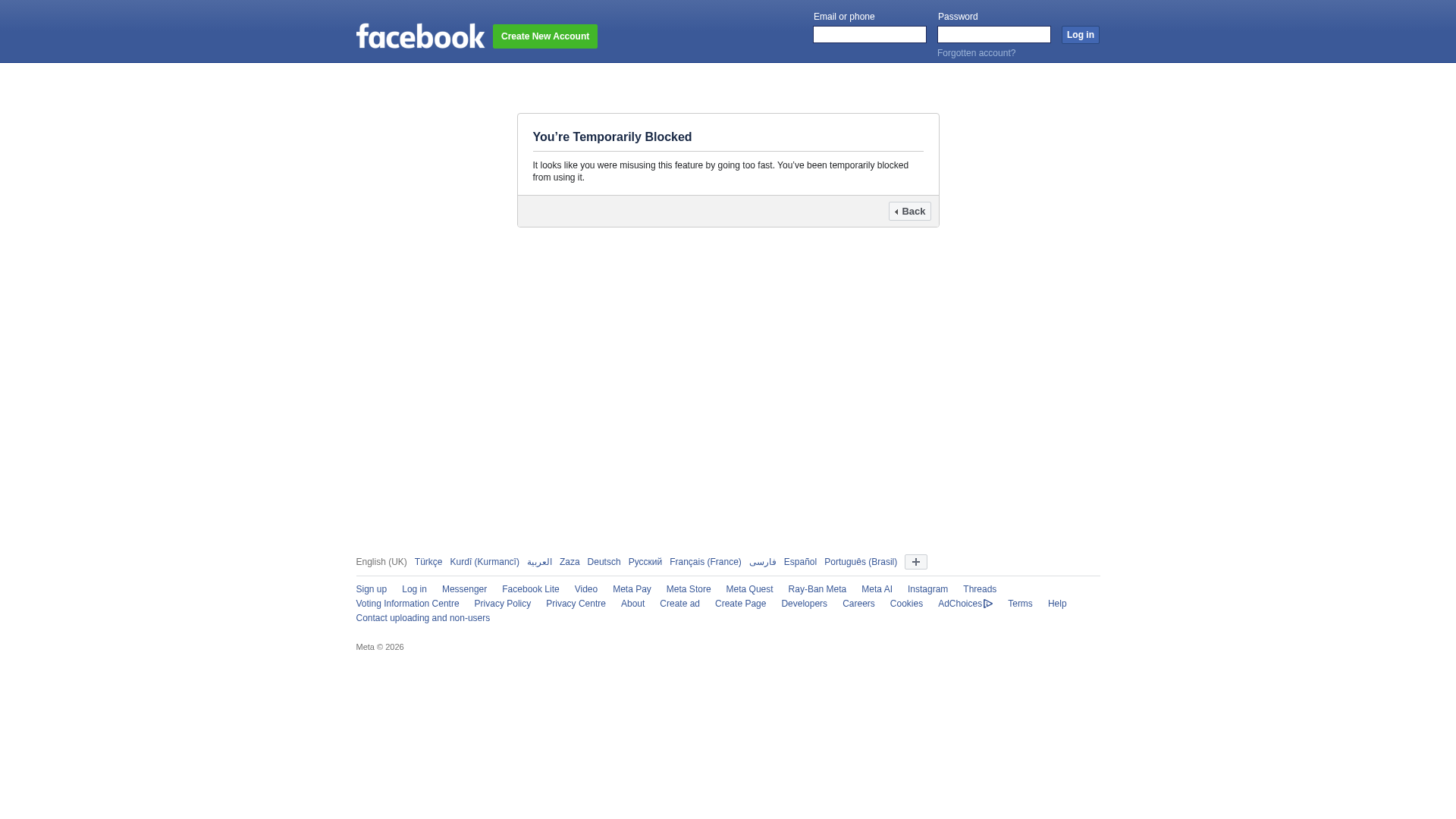
Facebook
http://myfcienvpcborizteam.saystudio.net/
Mar 12, 2026
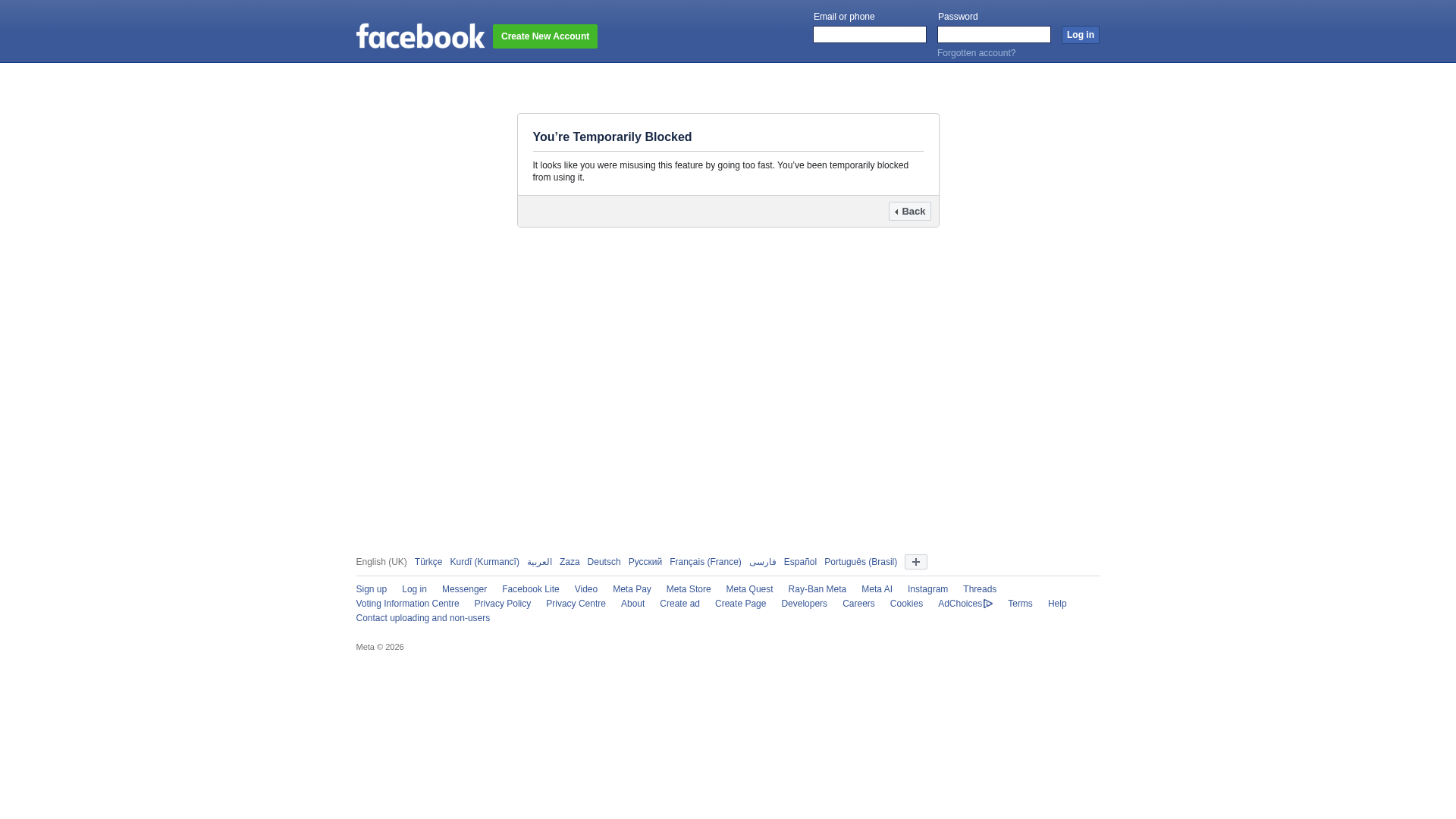
Facebook
http://myfcivwudlomkmateam.saystudio.net/
Mar 12, 2026

"Nunca pensé que me pasaría a mí"
Esto dicen las 2.3 millones de víctimas cada año. No esperes a ser una estadística.