
Phishing Analysis
Detailed analysis of captured phishing page
Captura Visual
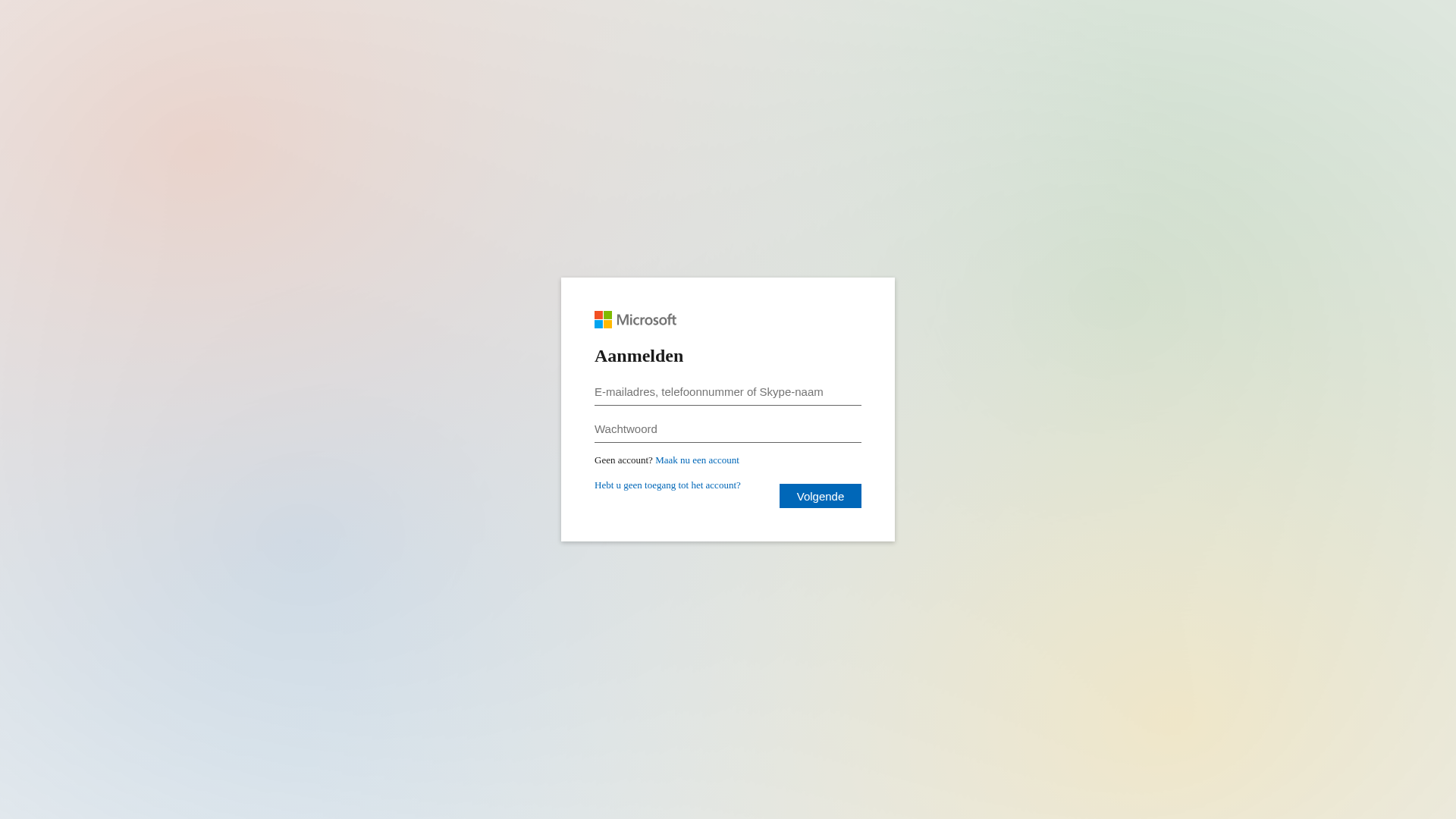
Información de Detección
https://loginservice.app/page/e1cf8597a15437bfe6294edfbccc4603594ada4f?systemclick=true&type=2
Detected Brand
Microsoft
Country
International
Confianza
95%
HTTP Status
200
Report ID
1fb5d198-b17…
Analyzed
2026-02-17 07:37
Final URL (after redirects)
https://www.loginservice.app/page/e1cf8597a15437bfe6294edfbccc4603594ada4f?systemclick=true&type=2
Hashes de Contenido (Similitud HTML)
Used to detect similar phishing pages based on HTML content
| Algorithm | Hash Value |
|---|---|
|
CONTENT
TLSH
|
T1EAB1947B131887EBCAC4978C3F993B9D33618584F6B20280879358D6AC49EB7F439D20 |
|
CONTENT
ssdeep
|
96:nrlHlJ4DZ+Stb/jY+eo4hAryAes9mBYYQgWLDmttK/8P5d:5HkoSBjlevudl9nH45d |
Hashes Visuales (Similitud de Captura)
Used to detect visually similar phishing pages based on screenshots
| Algorithm | Hash Value |
|---|---|
|
VISUAL
pHash
|
9c4b6326d999e466 |
|
VISUAL
aHash
|
180018181d1f0f9f |
|
VISUAL
dHash
|
7161713331347939 |
|
VISUAL
wHash
|
191818181f1f1fff |
|
VISUAL
colorHash
|
07001000180 |
|
VISUAL
cropResistant
|
7161713331347939 |
Análisis de Código
Risk Score
53/100
Nivel de Amenaza
ALTO
⚠️ Phishing Confirmed
🎣 Credential Harvester
🔬 Threat Analysis Report
• Amenaza: Phishing
• Objetivo: Usuarios de Microsoft
• Método: Recopilación de credenciales
• Exfil: Desconocido (probablemente a través de cadenas codificadas en base64)
• Indicadores: Discordancia de dominio, formulario de inicio de sesión
• Riesgo: ALTO
🔒 Obfuscation Detected
- base64_strings
🎯 Kit Endpoints
- /assets/landingpage/2dc441f89965559f8d3abb4701b1a38cd67e931e/login/
📊 Desglose de Puntuación de Riesgo
Total Risk Score
90/100
Contributing Factors
Domain Mismatch
The domain does not belong to Microsoft.
Impersonation
The page mimics Microsoft's login interface.
Form with sensitive fields
The form requests a password.
Obfuscation Detected
Use of base64 strings detected.
🔬 Análisis Integral de Amenazas
Tipo de Amenaza
Credential Harvesting Kit
Objetivo
Microsoft users (International)
Método de Ataque
Brand impersonation + credential harvesting forms + obfuscated JavaScript
Canal de Exfiltración
Form submission (backend endpoint not detected - likely JavaScript-based)
Evaluación de Riesgo
MEDIUM - Automated credential harvesting with Form submission (backend endpoint not detected - likely JavaScript-based)
⚠️ Indicators of Compromise
- Kit types: Credential Harvester
- 1 obfuscation techniques
🏢 Análisis de Suplantación de Marca
Impersonated Brand
Microsoft
Official Website
https://www.microsoft.com/
Fake Service
Microsoft Login
⚔️ Metodología de Ataque
Primary Method: Credential Harvesting
The attacker attempts to steal Microsoft account credentials by presenting a fake login form that redirects to their server. Users entering their login details have them captured.
Secondary Method: Obfuscation
JavaScript code (likely used for exfiltration) uses base64 encoding to conceal its malicious functionality, making it more difficult to analyze and detect.
🌐 Indicadores de Compromiso de Infraestructura
Domain Information
Dominio
loginservice.app
Registered
Unknown
Registrar
Unknown
Estado
Unknown
🤖 AI-Extracted Threat Intelligence
Similar Websites
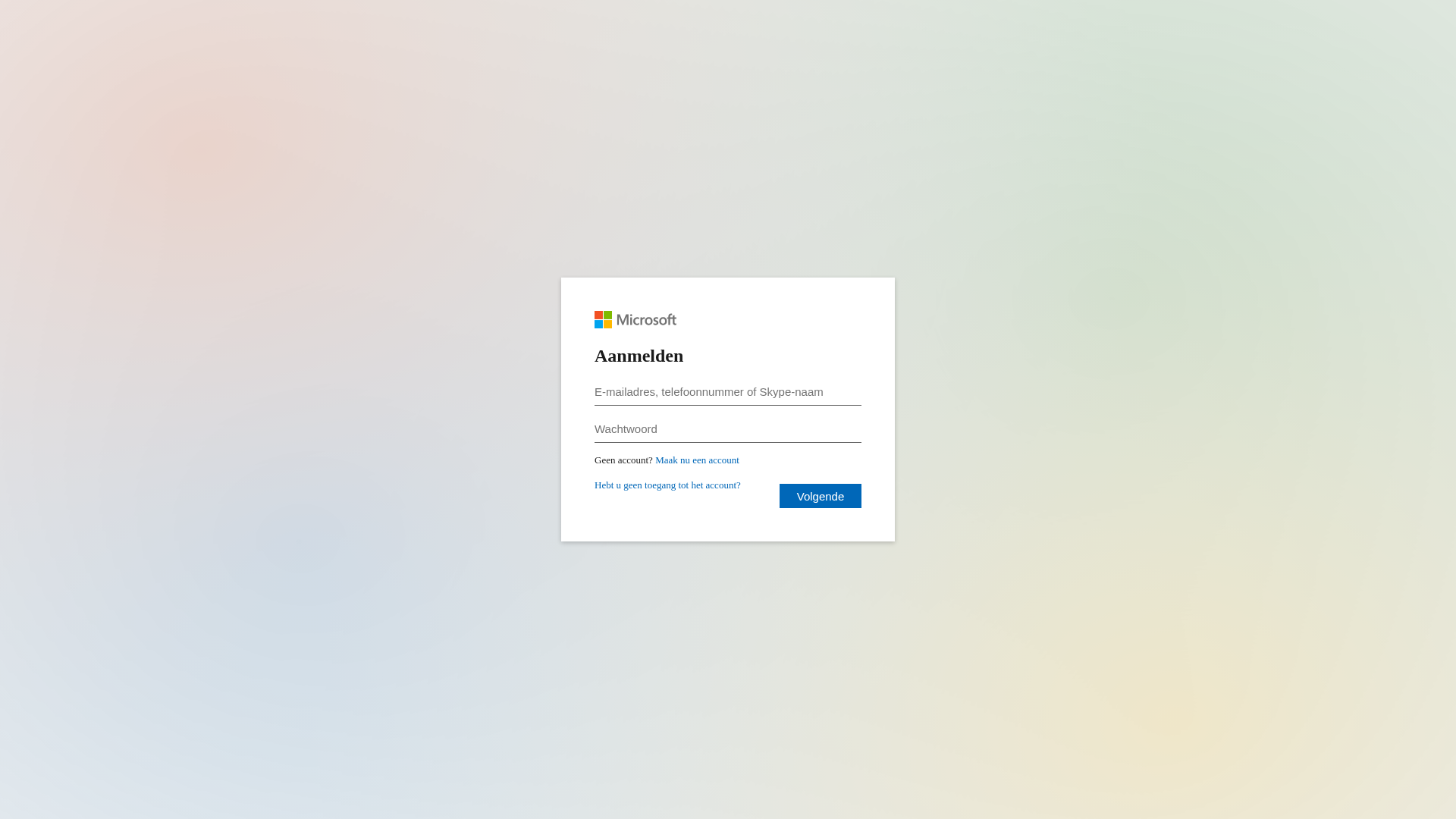
Pages with identical visual appearance (based on perceptual hash)
Scan History for loginservice.app
Found 4 other scans for this domain

"Nunca pensé que me pasaría a mí"
Esto dicen las 2.3 millones de víctimas cada año. No esperes a ser una estadística.