
Phishing Analysis
Detailed analysis of captured phishing page
Captura Visual
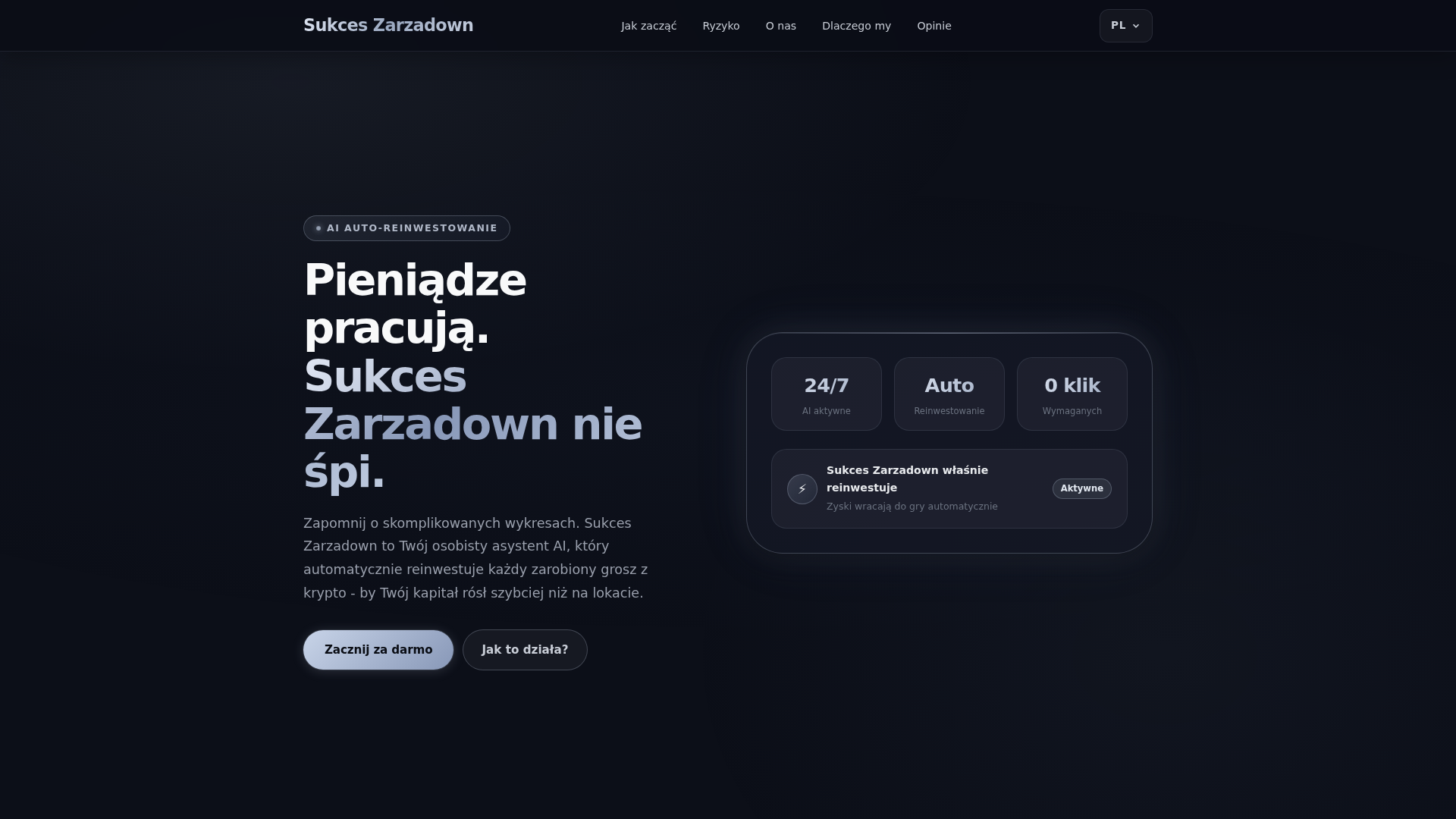
Información de Detección
https://sukceszarzadown.net/
Detected Brand
Unknown
Country
Unknown
Confianza
100%
HTTP Status
200
Report ID
2023ea17-344…
Analyzed
2026-08-12 11:21
Hashes de Contenido (Similitud HTML)
Used to detect similar phishing pages based on HTML content
| Algorithm | Hash Value |
|---|---|
|
CONTENT
TLSH
|
T1D7625772209AAD3B52E7E1C5A6352B7BA3D3428AC6CB131196FDCB0F4FD2E51EC52105 |
|
CONTENT
ssdeep
|
192:hxu48II1EPHTcgHoldSeYMTxhLdUhMszYfkhbXrEuRaxOvllSCCI0J:hw48II1+TfmmM/dUhMkMkhDrEsz6CCNJ |
Hashes Visuales (Similitud de Captura)
Used to detect visually similar phishing pages based on screenshots
| Algorithm | Hash Value |
|---|---|
|
VISUAL
pHash
|
c3683c9c9ac32f99 |
|
VISUAL
aHash
|
6080606c7e646000 |
|
VISUAL
dHash
|
c0a0cac8c8c8ce3c |
|
VISUAL
wHash
|
70f0e06e7e7e6602 |
|
VISUAL
colorHash
|
38007000000 |
|
VISUAL
cropResistant
|
c0a0cac8c8c8ce3c |
Análisis de Código
Risk Score
65/100
Nivel de Amenaza
ALTO
⚠️ Phishing Confirmed
🎣 OTP Stealer
🎣 Personal Info
📡 API Calls Detected
- /api/sms/send
- /api/sms/verify
- /api/sms-verification-status
📊 Desglose de Puntuación de Riesgo
Total Risk Score
100/100
Contributing Factors
Active Phishing Kit
Detected kit types: OTP Stealer, Personal Info
🔬 Análisis Integral de Amenazas
Tipo de Amenaza
Two-Factor Authentication Stealer
Objetivo
General public
Método de Ataque
Phishing webpage
Canal de Exfiltración
Unknown
Evaluación de Riesgo
HIGH - Automated credential harvesting with Unknown
⚠️ Indicators of Compromise
- Kit types: OTP Stealer, Personal Info
🏢 Análisis de Suplantación de Marca
Impersonated Brand
Generic Phishing
Official Website
N/A
Fake Service
Credential harvesting service
⚔️ Metodología de Ataque
Primary Method: Two-Factor Authentication Bypass
Victim is prompted for 2FA code after entering credentials. The code is intercepted and used by attacker to access victim's account in real-time.
Secondary Method: Client-Side Form Interception
JavaScript intercepts form submissions before they reach the fake backend. This allows real-time credential harvesting and validation without server round-trips.
🌐 Indicadores de Compromiso de Infraestructura
Domain Information
Dominio
sukceszarzadown.net
Registered
2026-03-16 14:58:23+00:00
Registrar
Dynadot Inc
Estado
Active (148 days old)
Hosting Information
Provider
Dynadot Inc
ASN
🤖 AI-Extracted Threat Intelligence

"Nunca pensé que me pasaría a mí"
Esto dicen las 2.3 millones de víctimas cada año. No esperes a ser una estadística.