
Phishing Analysis
Detailed analysis of captured phishing page
Captura Visual
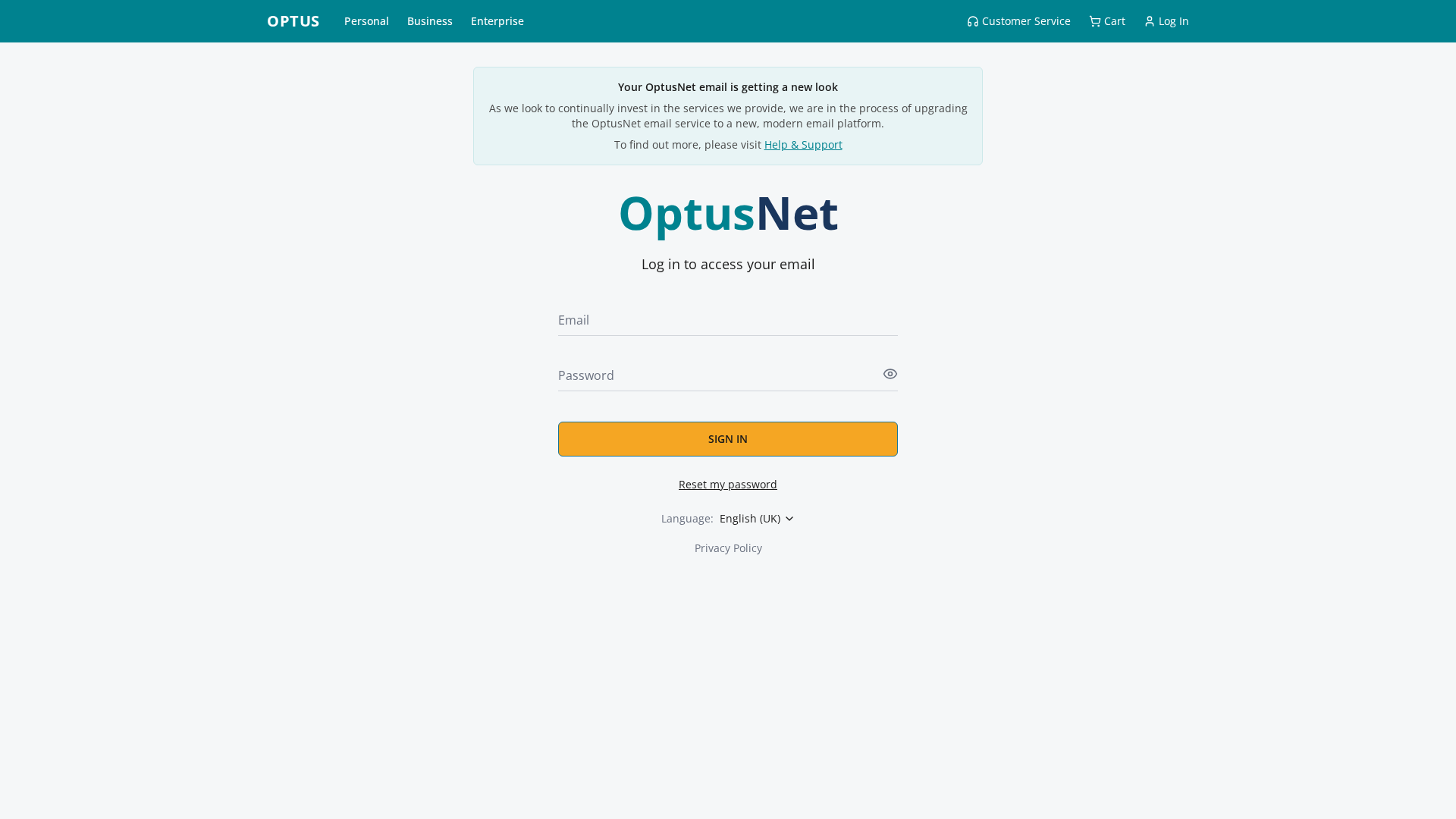
Información de Detección
https://optuswebmailllogin.replit.app/
Detected Brand
Optus
Country
International
Confianza
100%
HTTP Status
200
Report ID
25636f64-e26…
Analyzed
2026-02-07 01:47
Hashes de Contenido (Similitud HTML)
Used to detect similar phishing pages based on HTML content
| Algorithm | Hash Value |
|---|---|
|
CONTENT
TLSH
|
T18412963401490C7E9113D7B4F4D5B736607BE34FEA6BC458B9B40B278BCBE99D822A64 |
|
CONTENT
ssdeep
|
192:Hh1NlMTpOq07lG5bgyzSOzePBxtB2fdHsK0b:Hzf7I5bgyzSOzePBTB2130b |
Hashes Visuales (Similitud de Captura)
Used to detect visually similar phishing pages based on screenshots
| Algorithm | Hash Value |
|---|---|
|
VISUAL
pHash
|
e6664d6171594d66 |
|
VISUAL
aHash
|
00e7e7ffe7ffffff |
|
VISUAL
dHash
|
cc0c4c1c4c280000 |
|
VISUAL
wHash
|
00c0c3c3e3e3f3f3 |
|
VISUAL
colorHash
|
07000008180 |
|
VISUAL
cropResistant
|
0e4c0c4c4c200000,0000228ccccc3344 |
Análisis de Código
Risk Score
71/100
Nivel de Amenaza
ALTO
⚠️ Phishing Confirmed
🎣 Credential Harvester
🎣 Banking
🔬 Threat Analysis Report
• Amenaza: Phishing
• Objetivo: Clientes de Optus
• Método: Recopilación de credenciales
• Exfil: Desconocido (probablemente al servidor del atacante)
• Indicadores: Dominio falso, replit.app, formulario de correo electrónico/contraseña.
• Riesgo: Alto
🔒 Obfuscation Detected
- atob
- fromCharCode
🎯 Kit Endpoints
- https://webmail.optusnet.com.au/login
- https://reactjs.org/docs/error-decoder.html?invariant=
- https://optuswebmailllogin.replit.app/assets/index-D9oJiBmE.js
📊 Desglose de Puntuación de Riesgo
Total Risk Score
90/100
Contributing Factors
Domain Mismatch & Hosting
The domain is not a legitimate Optus domain, and it is hosted on a free hosting platform (replit.app).
Credential Harvesting Form
The website contains a form requesting the user's email address and password.
Obfuscation Detected
JavaScript code obfuscation detected, adding potential risk
🔬 Análisis Integral de Amenazas
Tipo de Amenaza
Banking Credential Harvester
Objetivo
Optus users (International)
Método de Ataque
Brand impersonation + credential harvesting forms + obfuscated JavaScript
Canal de Exfiltración
Form submission (backend endpoint not detected - likely JavaScript-based)
Evaluación de Riesgo
HIGH - Automated credential harvesting with Form submission (backend endpoint not detected - likely JavaScript-based)
⚠️ Indicators of Compromise
- Kit types: Credential Harvester, Banking
- 9 obfuscation techniques
🏢 Análisis de Suplantación de Marca
Impersonated Brand
OptusNet
Official Website
https://www.optus.com.au/
Fake Service
OptusNet Email Login
Fraudulent Claims
⚔️ Metodología de Ataque
Primary Method: Credential Harvesting
The attacker creates a fake login page that mimics the appearance of a legitimate OptusNet login to steal user credentials. Users are tricked into entering their email and password, which the attacker then collects.
🌐 Indicadores de Compromiso de Infraestructura
🦠 Malicious Files
Main File
index-D9oJiBmE.js
File Size
🔬 JavaScript Deep Analysis
Operator Language
English (1%)
Total Code Size
347,0 KB
🔗 API Endpoints Detected
Other
1
🔐 Obfuscation Detected
- : Heavy
🤖 AI-Extracted Threat Intelligence
🎯 Malicious Files Identified
Main Drainer
index-D9oJiBmE.jsFile Size
347KB
Similar Websites
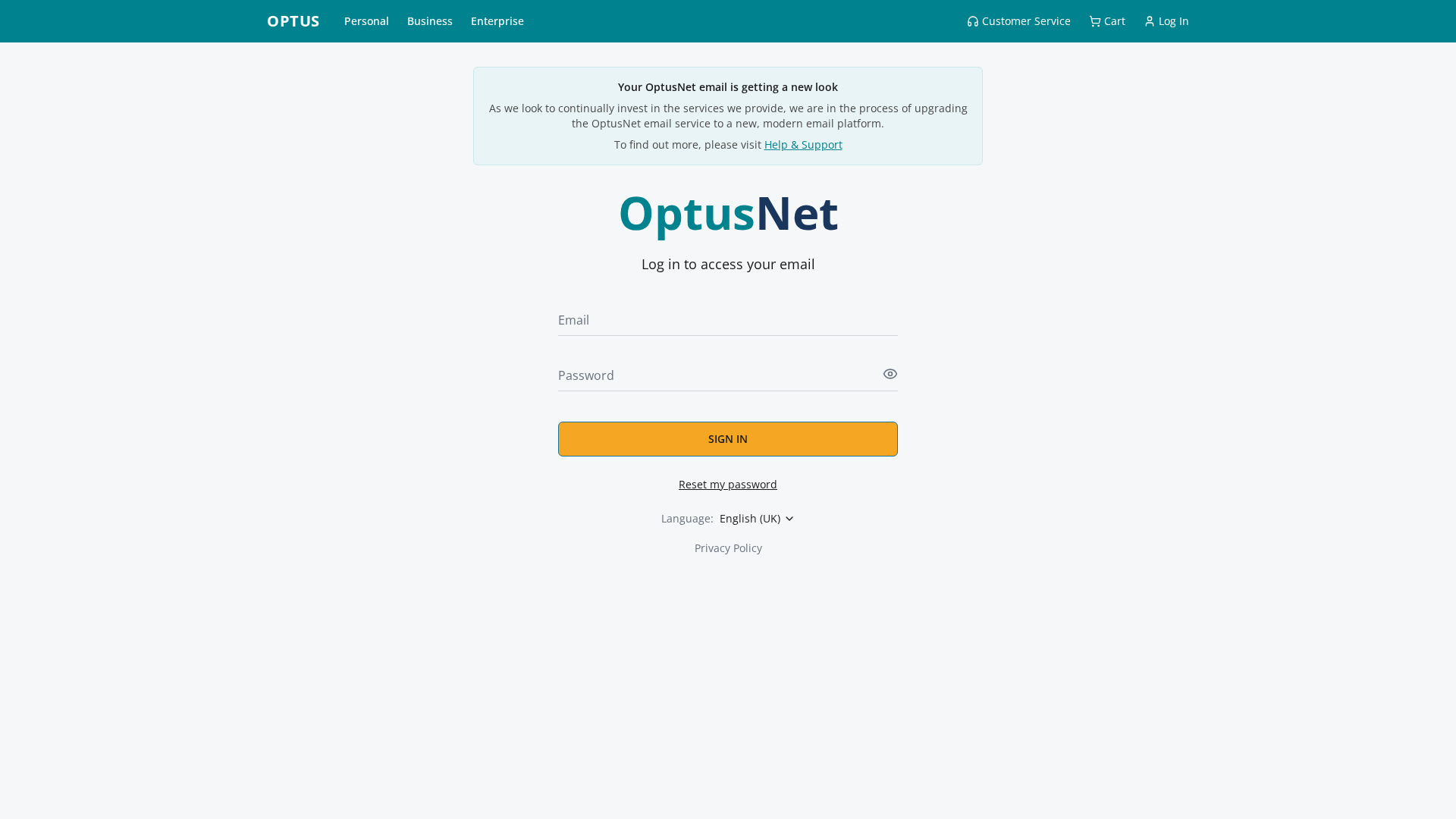
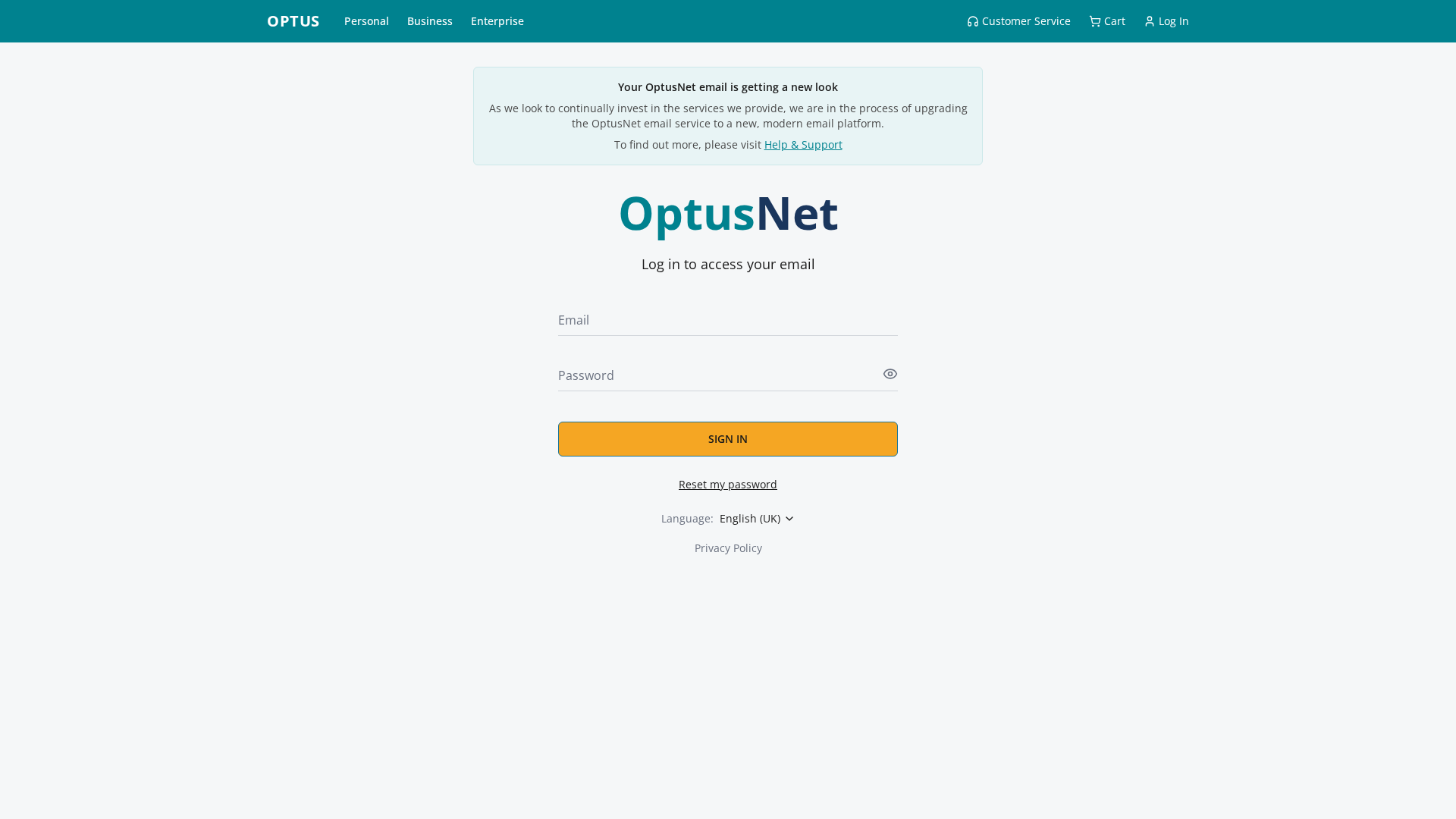
Pages with identical visual appearance (based on perceptual hash)

"Nunca pensé que me pasaría a mí"
Esto dicen las 2.3 millones de víctimas cada año. No esperes a ser una estadística.