
Phishing Analysis
Detailed analysis of captured phishing page
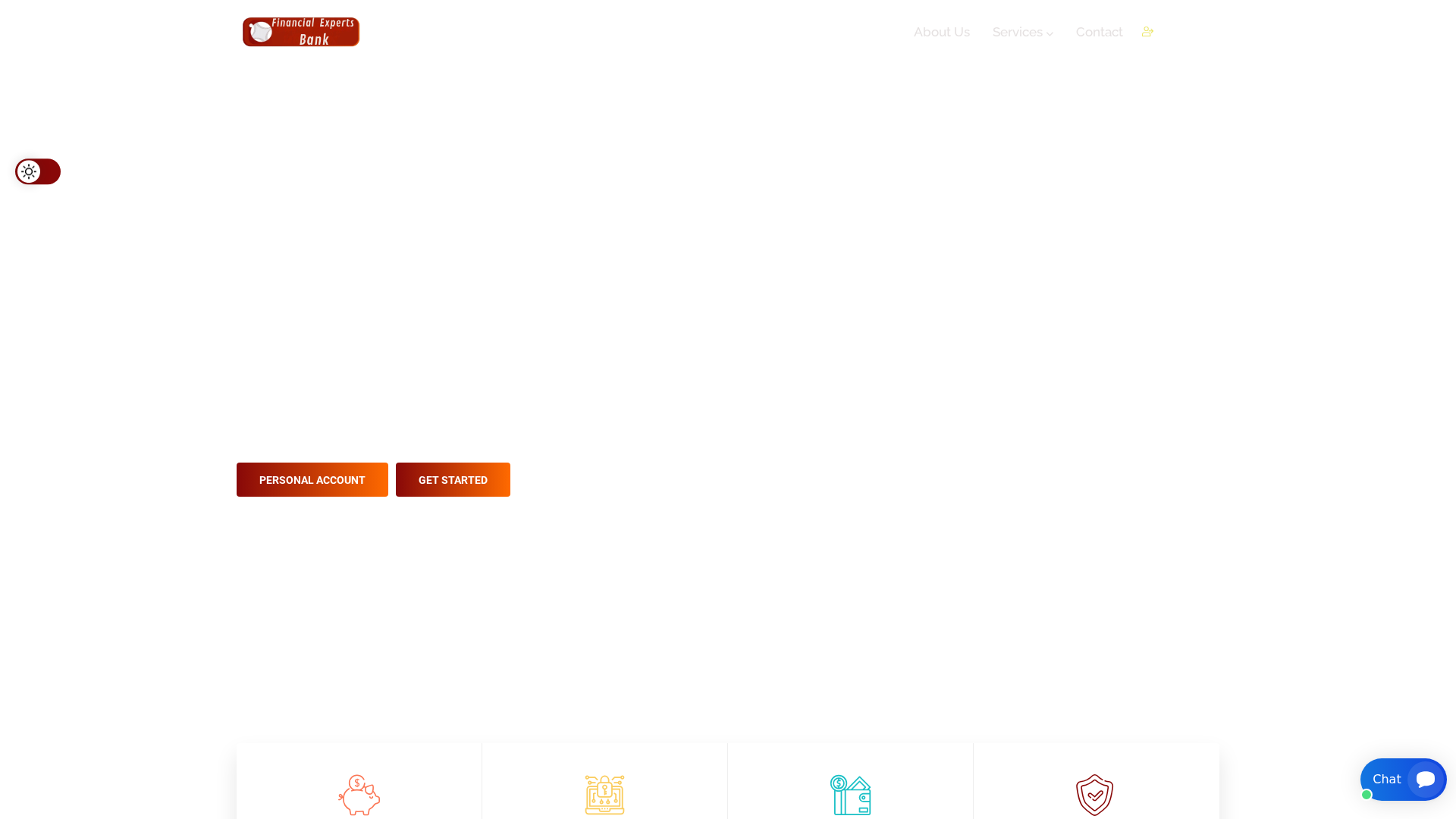
Captura Visual

Información de Detección
http://federalreservee.com
Detected Brand
Federal Reserve (likely impersonation)
Country
USA
Confianza
100%
HTTP Status
200
Report ID
2d9a06ee-fe4…
Analyzed
2026-02-20 16:54
Final URL (after redirects)
http://federalreservee.com/
Hashes de Contenido (Similitud HTML)
Used to detect similar phishing pages based on HTML content
| Algorithm | Hash Value |
|---|---|
|
CONTENT
TLSH
|
T153A233318092573742A3B4E0A33A170AE6D68741CFB7074957F8975DAECAC5DEE2BC21 |
|
CONTENT
ssdeep
|
384:62yhkaveeekeeetJeeeQeeefeeeueeepeeefeeeQeeeneeeSBTD9s/LROZG:6H+ceeekeeezeeeQeeefeeeueeepeeeJ |
Hashes Visuales (Similitud de Captura)
Used to detect visually similar phishing pages based on screenshots
| Algorithm | Hash Value |
|---|---|
|
VISUAL
pHash
|
adb8923bd528c62d |
|
VISUAL
aHash
|
1f0f13938303097e |
|
VISUAL
dHash
|
583fb3373333b3d0 |
|
VISUAL
wHash
|
1f1f139393030b7e |
|
VISUAL
colorHash
|
0e402040000 |
|
VISUAL
cropResistant
|
c8c1c6cb9b9b8291,dcf0868e8e8696c6,c062c0c1c98183a0,9b9999909cc6c28c,79f8001a54545454,583fb3373333b3d0 |
Análisis de Código
Risk Score
73/100
Nivel de Amenaza
ALTO
⚠️ Phishing Confirmed
🎣 Credential Harvester
🎣 OTP Stealer
🎣 Personal Info
🔬 Threat Analysis Report
• Amenaza: Phishing por suplantación
• Objetivo: Usuarios de la Reserva Federal
• Método: Sitio web engañoso, posiblemente recolección de credenciales
• Exfil: Desconocido (potencialmente formularios o javascript)
• Indicadores: Dominio no coincidente, JavaScript ofuscado, formularios detectados, dominio reciente
• Riesgo: ALTO
🔒 Obfuscation Detected
- fromCharCode
🎯 Kit Endpoints
- login
- http://federalreservee.com/login
📊 Desglose de Puntuación de Riesgo
Total Risk Score
90/100
Contributing Factors
Recent Domain Age
Domain is only 3 days old, a common tactic for phishing.
Domain Mismatch
The domain closely resembles a legitimate brand, but the small differences are intentional.
JavaScript Obfuscation
JavaScript obfuscation indicates an attempt to hide malicious code from detection.
🔬 Análisis Integral de Amenazas
Tipo de Amenaza
Two-Factor Authentication Stealer
Objetivo
Federal Reserve (likely impersonation) users (USA)
Método de Ataque
Brand impersonation + credential harvesting forms + obfuscated JavaScript
Canal de Exfiltración
Form submission (backend endpoint not detected - likely JavaScript-based)
Evaluación de Riesgo
HIGH - Automated credential harvesting with Form submission (backend endpoint not detected - likely JavaScript-based)
⚠️ Indicators of Compromise
- Kit types: Credential Harvester, OTP Stealer, Personal Info
- 4 obfuscation techniques
🏢 Análisis de Suplantación de Marca
Impersonated Brand
Federal Reserve
Official Website
https://www.federalreserve.gov/
Fake Service
Banking Services
Fraudulent Claims
⚔️ Metodología de Ataque
Primary Method: Credential Harvesting
The site likely aims to trick users into entering their login credentials into a fake form, which are then sent to the attackers. The altered domain is a key part of the deception.
Secondary Method: Malware Injection (potential)
JavaScript Obfuscation hints that the website could attempt to install malware on the users computer.
🌐 Indicadores de Compromiso de Infraestructura
Domain Information
Dominio
federalreservee.com
Registered
2024-02-14
Registrar
Unknown
Estado
Active
🤖 AI-Extracted Threat Intelligence
Similar Websites
Pages with identical visual appearance (based on perceptual hash)




"Nunca pensé que me pasaría a mí"
Esto dicen las 2.3 millones de víctimas cada año. No esperes a ser una estadística.