
Phishing Analysis
Detailed analysis of captured phishing page
Captura Visual
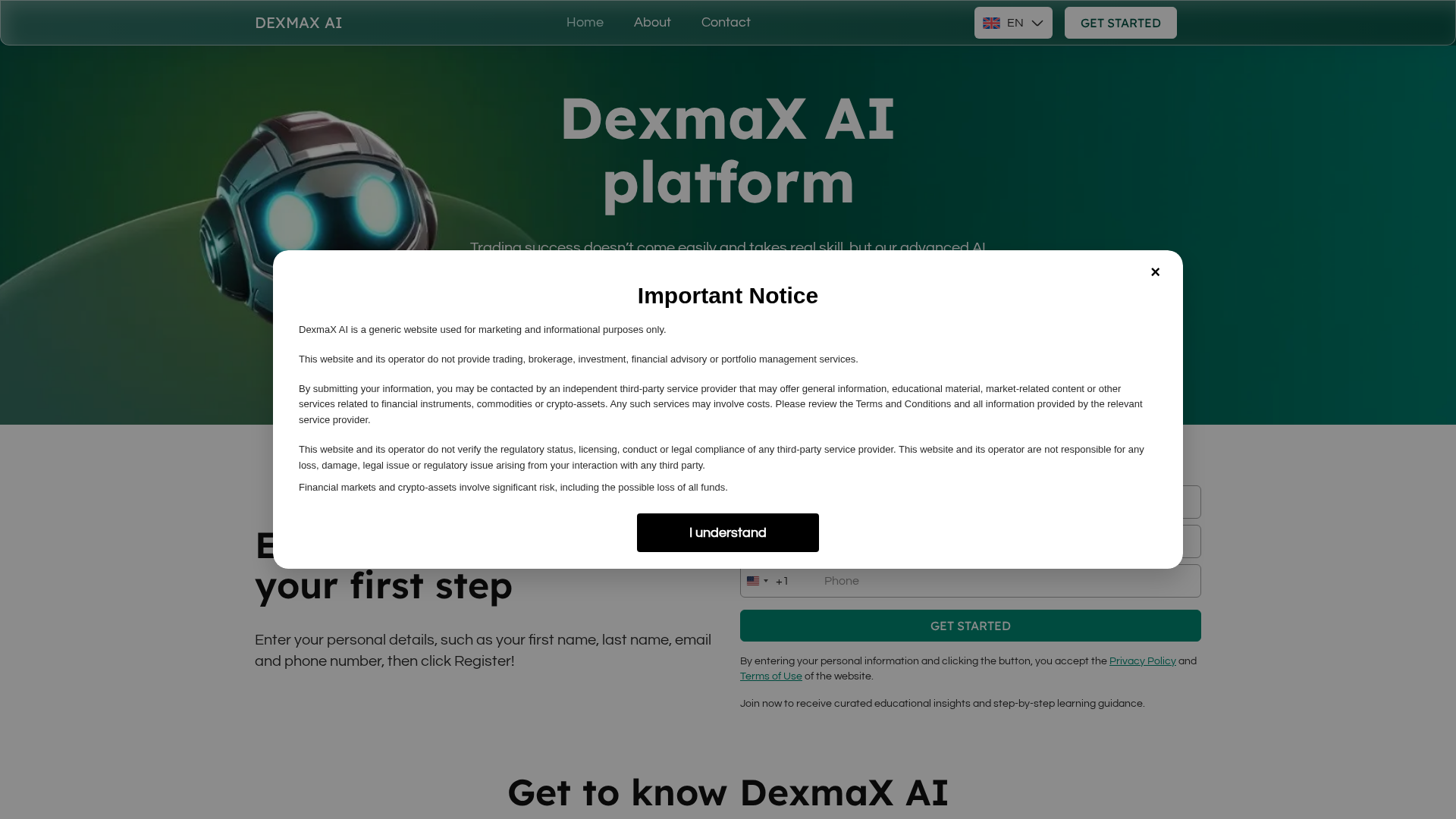
Información de Detección
https://dexmaxai.live/
Detected Brand
DexmaX AI
Country
Unknown
Confianza
100%
HTTP Status
200
Report ID
2fb2a26e-a1c…
Analyzed
2026-06-30 23:25
Hashes de Contenido (Similitud HTML)
Used to detect similar phishing pages based on HTML content
| Algorithm | Hash Value |
|---|---|
|
CONTENT
TLSH
|
T1CB73757612426E3F108342D1935CE35AE387D609C7A7898AEBEC432B67C7DE0ED36164 |
|
CONTENT
ssdeep
|
1536:+Jui6zqDcov0H4QN235yE0yVG3NvWL0gxVuz8Rl:LNBd9vDGl |
Hashes Visuales (Similitud de Captura)
Used to detect visually similar phishing pages based on screenshots
| Algorithm | Hash Value |
|---|---|
|
VISUAL
pHash
|
c2506cbe96d696b8 |
|
VISUAL
aHash
|
00003c7e7effd1ff |
|
VISUAL
dHash
|
8493ccd0cccc23cc |
|
VISUAL
wHash
|
00003c7e7eff91e3 |
|
VISUAL
colorHash
|
06010000e00 |
|
VISUAL
cropResistant
|
ccc8d4cccc23660c,8c83d393c8c8dcd4,4561417971690141,17496969696995a5,00454d7171414541 |
Análisis de Código
Risk Score
86/100
Nivel de Amenaza
ALTO
⚠️ Phishing Confirmed
🎣 Credential Harvester
🎣 OTP Stealer
🎣 Banking
🔐 Credential Harvesting Forms
🔒 Obfuscation Detected
- fromCharCode
- unescape
🎯 Kit Endpoints
- /send
📡 API Calls Detected
- POST
📤 Form Action Targets
- /send
📊 Desglose de Puntuación de Riesgo
Total Risk Score
100/100
Contributing Factors
Active Phishing Kit
Detected kit types: Credential Harvester, OTP Stealer, Banking
Credential Harvesting
Credential harvesting detected with 5 form(s) capturing sensitive data
Code Obfuscation
JavaScript code obfuscated using 6 technique(s) to evade detection
🔬 Análisis Integral de Amenazas
Tipo de Amenaza
Banking Credential Harvester
Objetivo
DexmaX AI users
Método de Ataque
credential harvesting forms + obfuscated JavaScript
Canal de Exfiltración
HTTP POST to backend
Evaluación de Riesgo
CRITICAL - Automated credential harvesting with HTTP POST to backend
⚠️ Indicators of Compromise
- Kit types: Credential Harvester, OTP Stealer, Banking
- 6 obfuscation techniques
🏢 Análisis de Suplantación de Marca
Impersonated Brand
DexmaX AI
Official Website
N/A
Fake Service
Token swap/DEX platform
⚔️ Metodología de Ataque
Primary Method: Credential Harvesting
Victim enters username and password into fake login form. Credentials are captured via JavaScript and exfiltrated to attacker's server in real-time.
Secondary Method: JavaScript Obfuscation
Malicious code is obfuscated using 6 techniques to evade detection by security scanners and make reverse engineering more difficult.
🌐 Indicadores de Compromiso de Infraestructura
Domain Information
Dominio
dexmaxai.live
Registered
Unknown
Registrar
Unknown
Estado
Age unknown
Hosting Information
Provider
Unknown
ASN
🤖 AI-Extracted Threat Intelligence
Similar Websites
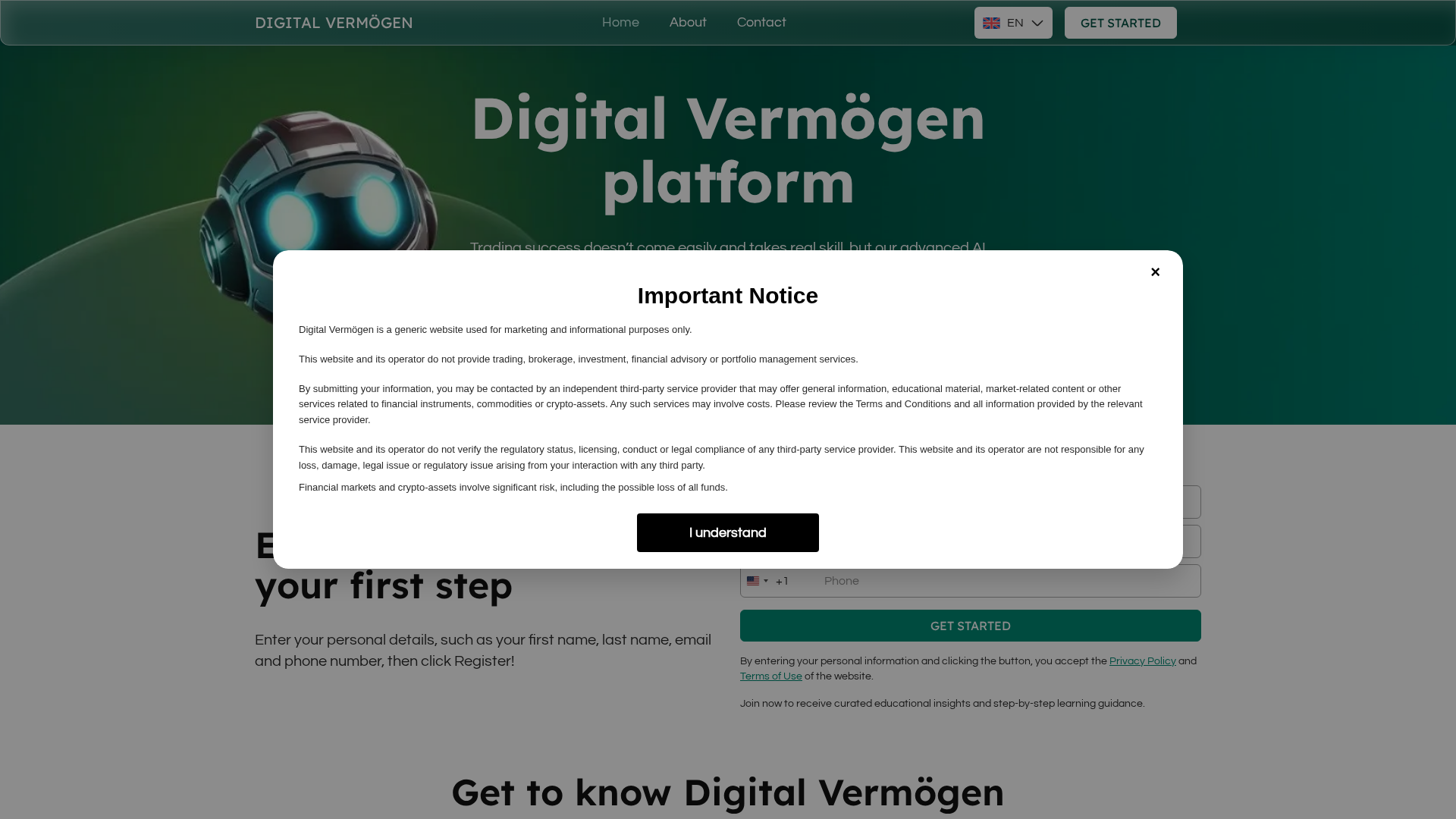
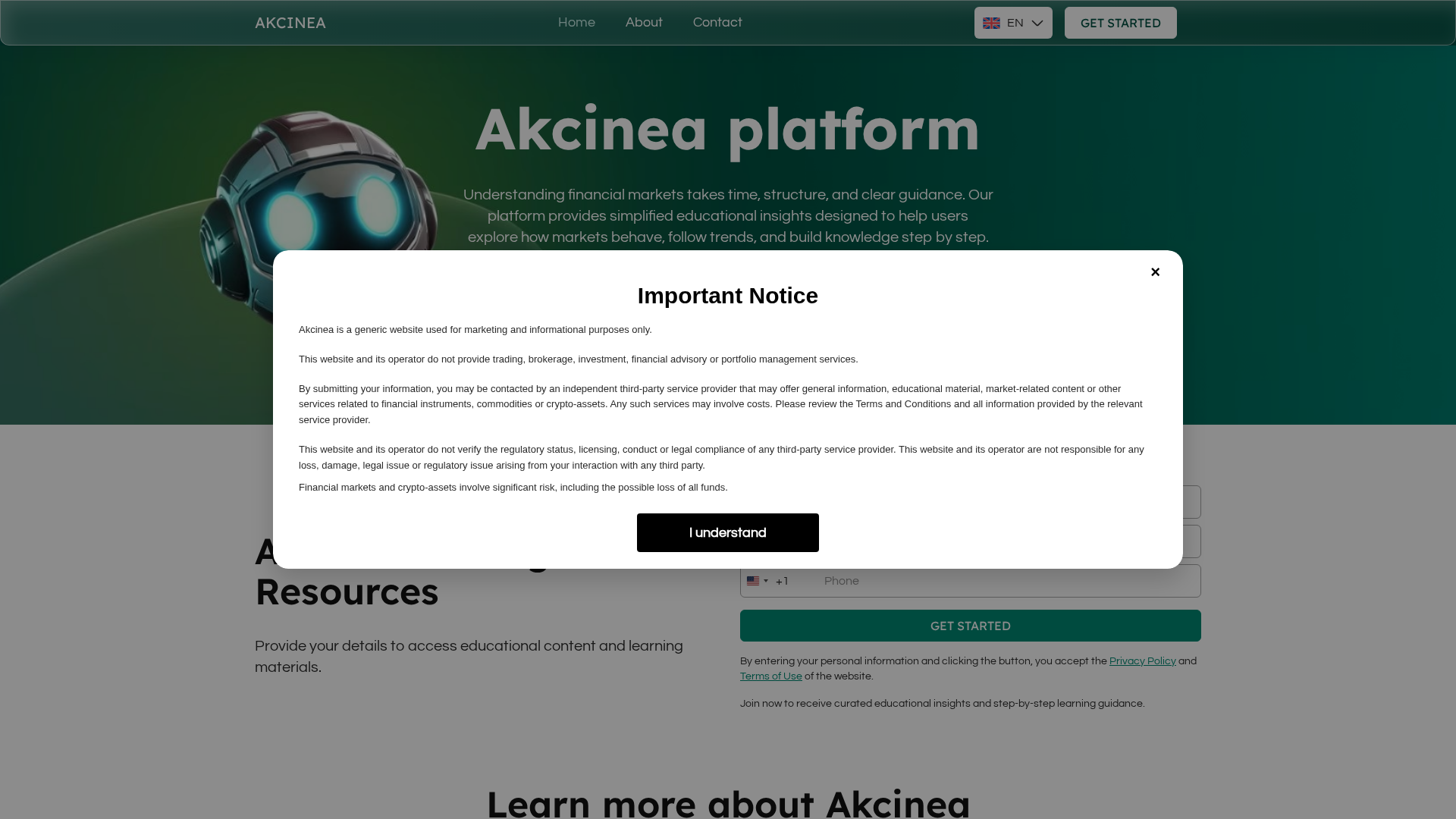
Pages with identical visual appearance (based on perceptual hash)
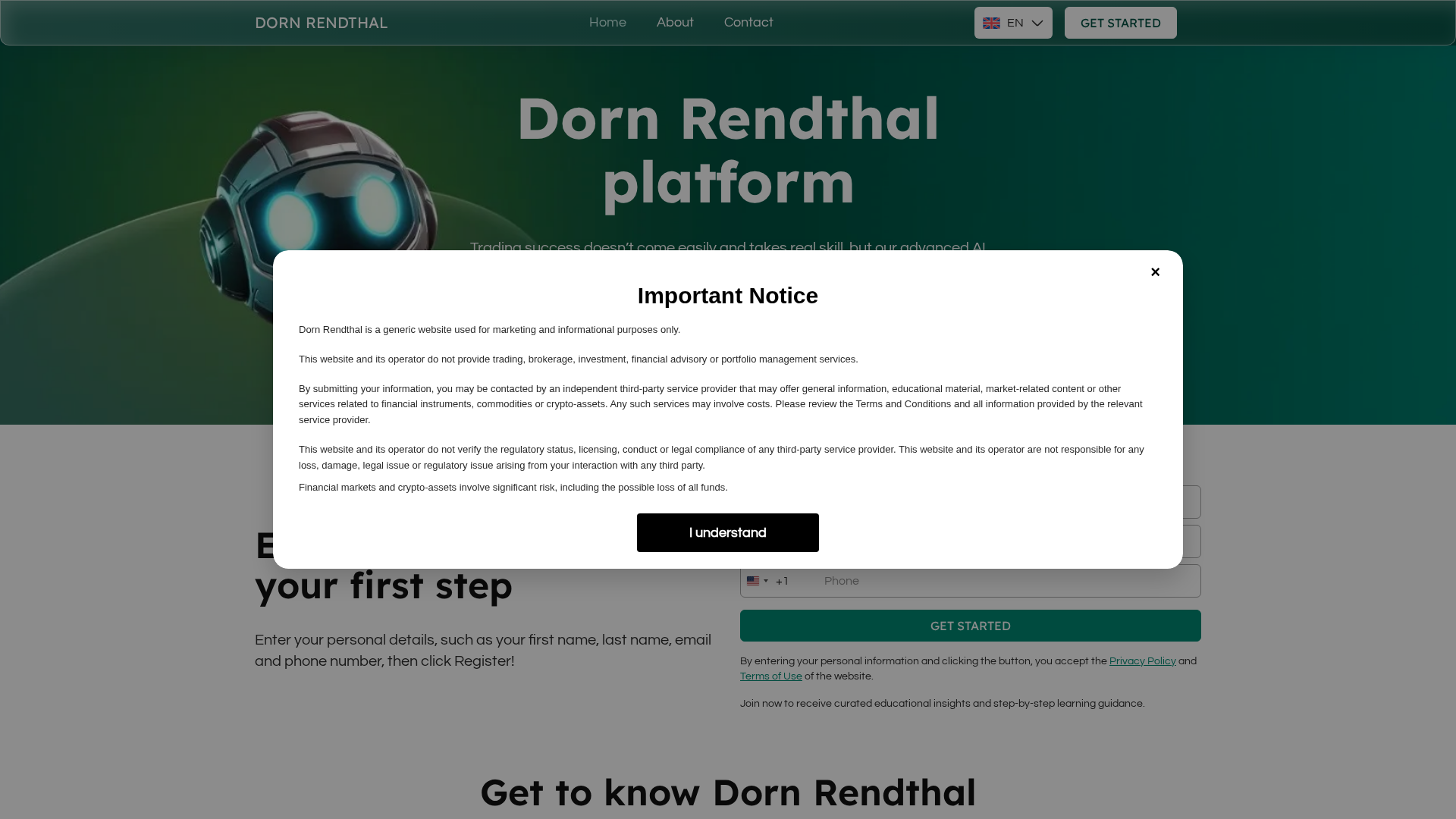
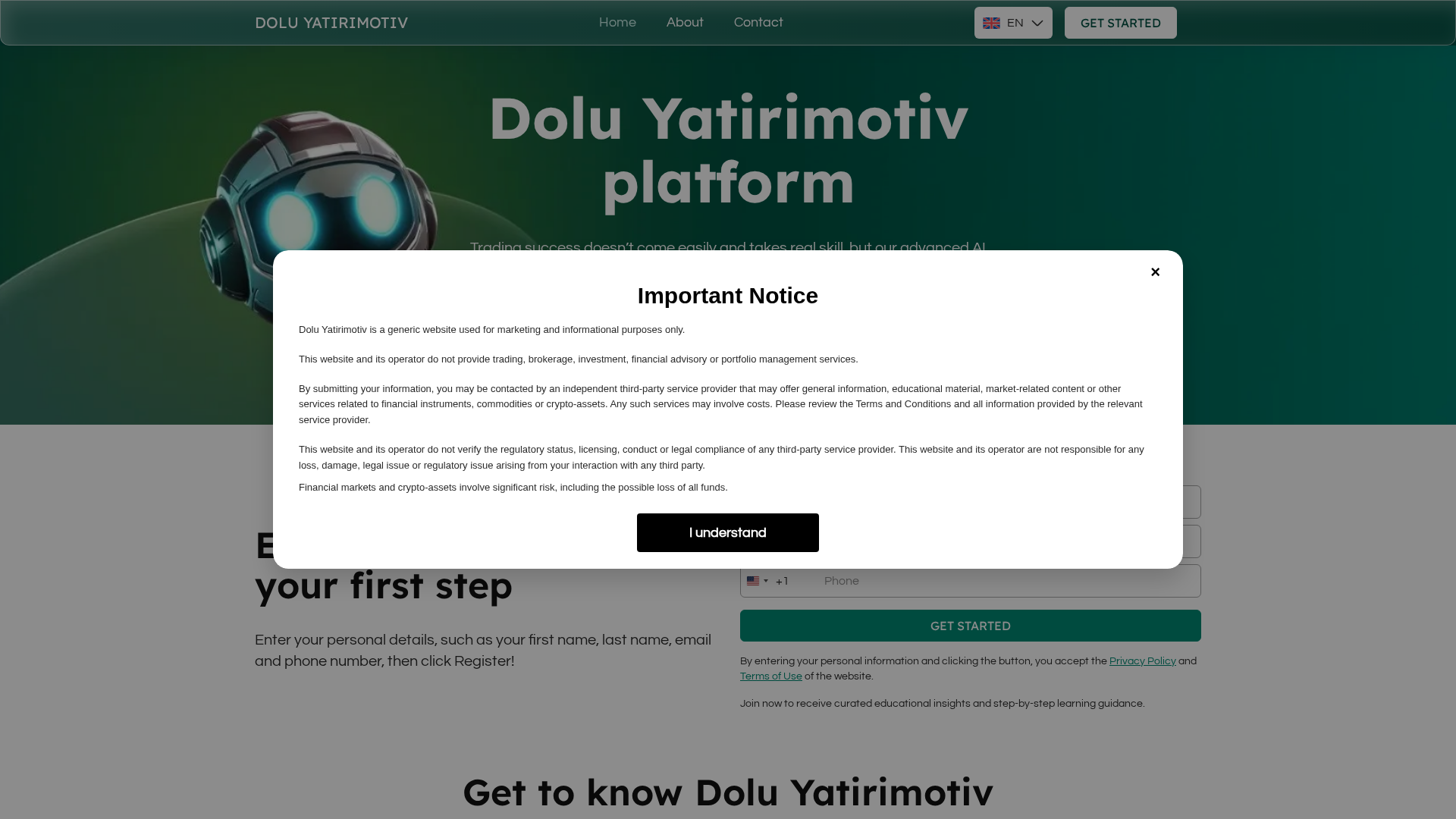
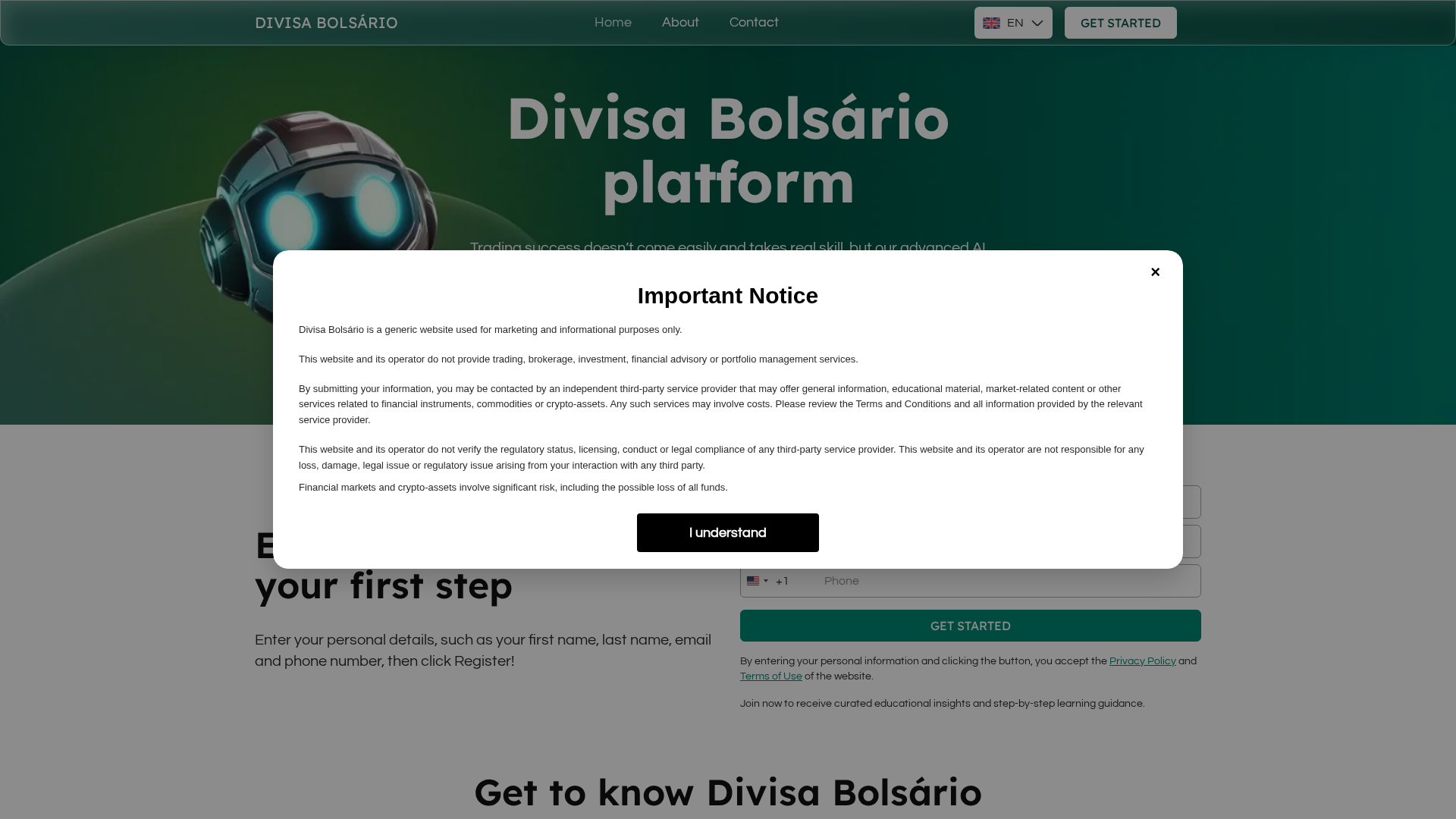

"Nunca pensé que me pasaría a mí"
Esto dicen las 2.3 millones de víctimas cada año. No esperes a ser una estadística.