
Phishing Analysis
Detailed analysis of captured phishing page
Captura Visual
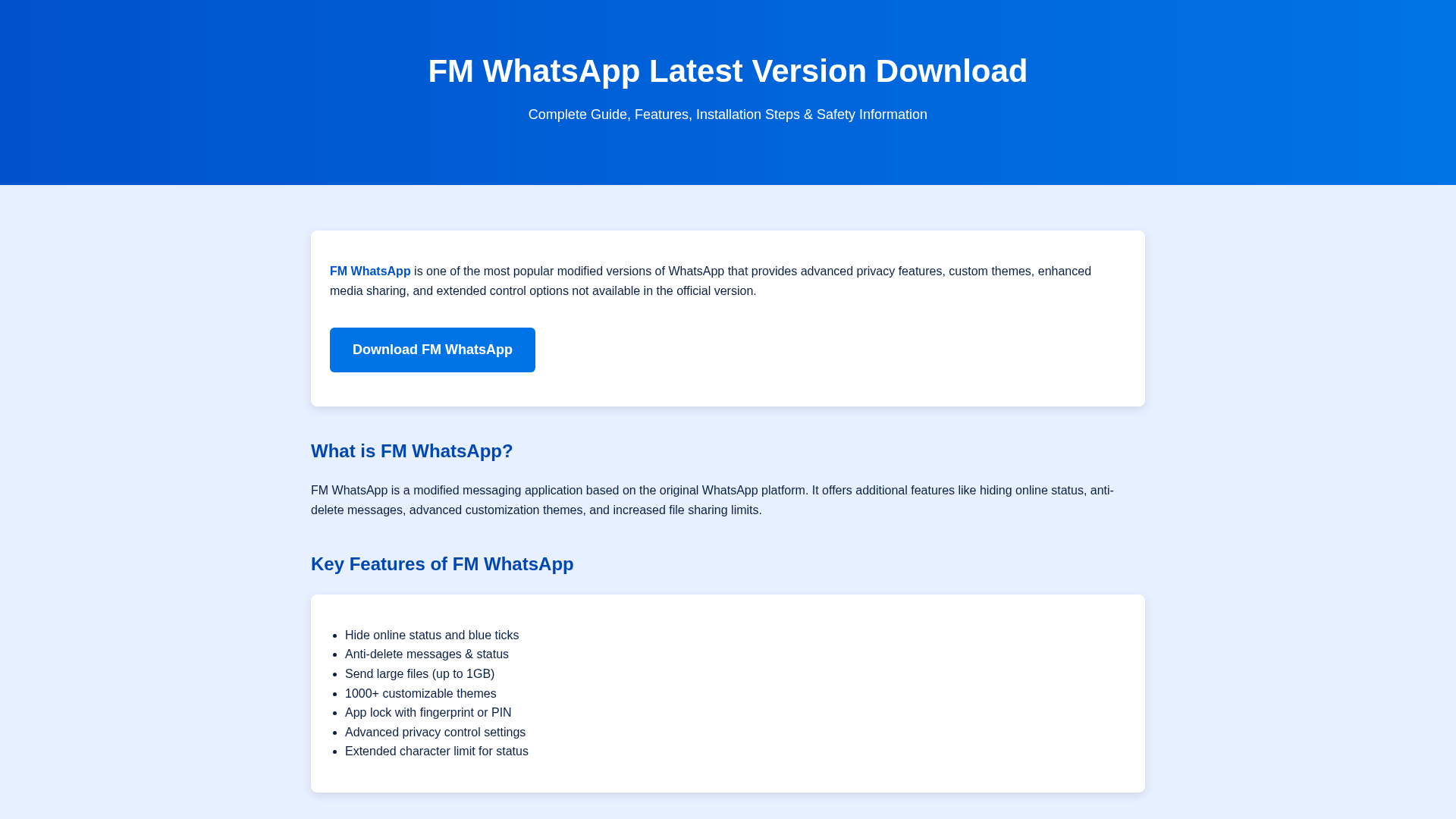
Información de Detección
https://fmwhats.pages.dev/
Detected Brand
WhatsApp
Country
Unknown
Confianza
95%
HTTP Status
200
Report ID
3c7c352c-ab8…
Analyzed
2026-07-08 23:33
Hashes de Contenido (Similitud HTML)
Used to detect similar phishing pages based on HTML content
| Algorithm | Hash Value |
|---|---|
|
CONTENT
TLSH
|
T1A971A93F8513373E0943C2519F12D388DB68C178DE232E1E34AD618DBAD6568EDD635A |
|
CONTENT
ssdeep
|
96:TCW0pFyrqoqZEZ0w20hcZ1VRfI5BmLPg9tAPEKmMtfHI3NO6:50pFyrcZEZ59M1V654bg9tAcLUHI3V |
Hashes Visuales (Similitud de Captura)
Used to detect visually similar phishing pages based on screenshots
| Algorithm | Hash Value |
|---|---|
|
VISUAL
pHash
|
9c0b07233c9ce3e7 |
|
VISUAL
aHash
|
0000ffdfffffffff |
|
VISUAL
dHash
|
e9f13c303e38b0b0 |
|
VISUAL
wHash
|
00007e1e010fdfff |
|
VISUAL
colorHash
|
060000001c0 |
|
VISUAL
cropResistant
|
14129b1a9b8fe54f,cc3c302e3ab0b0f0,ff9f6969b3f3ffff |
Análisis de Código
Nivel de Amenaza
ALTO
⚠️ Phishing Confirmed
📊 Desglose de Puntuación de Riesgo
Total Risk Score
40/100
🔬 Análisis Integral de Amenazas
Tipo de Amenaza
WhatsApp Phishing Landing Page
Objetivo
WhatsApp users
Método de Ataque
Phishing webpage
Canal de Exfiltración
Form submission (backend endpoint not detected - likely JavaScript-based)
Evaluación de Riesgo
LOW - Automated credential harvesting with Form submission (backend endpoint not detected - likely JavaScript-based)
🏢 Análisis de Suplantación de Marca
Impersonated Brand
WhatsApp
Official Website
https://www.whatsapp.com
Fake Service
Credential harvesting service
⚔️ Metodología de Ataque
Primary Method: Search Engine Manipulation
Fake WhatsApp site positioned to capture victims through SEO tactics, typosquatting, or paid advertising. Serves as entry point for multi-stage attacks including credential theft and malware distribution.
Secondary Method: Standard Phishing Techniques
Uses typical phishing tactics including brand impersonation, urgency tactics, and social engineering to trick victims into providing sensitive information.
🌐 Indicadores de Compromiso de Infraestructura
Domain Information
Dominio
fmwhats.pages.dev
Registered
Unknown
Registrar
Unknown
Estado
Hosting platform (subdomain)
Hosting Information
Provider
Unknown
ASN
🤖 AI-Extracted Threat Intelligence

"Nunca pensé que me pasaría a mí"
Esto dicen las 2.3 millones de víctimas cada año. No esperes a ser una estadística.