
Phishing Analysis
Detailed analysis of captured phishing page
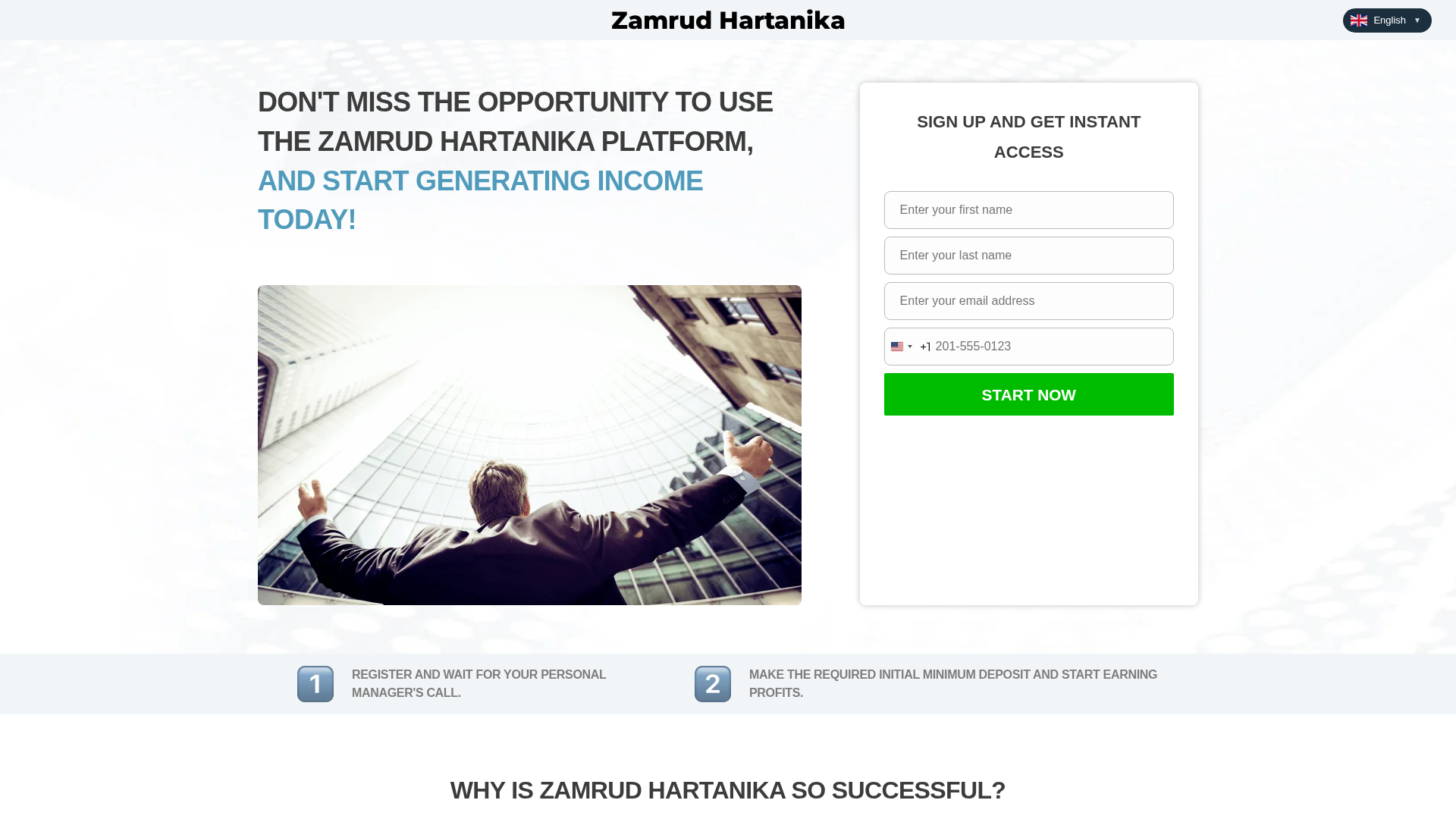
Captura Visual
Información de Detección
https://zamrudhartanika-ai.com/
Detected Brand
Unknown
Country
Unknown
Confianza
100%
HTTP Status
200
Report ID
4eb745ae-fe1…
Analyzed
2026-08-09 23:16
Hashes de Contenido (Similitud HTML)
Used to detect similar phishing pages based on HTML content
| Algorithm | Hash Value |
|---|---|
|
CONTENT
TLSH
|
T18BD253729040993F0673C3E5E321BA5CA1C7820EDBD45144E7FC574A6FA2DA3EC27A69 |
|
CONTENT
ssdeep
|
192:XIUM2q5LY4+Rb4GCdYtZglV8oiYEyIbV02TVnACNEyIqV0VH:Xbq5Z+oOtGlEyIx02qcEyIS0VH |
Hashes Visuales (Similitud de Captura)
Used to detect visually similar phishing pages based on screenshots
| Algorithm | Hash Value |
|---|---|
|
VISUAL
pHash
|
b3c5d832c7c532c6 |
|
VISUAL
aHash
|
e68fefa1c387dfff |
|
VISUAL
dHash
|
0e3b4c6b0f1c330e |
|
VISUAL
wHash
|
868be3a1878783e7 |
|
VISUAL
colorHash
|
07002200600 |
|
VISUAL
cropResistant
|
0e3b4c6b0f1c330e,b058d9c9c3d65c2d |
Análisis de Código
Risk Score
71/100
Nivel de Amenaza
ALTO
⚠️ Phishing Confirmed
🎣 OTP Stealer
🎣 Personal Info
🔐 Credential Harvesting Forms
🔒 Obfuscation Detected
- unescape
- unicode_escape
📡 API Calls Detected
- https://zamrudhartanika-ai.com/submit-form
- POST
- https://cloudflare.com/cdn-cgi/trace
📤 Form Action Targets
- https://zamrudhartanika-ai.com/submit-form
📊 Desglose de Puntuación de Riesgo
Total Risk Score
100/100
Contributing Factors
Active Phishing Kit
Detected kit types: OTP Stealer, Personal Info
Credential Harvesting
Credential harvesting detected with 2 form(s) capturing sensitive data
Code Obfuscation
JavaScript code obfuscated using 33 technique(s) to evade detection
🔬 Análisis Integral de Amenazas
Tipo de Amenaza
Two-Factor Authentication Stealer
Objetivo
General public
Método de Ataque
credential harvesting forms + obfuscated JavaScript
Canal de Exfiltración
HTTP POST to backend
Evaluación de Riesgo
HIGH - Automated credential harvesting with HTTP POST to backend
⚠️ Indicators of Compromise
- Kit types: OTP Stealer, Personal Info
- 33 obfuscation techniques
🏢 Análisis de Suplantación de Marca
Impersonated Brand
Generic Phishing
Official Website
N/A
Fake Service
Credential harvesting service
⚔️ Metodología de Ataque
Primary Method: Two-Factor Authentication Bypass
Victim is prompted for 2FA code after entering credentials. The code is intercepted and used by attacker to access victim's account in real-time.
Secondary Method: JavaScript Obfuscation
Malicious code is obfuscated using 33 techniques to evade detection by security scanners and make reverse engineering more difficult.
🌐 Indicadores de Compromiso de Infraestructura
Domain Information
Dominio
zamrudhartanika-ai.com
Registered
2026-07-17 15:17:00+00:00
Registrar
Eranet International Limited
Estado
Recently registered (23 days old)
Hosting Information
Provider
Eranet International Limited
ASN
🤖 AI-Extracted Threat Intelligence
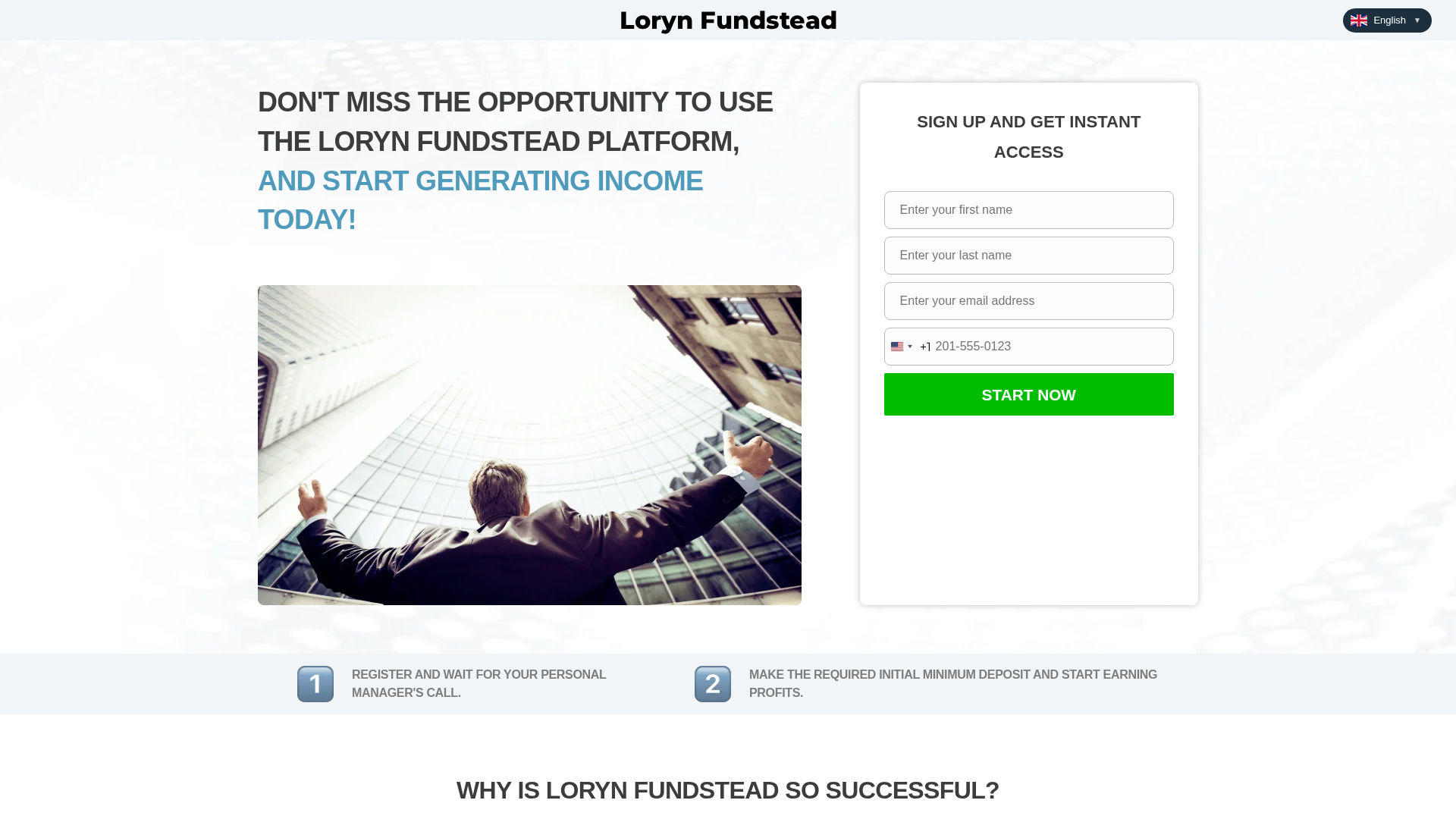
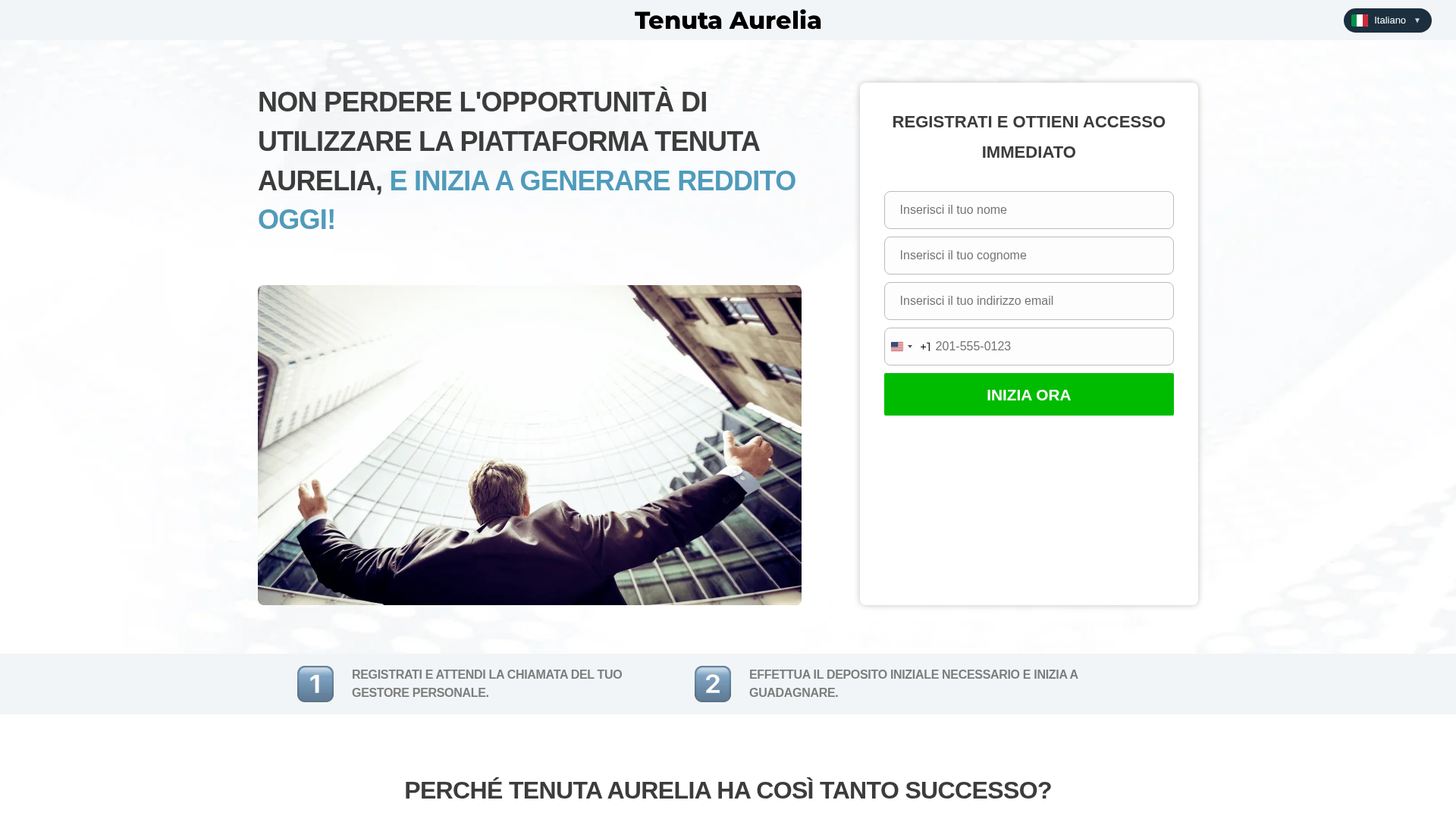
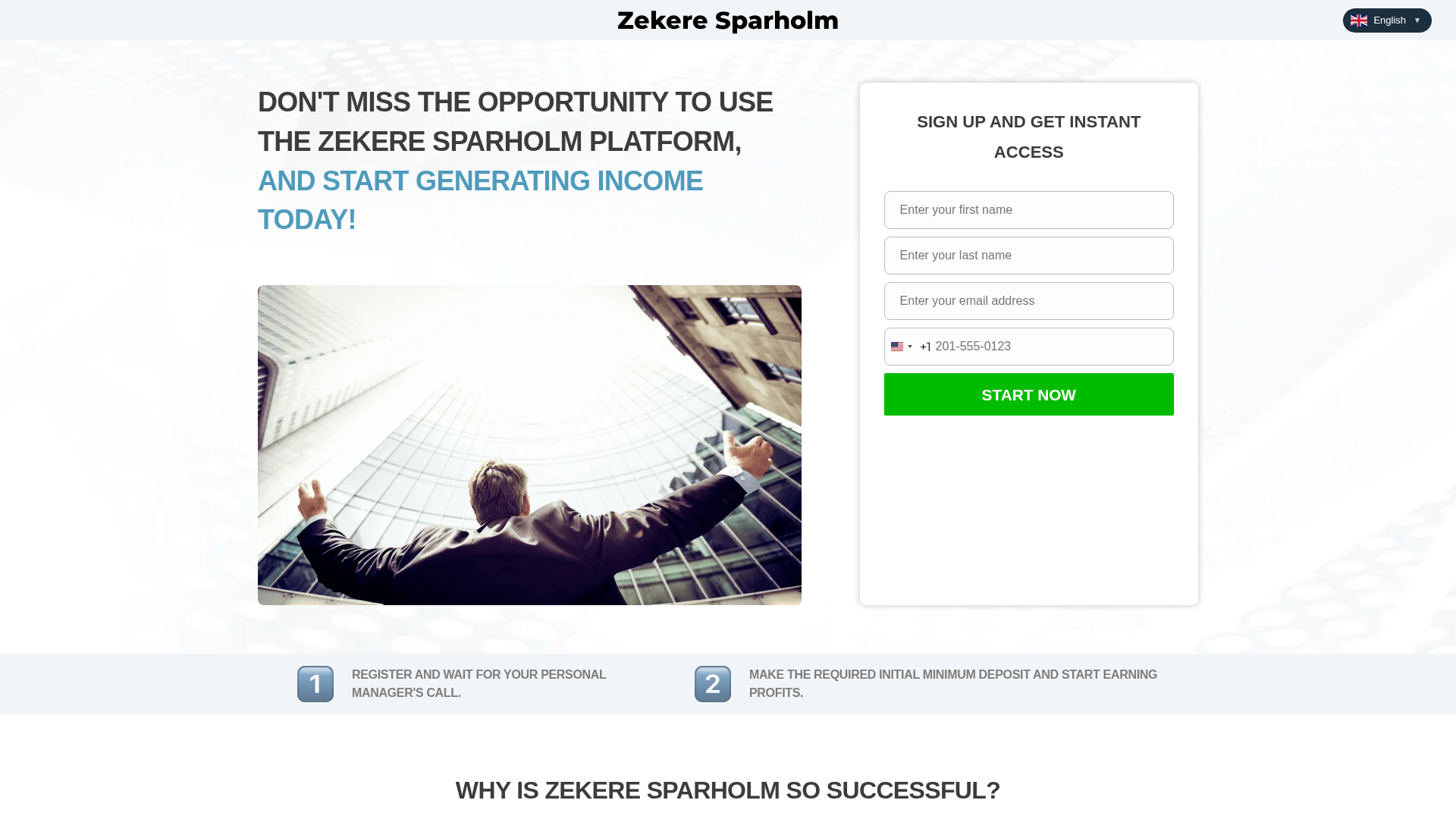
Similar Websites
Pages with identical visual appearance (based on perceptual hash)



"Nunca pensé que me pasaría a mí"
Esto dicen las 2.3 millones de víctimas cada año. No esperes a ser una estadística.