
Phishing Analysis
Detailed analysis of captured phishing page
Captura Visual
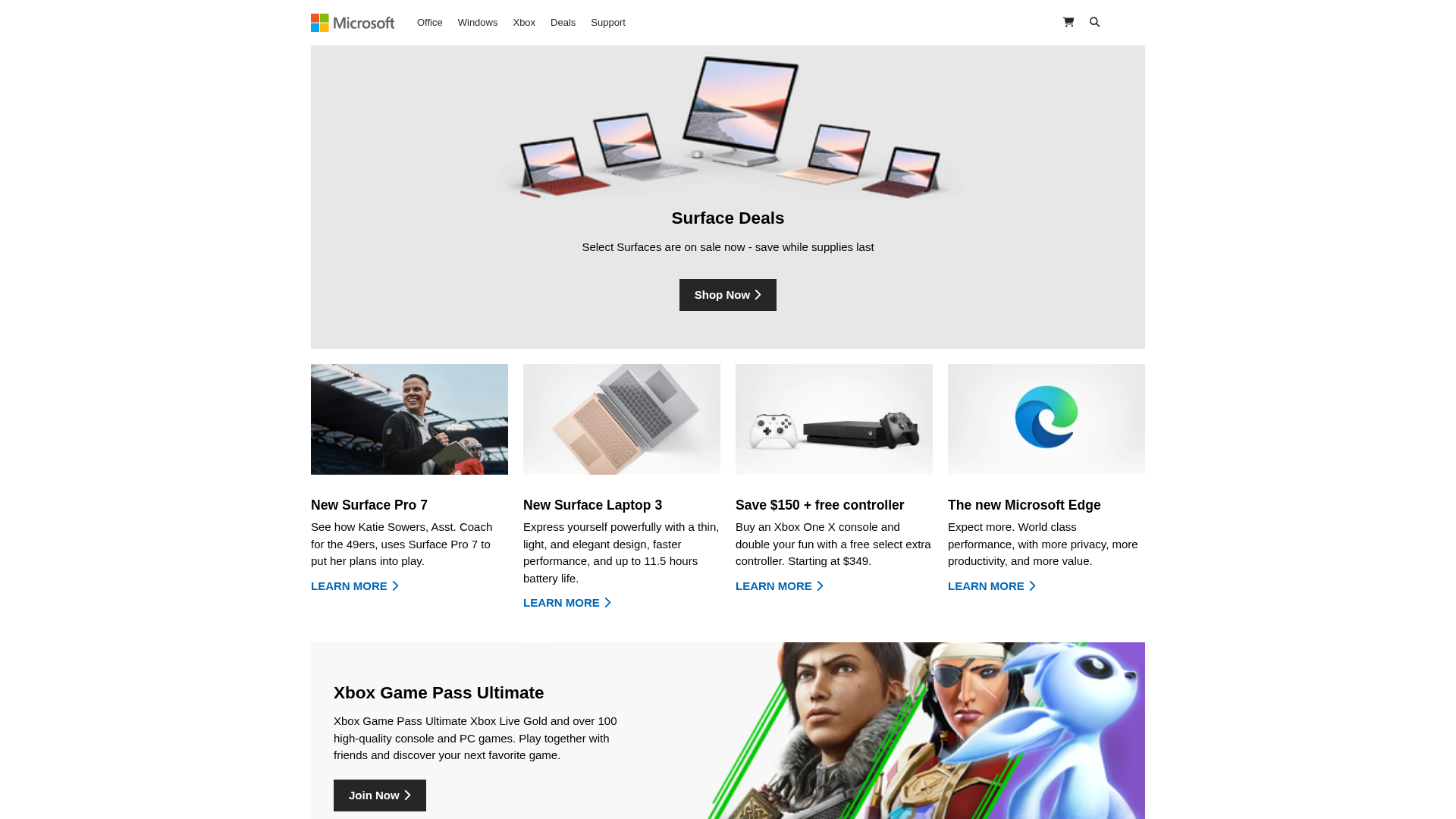
Información de Detección
http://www.microsoft-clone.vercel.app/
Detected Brand
Microsoft
Country
International
Confidence
95%
HTTP Status
200
Report ID
53ef9f92-885…
Analyzed
2026-02-18 01:22
Final URL (after redirects)
https://microsoft-clone.vercel.app/
Hashes de Contenido (Similitud HTML)
Used to detect similar phishing pages based on HTML content
| Algorithm | Hash Value |
|---|---|
|
CONTENT
TLSH
|
T1F1D1BF623084713B47D3739EBD14B79DE39B41A78B2A0F0165B5590FAEA3B4ACC011AF |
|
CONTENT
ssdeep
|
96:nZpEFuPyTl3ZTOwCQPfF9jinPk+M8kq4PJn9vKraLz2E1X:ZvApTy+fvqk+MxJFvz5Z |
Hashes Visuales (Similitud de Captura)
Used to detect visually similar phishing pages based on screenshots
| Algorithm | Hash Value |
|---|---|
|
VISUAL
pHash
|
ec93649b3cc3c32c |
|
VISUAL
aHash
|
e7c3e38383fff3d1 |
|
VISUAL
dHash
|
2f0f0f2b370a2727 |
|
VISUAL
wHash
|
c7c3c38383e3d1d1 |
|
VISUAL
colorHash
|
07401200000 |
|
VISUAL
cropResistant
|
2f0f0f2b370a2727,cced7c7e38de3f1e,2734050c9c2d2a5c |
Análisis de Código
Threat Level
ALTO
⚠️ Phishing Confirmed
🔬 Threat Analysis Report
• Amenaza: Suplantación
• Objetivo: Usuarios de Microsoft
• Método: Imitando el sitio web oficial
• Exfil: Desconocido, probablemente robo de credenciales o distribución de malware.
• Indicadores: Logo de Microsoft, hosting gratuito, imitación del diseño.
• Riesgo: Alto
📊 Desglose de Puntuación de Riesgo
Total Risk Score
90/100
Contributing Factors
Free Hosting + Brand Logo
The use of a brand logo on a free hosting service (vercel.app) is a strong indicator of phishing.
Impersonation
The website attempts to mimic the appearance of a legitimate Microsoft website.
🔬 Análisis Integral de Amenazas
Tipo de Amenaza
Microsoft Phishing Landing Page
Objetivo
Microsoft users (International)
Método de Ataque
Brand impersonation
Canal de Exfiltración
Form submission (backend endpoint not detected - likely JavaScript-based)
Evaluación de Riesgo
LOW - Automated credential harvesting with Form submission (backend endpoint not detected - likely JavaScript-based)
🏢 Análisis de Suplantación de Marca
Impersonated Brand
Microsoft
Official Website
www.microsoft.com
Fake Service
Microsoft's product offerings.
⚔️ Metodología de Ataque
Primary Method: Brand Impersonation
The attacker is trying to impersonate Microsoft by copying the website design and using the Microsoft logo to lure users into providing credentials or downloading malware.
Secondary Method: Credential Harvesting / Malware distribution
The goal is to steal login details or infect the victim's device with malware, likely through links to a phishing page or by malicious downloads.
🌐 Indicadores de Compromiso de Infraestructura
Domain Information
Domain
www.microsoft-clone.vercel.app
Registered
None
Registrar
None
Status
None
🤖 AI-Extracted Threat Intelligence
Similar Websites
Pages with identical visual appearance (based on perceptual hash)
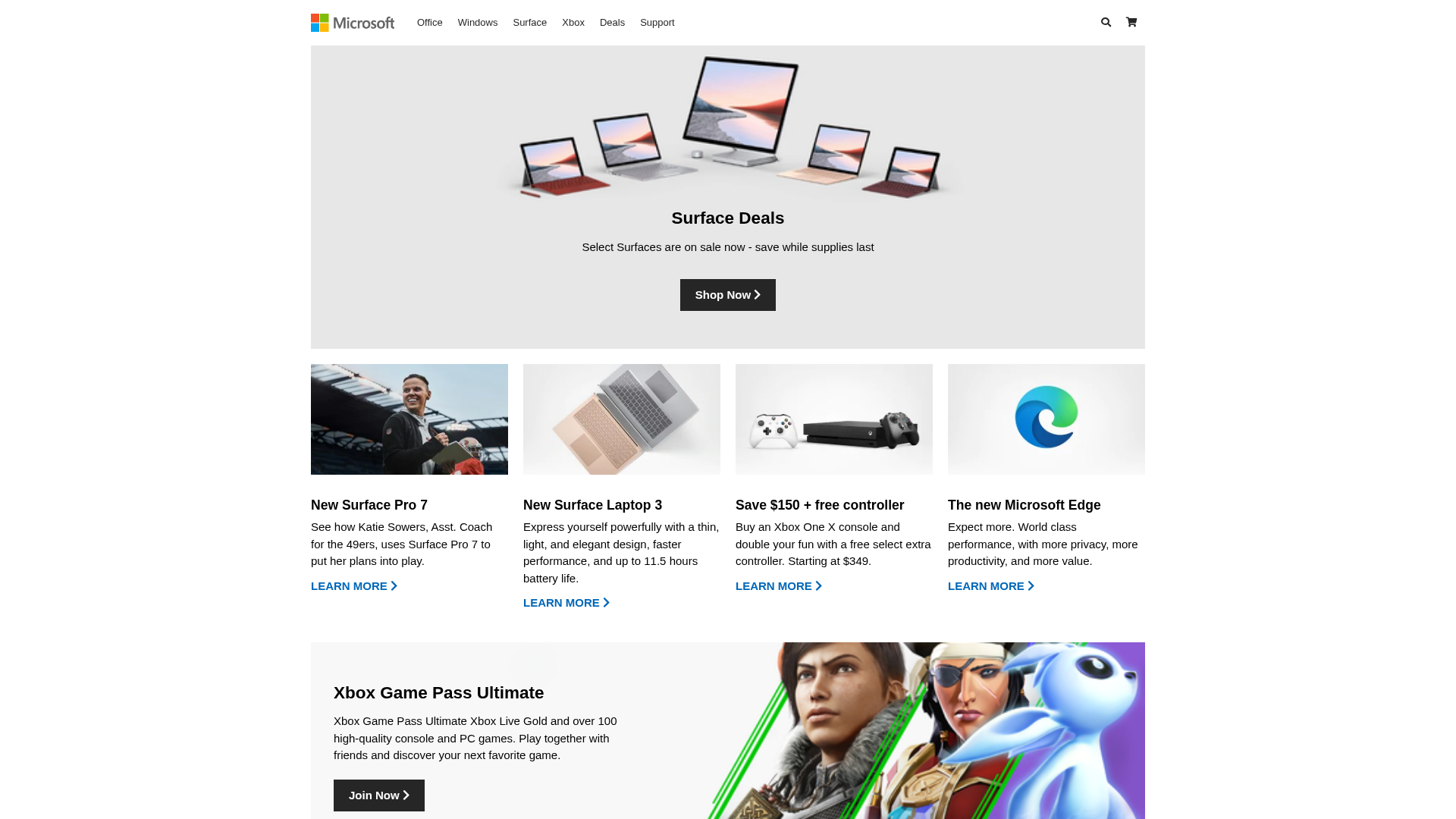
Microsoft
http://www.microsoft-clone-eight.vercel.app/
Abr 03, 2026
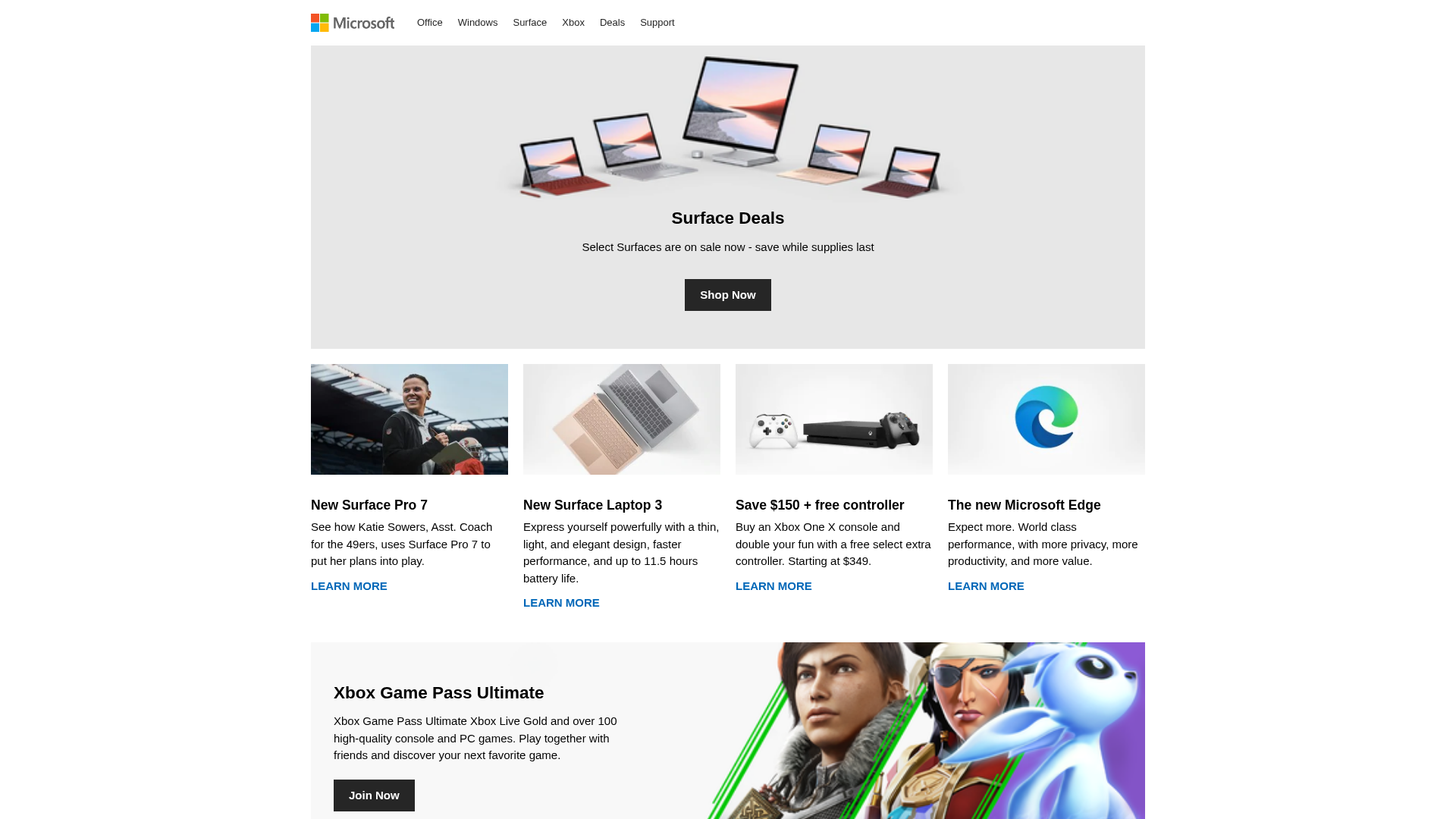
Unknown
https://cdn.gosafemode.com/screenshots/6a0cd1a48bc9.png
Mar 14, 2026
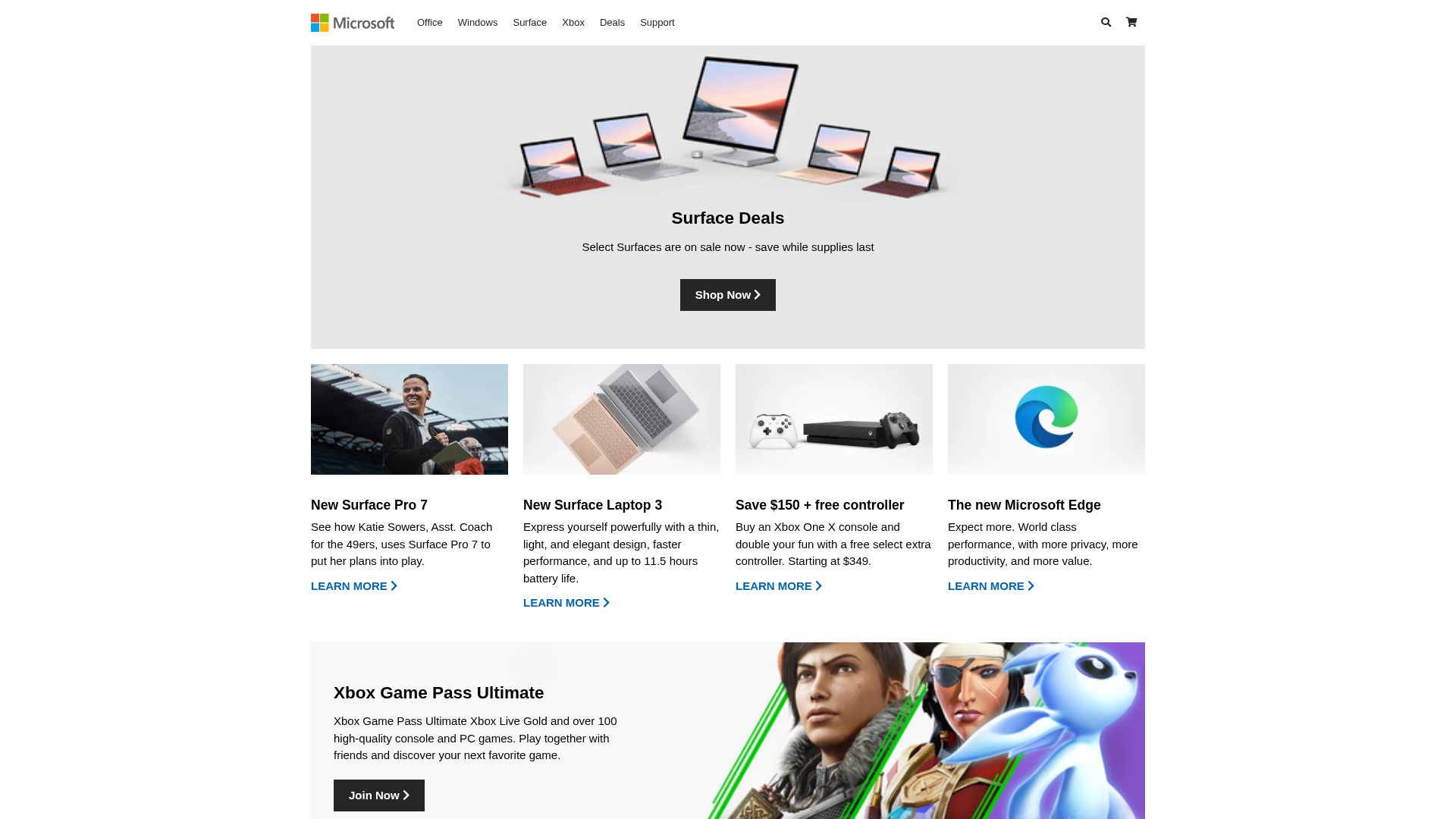
Microsoft
http://microsoft-clone-eight.vercel.app/
Mar 13, 2026
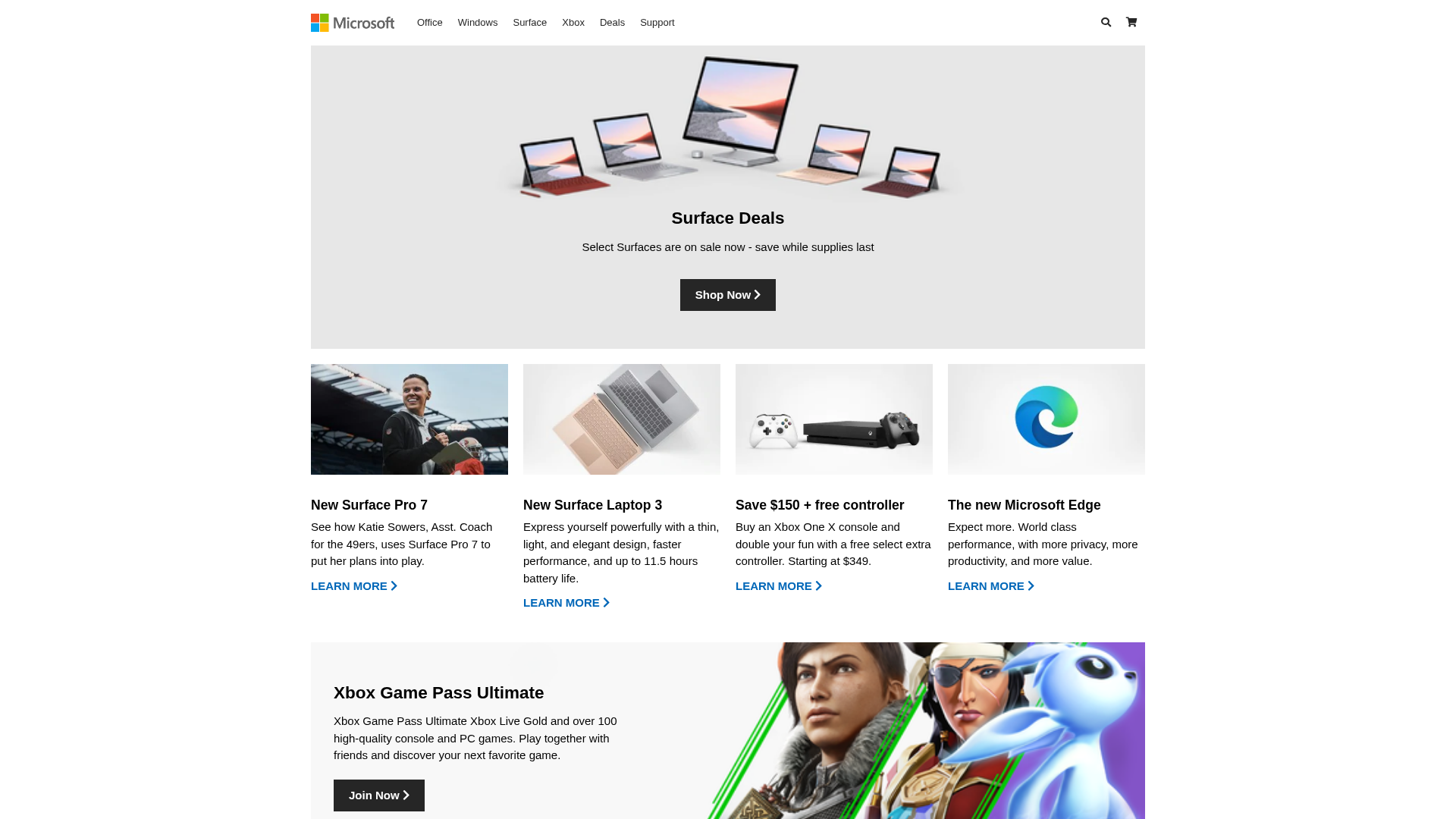
Microsoft
https://www.microsoft-clone-eight.vercel.app/
Mar 13, 2026
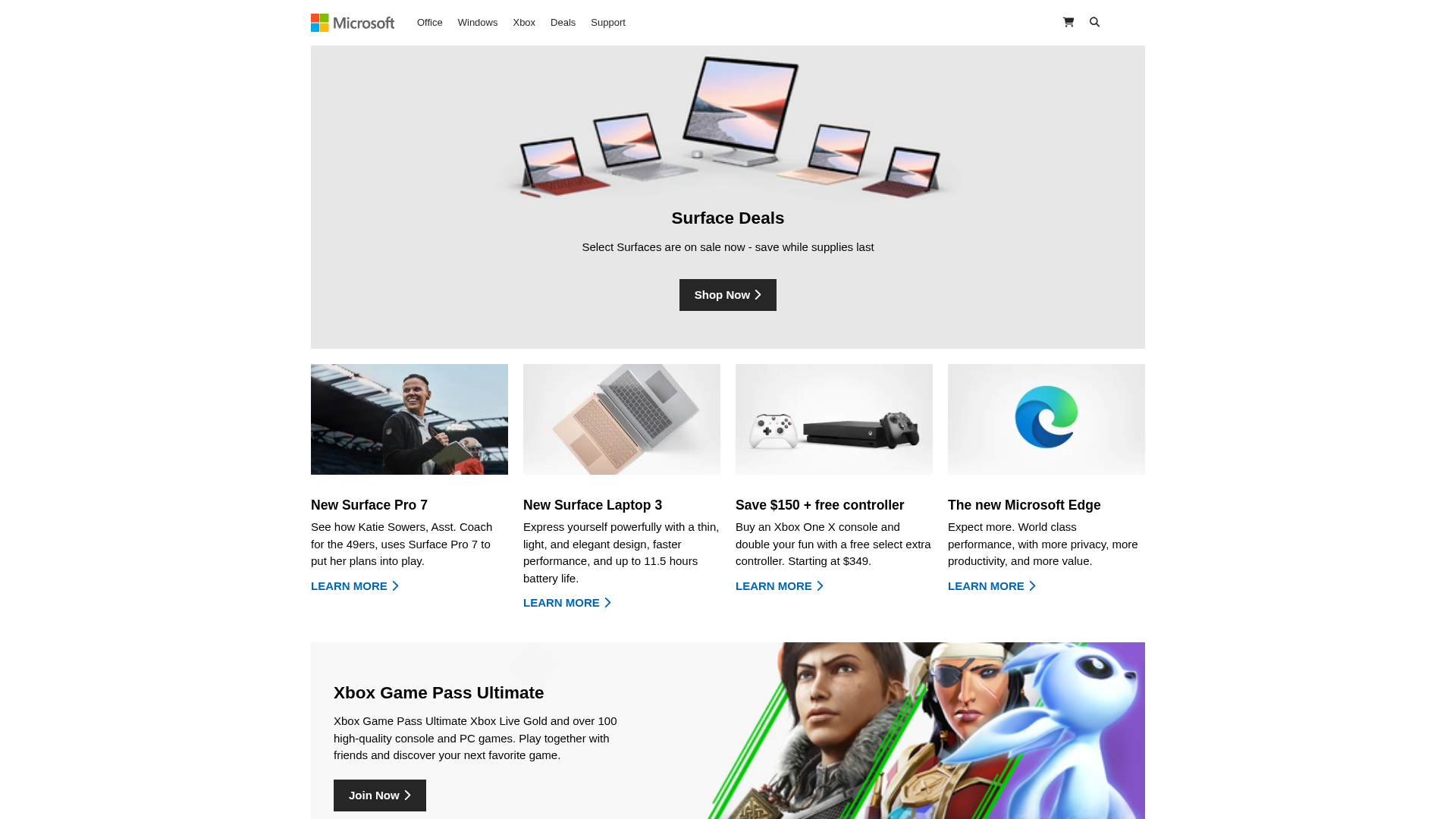
Microsoft
https://microsoft-clone.vercel.app/
Mar 08, 2026

"Nunca pensé que me pasaría a mí"
Esto dicen las 2.3 millones de víctimas cada año. No esperes a ser una estadística.